Loading Fruit Details...
Please wait while we fetch nutritional information and health benefits
Please wait while we fetch nutritional information and health benefits
Recommended Products

Hylocereus undatus, Hylocereus costaricensis
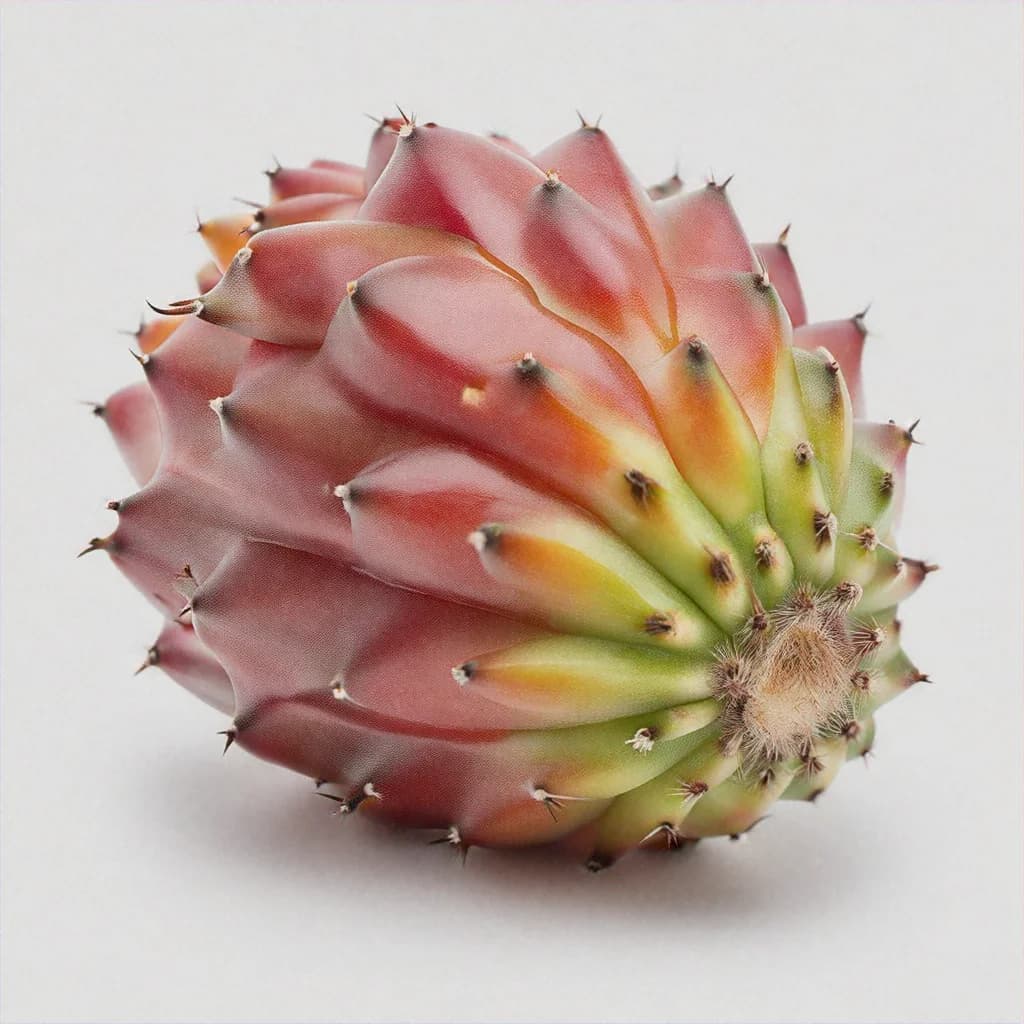
A visually stunning tropical superfruit, also known as pitaya, famous for its vibrant pink or yellow skin and speckled white or magenta flesh. Dragon fruit offers a mild, refreshing sweetness similar to a blend of kiwi and pear, making it perfect for smoothie bowls, salads, and fresh eating. This exotic cactus fruit is packed with antioxidants, fiber, and essential minerals, supporting gut health, immune function, and hydration. Native to Central America but now cultivated extensively in Southeast Asia, dragon fruit has become a global favorite for its unique appearance and impressive nutritional profile.
Explore Dragon Fruit in stunning detail
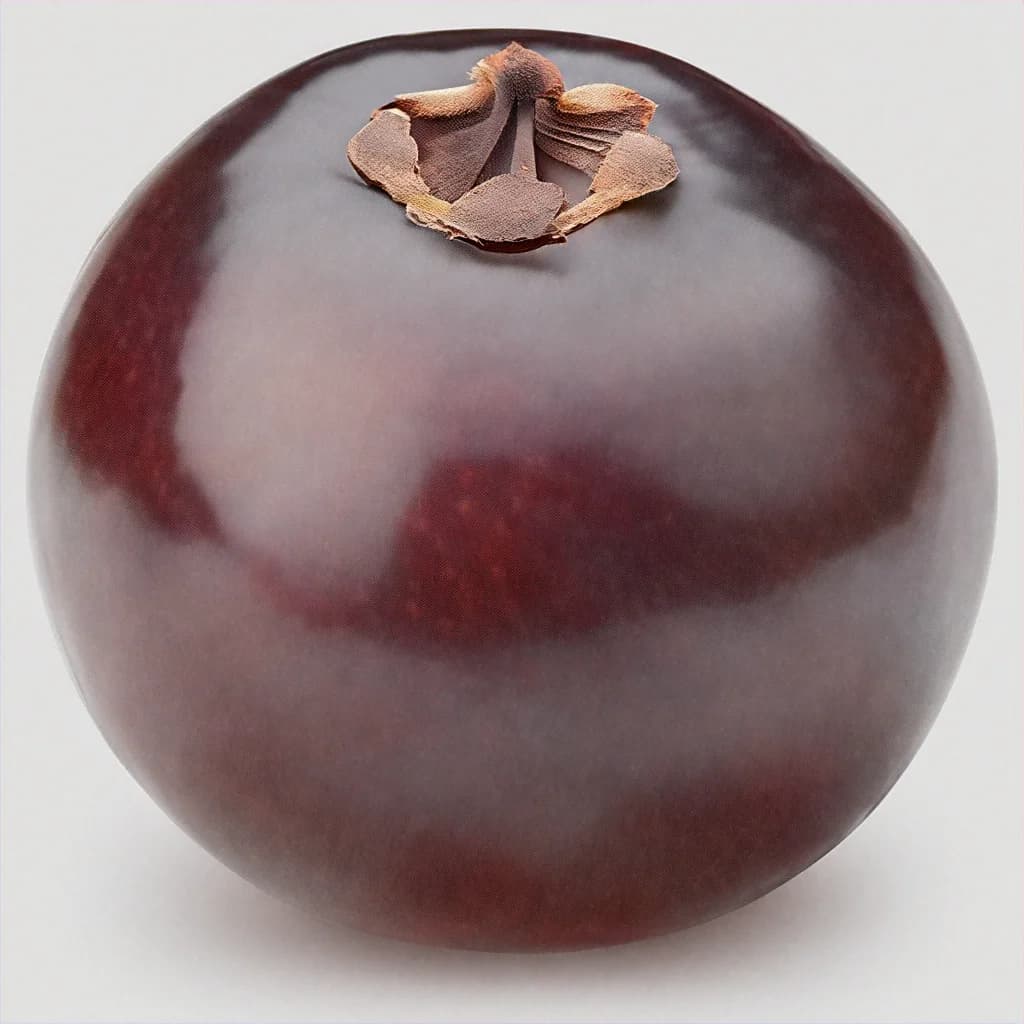
Dragon Fruit - Main View
Per 100g
Per 100g
Nutrition breakdown for one serving
Southern Mexico, Central America, and northern South America
Dragon fruit is native to Central and South America, where it was cultivated by the Aztecs and other indigenous peoples. French colonizers introduced the fruit to Southeast Asia in the early 19th century, particularly to Vietnam in the 1860s. The fruit thrived in the tropical climate and Vietnam became the world's largest producer. The plant is a climbing cactus (Cactaceae family) that produces spectacular fragrant flowers that bloom only at night and are pollinated by nocturnal creatures like bats and moths. The name 'dragon fruit' comes from the scaly appearance of its skin, resembling dragon scales in Asian mythology.
Year-round in tropical regions; peak summer to early autumn elsewhere
Each variety offers unique flavors, textures, and culinary applications
Keep your fruit fresh and delicious for longer
Look for bright, evenly colored skin without fading or dull patches
Gently squeeze the fruit - it should yield slightly like a ripe avocado or peach
Check that the green 'scales' or leafy tips are fresh and vibrant, not dried or brown
Avoid fruits with excessive soft spots, bruising, or mold on the skin
Choose fruits that feel heavy for their size, indicating juiciness
For immediate eating, select fruits that give slightly to pressure
For later use, choose firmer fruits that will ripen at room temperature
Yellow varieties should have vibrant yellow color without green patches
Store unripe dragon fruit at room temperature away from direct sunlight until ripe
Ripe fruit can be kept on the counter for 2-3 days
Refrigerate ripe whole dragon fruit in the crisper drawer or plastic bag for up to 2-3 weeks
Once cut, store flesh in an airtight container in the refrigerator for up to 5 days
Avoid cutting until ready to eat to maximize freshness
Keep away from ethylene-producing fruits like bananas if you want to slow ripening
Do not wash until ready to use to prevent moisture buildup and mold
Preserve freshness for months
Peel the skin completely and cut flesh into cubes
Flash freeze cubes on a parchment-lined tray for 2-3 hours
Transfer frozen cubes to freezer-safe bags or containers
Keeps frozen for up to 3 months without significant quality loss
Perfect for creating thick, creamy smoothie bowls straight from frozen
No need to thaw for smoothies - use directly from freezer
Can also puree flesh before freezing in ice cube trays for easy portioning
Label frozen items with the date to track freshness. Most fruits maintain quality for 2-3 months when properly frozen. For best results, use airtight containers or freezer bags to prevent freezer burn.
Discover delicious possibilities
Dragon fruit allergies are relatively rare but possible. Symptoms may include itching, tingling in the mouth, hives, or digestive discomfort. People with latex allergies should be cautious as there may be cross-reactivity (latex-fruit syndrome). Those allergic to kiwi or other tropical fruits may also react to dragon fruit. True allergies can cause more severe reactions including difficulty breathing or anaphylaxis, though this is extremely rare.
Dragon fruit generally has low pesticide residues in the edible flesh due to its thick, protective skin. It often appears on the 'Clean Fifteen' list of produce with the lowest pesticide levels. However, conventional farming may still use pesticides on the outer skin. Wash the fruit thoroughly before cutting to avoid transferring any residues from the skin to the flesh. Organic dragon fruit is available but may be significantly more expensive.
Surprising trivia you'll love!
Dragon fruit grows on a climbing cactus that can reach up to 20 feet long
The flowers bloom only at night and last for just one night, often called 'moonflowers' or 'Queen of the Night'
The spectacular white flowers are pollinated by nocturnal creatures like bats, moths, and sphinx moths
Vietnam is the world's largest producer and exporter of dragon fruit, shipping millions of tons annually
The tiny black seeds contain beneficial omega-3 and omega-9 fatty acids similar to flaxseeds
Dragon fruit contains absolutely zero cholesterol and is virtually fat-free
The name 'dragon fruit' comes from the scaly appearance of its skin, resembling dragon scales in Asian mythology
It's also called 'strawberry pear' in some English-speaking countries
One dragon fruit plant can produce fruit for 20-30 years with proper care
The betalain pigments in red dragon fruit are the same compounds found in beets
Dragon fruit was brought to Vietnam by the French in the 1860s during colonial times
The plant belongs to the cactus family and can survive in drought conditions once established
Dragon fruit has a mild, subtly sweet flavor often compared to a cross between kiwi and pear, with a hint of melon. The texture is similar to kiwi but softer and more watery. White-fleshed varieties are the mildest, while red-fleshed varieties have slightly more intense, berry-like notes. Yellow dragon fruit is the sweetest with honey-like undertones. The taste is refreshing but not overpowering, making it perfect for smoothies and fruit salads.
To eat dragon fruit, slice it in half lengthwise with a sharp knife. You can either scoop out the flesh with a spoon (like eating an avocado or kiwi) or peel back the leathery skin and cut the flesh into cubes. The skin is not edible and should be discarded. The tiny black seeds throughout the flesh are completely edible and add a subtle crunch similar to kiwi seeds. You can eat it fresh, add it to smoothies, or use it in fruit salads.
If you eat red or pink-fleshed dragon fruit, you may notice your urine or stool turns pink, red, or even purple. This is completely harmless and is caused by betalain pigments in the red flesh, which your body doesn't fully break down. The condition is called beeturia (similar to eating beets) and will pass within 12-48 hours. It's actually a sign you've consumed beneficial antioxidants. This doesn't happen with white or yellow varieties.
Yes, dragon fruit can support weight loss. It's very low in calories (only 60 calories per 100g), high in fiber (3g per 100g) which promotes fullness and reduces appetite, and contains 87% water for hydration. The fiber also helps regulate digestion and blood sugar levels. However, dragon fruit alone won't cause weight loss - it should be part of a balanced, calorie-controlled diet and active lifestyle. One cup provides only 102 calories but delivers 18% of your daily fiber needs.
Yes, dragon fruit is generally safe and even beneficial for diabetics when consumed in moderation. It has a low glycemic index of 48 and a glycemic load of only 5, meaning it won't cause sharp blood sugar spikes. The high fiber content (5g per cup) helps slow sugar absorption and improve blood sugar control. However, portion size matters - stick to one serving (about 1 cup) and monitor your individual blood sugar response. Always consult your healthcare provider about incorporating new fruits into a diabetic diet.
The main differences are color, taste, and antioxidants. White-fleshed dragon fruit (pink skin, white flesh) has a milder, more subtle flavor and is the most common variety. Red-fleshed dragon fruit (pink skin, magenta flesh) is sweeter with berry-like notes and contains significantly more antioxidants called betalains, which give it the vibrant color and may turn your urine pink. Red varieties are often preferred for smoothie bowls because of their striking color. Nutritionally, red varieties have slightly higher antioxidant levels, but both are healthy choices.
A ripe dragon fruit will have bright, evenly colored skin (pink, red, or yellow depending on variety) without brown spots or dull patches. The green 'wing' tips should be slightly wilted but not completely dried out. When you gently squeeze the fruit, it should yield slightly, similar to a ripe avocado - not rock hard or mushy. Ripe fruit may also emit a subtle sweet fragrance. If the fruit is hard, let it ripen at room temperature for 2-3 days. Once ripe, refrigerate to maintain freshness.
Yes, dragon fruit seeds are completely edible and nutritious! The tiny black seeds throughout the flesh are rich in omega-3 and omega-9 fatty acids, which support heart and brain health. They add a subtle, pleasant crunch similar to kiwi seeds. You don't need to remove them - just eat the fruit as is. The seeds are also a source of fiber. Yellow dragon fruit has slightly larger, crunchier seeds than white or red varieties.
No, dragon fruit skin is not typically eaten as it's thick, leathery, and not very palatable. However, it is technically non-toxic. The skin can be bitter and difficult to digest. Always remove the skin before eating - you can either scoop out the flesh with a spoon or peel it away. In some cultures, the skin is used for natural dyes or composted. Focus on enjoying the nutritious flesh inside, which contains all the vitamins, minerals, and antioxidants.
Most people can safely eat 1-2 dragon fruits per day as part of a balanced diet. One medium dragon fruit (about 1 cup of flesh) provides good nutrition without excessive sugar or calories. However, eating too much dragon fruit - especially more than 3-4 per day - may cause digestive issues like diarrhea or bloating due to the high fiber content. The red variety might also cause pink discoloration of urine. Moderation is key, and variety in your fruit intake ensures you get diverse nutrients.
Unripe dragon fruit can be stored at room temperature until it ripens (2-5 days). Once ripe, you can keep it at room temperature for 2-3 days, but refrigeration is recommended to extend shelf life to 2-3 weeks. Store whole dragon fruit in the crisper drawer or a plastic bag in the fridge. Once cut, dragon fruit must be refrigerated in an airtight container and consumed within 3-5 days. Cold storage preserves freshness, prevents overripening, and maintains the fruit's crisp texture.
Dragon fruit can be relatively expensive compared to common fruits like apples or bananas, typically costing $3-8 per fruit depending on variety, size, and location. Yellow dragon fruit is usually the most expensive due to rarity. Prices are higher in non-tropical regions due to import costs and the fruit's delicate nature requiring careful shipping. In Southeast Asian countries where it's grown locally, dragon fruit is much more affordable. Buying in season (summer months) often yields better prices. Despite the cost, many find it worth it for the unique appearance, health benefits, and versatility.
Yes, dragon fruit can be grown at home in warm climates (USDA zones 10-11) or in containers in cooler regions. It's a climbing cactus that needs a support structure like a trellis or pole. The plant requires full sun, well-draining soil, and minimal water once established (it's drought-tolerant). Dragon fruit typically takes 1-2 years to produce fruit after planting. The night-blooming flowers are spectacular, lasting only one night before producing fruit. In cooler climates, grow in large pots that can be moved indoors during winter. With proper care, one plant can produce 4-6 cycles of fruit per year.
Dragon fruit is considered a superfood because it's nutrient-dense with relatively few calories. It's packed with vitamin C (34% DV per serving), fiber (18% DV), magnesium (10% DV), and iron. The red varieties contain powerful betalain antioxidants that fight inflammation and oxidative stress. It's also rich in prebiotic fiber that supports gut health by feeding beneficial bacteria. Additionally, dragon fruit provides omega fatty acids, has a low glycemic index for blood sugar control, and contains zero cholesterol. Its combination of antioxidants, vitamins, minerals, and beneficial compounds makes it an excellent addition to a healthy diet.
Yes, dragon fruit will eventually spoil. Signs of a bad dragon fruit include: very soft or mushy texture, dark brown or black spots on the skin, strong fermented or sour smell, mold growth, or flesh that's slimy or discolored. Fresh dragon fruit should be firm with slight give, have bright colored skin, and smell mildly sweet or neutral. Properly stored refrigerated dragon fruit stays fresh for 2-3 weeks. If you notice any signs of spoilage, discard the fruit to avoid foodborne illness. When in doubt, trust your senses - if it looks or smells off, don't eat it.
Sustainability insights
Dragon fruit cacti are relatively sustainable and water-efficient compared to many other fruit crops. As cacti, they're adapted to dry conditions and can grow in poor, sandy soil where other crops struggle. They require minimal water once established and can be grown with organic methods. However, intensive commercial farming may still use pesticides and fertilizers.
Higher carbon footprint if air-freighted from tropical regions to distant markets. Sea-shipped dragon fruit has a lower environmental impact. Locally grown dragon fruit (in warm climates like California, Florida, or Hawaii) has the smallest carbon footprint.
Low to moderate water requirements. Dragon fruit is a cactus species that tolerates drought well once established, requiring significantly less water than fruits like strawberries or avocados. This makes it a more sustainable choice in water-scarce regions.
Buying locally grown dragon fruit (if available in warm climates) is most sustainable. If buying imported, look for sea-shipped options over air-freight. Choose fruits from certified sustainable or organic farms when possible. Buying in season reduces environmental impact.
We aim to keep this Dragon Fruit profile accurate and easy to understand. Nutrition values and % Daily Value figures are based on established reference databases and standard daily value guidance.
Last updated: September 8, 2026
Medical disclaimer
This page is for general educational purposes and does not replace professional medical advice.
Found an issue? Contact us.