Loading Fruit Details...
Please wait while we fetch nutritional information and health benefits
Please wait while we fetch nutritional information and health benefits
Recommended Products
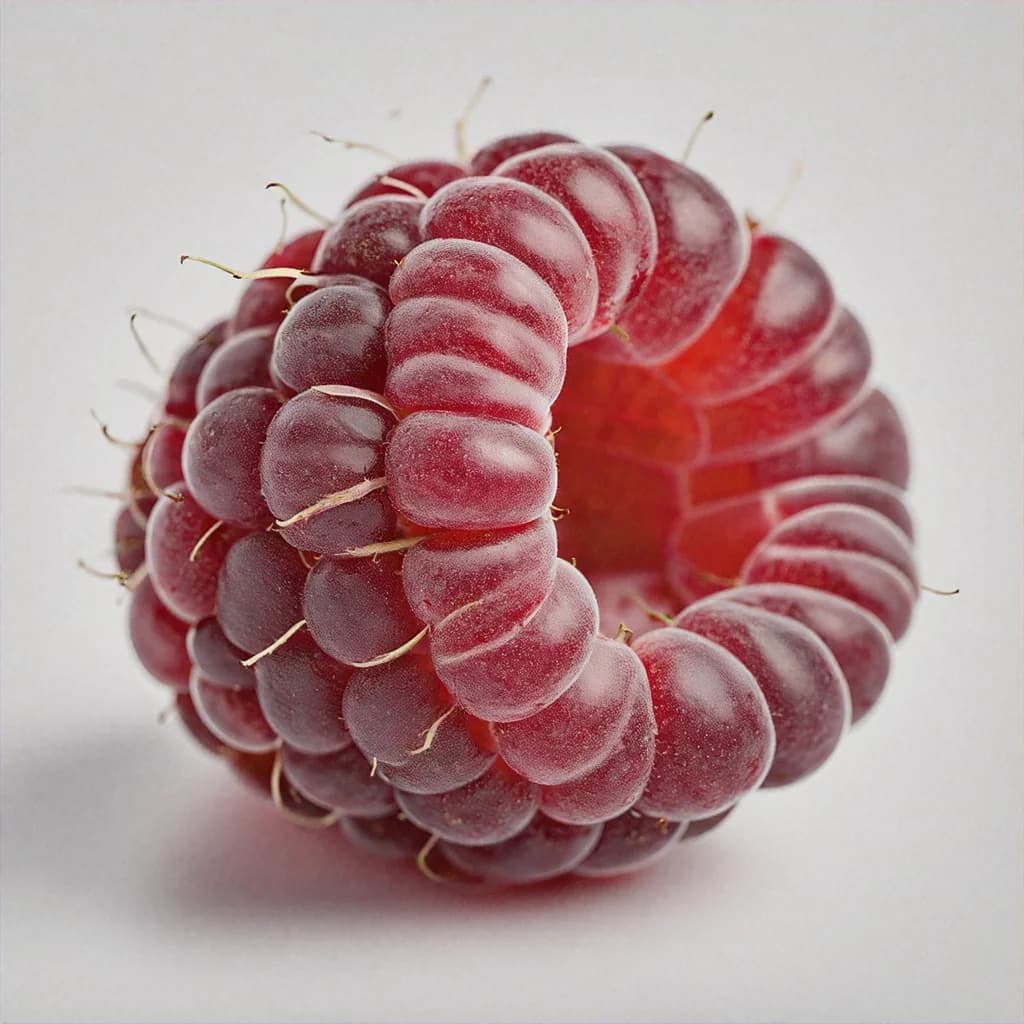
Rubus probus
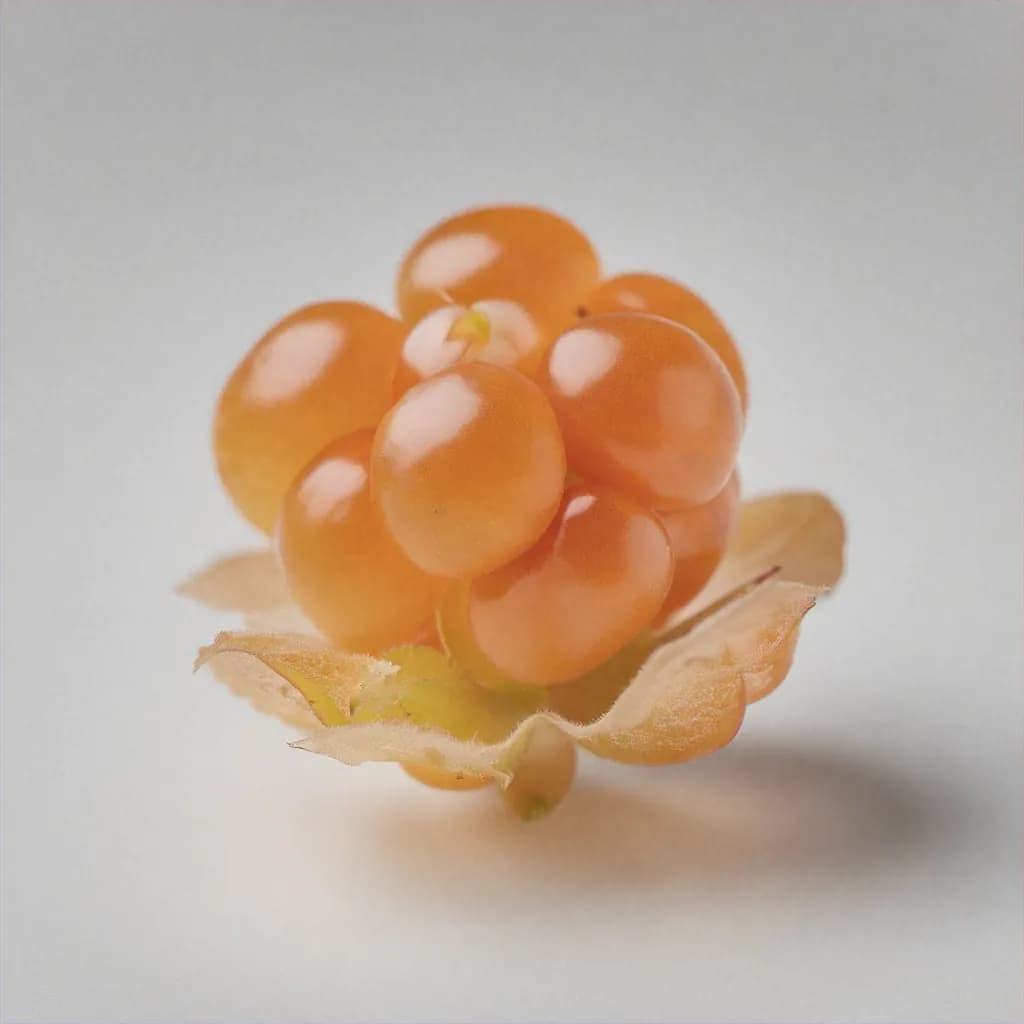
The Atherton Raspberry, scientifically known as Rubus probus, is a delightful and nutrient-rich fruit hailing from the tropical rainforests of Atherton Tablelands in Queensland, Australia. This raspberry variety is celebrated for its unique balance of sweetness and tartness, making it a favorite among fruit enthusiasts. Its vibrant red color and delicate texture make it a versatile ingredient in both fresh and cooked applications. Beyond its culinary appeal, the Atherton Raspberry is packed with essential vitamins, minerals, and antioxidants, offering a range of health benefits that contribute to overall wellness.
Explore Atherton Raspberry in stunning detail
Atherton Raspberry - Main View
Per 100g
Per 100g
Nutrition breakdown for one serving
Atherton Tablelands, Queensland, Australia
The Atherton Raspberry has been cultivated in the Atherton Tablelands region for decades, known for its adaptation to tropical climates and unique flavor profile.
Late spring to early summer
Each variety offers unique flavors, textures, and culinary applications
Keep your fruit fresh and delicious for longer
Select raspberries that are plump, firm, and uniformly colored.
Avoid berries that appear moldy, shriveled, or have excess moisture.
Store fresh raspberries in a single layer on a paper towel in the refrigerator to absorb excess moisture.
Use within 2-3 days of purchase for optimal freshness.
Preserve freshness for months
Freeze raspberries in a single layer on a baking sheet before transferring to an airtight container.
Frozen raspberries can be stored for up to 12 months.
Label frozen items with the date to track freshness. Most fruits maintain quality for 2-3 months when properly frozen. For best results, use airtight containers or freezer bags to prevent freezer burn.
Discover delicious possibilities
Raspberries are not a common allergen, but individuals with oral allergy syndrome may experience mild reactions.
Atherton Raspberries are often grown with minimal pesticides, but it is advisable to wash them thoroughly before consumption.
Surprising trivia you'll love!
The Atherton Raspberry thrives in the unique microclimate of the Atherton Tablelands, which provides ideal growing conditions.
Raspberries are a symbol of kindness and are often associated with acts of generosity in folklore.
A ripe Atherton Raspberry will be plump, bright red, and easily detach from the stem when gently pulled.
Atherton Raspberries are typically available at local farmers' markets, specialty food stores, or directly from farms in the Atherton Tablelands region.
Fresh Atherton Raspberries can be stored in the refrigerator for 2-3 days. Ensure they are dry and stored in a single layer on a paper towel.
Yes, Atherton Raspberries are excellent in baked goods like muffins, pies, and tarts. Their sweet-tart flavor adds depth to desserts.
No, Atherton Raspberries have a relatively low sugar content of 4.42g per 100g, making them a healthier fruit option.
While Atherton Raspberries are generally safe, individuals on blood-thinning medications should consult a healthcare provider due to the fruit's potential interaction with anticoagulants.
Atherton Raspberries are best grown in tropical or subtropical climates. They require well-drained soil, ample sunlight, and consistent moisture.
Sustainability insights
Atherton Raspberries are often grown using sustainable practices, including organic methods and minimal pesticide use.
Low, due to local cultivation in the Atherton Tablelands region.
Moderate, as raspberries require consistent moisture but are drought-tolerant once established.
Locally grown Atherton Raspberries have a lower environmental impact compared to imported varieties.
We aim to keep this Atherton Raspberry profile accurate and easy to understand. Nutrition values and % Daily Value figures are based on established reference databases and standard daily value guidance.
Last updated: October 5, 2026
Medical disclaimer
This page is for general educational purposes and does not replace professional medical advice.
Found an issue? Contact us.