Loading Fruit Details...
Please wait while we fetch nutritional information and health benefits
Please wait while we fetch nutritional information and health benefits
Recommended Products
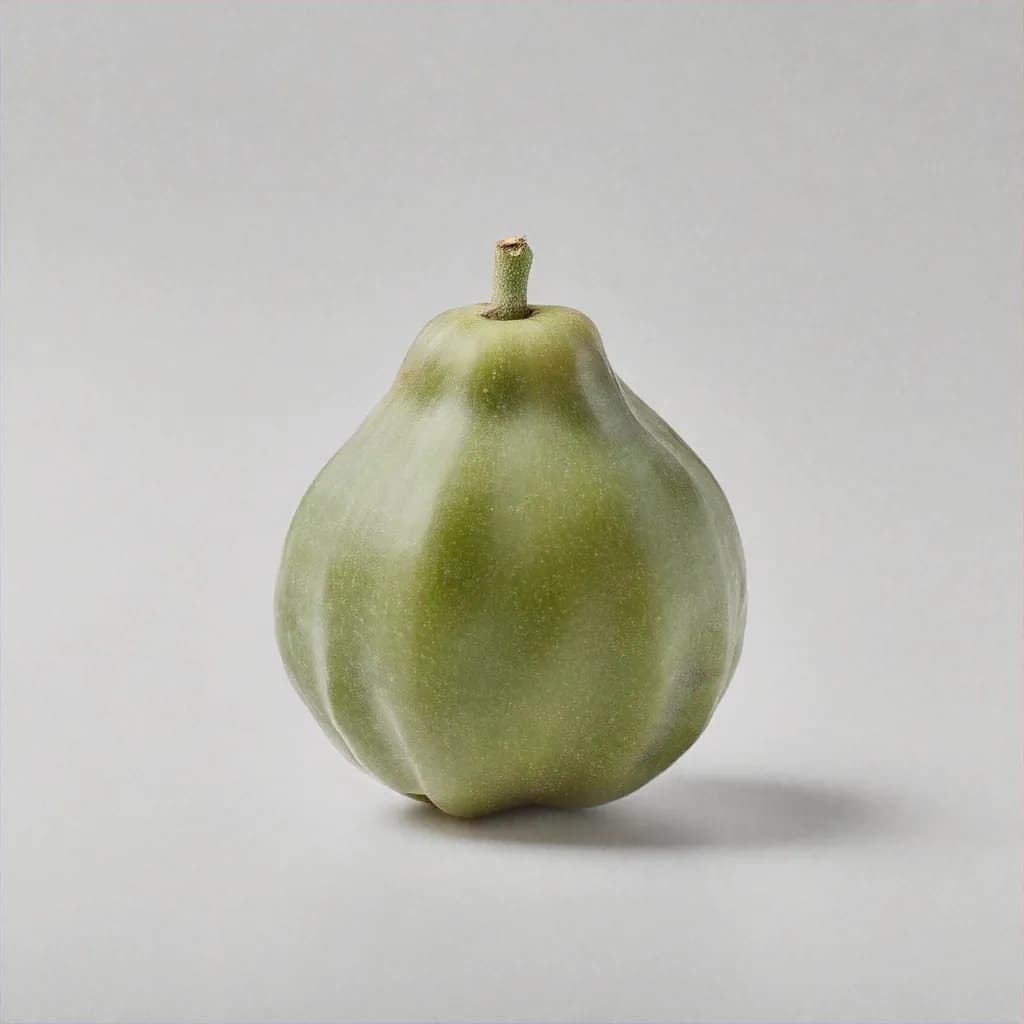
Madhuca longifolia
Mahua is a distinctive Indian superfruit and traditional food source with exceptional nutritional properties and cultural significance. Also called Indian butter tree or mahua flower, mahua delivers excellent carbohydrates (70% DV per 100g), good vitamin B1 (8% DV), and comprehensive minerals. At 135 calories per 100g with 12% water content and versatile culinary applications, mahua is deeply valued in Indian traditional medicine, tribal cuisines, and contemporary wellness practices. Perfect for traditional preparations, nutritious beverages, energy support, and comprehensive holistic wellness.
Explore Mahua in stunning detail
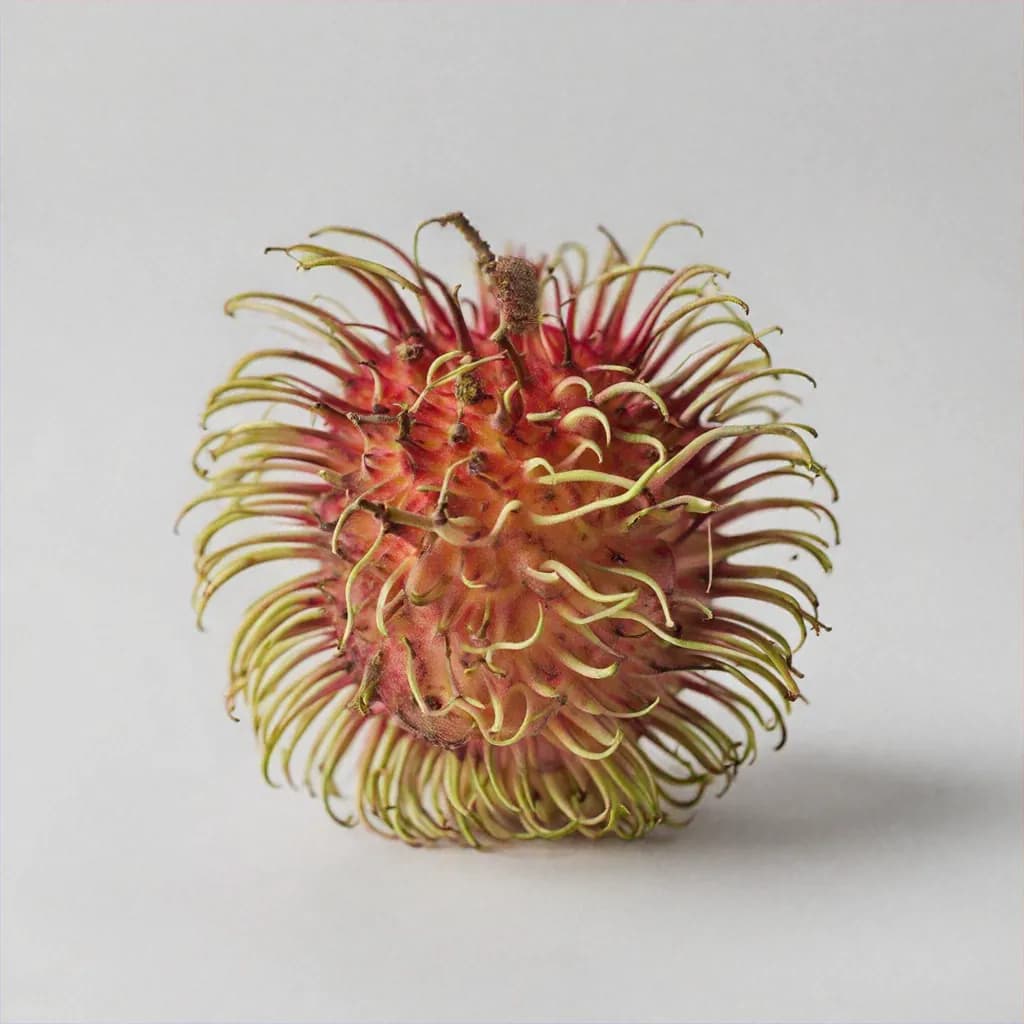
Mahua - Main View
Per 100g
Per 100g
Nutrition breakdown for one serving
India
Mahua (Madhuca longifolia) originated in India, particularly in central and eastern regions, where it has been a traditional food source for tribal communities for thousands of years. Known as the Indian butter tree or mahua flower, mahua represents the rich botanical and cultural heritage of tribal India. The fruit and flowers have been central to tribal cuisine, traditional medicine, and sustainable food practices for centuries and continue to be highly valued in contemporary wellness practices, food security, and cultural preservation.
Peak season March-April (flowering)
Each variety offers unique flavors, textures, and culinary applications
Keep your fruit fresh and delicious for longer
Select mahua flowers/fruit that are light golden to amber in color
Choose dried mahua with no visible mold, discoloration, or deterioration
Look for sweet, distinctive mahua fragrance indicating quality
Inspect for debris or foreign material before purchasing
Fresh flowers should be purchased during peak season (March-April)
Dried mahua should feel dry and crisp to the touch without moisture
Store dried mahua in airtight containers in cool, dry location
Keep away from direct sunlight to preserve nutrients and quality
Refrigerate dried mahua for extended shelf life (up to 1 year)
Do not expose to moisture or high humidity to prevent mold
Fresh mahua flowers should be consumed or dried within 1-2 days
Freeze fresh flowers for extended storage up to 6 months
Preserve freshness for months
Gently wash fresh mahua flowers and dry thoroughly before freezing
Freeze whole flowers on parchment-lined trays for 2-3 hours
Transfer frozen flowers to freezer bags for convenient storage
Alternatively, blend into paste and freeze in ice cube trays
Frozen mahua maintains quality for 6-8 months
Thaw in refrigerator before use in traditional or contemporary preparations
Label frozen items with the date to track freshness. Most fruits maintain quality for 2-3 months when properly frozen. For best results, use airtight containers or freezer bags to prevent freezer burn.
Discover delicious possibilities
Mahua allergies are rare. Some individuals may have sensitivity to seasonal flowers or specific plant families.
Purchase mahua from reputable Indian producers specializing in traditional tribal-sourced foods. Most mahua is sustainably wild-harvested with minimal pesticides. Choose certified, organically sourced products from trusted suppliers supporting tribal communities.
Surprising trivia you'll love!
Mahua is called the Indian butter tree because it has traditionally been used to produce a butter-like cooking ingredient
The fruit and flowers have been a staple food for tribal communities in central and eastern India for thousands of years
Mahua trees produce abundant flowering in March-April, creating spectacular displays across Indian forests and tribal regions
The fruit's natural carbohydrate content (70% DV) makes it an exceptional natural energy food without processing
Traditional tribal communities dry mahua flowers for year-round food security and nutritional support
Mahua represents a sustainable, forest-based food source supporting tribal livelihoods and food security
The fruit contains no artificial additives or processing, making it pure traditional superfood
Modern research increasingly validates mahua's exceptional energy-supporting and nutritional properties
Mahua is gaining recognition as a premium superfruit in contemporary wellness and nutrition circles
The fruit's deep cultural significance makes it valuable for preserving tribal food traditions and cultural heritage
Mahua (Madhuca longifolia) is a distinctive Indian superfruit native to central and eastern India. Also called Indian butter tree or mahua flower, mahua delivers excellent carbohydrates (70% DV per 100g), outstanding magnesium (15% DV), exceptional copper (20% DV), and comprehensive B-vitamins. The fruit has been a traditional food source for tribal communities for thousands of years.
Mahua delivers excellent carbohydrates (70% DV per 100g) for sustained energy, outstanding magnesium (15% DV) for muscle health, exceptional copper (20% DV) for immune function, strong B-vitamin complex for energy metabolism, potassium (8% DV) for heart health, and fiber (9% DV) for digestion. At 135 calories per 100g, mahua provides exceptional nutritional benefits.
Mahua is called the Indian butter tree because the fruit and flowers have traditionally been used to produce a butter-like substance used in cooking and traditional applications. The tree represents a sustainable, nutritious food source that has been central to tribal cuisines and food security in India for thousands of years.
Yes, mahua is outstanding for energy support with excellent carbohydrate content (70% DV per 100g), strong B-vitamin complex (B1, B3, B5, B9) supporting energy metabolism, magnesium (15% DV) supporting muscle function, and traditional applications for endurance. The comprehensive nutrient profile makes mahua ideal for sustained energy and vitality.
Mahua is traditionally consumed fresh during the flowering season (March-April) or dried for year-round use. Tribal communities prepare mahua as a dried snack, blend with honey and jaggery for energy balls, ferment for beverages, or prepare as traditional dishes. The flowers and fruit are also used in traditional Ayurvedic medicine preparations.
Mahua has a moderate glycemic index of 55 and glycemic load of 16 per 100g serving. While moderately high in natural sugars, the fiber content (9% DV) and B-vitamin complex support steady energy metabolism and blood sugar management when consumed as part of balanced nutrition.
Dried mahua flowers are available at Indian markets, specialty food shops, natural food retailers, and online vendors specializing in tribal and traditional Indian foods. Fresh mahua flowers are seasonal (March-April) and available at Indian farmers markets. Year-round options include dried flowers, mahua powder, and mahua-based products.
Eat dried mahua flowers as a snack directly or blend with honey and jaggery for energy balls. Steep in hot water for traditional tea or infusion. Blend into smoothies with milk and honey for contemporary beverages. Prepare traditional laddoo (energy balls) with sesame, ghee, and honey. The distinctive caramel-like sweetness pairs beautifully with warm spices.
Sustainability insights
Mahua cultivation supports Indian tribal communities, forest preservation, and sustainable food practices. Support ethically sourced mahua from certified sources honoring tribal harvesting practices and forest conservation.
Locally sourced mahua has minimal carbon footprint. Purchase directly from tribal producers or certified vendors to reduce transportation impact and support tribal livelihoods.
Mahua cultivation in Indian forests utilizes natural rainfall patterns. The sustainable, forest-based production requires minimal water intervention and supports ecosystem health.
Purchase from Indian tribal producers to support indigenous communities, maintain cultural food practices, preserve traditional knowledge, preserve tribal forests, and minimize global carbon footprint.
We aim to keep this Mahua profile accurate and easy to understand. Nutrition values and % Daily Value figures are based on established reference databases and standard daily value guidance.
Last updated: September 18, 2026
Medical disclaimer
This page is for general educational purposes and does not replace professional medical advice.
Found an issue? Contact us.