Loading Fruit Details...
Please wait while we fetch nutritional information and health benefits
Please wait while we fetch nutritional information and health benefits
Recommended Products
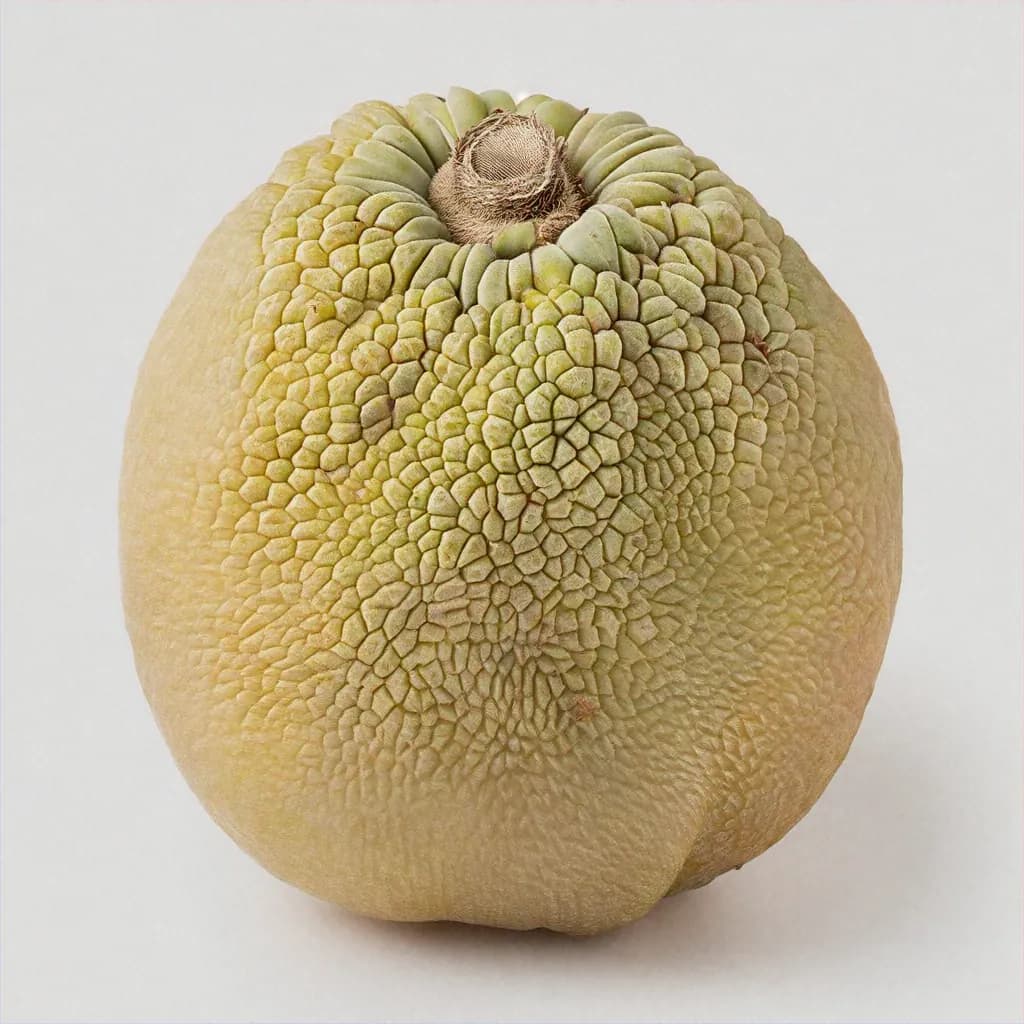
Kunzea pomifera
Muntries are a rare Australian native superfruit known for their intense apple-cranberry flavor, exceptional antioxidant capacity, and impressive vitamin C content. Often called native cranberries, muntries deliver powerful polyphenols, anthocyanins, and dietary fiber that support immune health, gut wellness, and cellular protection. With low calories, low sugar, and a strong phytochemical profile, muntries are highly valued in functional nutrition, indigenous bush food traditions, and modern wellness applications. Their unique tart-sweet taste makes them ideal for sauces, jams, desserts, and antioxidant-rich recipes.
Explore Muntries in stunning detail
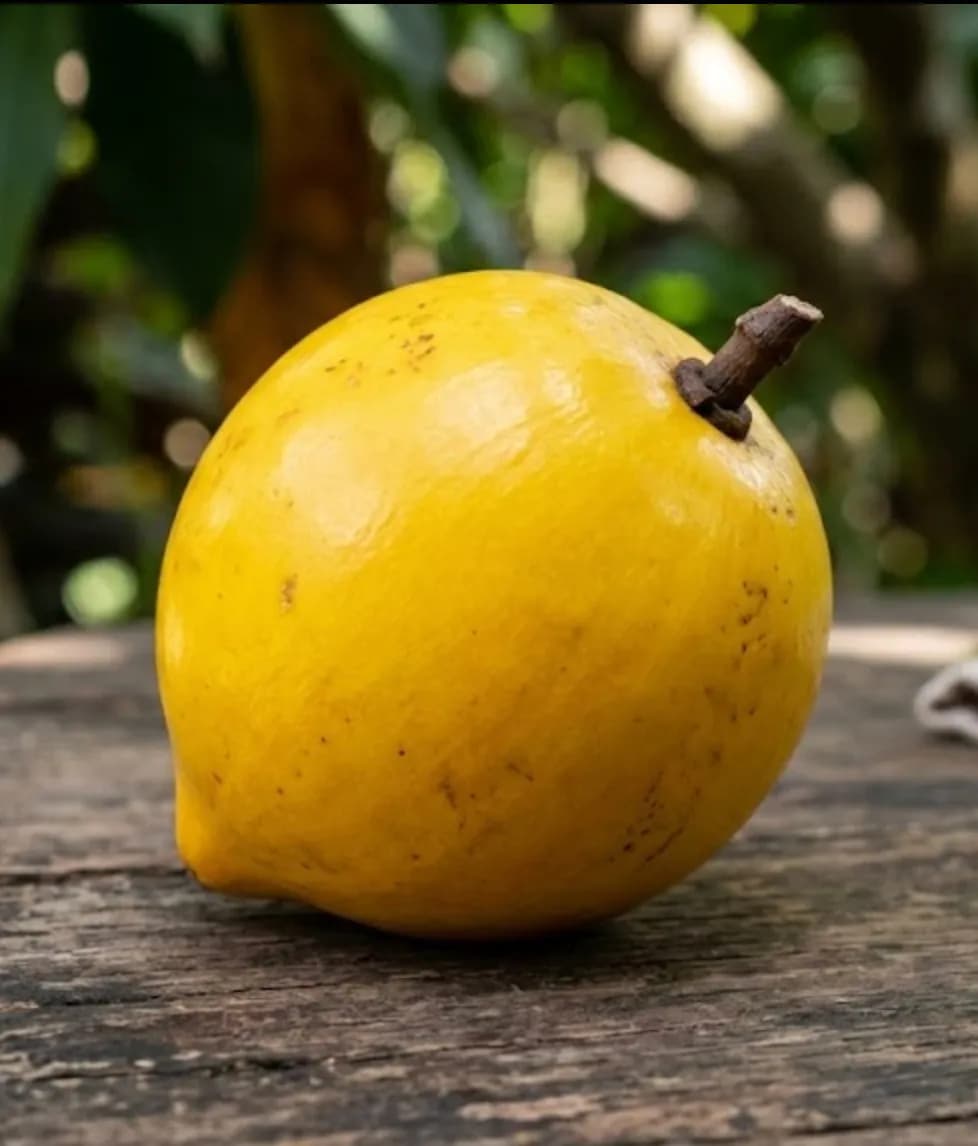
Muntries - Main View
Per 100g
Per 100g
Nutrition breakdown for one serving
Southern Australia
Muntries have been consumed for thousands of years by Indigenous Australians, particularly in southern regions. Traditionally eaten fresh or dried, muntries were valued for their long shelf life, tart flavor, and medicinal properties. Today, muntries are cultivated sustainably and used in gourmet cuisine, functional foods, and wellness products.
Late summer to early autumn
Each variety offers unique flavors, textures, and culinary applications
Keep your fruit fresh and delicious for longer
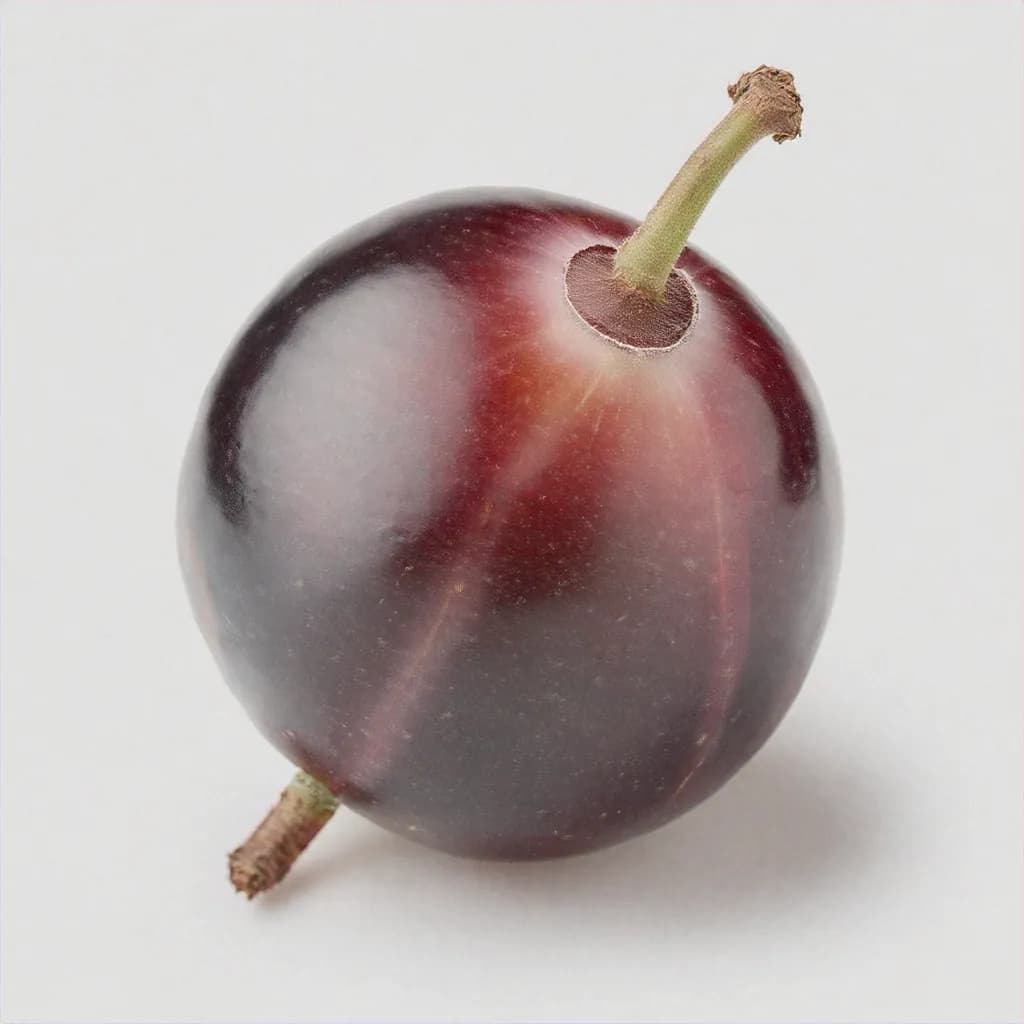
Select firm berries with deep purple-red color
Avoid shriveled or moldy fruit
Choose sustainably grown or wild-harvested sources
Refrigerate fresh muntries immediately
Store in airtight container
Use within 7–10 days fresh
Preserve freshness for months
Freeze whole berries on tray before bagging
Frozen muntries last up to 6 months
Ideal for sauces and baking
Label frozen items with the date to track freshness. Most fruits maintain quality for 2-3 months when properly frozen. For best results, use airtight containers or freezer bags to prevent freezer burn.
Discover delicious possibilities
Allergies are rare but possible in sensitive individuals.
Wild and sustainably farmed muntries have minimal pesticide exposure.
Surprising trivia you'll love!
Muntries are sometimes called Australia’s native cranberry
They were traditionally dried for long-term storage
Muntries have one of the highest antioxidant levels among native fruits
The plant is a creeping groundcover shrub
Muntries are now used in high-end Australian cuisine
Muntries are a native Australian superfruit (Kunzea pomifera), often called native cranberries, known for their tart-sweet flavor and high antioxidant content.
Muntries have a sharp, tangy flavor similar to cranberries or green apples, with a slightly sweet finish when fully ripe.
Yes, muntries are rich in vitamin C and antioxidants, which help support immune function and protect the body from oxidative stress.
Yes, muntries contain powerful antioxidants including anthocyanins, polyphenols, and flavonoids that help protect cells from damage.
Yes, muntries provide dietary fiber that supports digestion, gut health, and healthy bowel function when consumed in moderation.
Yes, muntries have a low glycemic index and low natural sugar content, making them suitable for people with diabetes when eaten in controlled portions.
Yes, muntries can be eaten raw, but their intense tartness means they are more commonly enjoyed cooked, dried, or sweetened.
Muntries have traditionally been eaten fresh or dried by Indigenous Australians and used as a long-lasting bush food for nutrition and wellness.
Yes, muntries freeze very well and can be stored frozen for several months without significant loss of flavor or nutritional value.
Yes, muntries are generally safe for children when properly washed and served in appropriate portions, though their sour taste may be strong for young palates.
Sustainability insights
Muntries cultivation supports Indigenous food systems and sustainable agriculture.
Low when locally sourced within Australia.
Low water requirement compared to commercial berries.
Locally sourced muntries have minimal environmental impact.
We aim to keep this Muntries profile accurate and easy to understand. Nutrition values and % Daily Value figures are based on established reference databases and standard daily value guidance.
Last updated: August 31, 2026
Medical disclaimer
This page is for general educational purposes and does not replace professional medical advice.
Found an issue? Contact us.