Loading Fruit Details...
Please wait while we fetch nutritional information and health benefits
Please wait while we fetch nutritional information and health benefits
Recommended Products
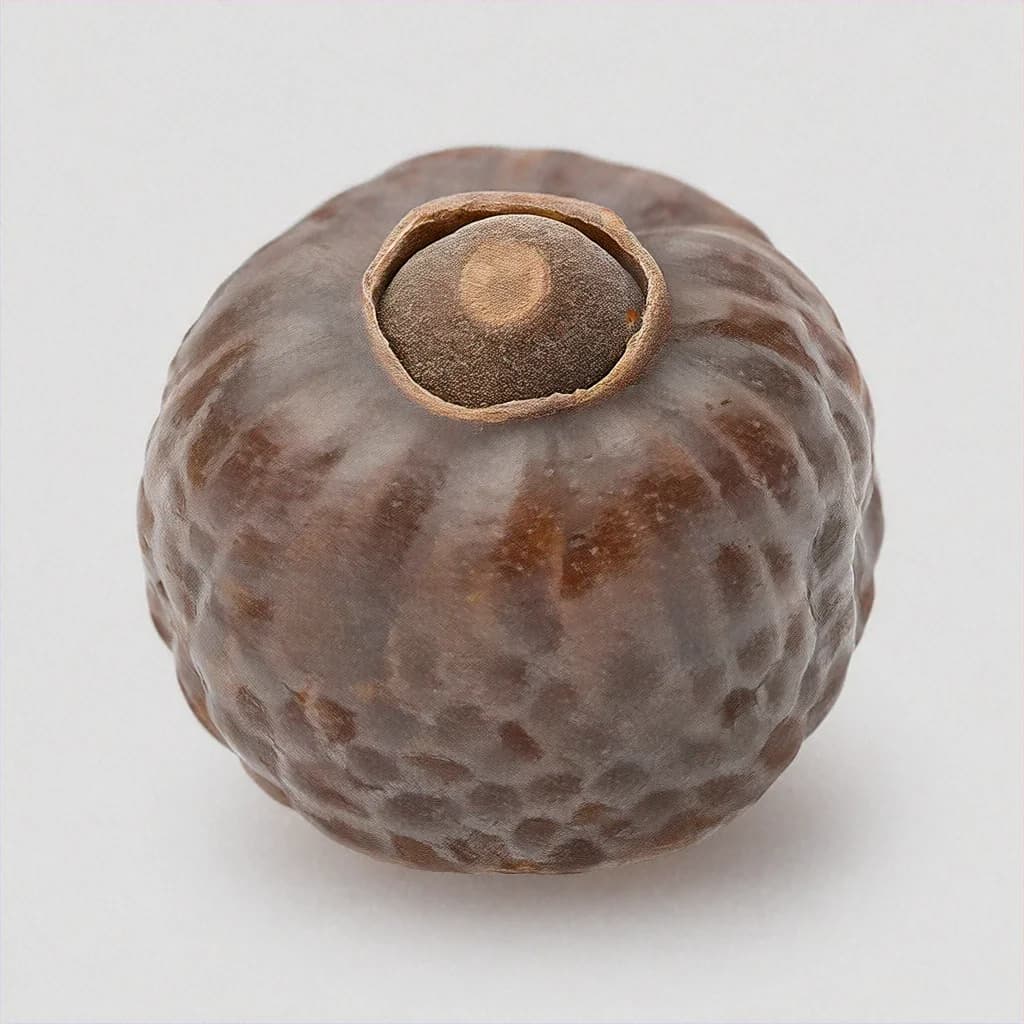
Pimenta dioica
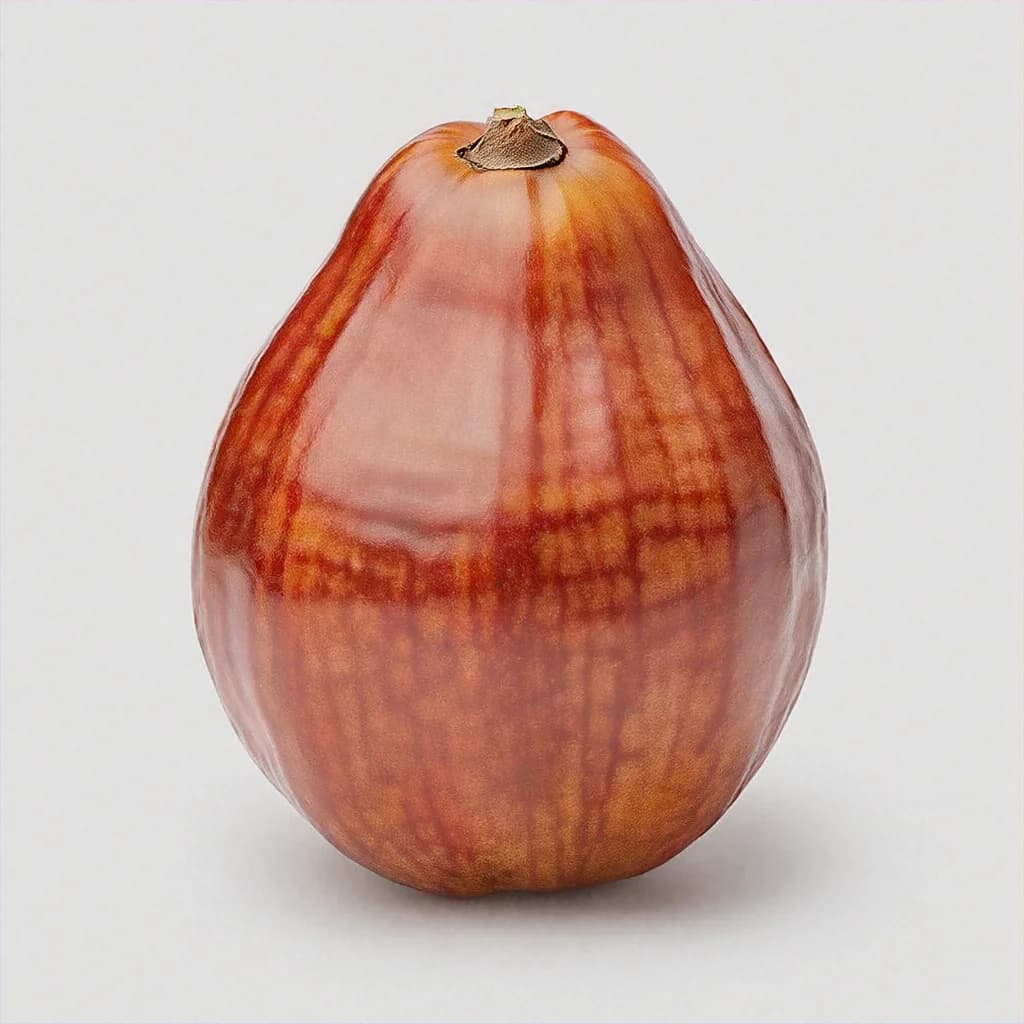
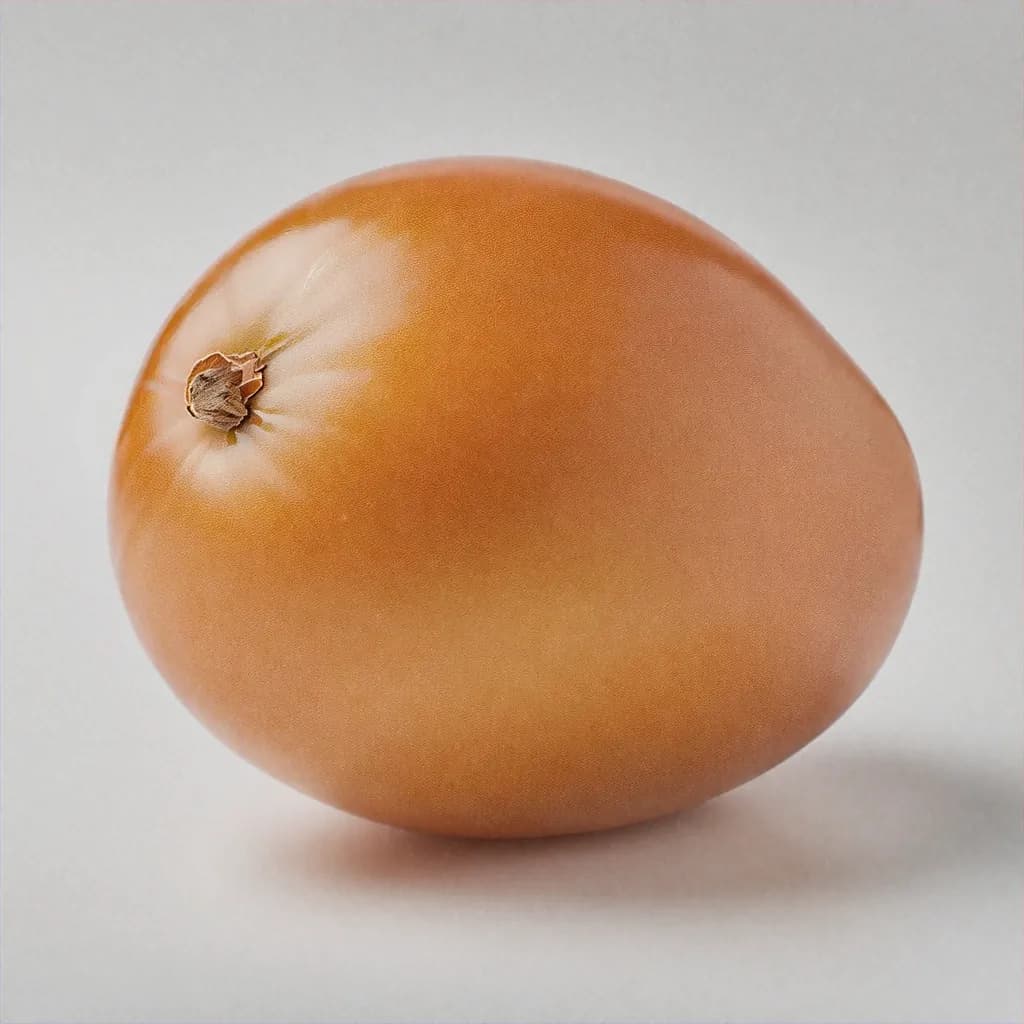
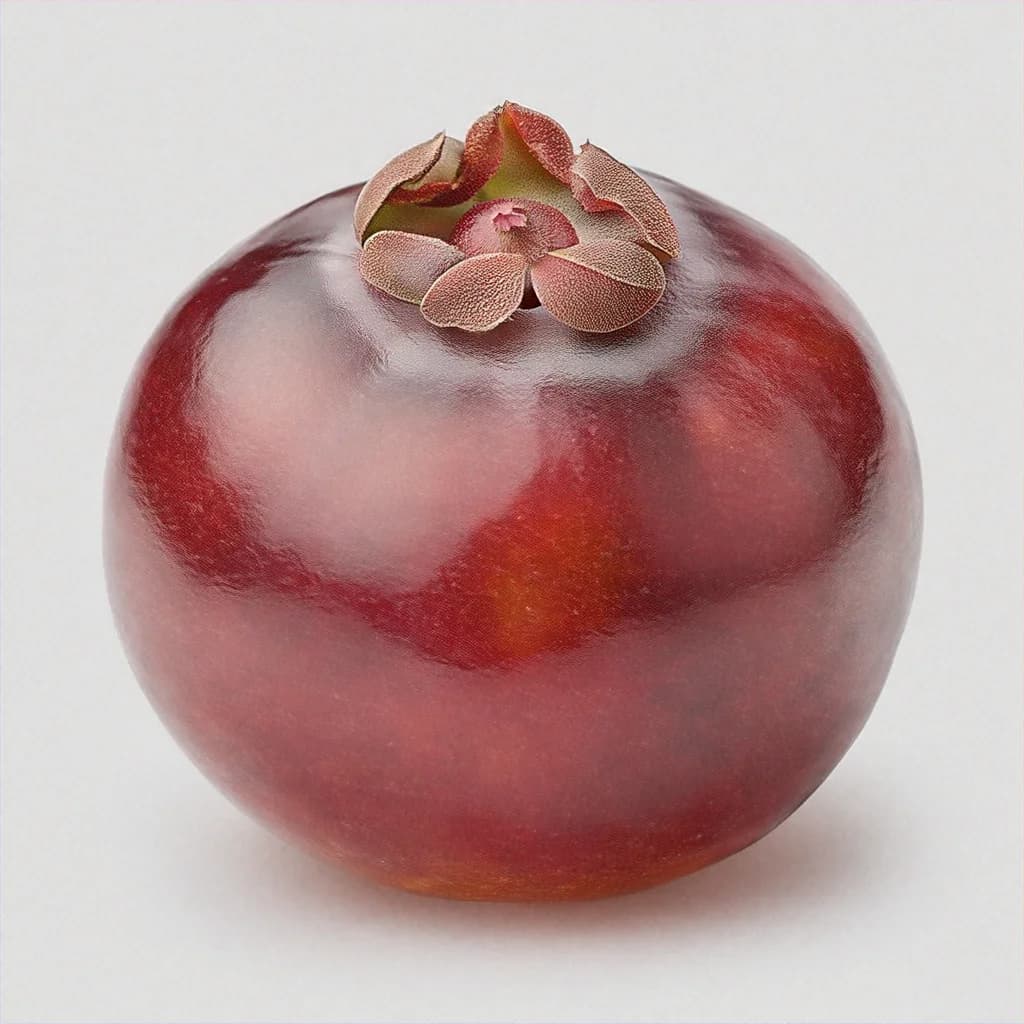
The Allspice Berry, derived from the Pimenta dioica tree, is a tropical treasure renowned for its unique flavor profile that combines the warmth of cinnamon, nutmeg, and cloves. Native to the Caribbean and Central America, these small, green berries turn brown upon drying, releasing their signature aromatic oils. Allspice is not only a culinary staple but also a potent medicinal herb, rich in antioxidants and phytonutrients that support digestive health, reduce inflammation, and offer anti-microbial benefits. Its versatility in both sweet and savory dishes makes it a must-have in global cuisines, while its subtle spicy-sweet notes add depth to beverages, baked goods, and marinades.
Explore Allspice Berry in stunning detail
Allspice Berry - Main View
Per 100g
Per 100g
Nutrition breakdown for one serving
Caribbean and Central America
Allspice was first discovered by Christopher Columbus during his second voyage to the Americas in 1494. It was later named 'pimenta' by the Spanish, who mistook it for a type of pepper. The berry became a valued spice in European cuisine during the 16th century.
Harvested year-round in tropical regions
Each variety offers unique flavors, textures, and culinary applications
Keep your fruit fresh and delicious for longer
Look for whole, dried berries with a strong aroma.
Avoid berries that are moldy or have a rancid smell.
Store whole berries in an airtight container in a cool, dark place.
Ground allspice should be stored in the refrigerator to retain freshness.
Preserve freshness for months
Freezing is not recommended for allspice berries, as it may degrade their flavor.
Label frozen items with the date to track freshness. Most fruits maintain quality for 2-3 months when properly frozen. For best results, use airtight containers or freezer bags to prevent freezer burn.
Discover delicious possibilities
Allspice is generally safe for most people, but allergic reactions are possible in sensitive individuals.
Allspice is typically grown with minimal pesticide use, but organic options are available.
Surprising trivia you'll love!
Allspice was once believed to be a type of pepper, hence its name 'pimenta' in Spanish.
The berries are harvested before they ripen and are dried to enhance their flavor.
Allspice has a unique flavor that combines notes of cinnamon, nutmeg, and cloves, with a slight peppery warmth.
Fresh allspice berries should have a strong, aromatic scent and be free of mold or rancidity.
While it can be stored in the pantry, ground allspice retains its flavor better when refrigerated.
Allspice is used in marinades, baked goods, stews, and beverages like chai tea and mulled wine.
Allspice is relatively low in calories, with 264 calories per 100 grams. It is typically used in small amounts.
Yes, allspice is rich in antioxidants, fiber, and minerals like iron and calcium, which support digestive health and reduce inflammation.
Yes, allspice is versatile and can be used in both sweet recipes like pumpkin pie and savory dishes like jerk chicken.
Sustainability insights
Allspice is a sustainable crop, as it is typically grown in agroforestry systems that promote biodiversity.
Low, as it is primarily grown in tropical regions with minimal processing.
Moderate, as allspice trees require regular rainfall but are relatively drought-tolerant.
Imported allspice is common, as it is native to specific tropical regions.
We aim to keep this Allspice Berry profile accurate and easy to understand. Nutrition values and % Daily Value figures are based on established reference databases and standard daily value guidance.
Last updated: October 3, 2026
Medical disclaimer
This page is for general educational purposes and does not replace professional medical advice.
Found an issue? Contact us.