
Loading Fruit Details...
Please wait while we fetch nutritional information and health benefits
Please wait while we fetch nutritional information and health benefits
Recommended Products
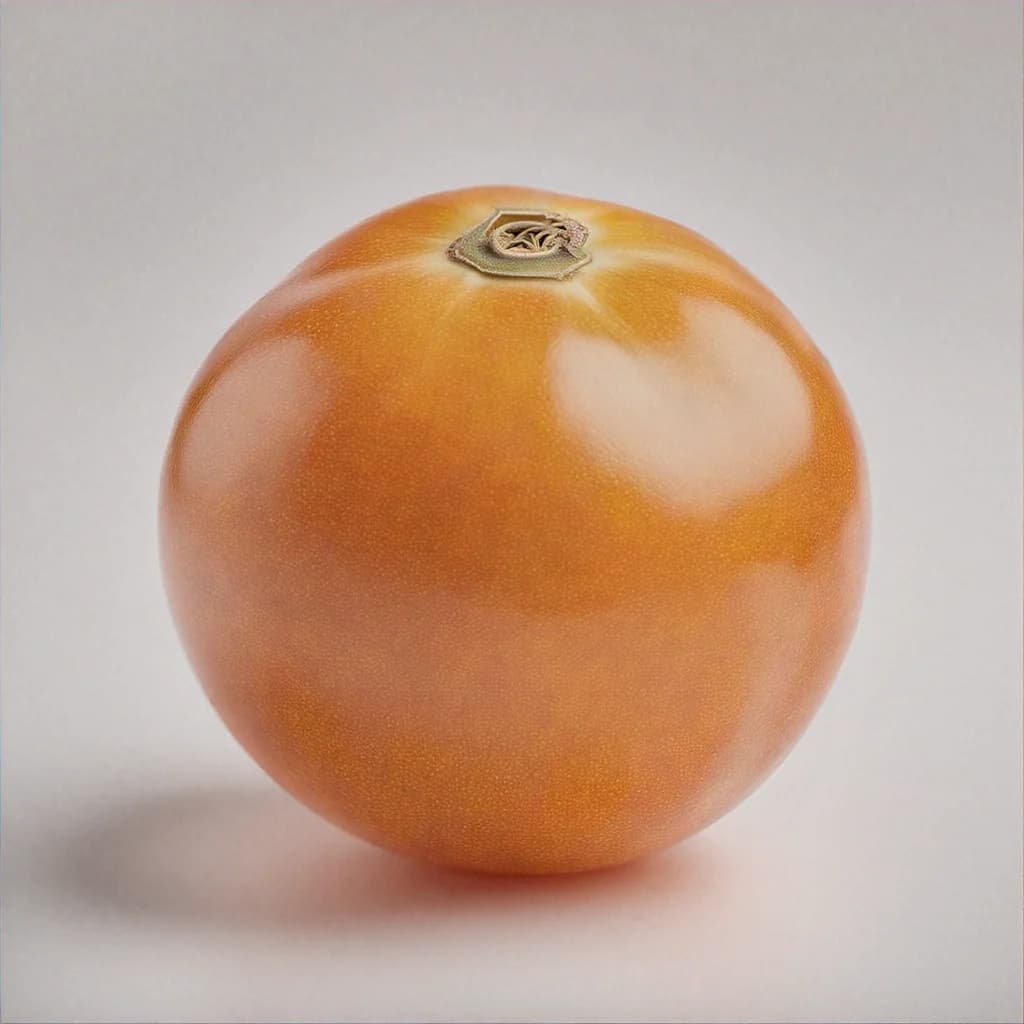
Syzygium spp.
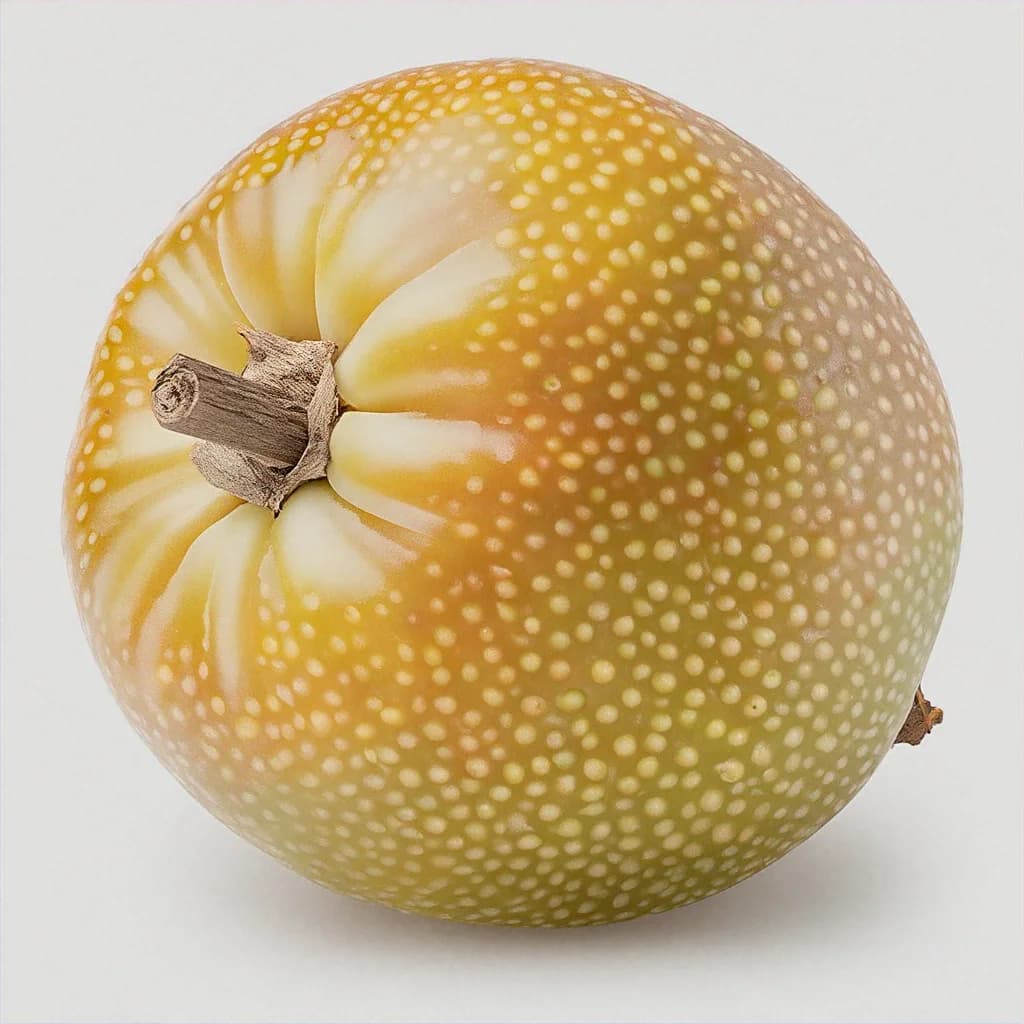
Karom, also known as Syzygium spp., is a tropical fruit native to Southeast Asia, particularly thriving in the lush landscapes of Indonesia and Malaysia. Belonging to the Myrtaceae family, this fruit is celebrated for its vibrant, glossy skin and juicy, succulent flesh. Karom is rich in antioxidants, vitamins, and minerals, making it a nutritional powerhouse. Its flavor profile ranges from sweet to slightly tart, depending on the variety, and it is often enjoyed fresh or used in culinary creations such as jams, juices, and desserts. Beyond its culinary appeal, Karom is revered for its medicinal properties, including its ability to boost immunity, aid digestion, and support cardiovascular health. Its versatility and health benefits make it a beloved fruit in both traditional and modern diets.
Explore Karom in stunning detail
Karom - Main View
Per 100g
Per 100g
Nutrition breakdown for one serving
Southeast Asia
Karom has been cultivated for centuries in Southeast Asia, valued for its nutritional and medicinal properties. It has played a significant role in traditional medicine and local cuisine.
Year-round in tropical regions
Each variety offers unique flavors, textures, and culinary applications
Keep your fruit fresh and delicious for longer
Select Karom fruits that are firm but slightly yielding to gentle pressure.
Look for a vibrant, glossy skin free of blemishes or mold.
Store Karom at room temperature for up to 3 days.
Refrigerate for extended storage, lasting up to 7 days.
Preserve freshness for months
Freeze whole or sliced Karom in an airtight container for up to 3 months.
Thaw in the refrigerator before use.
Label frozen items with the date to track freshness. Most fruits maintain quality for 2-3 months when properly frozen. For best results, use airtight containers or freezer bags to prevent freezer burn.
Discover delicious possibilities
Karom is generally considered safe for most individuals, but allergy to Syzygium spp. is rare.
Ensure to wash Karom thoroughly before consumption to remove any pesticide residues.
Surprising trivia you'll love!
Karom is often referred to as the 'wax apple' due to its glossy appearance.
In traditional medicine, Karom is used to treat digestive issues and fever.
Karom has a sweet and slightly tart flavor, similar to a combination of berries and apples.
Ripe Karom will be firm but slightly yielding to gentle pressure, with vibrant, glossy skin.
Yes, you can freeze whole or sliced Karom in an airtight container for up to 3 months.
Karom is often used in jams, juices, desserts, and salads.
Karom contains natural sugars, with approximately 12g per 100g serving.
Yes, Karom is rich in antioxidants and vitamins, supporting immunity, digestion, and cardiovascular health.
Karom is available in specialty grocery stores, Asian markets, and online retailers.
Sustainability insights
Karom is typically grown using sustainable farming practices in its native regions.
Local consumption has a lower carbon footprint compared to imported varieties.
Moderate water usage is required for Karom cultivation.
Locally sourced Karom is more eco-friendly due to reduced transportation emissions.
We aim to keep this Karom profile accurate and easy to understand. Nutrition values and % Daily Value figures are based on established reference databases and standard daily value guidance.
Last updated: October 7, 2026
Medical disclaimer
This page is for general educational purposes and does not replace professional medical advice.
Found an issue? Contact us.
.webp&w=3840&q=75)