Loading Fruit Details...
Please wait while we fetch nutritional information and health benefits
Please wait while we fetch nutritional information and health benefits
Recommended Products
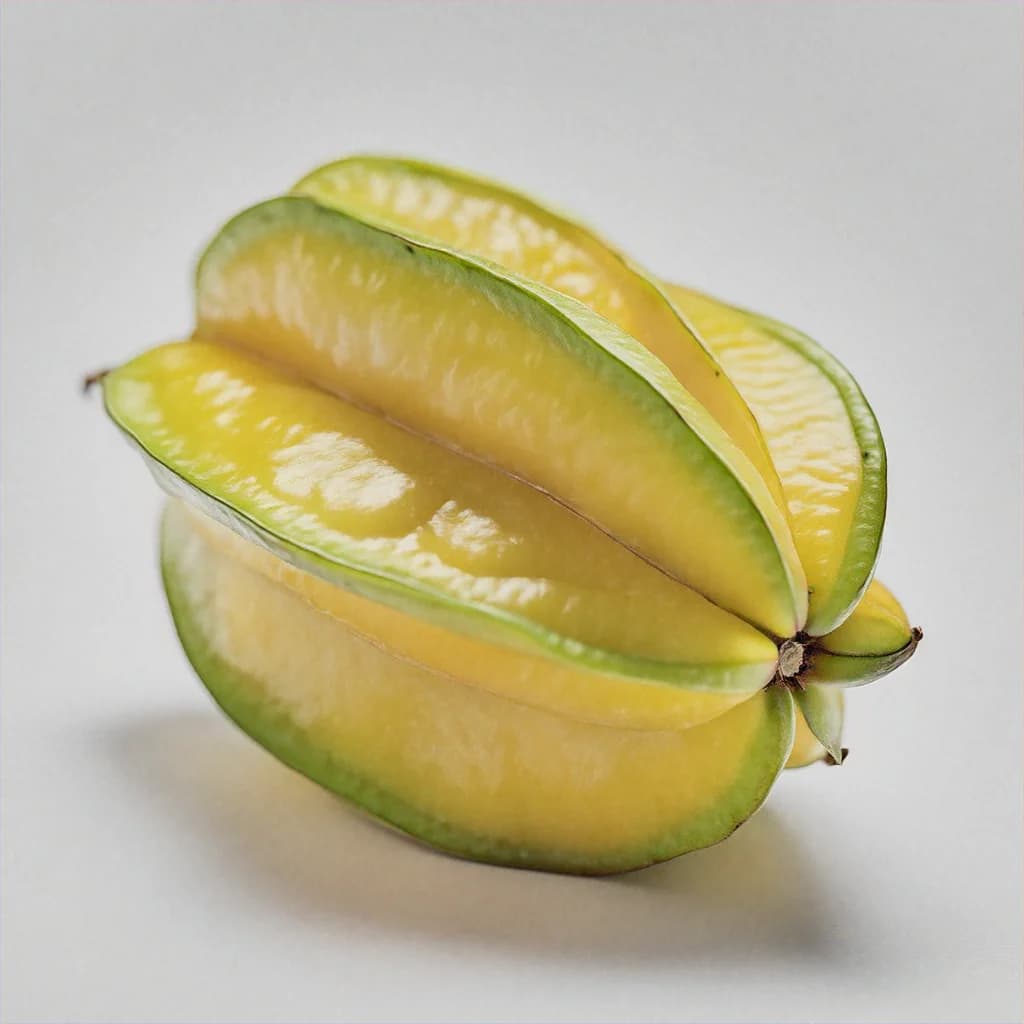
Pentadesma butyracea
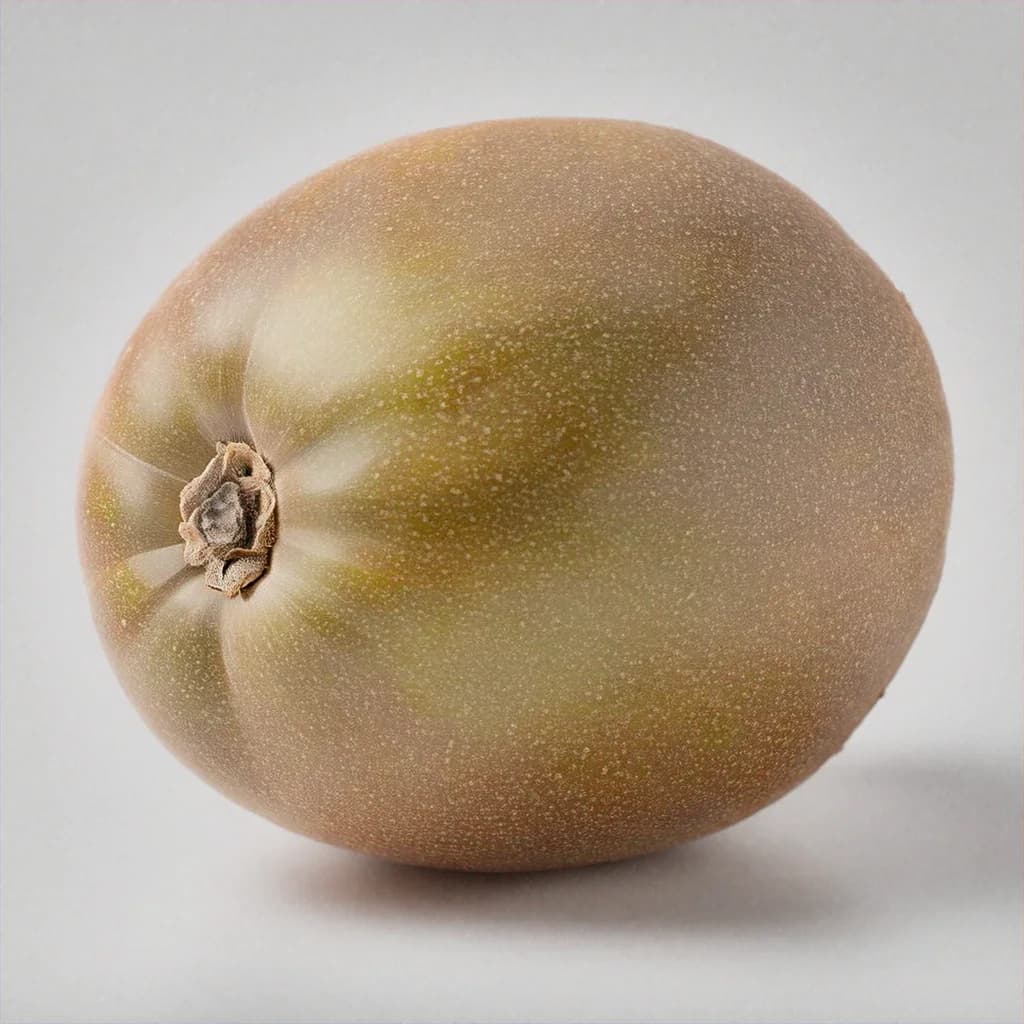
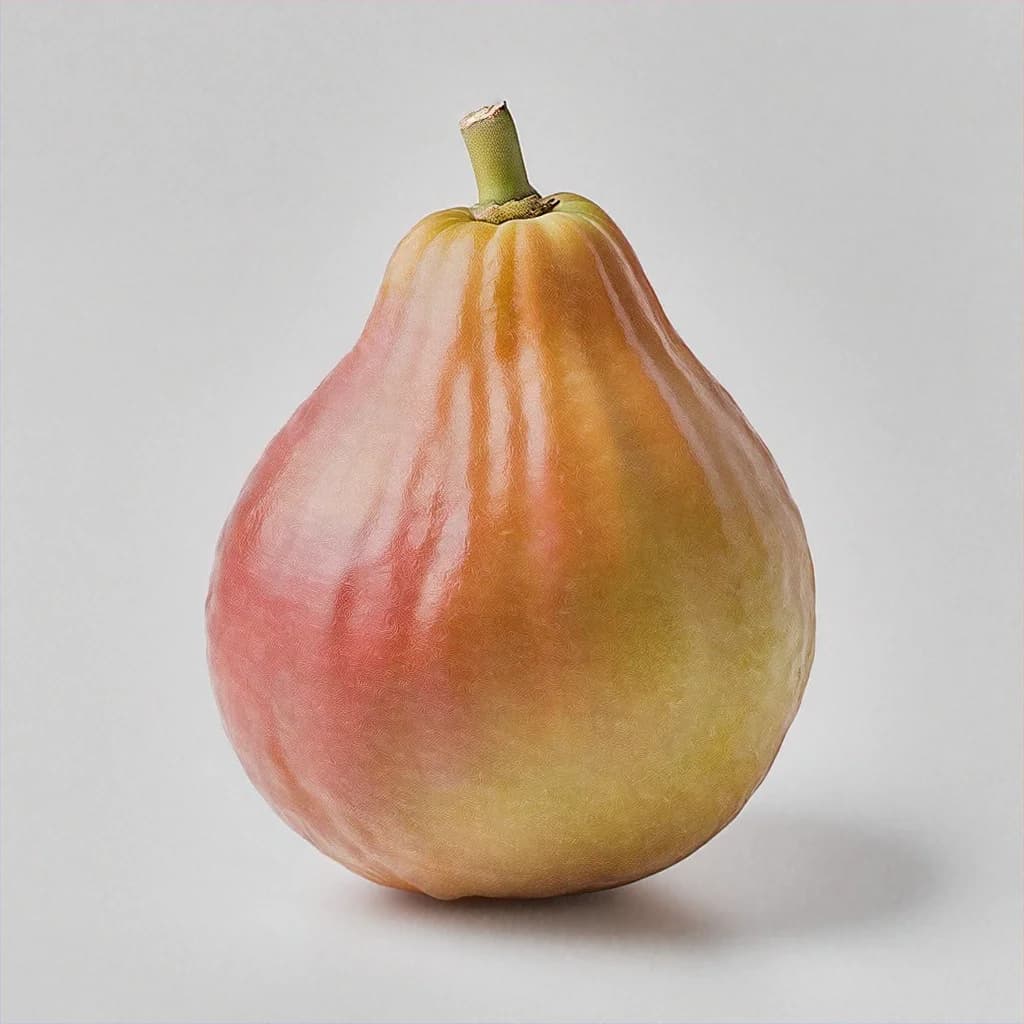
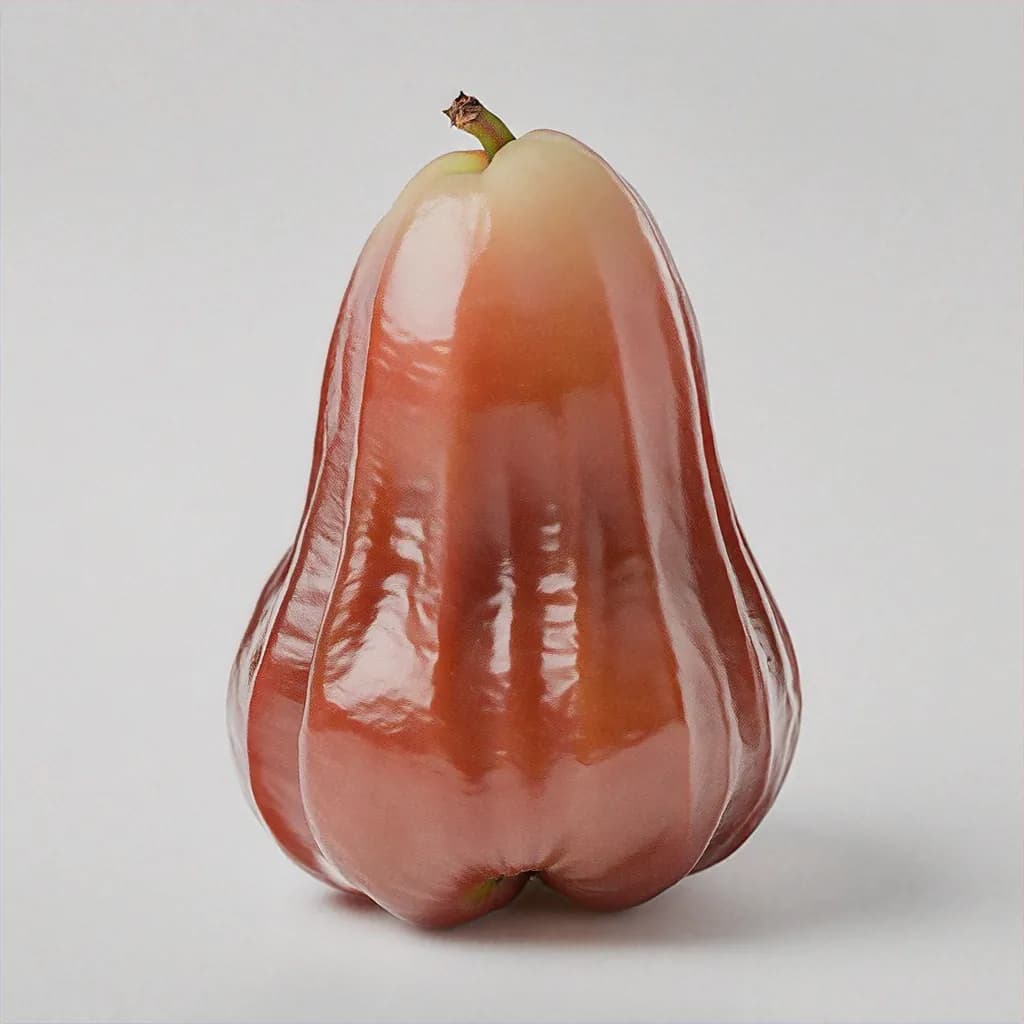
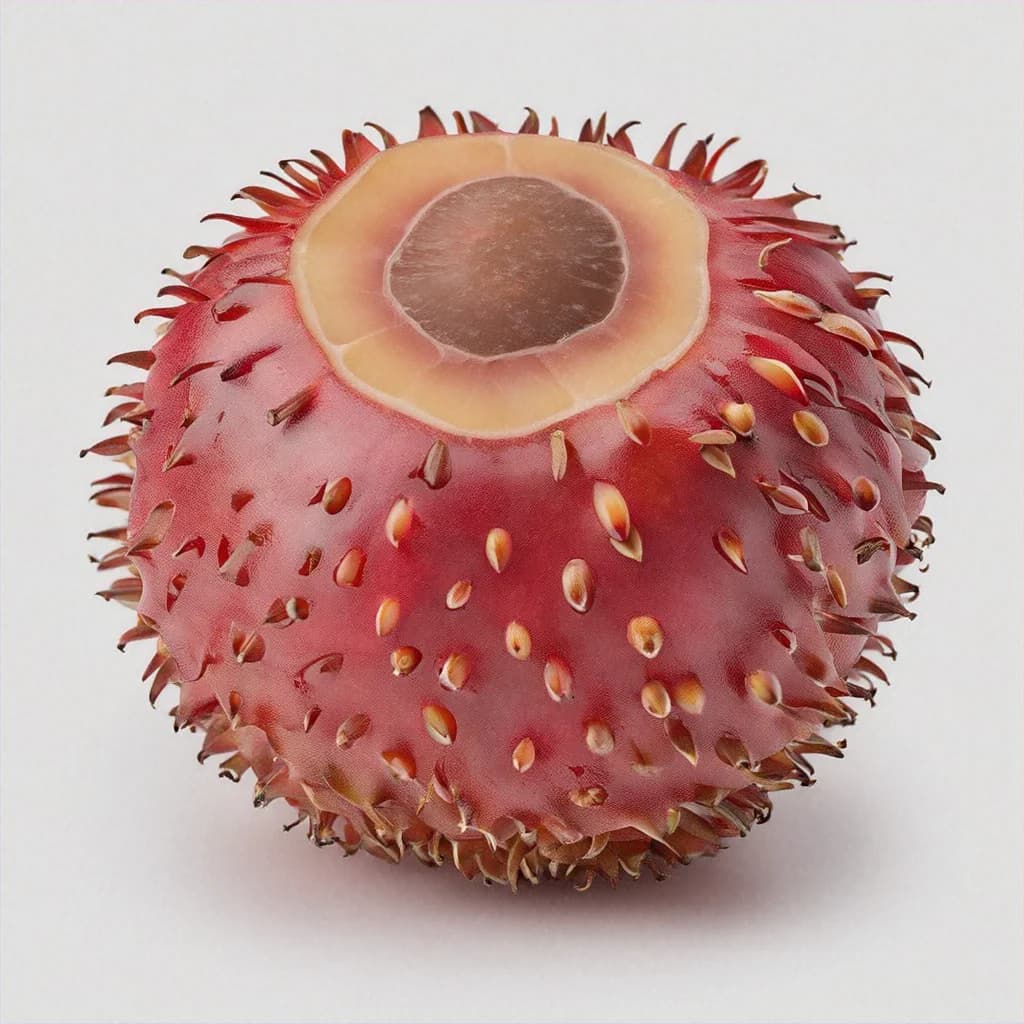
The African Starfruit, scientifically known as Pentadesma butyracea, is a tropical delight hailing from West Africa. This exotic fruit boasts a unique star-shaped appearance when cut crosswise, lending it its name. Its flesh is juicy, sweet, and slightly tangy, offering a refreshing burst of flavor. Beyond its culinary appeal, the African Starfruit is celebrated for its nutritional richness, packed with vitamins, minerals, and antioxidants. It is often enjoyed raw, added to salads, or blended into smoothies and beverages. Its versatility and health benefits make it a sought-after ingredient in traditional and modern cuisines alike.
Explore African Starfruit in stunning detail
African Starfruit - Main View
Per 100g
Per 100g
Nutrition breakdown for one serving
West Africa
The African Starfruit has been a staple in West African diets for centuries, valued for its nutritional content and medicinal properties. It has been used in traditional remedies for digestive issues and skin ailments.
Late summer to early autumn
Each variety offers unique flavors, textures, and culinary applications
Keep your fruit fresh and delicious for longer
Look for firm, brightly colored fruits with no bruises.
Avoid overly soft or shriveled specimens.
Store at room temperature for up to 3 days.
Refrigerate for extended freshness, up to 7 days.
Preserve freshness for months
Freeze sliced or pureed fruit in airtight containers.
Use frozen starfruit within 6 months for best quality.
Label frozen items with the date to track freshness. Most fruits maintain quality for 2-3 months when properly frozen. For best results, use airtight containers or freezer bags to prevent freezer burn.
Discover delicious possibilities
African Starfruit is generally considered safe, but individuals with allergies to related plants should exercise caution.
Organic varieties are recommended to minimize pesticide exposure.
Surprising trivia you'll love!
African Starfruit gets its name from its star-shaped cross-section.
It is often referred to as the 'tropical apple' due to its crisp texture and mild sweetness.
African Starfruit has a sweet and tangy flavor, similar to a combination of apple and citrus.
A ripe African Starfruit will have a firm texture with a slight give when gently pressed. The color should be bright yellow with greenish tints.
Yes, you can freeze African Starfruit by slicing or pureeing it and storing it in airtight containers.
African Starfruit can be eaten raw, blended into smoothies, or added to fruit salads and beverages.
No, African Starfruit is low in calories, making it a healthy snack option.
Yes, African Starfruit is rich in Vitamin C, fiber, potassium, and antioxidants, offering numerous health benefits.
Yes, African Starfruit has been used in traditional remedies for digestive issues and skin ailments.
Sustainability insights
African Starfruit is a sustainable crop, requiring minimal water and pesticides.
Low carbon footprint due to minimal processing and local consumption.
Moderate water usage, primarily from natural rainfall.
Locally grown African Starfruit is more sustainable and supports regional economies.
We aim to keep this African Starfruit profile accurate and easy to understand. Nutrition values and % Daily Value figures are based on established reference databases and standard daily value guidance.
Last updated: October 1, 2026
Medical disclaimer
This page is for general educational purposes and does not replace professional medical advice.
Found an issue? Contact us.