Loading Fruit Details...
Please wait while we fetch nutritional information and health benefits
Please wait while we fetch nutritional information and health benefits
Recommended Products
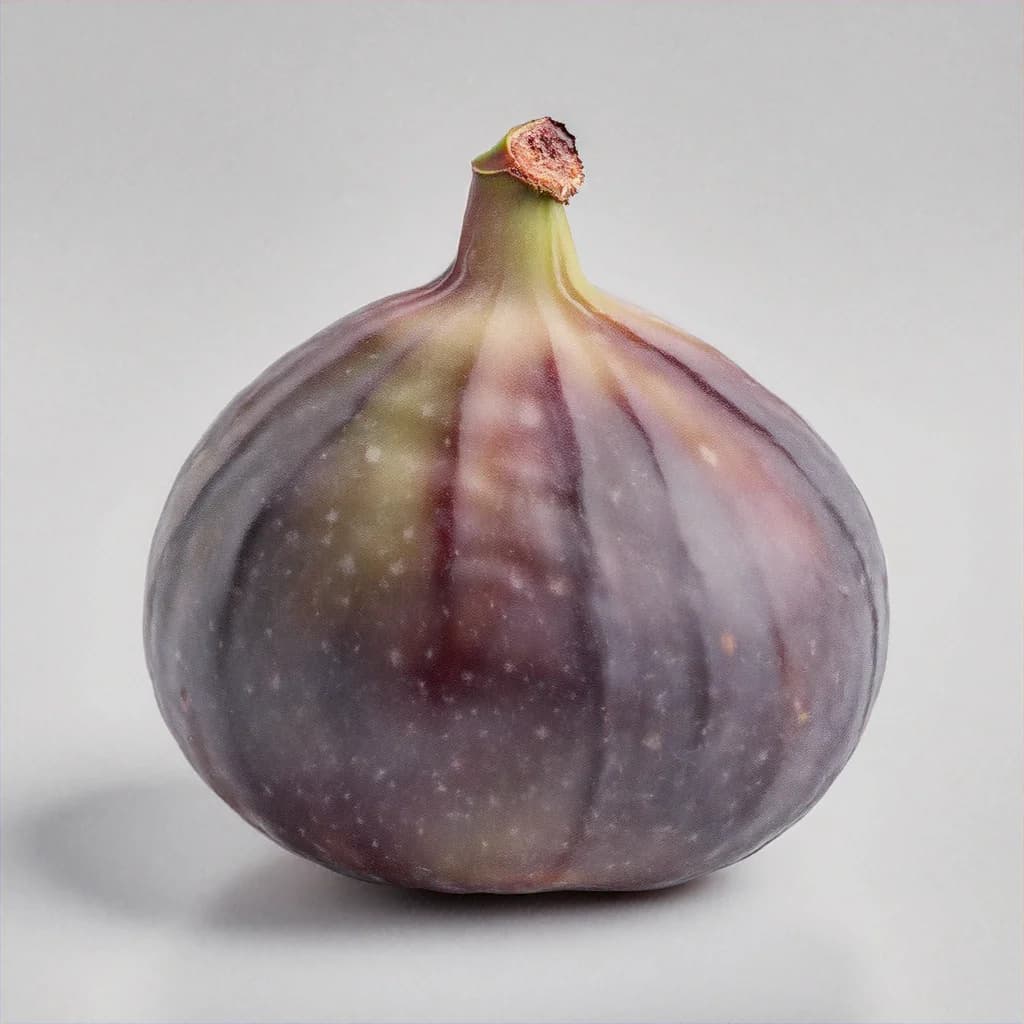
Ficus sycomorus
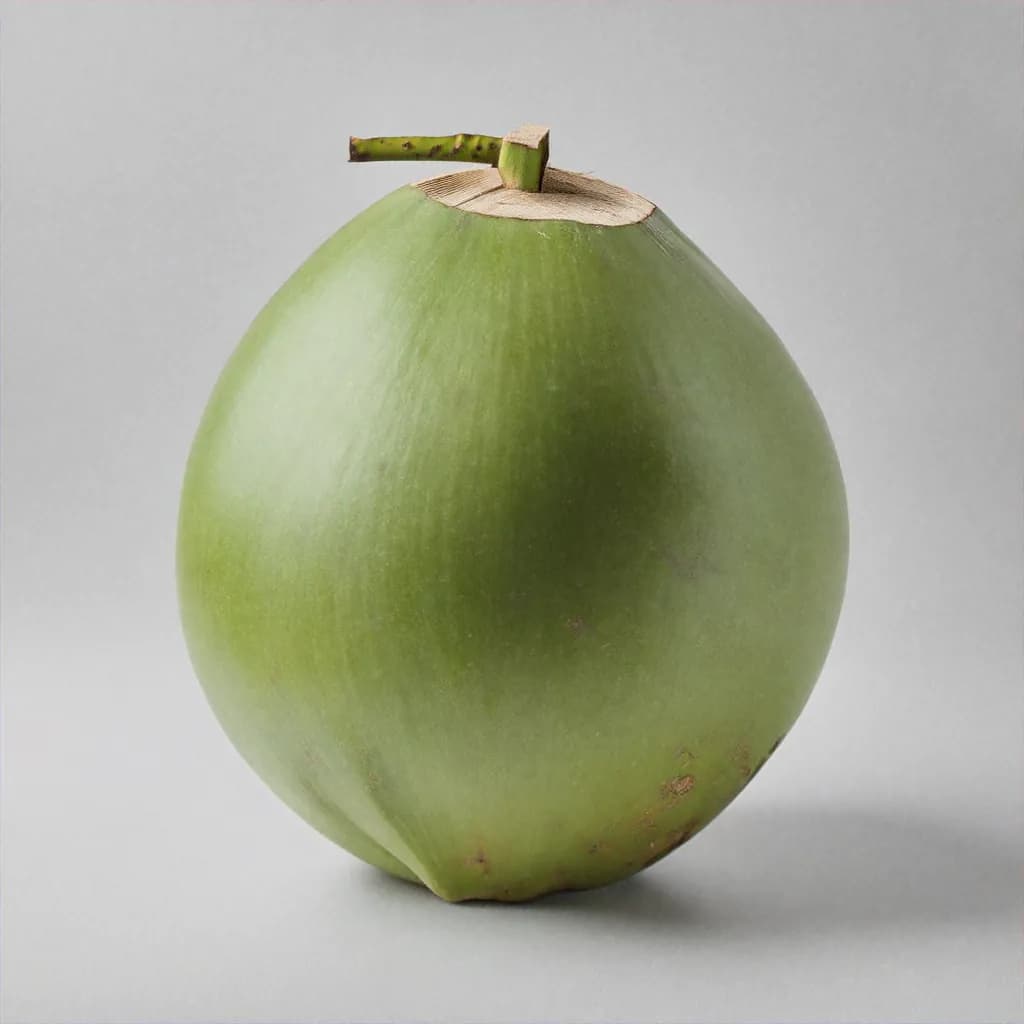
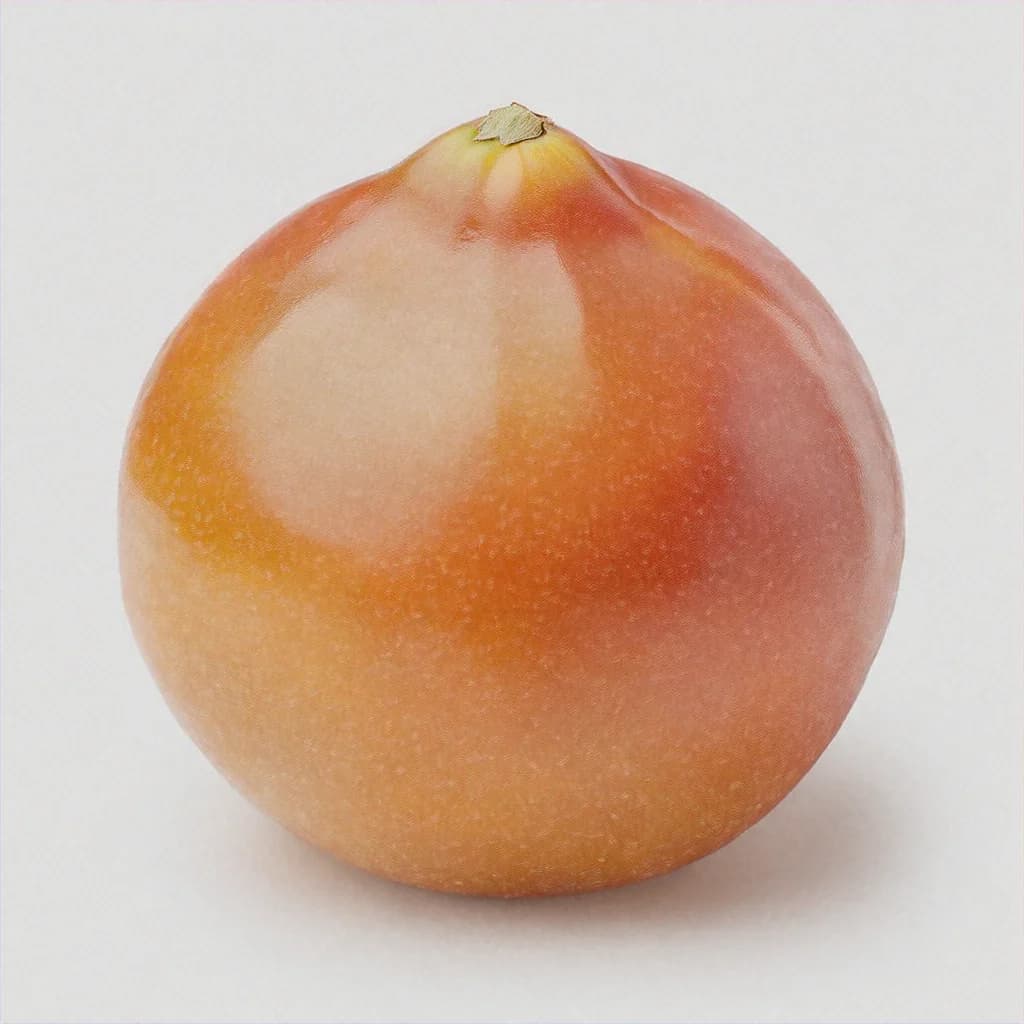
The African Fig, scientifically known as Ficus sycomorus, is a fascinating and culturally significant fruit native to Africa and parts of the Middle East. This evergreen tree bears small, round fruits that range from green to yellowish-brown when ripe. The fruit’s texture is soft and slightly grainy, with a mildly sweet flavor reminiscent of a blend between a fig and a pear. Rich in history, the African Fig has been cultivated for centuries and is referenced in ancient texts, including the Bible. Nutritionally, it is a powerhouse of vitamins, minerals, and antioxidants, making it a valuable addition to traditional diets. Whether consumed fresh, dried, or incorporated into culinary dishes, the African Fig offers both versatility and health benefits, making it a cherished fruit in many cultures.
Explore African Fig in stunning detail
African Fig - Main View
Per 100g
Per 100g
Nutrition breakdown for one serving
Africa and parts of the Middle East
The African Fig has been cultivated for thousands of years and is culturally significant in many African and Middle Eastern societies. It is mentioned in ancient texts, including the Bible, and was revered for its nutritional and medicinal properties.
March to September
Each variety offers unique flavors, textures, and culinary applications
Keep your fruit fresh and delicious for longer
Select figs that are plump and slightly soft to the touch.
Avoid figs with bruises, blemishes, or a shriveled appearance.
Store ripe figs in the refrigerator to extend their shelf life.
Keep them in a breathable container or paper bag to prevent moisture buildup.
Preserve freshness for months
Wash and dry figs thoroughly before freezing.
Freeze whole or sliced in an airtight container for up to 6 months.
Label frozen items with the date to track freshness. Most fruits maintain quality for 2-3 months when properly frozen. For best results, use airtight containers or freezer bags to prevent freezer burn.
Discover delicious possibilities
Allergies to African Figs are rare but possible. Individuals with known fig allergies should avoid consumption.
African Figs are generally low in pesticide residues, but it is still advisable to wash them thoroughly before consumption.
Surprising trivia you'll love!
The African Fig is one of the oldest cultivated fruits, with references dating back to ancient Egyptian times.
In some cultures, the African Fig is considered a sacred tree and is planted near temples and sacred sites.
The African Fig has a mildly sweet flavor with a slightly grainy texture, similar to a blend of fig and pear.
A ripe African Fig will be slightly soft to the touch and have a yellowish-brown color. Avoid figs that are too firm or have a greenish hue.
Ripe African Figs can last up to 7 days in the refrigerator when stored properly.
Yes, both fresh and dried African Figs can be used in baking to add natural sweetness and texture to recipes.
While African Figs contain natural sugars, their glycemic index is relatively low, making them a healthier option for blood sugar management.
There are no known significant interactions with medications, but individuals on potassium-restricted diets should consume them in moderation.
Yes, African Fig trees can be grown in warm climates with adequate sunlight and watering.
Sustainability insights
African Fig trees are drought-tolerant and require minimal water, making them a sustainable crop in arid regions.
Low, as African Figs are often locally grown and consumed.
Minimal, due to the tree's drought-resistant nature.
Locally grown African Figs are more sustainable and have a lower carbon footprint compared to imported varieties.
We aim to keep this African Fig profile accurate and easy to understand. Nutrition values and % Daily Value figures are based on established reference databases and standard daily value guidance.
Last updated: October 3, 2026
Medical disclaimer
This page is for general educational purposes and does not replace professional medical advice.
Found an issue? Contact us.