Loading Fruit Details...
Please wait while we fetch nutritional information and health benefits
Please wait while we fetch nutritional information and health benefits
Recommended Products
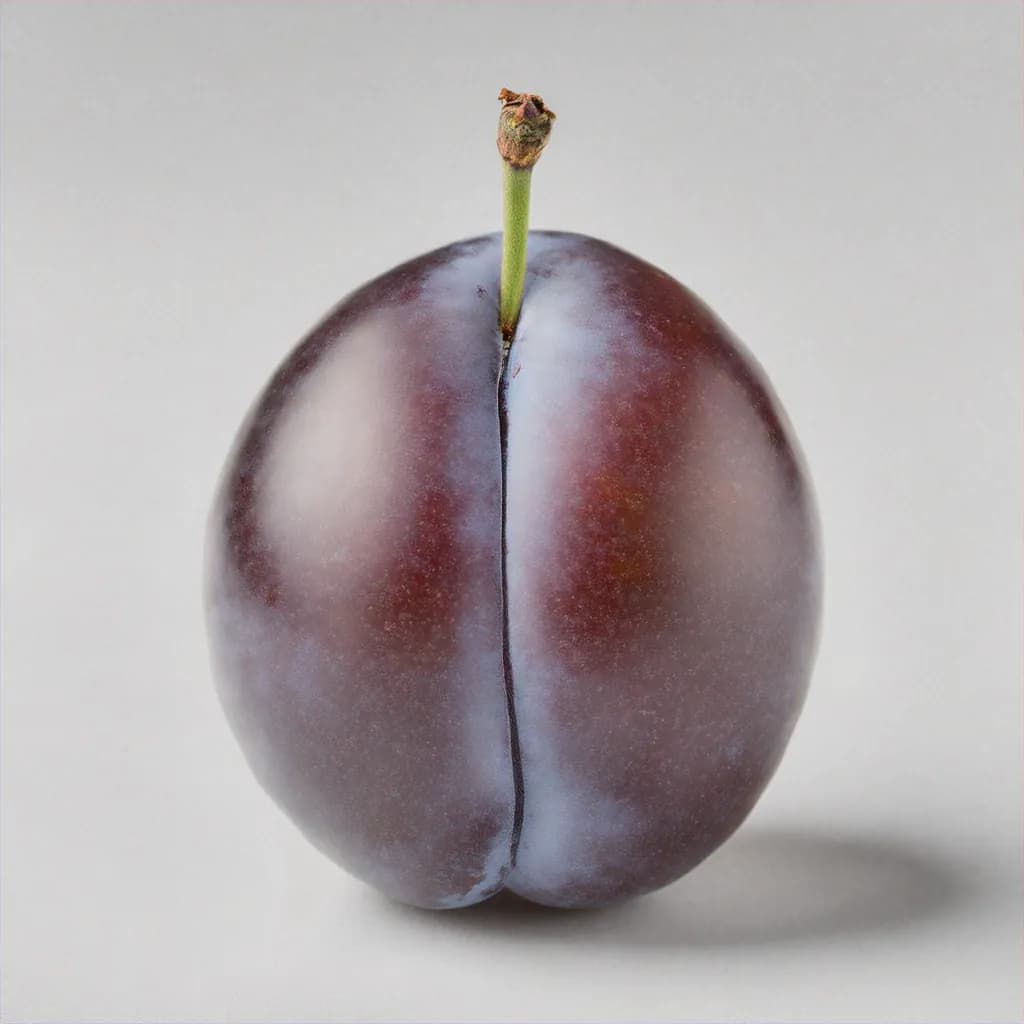
Podocarpus elatus
Illawarra plum is a distinctive dark purple Australian native fruit with exceptional nutritional profile and antioxidant density. Rich in vitamin C (52% DV) and polyphenols, illawarra plum supports immune health, antioxidant protection, and traditional wellness practices. At 60 calories per 100g with excellent fiber content (3.9g) and traditional Aboriginal medicinal properties, illawarra plums are celebrated in Australian indigenous cuisine and increasingly recognized by nutritionists. Perfect for fresh eating, traditional preparations, modern culinary applications, and comprehensive nutritional wellness.
Explore Illawarra Plum in stunning detail
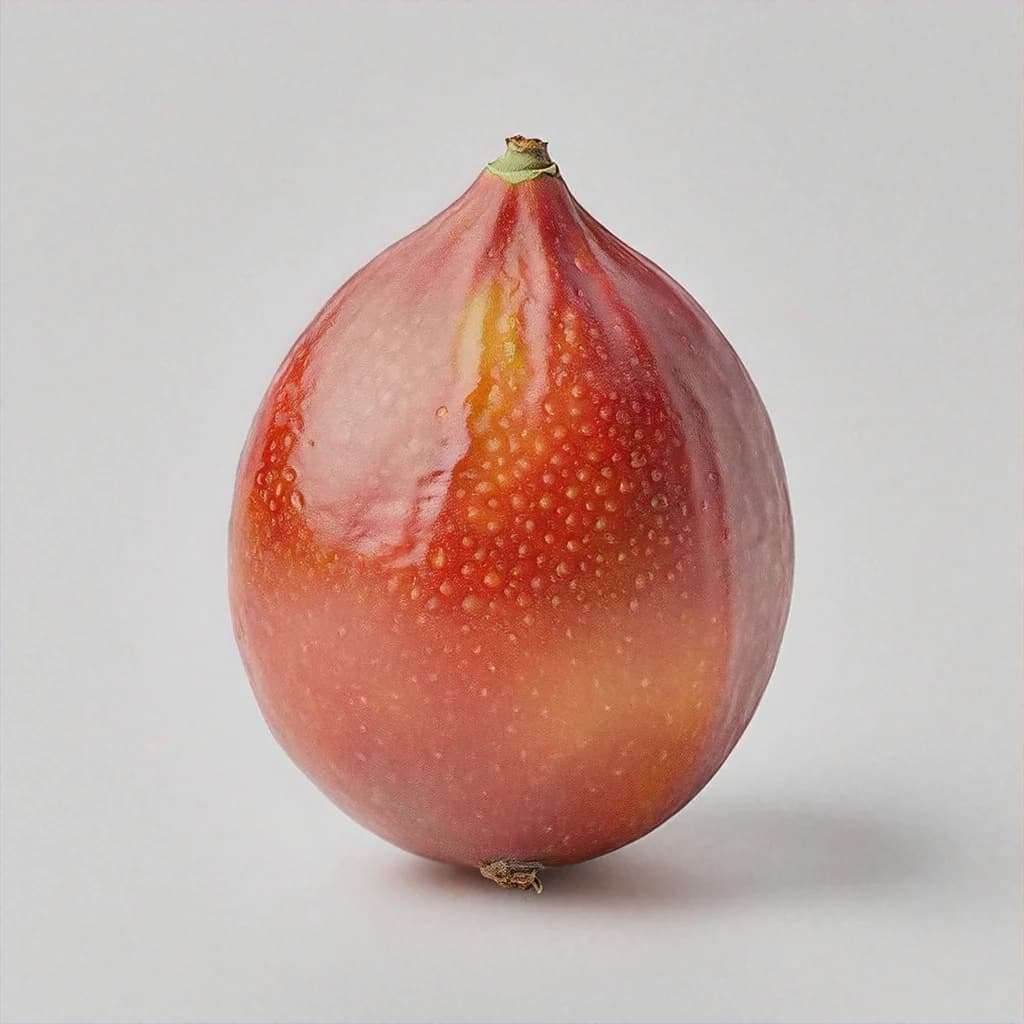
Illawarra Plum - Main View
Per 100g
Per 100g
Nutrition breakdown for one serving
Eastern Australia
Illawarra plum has been valued by Aboriginal Australians for thousands of years as a nutritious native food source. Named for the Illawarra region of New South Wales, this fruit represents Australia's rich indigenous food heritage and traditional ecological knowledge. Modern nutritionists increasingly recognize illawarra plum as a truly exceptional Australian superfruit supporting comprehensive health and wellness.
Peak season November-January
Each variety offers unique flavors, textures, and culinary applications
Keep your fruit fresh and delicious for longer
Select dark purple to black illawarra plums that yield slightly to gentle pressure
Avoid soft, bruised, or discolored fruits with visible damage
Choose fruits with glossy, unblemished skin indicating ripeness and quality
Ripe illawarra plums should have slight fragrance indicating maturity
Look for fruits of consistent dark color with no green areas remaining
Store fresh illawarra plums at room temperature for 2-4 days until fully ripe
Refrigerate ripe fruits in produce drawer for up to 1 week
Freeze whole illawarra plums or puree in ice cube trays for up to 8 months
Dried illawarra plums store for 1+ years in airtight containers in cool, dry conditions
Traditional Aboriginal preservation: illawarra plum paste stores refrigerated for 2-3 weeks
Freeze fruits on parchment-lined trays before transferring to freezer bags to prevent clumping
Preserve freshness for months
Wash and dry illawarra plums thoroughly before freezing
Freeze whole fruits or cut into halves, removing pits if desired
Blanch briefly in boiling water (1-2 minutes) before freezing to preserve color and texture
Freeze on parchment-lined trays for 2-3 hours, then transfer to freezer bags
Frozen illawarra plums maintain nutritional integrity and antioxidant potency for 6-8 months at 0°F (-18°C)
Thaw in refrigerator; use frozen fruits directly in smoothies or cooked preparations
Label frozen items with the date to track freshness. Most fruits maintain quality for 2-3 months when properly frozen. For best results, use airtight containers or freezer bags to prevent freezer burn.
Discover delicious possibilities
Illawarra plum allergies are rare. Some individuals may have sensitivity to stone fruits or native Australian plants.
Wild-harvested illawarra plums are naturally pesticide-free. Purchase from Aboriginal communities or certified native fruit harvesters ensuring sustainable and clean sourcing.
Surprising trivia you'll love!
Illawarra plums have been valued by Aboriginal Australians for over 10,000 years as a reliable, nutrient-dense native food source
The fruit's exceptional vitamin C content (52% DV) makes it one of Australia's most immune-supporting native fruits
Aboriginal communities traditionally dried illawarra plums for long-term storage, creating portable, nutrient-dense food supplies
The dark purple color indicates exceptional polyphenol and anthocyanin concentration rivaling or exceeding cultivated berries
Illawarra plum trees are long-lived native forest species, supporting sustainable wild harvesting and ecosystem preservation
Modern Australian chefs are reviving illawarra plum in contemporary cuisine, honoring indigenous food traditions and native ingredient excellence
The fruit contains compounds that have been studied for potential antimicrobial and immune-enhancing properties
Traditional Aboriginal preparation techniques preserved nutrient potency while creating shelf-stable food products for seasonal availability
Illawarra plum is gaining recognition in international superfruit markets as Australia's exceptional antioxidant-rich native fruit
Research increasingly validates Aboriginal food wisdom about illawarra plum's superior health benefits and comprehensive nutritional profile
Illawarra plum (Podocarpus elatus) is a dark purple Australian native fruit named after the Illawarra region of New South Wales. Valued by Aboriginal Australians for thousands of years, illawarra plum is one of Australia's native superfruit with exceptional nutritional density and antioxidant properties supporting comprehensive health.
Illawarra plum delivers exceptional vitamin C (52% DV per 100g) for immune support, high polyphenol and anthocyanin content for antioxidant protection, excellent fiber (14% DV) for digestive health, and superior mineral content including manganese (14% DV) and copper (12% DV). Low in calories (60/100g) with antioxidant potency rivaling or exceeding most berries.
Yes, illawarra plum is exceptional for immune health with 52% DV vitamin C per serving, exceptional polyphenol content, and traditional use by Aboriginal Australians for thousands of years supporting vitality. The combined antioxidant profile provides comprehensive immune enhancement and cellular protection.
Illawarra plum has a distinctive sweet flavor with slight tartness and complex berry notes. The taste varies by variety: NSW varieties are more balanced sweet-tart, Queensland varieties are sweeter with milder tart notes, and wild-harvested premium varieties have intensely sweet, complex berry profiles with subtle depth.
Illawarra plum has a moderate glycemic index of 38 and glycemic load of just 5 per 100g serving. Combined with exceptional fiber content, this makes illawarra plum ideal for blood sugar management, stable energy release, and sustained satiety, particularly beneficial for metabolic wellness.
Fresh illawarra plums are available at Australian farmers markets, specialty native food retailers, and Aboriginal community markets (November-January peak season). Year-round options include frozen illawarra plums, dried fruits, jams, and supplements from Australian health food stores and online specialty retailers.
Illawarra plum is deeply embedded in Aboriginal Australian food traditions, spiritual practices, and traditional medicine systems. It's traditionally used as a nutritious food source, medicinal preparation, and in cultural ceremonies. Modern research increasingly validates traditional uses in immune health, antioxidant protection, and comprehensive wellness.
Eat fresh illawarra plums raw as antioxidant-rich snacks or halved for easier consumption. Remove the pit before eating if desired. Use in smoothies, traditional jams, or cooked preparations. The fruit's distinctive flavor pairs beautifully with honey, native spices, dark chocolate, and native Australian ingredients in both traditional and contemporary recipes.
Sustainability insights
Illawarra plum wild harvesting supports native forest ecosystem preservation and Aboriginal food sovereignty. Support sustainable wild harvesting practices and Aboriginal-led initiatives honoring traditional land stewardship and biodiversity.
Wild-harvested illawarra plums have zero carbon footprint. Supporting local Australian native fruit industries reduces transportation impact while supporting indigenous communities and ecosystem health.
Wild illawarra plums require zero irrigation, thriving in natural Australian rainfall patterns. Supporting wild harvesting over cultivation reduces environmental impact.
Purchase from Aboriginal communities and Australian native fruit harvesters to support food sovereignty, preserve indigenous knowledge, maintain cultural practices, and support ecosystem preservation.
We aim to keep this Illawarra Plum profile accurate and easy to understand. Nutrition values and % Daily Value figures are based on established reference databases and standard daily value guidance.
Last updated: September 1, 2026
Medical disclaimer
This page is for general educational purposes and does not replace professional medical advice.
Found an issue? Contact us.