Loading Fruit Details...
Please wait while we fetch nutritional information and health benefits
Please wait while we fetch nutritional information and health benefits
Recommended Products
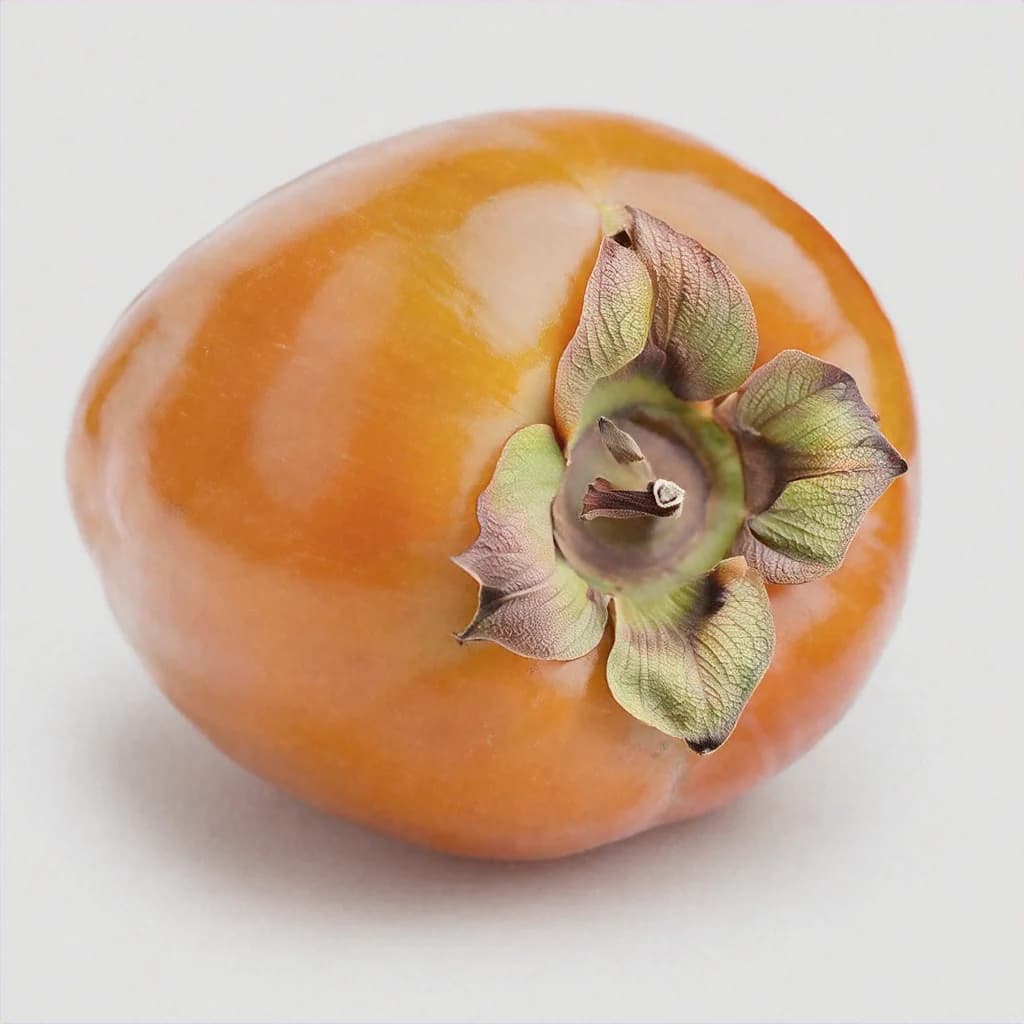
Diospyros mespiliformis
The African Persimmon, scientifically known as Diospyros mespiliformis, is a tropical fruit native to sub-Saharan Africa. It belongs to the Ebenaceae family and is often referred to as the 'Jackalberry' or 'African Ebony.' The fruit is round to oval in shape, with a thin, greenish-yellow skin that turns golden-brown when ripe. Its flesh is soft, juicy, and sweet, with a mildly tangy flavor reminiscent of dates or apricots. Rich in vitamins, minerals, and antioxidants, the African Persimmon is not only delicious but also highly nutritious. It is commonly consumed fresh, dried, or used in traditional medicines across Africa. Its versatility and health benefits make it a valuable addition to both culinary and medicinal practices.
Explore African Persimmon in stunning detail
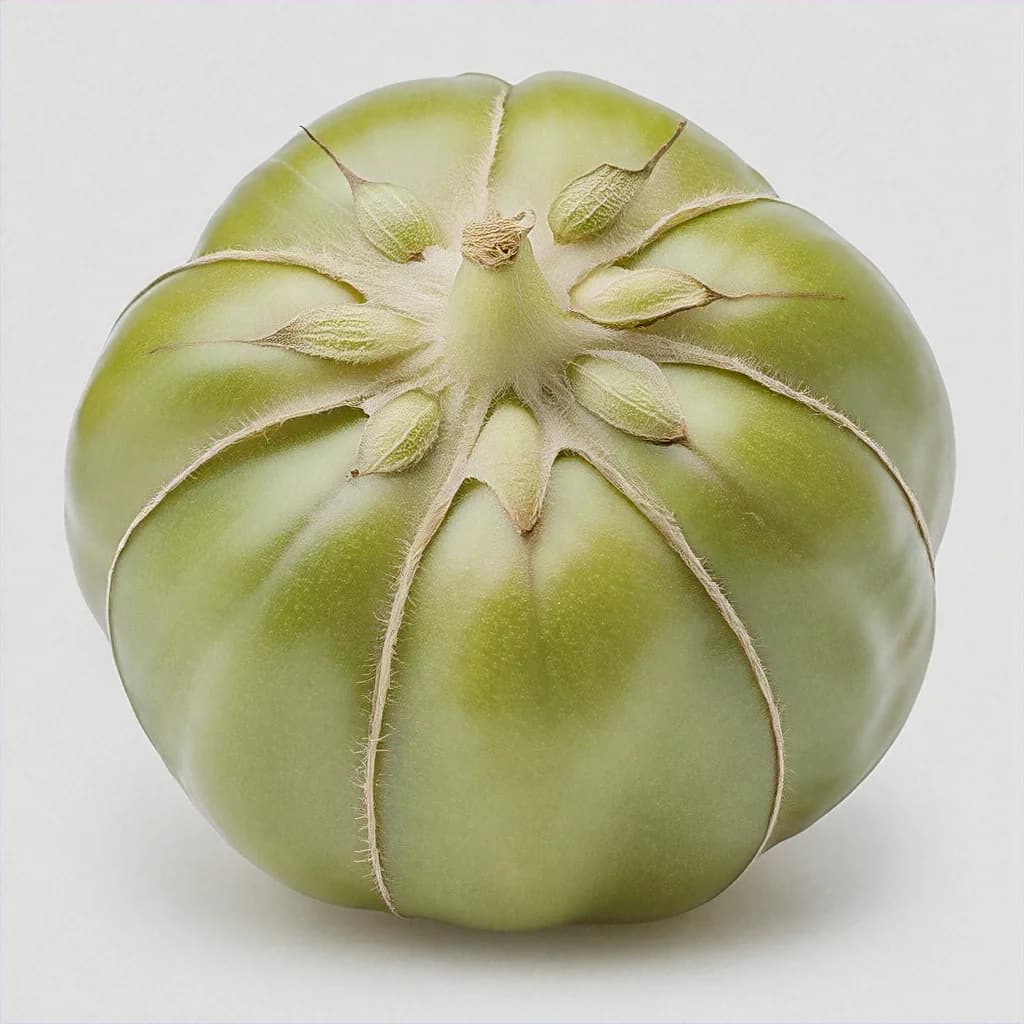
African Persimmon - Main View
Per 100g
Per 100g
Nutrition breakdown for one serving
Sub-Saharan Africa
The African Persimmon has been cultivated for centuries in sub-Saharan Africa. It has been an important food source for local communities and is often used in traditional medicines for its perceived health benefits.
Available year-round in tropical regions, but peaks during the rainy season.
Each variety offers unique flavors, textures, and culinary applications
Keep your fruit fresh and delicious for longer
Look for fruits with a golden-brown skin, indicating ripeness.
Avoid fruits with bruises, blemishes, or a shriveled appearance.
Store at room temperature for up to 3 days.
Refrigerate for up to 7 days to extend freshness.
Preserve freshness for months
Freeze whole or sliced in an airtight container for up to 3 months.
Thaw in the refrigerator before consuming.
Label frozen items with the date to track freshness. Most fruits maintain quality for 2-3 months when properly frozen. For best results, use airtight containers or freezer bags to prevent freezer burn.
Discover delicious possibilities
Allergies to African Persimmons are rare, but individuals with known fruit allergies should exercise caution.
As a tropical fruit, African Persimmons are generally low in pesticide residues, but it is still advisable to wash thoroughly before consuming.
Surprising trivia you'll love!
The African Persimmon is also known as the 'Jackalberry' because jackals are known to eat the fallen fruit.
In some African cultures, the fruit is believed to have aphrodisiac properties.
The African Persimmon has a sweet, slightly tangy flavor, similar to dates or apricots.
A ripe African Persimmon will have a golden-brown skin and give slightly when pressed.
Yes, they can be frozen whole or sliced in an airtight container for up to 3 months.
They can be eaten fresh, dried, blended into smoothies, or added to salads and yogurt parfaits.
African Persimmons are rich in vitamin C, potassium, magnesium, fiber, and antioxidants like flavonoids and tannins.
While they contain natural sugars, their low glycemic index makes them a suitable option in moderation.
Yes, they have been used in traditional African medicine to treat conditions like fever, diarrhea, and skin infections.
Sustainability insights
African Persimmons are typically grown in their natural habitat, making them a sustainable crop with minimal environmental impact.
Low, as they are often locally cultivated and consumed.
Moderate, as the trees are drought-tolerant and require minimal irrigation.
Consuming locally grown African Persimmons supports small-scale farmers and reduces the carbon footprint associated with transportation.
We aim to keep this African Persimmon profile accurate and easy to understand. Nutrition values and % Daily Value figures are based on established reference databases and standard daily value guidance.
Last updated: October 3, 2026
Medical disclaimer
This page is for general educational purposes and does not replace professional medical advice.
Found an issue? Contact us.