Loading Fruit Details...
Please wait while we fetch nutritional information and health benefits
Please wait while we fetch nutritional information and health benefits
Recommended Products
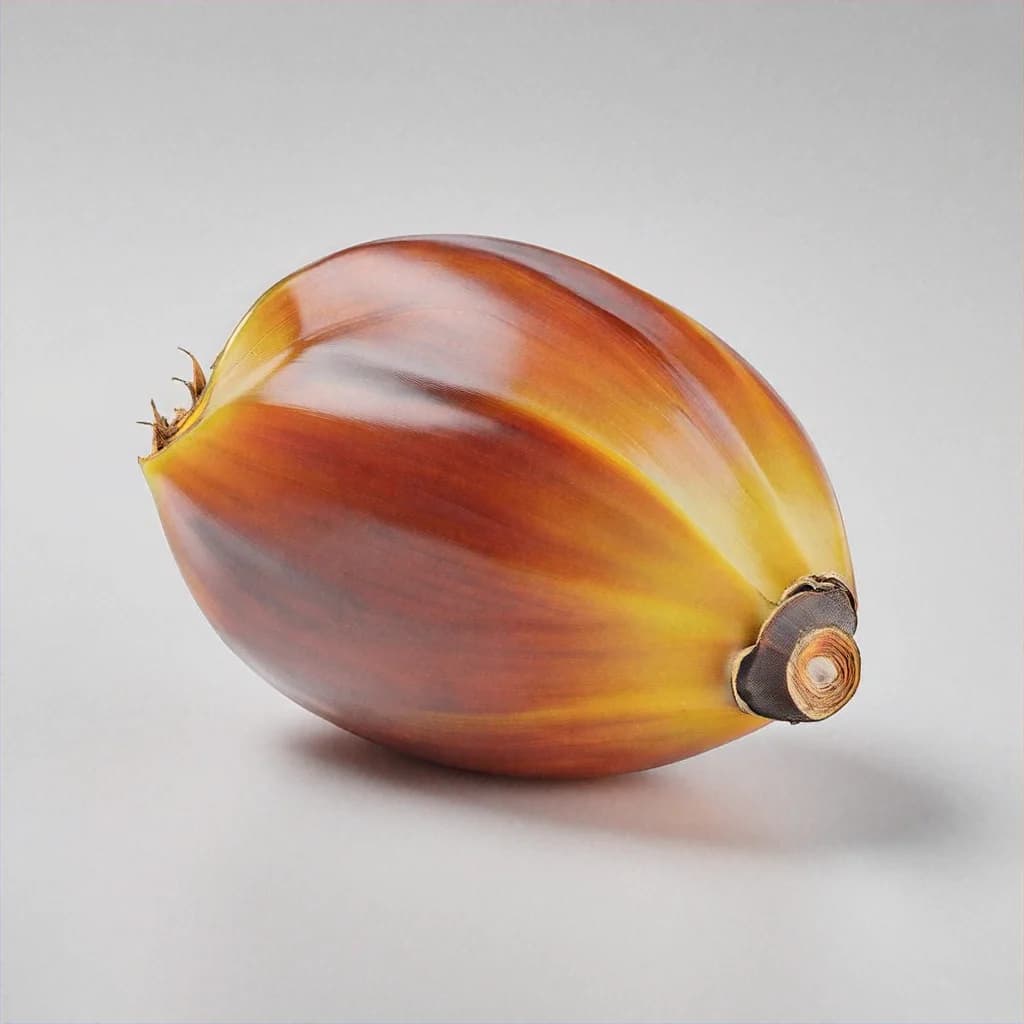
Elaeis guineensis
The African Oil Palm (Elaeis guineensis) is a versatile tropical fruit native to West Africa. Its rich, reddish-orange pulp oil and kernel oil are among the most widely used vegetable oils globally, featuring prominently in cooking, cosmetics, and biofuels. The fruit grows in dense clusters on tall, slender trees, thriving in humid tropical climates. Its oil is prized for its high smoke point, neutral flavor, and stability, making it ideal for frying and baking. Nutritionally, the African Oil Palm is a powerhouse of vitamins, antioxidants, and healthy fats, offering significant health benefits when incorporated into a balanced diet.
Explore African Oil Palm in stunning detail
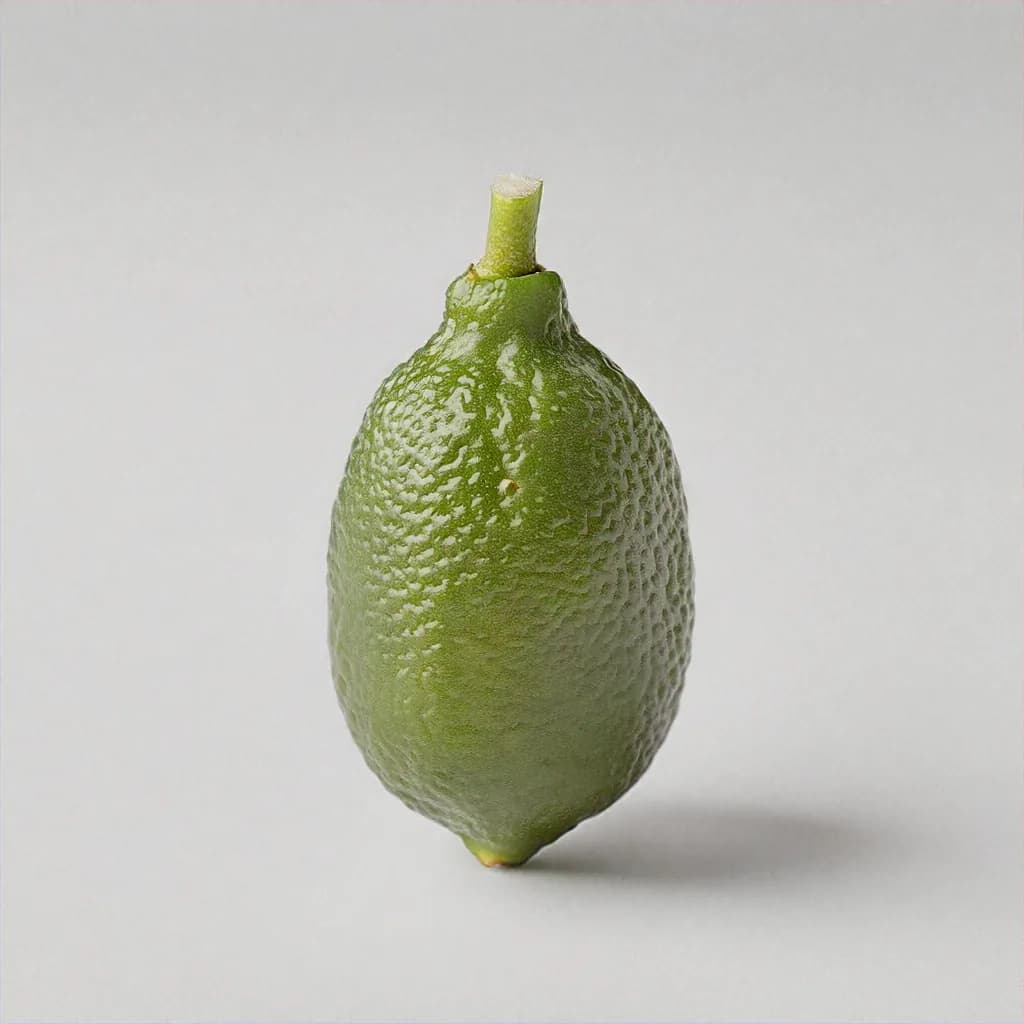
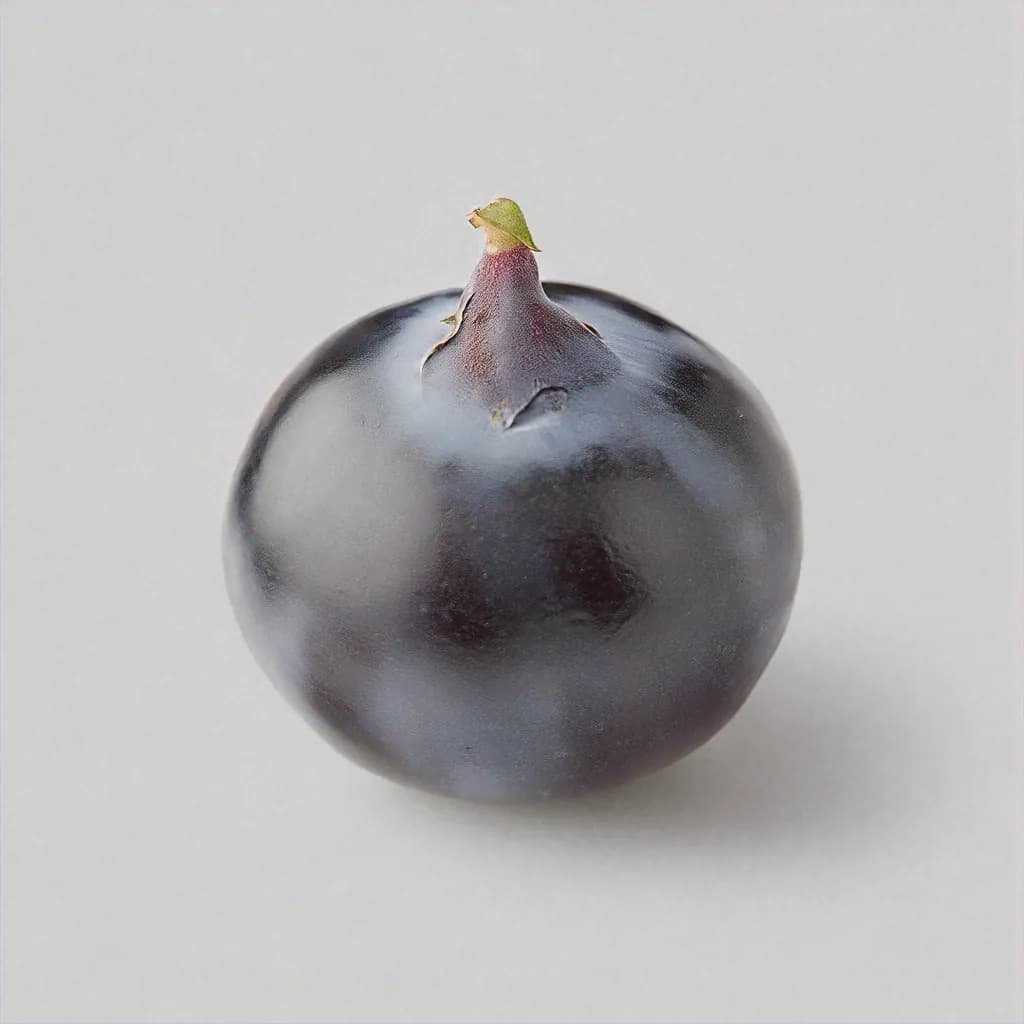
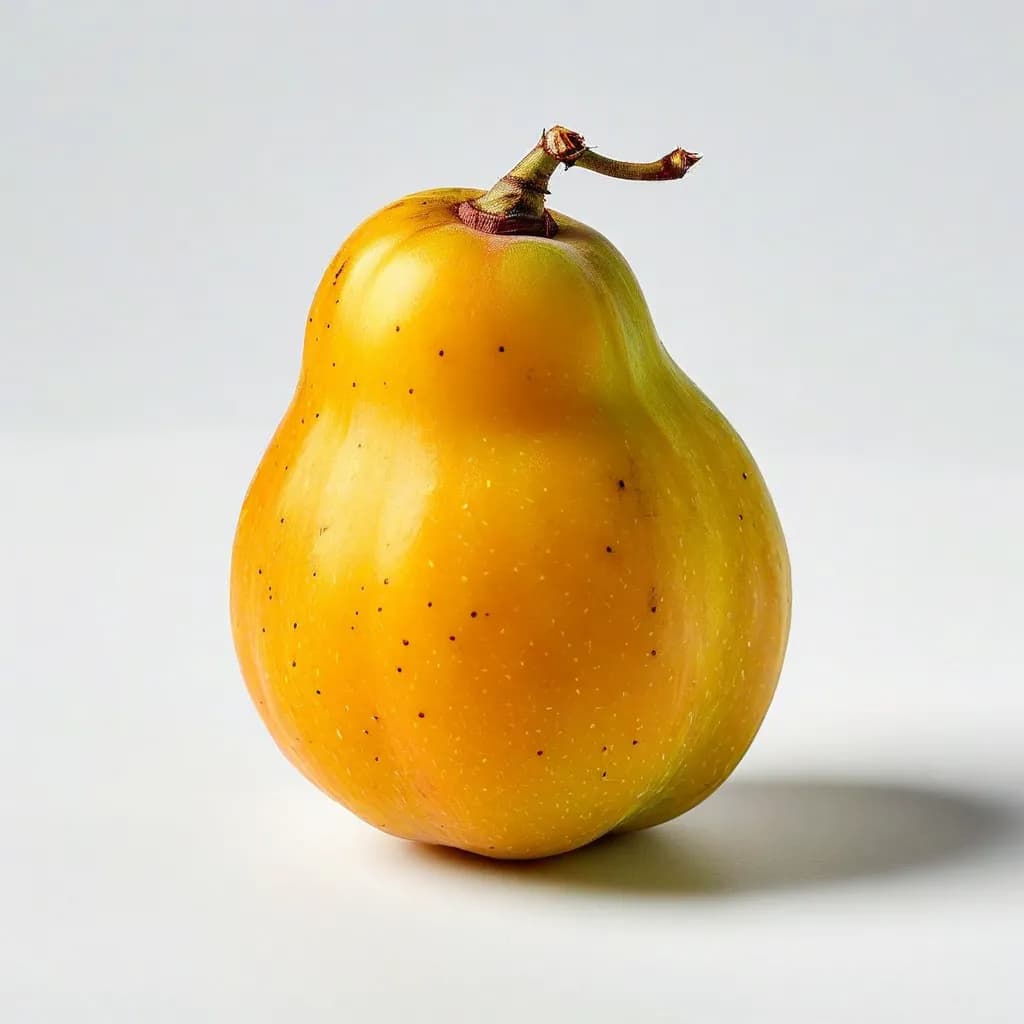
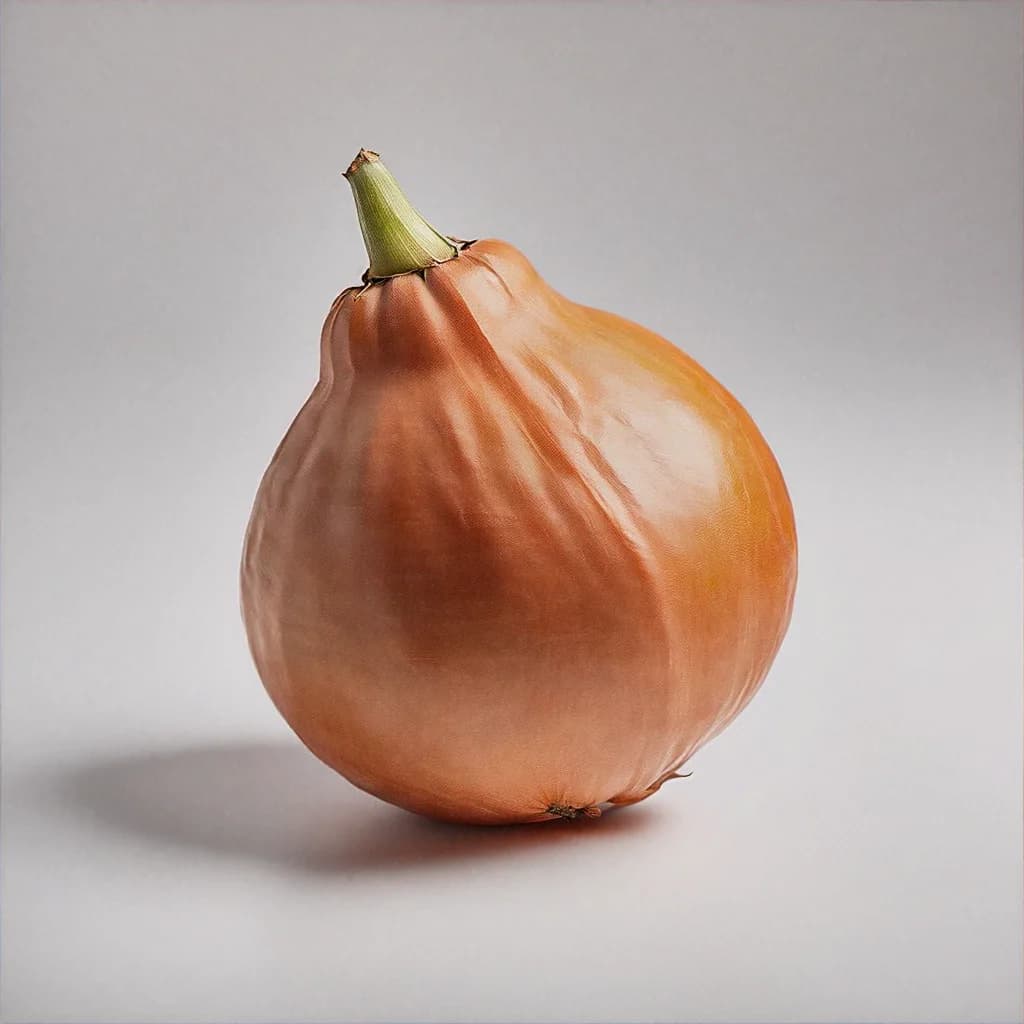
African Oil Palm - Main View
Per 100g
Per 100g
Nutrition breakdown for one serving
West Africa
The African Oil Palm has been cultivated for thousands of years in West Africa. Its oil has been a staple in African cuisine and traditional medicine. In the 19th century, it was introduced to Southeast Asia, where it became a major agricultural crop.
Year-round in tropical regions
Each variety offers unique flavors, textures, and culinary applications
Keep your fruit fresh and delicious for longer
Look for fresh, unbruised fruit bunches if purchasing whole fruit.
For palm oil, choose brands labeled as 'sustainably sourced' or 'RSPO-certified' to support ethical farming practices.
Store fresh fruit in a cool, dry place away from direct sunlight.
Palm oil should be stored in a sealed container in a cool, dark place.
Preserve freshness for months
Palm oil can be frozen to extend its shelf life, though it may become grainy upon thawing.
Freeze fresh fruit pulp for later use in smoothies or cooking.
Label frozen items with the date to track freshness. Most fruits maintain quality for 2-3 months when properly frozen. For best results, use airtight containers or freezer bags to prevent freezer burn.
Discover delicious possibilities
Palm oil is generally hypoallergenic, but individuals with tree nut allergies should exercise caution with palm kernel oil.
Choose organic or sustainably sourced palm oil to minimize exposure to pesticides.
Surprising trivia you'll love!
The African Oil Palm is one of the most efficient oil-producing plants, yielding up to 10 times more oil per hectare than soybeans or rapeseed.
Palm oil has been used for centuries in African traditional medicine to treat various ailments.
Palm oil is extracted from the fruit's pulp, while palm kernel oil is derived from the seed (kernel) of the fruit. Palm oil is richer in nutrients and has a more neutral flavor, while palm kernel oil is higher in saturated fats and used primarily in commercial products.
Look for brands labeled as 'RSPO-certified' or 'sustainably sourced.' These certifications ensure the palm oil was produced using environmentally responsible practices.
Yes, palm oil can be stored at room temperature in a sealed container away from direct sunlight. However, refrigeration can extend its shelf life.
Palm oil is ideal for frying, baking, and sautéing due to its high smoke point and neutral flavor. It can also be used in sauces, soups, and stews for added richness.
Yes, palm oil contains beta-carotene, a precursor to Vitamin A, which supports vision, immune function, and cell growth.
Palm oil is high in saturated fats, which can increase LDL cholesterol if consumed in excess. However, it also contains beneficial monounsaturated fats and antioxidants. Moderation is key.
Yes, palm oil is plant-based and widely used in vegan cooking as a substitute for butter or other animal-based fats.
Sustainability insights
Palm oil production has been linked to deforestation and habitat destruction. Choosing sustainably sourced or RSPO-certified palm oil supports responsible farming practices.
Palm oil production has a significant carbon footprint due to land clearing and processing. Sustainable practices can help mitigate this impact.
Palm oil production requires significant water resources, particularly for irrigation and processing. Efficient water management is essential for sustainability.
Locally sourced palm oil in tropical regions may have a lower environmental impact than imported varieties, depending on farming practices.
We aim to keep this African Oil Palm profile accurate and easy to understand. Nutrition values and % Daily Value figures are based on established reference databases and standard daily value guidance.
Last updated: October 3, 2026
Medical disclaimer
This page is for general educational purposes and does not replace professional medical advice.
Found an issue? Contact us.