Loading Fruit Details...
Please wait while we fetch nutritional information and health benefits
Please wait while we fetch nutritional information and health benefits
Recommended Products
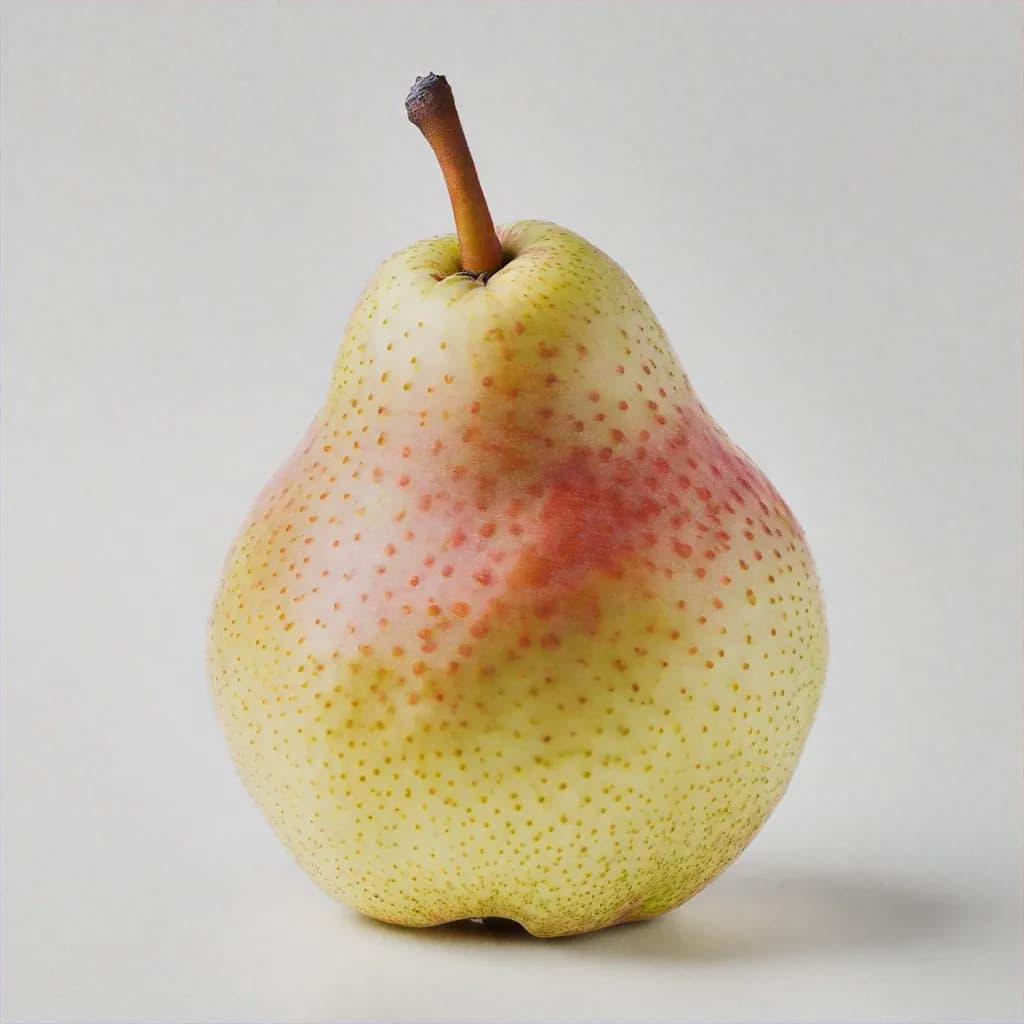
Pyrus communis (common), Pyrus pyrifolia (Asian), and related species
Pears are elegant bell-shaped fruits with distinctive slender necks, buttery smooth texture, and subtle sweet flavor - offering sophisticated fruit experience and balanced nutritional profile. These Rosaceae family members (2-4 inches) originating from Eurasia thrive in temperate regions worldwide, becoming culinary staple and beloved fresh eating fruit. Pears deliver impressive nutritional benefits - exceptional fiber content (6g per 100g providing 15% DV - among highest of all fruits), significant vitamin C (8% DV) supporting immune function, valuable copper (8% DV) promoting collagen formation, and polyphenolic antioxidants with disease-preventing potential. The distinctive smooth buttery texture, delicate subtle flavor, aromatic qualities, and elegant appearance make pears sophisticated fruit deserving regular consumption and culinary appreciation. Traditional cultures recognize pears as digestive-supporting fruit with applications in wellness and herbal medicine. Modern research increasingly validates traditional applications and identifies pear compounds supporting digestive health, cardiovascular function, and disease prevention through dietary fiber and polyphenolic mechanisms. The integration of pears into cuisine from fresh consumption to poached preparations, baking, and elegant desserts reflects the fruit's universal appeal and exceptional characteristics.
Explore Pear in stunning detail
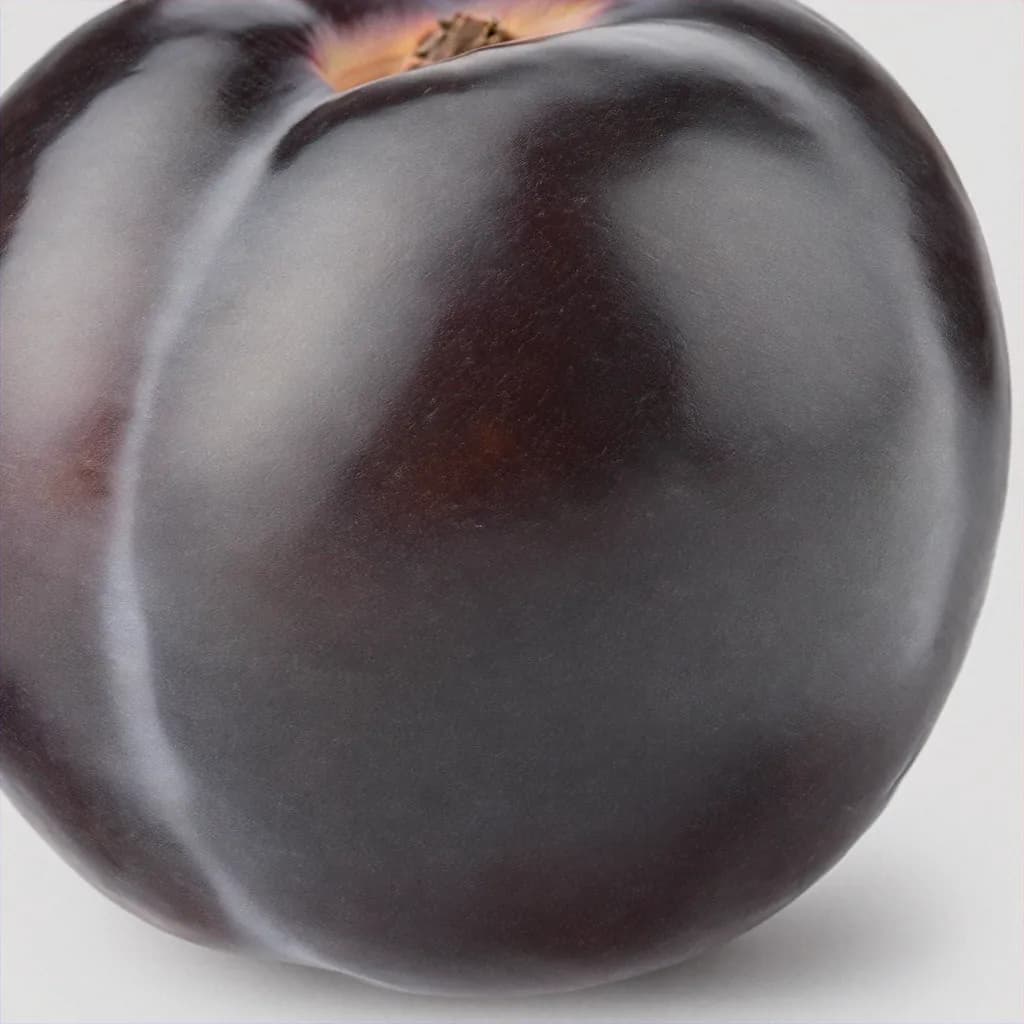
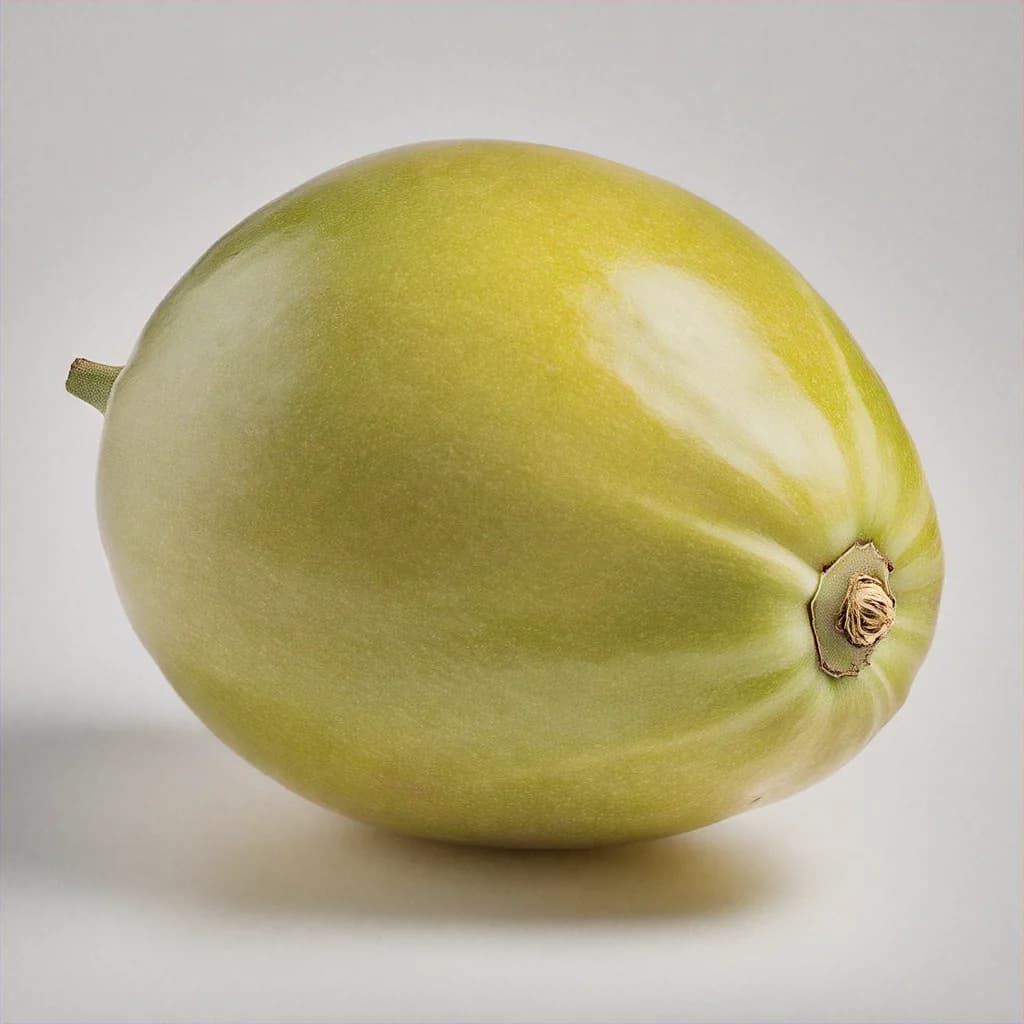
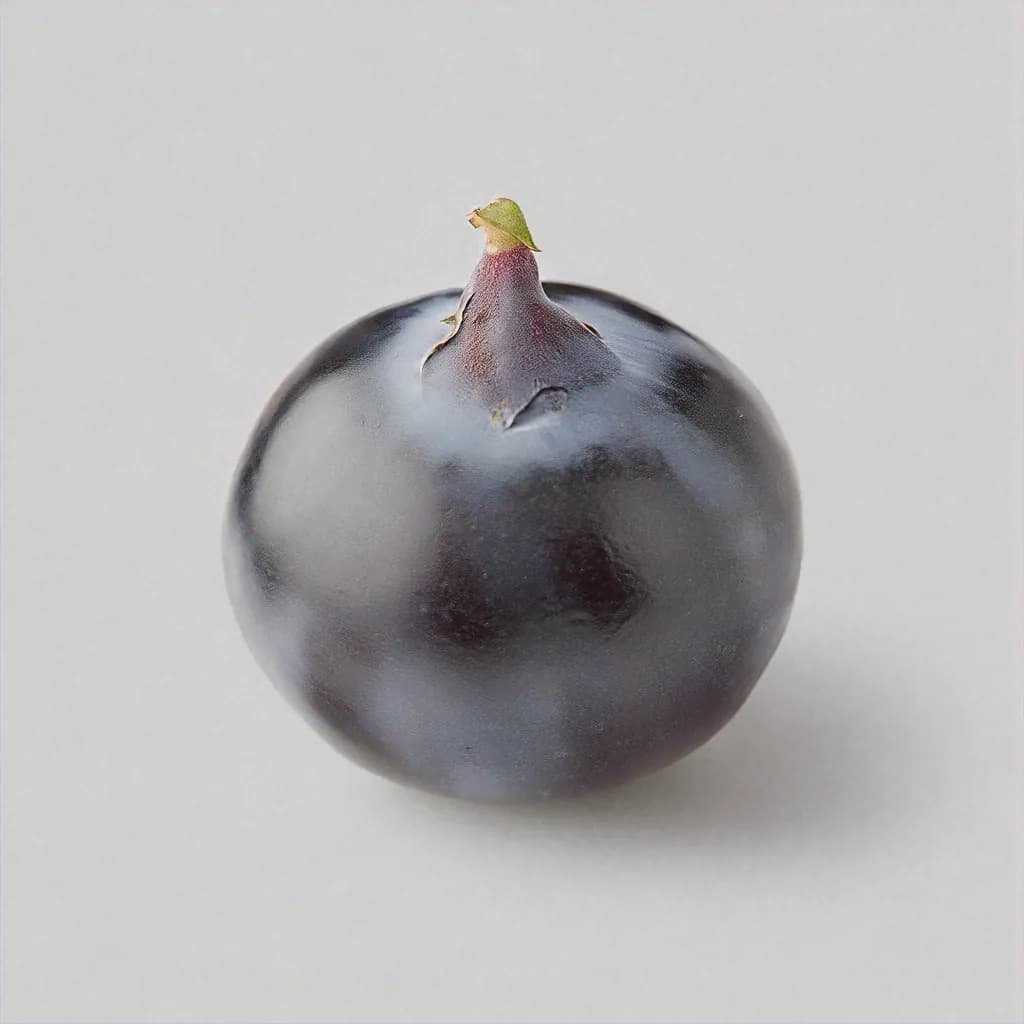
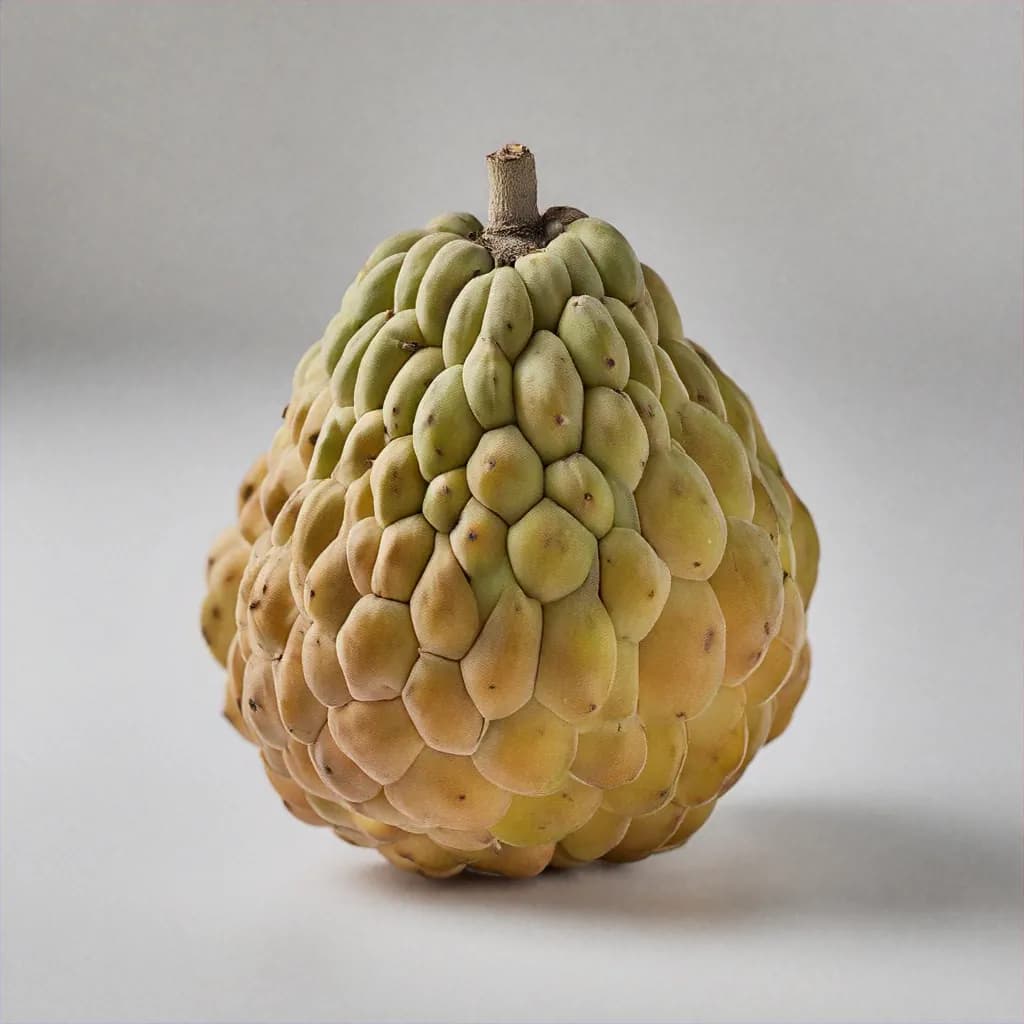
Pear - Main View
Per 100g
Per 100g
Nutrition breakdown for one serving
Eurasia (China, Western Asia, Caucasus regions)
Pears originate from Eurasia with cultivation dating back over 4,000 years. Ancient evidence shows pear cultivation in China and Mediterranean regions. Greek and Roman civilizations cultivated pears extensively establishing European cultivation traditions. Medieval Europe developed sophisticated pear cultivation with monasteries maintaining extensive pear orchards. European colonizers distributed pear trees globally establishing cultivation in Americas, Australia, and other regions. Asian pear varieties developed independently in China and Japan with distinct characteristics. Modern cultivation spans multiple continents with China and Mediterranean regions as major producers. Pears transformed from luxury fruit to common availability through centuries of cultivation and selective breeding.
Peak July-October in Northern Hemisphere; January-April in Southern Hemisphere
Each variety offers unique flavors, textures, and culinary applications
Keep your fruit fresh and delicious for longer
Select pears that yield slightly to gentle pressure at neck (firmness indicator)
Avoid hard pears - ripen at home for optimal flavor
Choose pears free from large bruises or cracks (minor blemishes acceptable)
Ripe pears should have gentle fragrance (indicator of ripeness)
Pears ripen from inside out - gentle neck pressure is more reliable than overall firmness
Smooth unblemished skin preferred for appearance
Weight relative to size indicates juice content
Avoid mushy or very soft pears (overripe, bruised)
Firm underripe pears ripen at room temperature (3-5 days typically)
Paper bag accelerates ripening at room temperature
Once ripe, refrigerate to extend shelf life 3-5 days
Do not wash before storage - moisture accelerates spoilage
Store separately to improve air circulation and prevent bruising
Ripe pears sensitive to ethylene - store away from other fruits
Cut pears consume quickly or refrigerate - exposed flesh oxidizes rapidly
Frozen pear slices preserve quality well for 6-12 months
Poached pears keep refrigerated 2-3 days
Pear juice keeps refrigerated 1-2 days
Preserve freshness for months
Slice pears and remove pit, freeze on baking sheet
Transfer frozen slices to freezer bags for convenient portioning
Frozen pears perfect for smoothies, baking, and poaching
Thaw in refrigerator before using if desired
Frozen pears become soft - ideal for cooking but not fresh consumption
Label frozen items with the date to track freshness. Most fruits maintain quality for 2-3 months when properly frozen. For best results, use airtight containers or freezer bags to prevent freezer burn.
Discover delicious possibilities
Pear allergies are uncommon but documented particularly in individuals with birch pollen allergies through cross-reactivity mechanism. Allergic reactions typically present as oral allergy syndrome - itching, tingling, or swelling of mouth and throat. Heat processing (cooking, canning, baking) denatures allergenic proteins making cooked pears tolerable for some individuals. Severe reactions rare.
Conventionally grown pears may contain pesticide residues. Proper washing: Rinse pears gently under cool running water for 15-20 seconds. Pat dry with clean towel. This removes surface pesticides and contaminants. Organic pears eliminate synthetic pesticide concerns. Peeling removes some residues but also removes fiber-rich skin.
Surprising trivia you'll love!
Pears ripen from inside out - neck pressure is more reliable ripeness indicator than overall fruit firmness, making pear ripeness assessment unique among fruits
Asian pear varieties developed independently in China and Japan creating distinct crisp texture - different evolutionary path from soft European pears
Pear wood is extremely hard and dense - historically used for crafting fine furniture, tools, and musical instruments beyond culinary applications
Bartlett pears change color dramatically during ripening - transforming from green to bright yellow providing clear visual ripeness indicator
Conference pears were named after international pear conference held in 1885 - reflecting importance of pear cultivation to European horticulture
China produces over 60% of world's pears - making pear cultivation deeply important to Chinese agriculture and food systems
Pear blossoms are among most beautiful spring flowers - cultivated for ornamental value as well as fruit production in some regions
Perry (pear cider) fermentation has 2,000+ year history - particularly popular in England where perry production continues today
Pear trees have exceptional longevity - some cultivated pear trees producing fruit for 100+ years making long-term agricultural investment
Bosc pears develop characteristic russet coloring through natural russeting - distinctive appearance reflects premium quality and sophisticated flavor profile
Determining pear ripeness is essential for optimal flavor - pears ripen from inside out making assessment different from other fruits. NECK PRESSURE: Most reliable ripeness indicator is gentle pressure at pear neck (narrow top portion). Ripe pear yields slightly to gentle pressure applied at base of stem. Underripe feels hard and unyielding. Overripe becomes very soft. The slight give indicates perfect readiness. Check neck pressure daily during ripening process. OVERALL FIRMNESS: Unlike most fruits, overall body firmness is less reliable ripeness indicator since pears ripen internally. Ripe pears may feel relatively firm in body while neck yields to pressure. Entire softness indicates overripeness. Focus on neck assessment. SKIN COLOR: Color changes during ripening but varies by variety. Bartlett: green to yellow. Bosc: remains brown. Anjou: green to yellow-green. Color alone insufficient for ripeness determination. FRAGRANCE: Ripe pears have subtle pleasant fragrance. Underripe has minimal scent. Strong fragrance indicates ripeness and quality. RIPENING AT HOME: Underripe (hard) pears ripen at room temperature over 3-5 days. Paper bag accelerates ripening by concentrating ethylene gas. Check daily for ripeness by neck pressure. Once ripe, refrigerate to slow further aging. CRITICAL TIMING: Pears ripen quickly once started - check daily after day 2-3. Perfect ripeness window is narrow - ripe for 1-2 days before overripening. OPTIMAL RIPENESS: Neck yields slightly to gentle pressure, subtle fragrance present, color appropriate to variety. STORAGE AFTER RIPENING: Once ripe, refrigerate to extend shelf life 3-5 days. Cold temperature preserves ripeness and prevents rapid overripening. BOTTOM LINE: Pear ripeness determined by gentle neck pressure yielding to touch - not overall fruit softness. Check daily during ripening. Perfect ripeness window is narrow so timing is critical.
European and Asian pears are distinct varieties with significant differences in texture, flavor, ripening, and eating methods. TEXTURE: European: Soft, buttery texture when ripe. Melting flesh dissolves easily. Smooth eating experience. Asian: Crisp, crunchy texture even when ripe. Apple-like crispness. Firm consistent texture. The textural difference is defining characteristic. FLAVOR PROFILE: European: Subtle sweet flavor, delicate, refined taste, complex undertones. Different varieties offer complexity. Asian: Sweet juicy flavor, simpler profile, straightforward sweetness, less complex. RIPENING: European: Ripen off tree at room temperature. Require ripening process. Unripe pears remain hard. Asian: Ripen on tree. Sold ready-to-eat. No ripening period needed. Harvest when mature and ripe. EATING METHOD: European: Require careful assessment of ripeness. Perfect ripeness window is narrow. Must track ripening progress. Asian: Eat immediately upon purchase. No ripening assessment needed. Straightforward consumption. PREPARATION: European: Excellent for poaching in wine, baking, elegant preparations. Soft texture works for cooking. Asian: Best fresh eating. Less ideal for cooking (texture changes significantly). STORAGE: European: Longer shelf life when refrigerated. Can be purchased underripe and ripened. Asian: Refrigerate immediately after purchase. Don't ripen further. CULTURAL ORIGIN: European: Originate from Eurasia. Cultivated in Europe, Americas, Mediterranean. Bartlett, Bosc, Anjou are European types. Asian: Originate from China, Japan, Asia-Pacific. Asian varieties include Nashi and other types. AVAILABILITY: European: Common in most markets year-round or seasonally. Widely available. Asian: Specialty markets. Less common than European. Premium pricing often. COST: European: Generally moderate pricing depending on variety. Bartlett common and affordable. Bosc and Comice premium. Asian: Premium pricing due to specialty status. Higher cost than common European varieties. SUBSTITUTION: Not perfect substitutes. Each has distinct optimal use - European for elegant preparations, Asian for fresh crunch. BOTTOM LINE: European pears are soft and buttery when ripe requiring ripening assessment, excellent for poaching and elegant preparations, with complex flavor. Asian pears are crisp like apples, ready-to-eat upon purchase, best for fresh consumption, with straightforward sweet flavor.
Pear fiber (6g per 100g, 15% DV) is among highest of all fruits providing exceptional digestive and health benefits through both soluble and insoluble fiber. FIBER QUANTITY: 6g per 100g is exceptionally high - among highest of common fruits. Medium pear (178g) provides 5.5g fiber (18% DV). High fiber concentration makes pears fiber powerhouse. FIBER TYPES: Insoluble fiber from skin supports digestive regularity and mechanical function. Soluble fiber (especially pectin) supports blood sugar management and cholesterol reduction. The combination provides comprehensive health benefit. DIGESTIVE HEALTH: Exceptional fiber supports regular bowel movements and prevents constipation. Fiber feeds beneficial gut bacteria supporting microbiome health. Prebiotic properties support probiotic effectiveness. Regular consumption supports long-term digestive health and disease prevention. BLOOD SUGAR MANAGEMENT: Soluble fiber slows glucose absorption supporting stable blood sugar. Pears' low glycemic index (38) and load (6) reflect protective effect. Even with moderate sugar content (9.75g per 100g), high fiber moderates blood sugar impact. CHOLESTEROL MANAGEMENT: Soluble fiber (pectin) supports cholesterol metabolism and reduction. Regular pear consumption may support cardiovascular health through multiple mechanisms. WEIGHT MANAGEMENT: Fiber provides volume and satiety without excessive calories. Filling nature helps prevent overeating. Supports weight management through satiety mechanisms. POLYPHENOLIC ANTIOXIDANTS: Pears contain significant polyphenolic compounds providing cellular protection. Quercetin and catechins offer exceptional antioxidant capacity. Multiple antioxidant compounds work synergistically. ANTI-INFLAMMATORY EFFECTS: Fiber and polyphenolic compounds demonstrate anti-inflammatory activity. Chronic inflammation reduction through regular consumption. Benefits support overall health. COLON HEALTH: Adequate fiber supports colon health and regular cell turnover. Long-term consumption associated with reduced colon cancer risk. Multiple protective mechanisms involved. PREBIOTIC BENEFITS: Fiber acts as prebiotic feeding beneficial bacteria. Enhanced microbiome supports immune function and metabolic health. Significant prebiotic effect particularly from pear fiber. SKIN HEALTH: Fiber and antioxidants support skin health through nutrient provision and oxidative stress reduction. Polyphenolic compounds protect skin cells from damage. SERVING SIZE: Medium pear (178g) provides 5.5g fiber (18% DV). Regular consumption meaningfully contributes to daily fiber intake. BOTTOM LINE: Pear fiber at 6g per 100g (15% DV) is among highest of fruits providing exceptional digestive support, blood sugar management, cholesterol health, weight management, and disease prevention through both soluble and insoluble fiber types and polyphenolic antioxidants.
Dogs can safely eat fresh pear flesh in moderation as occasional treat - pears are non-toxic and generally safe though important precautions apply. SAFETY: Fresh pear flesh is non-toxic to dogs - no compounds are inherently poisonous. Pulp alone is safe in appropriate amounts. PIT SAFETY: Pear pits are hazardous - contain cyanogenic glycosides that break down into cyanide. Pits present choking hazard and toxicity concern. ALWAYS remove pit completely before offering pears to dogs. Never allow dogs access to pits. SEEDS SAFETY: Pear seeds similar to apple seeds contain amygdalin (cyanogenic glycoside). Remove all seeds completely before offering to dogs. SKIN SAFETY: Pear skin is generally safe but can cause digestive upset in sensitive dogs. Some dogs prefer skin removed. Wash skin thoroughly if included. BENEFITS: Vitamins support immune function. Fiber supports digestive health in moderation. Water content provides hydration. CONCERNS: SUGAR CONTENT: Fresh pears contain 9.75g sugar per 100g - moderate but significant for dogs. High sugar contributes to obesity, dental problems, and diabetes. FIBER CONTENT: While beneficial, high fiber can cause digestive upset. Excessive fiber causes diarrhea or gas in sensitive individuals. PORTION GUIDELINES: Small dogs (under 20 lbs): 1-2 small pear slices maximum. Medium dogs (20-50 lbs): 2-3 small slices maximum. Large dogs (over 50 lbs): 3-4 small slices maximum. Frequency: No more than 2-3 times weekly as occasional treat. PREPARATION: Remove pit completely and carefully. Remove all seeds. Wash skin to remove pesticides. Peel if desired for sensitivity. Slice into small pieces. Offer directly or mix with regular food. Start with tiny amount to test tolerance. WHEN TO AVOID: Dogs with diabetes should avoid (sugar content). Overweight dogs should minimize (sugar and calories). Dogs with sensitive digestive systems should avoid. Puppies should avoid until mature. DIGESTIVE CONSIDERATIONS: Fresh pears generally well-tolerated in small amounts. Individual tolerance varies. Monitor for adverse reactions. Diarrhea or upset stomach warrant discontinuation. BOTTOM LINE: Dogs can safely eat fresh pear flesh in moderation as occasional treat with proper precautions. ALWAYS remove pit and seeds completely. Limit portions and frequency. Better alternatives exist for dogs.
Pears are exceptionally beneficial for digestive health through multiple mechanisms making them among best fruits for digestive support. FIBER POWERHOUSE: 6g fiber per 100g (15% DV) is among highest of common fruits. Medium pear provides 5.5g fiber (18% DV) - substantial contribution to daily intake. High fiber concentration makes pears digestive health champions. PECTIN CONTENT: Pears particularly rich in soluble fiber pectin. Pectin supports gentle yet effective digestive support. Pectin feeds beneficial bacteria promoting prebiotic effects. GENTLE DIGESTION: Unlike high-insoluble fiber fruits that can cause bloating, pears' fiber balance provides gentle digestive support. The soluble fiber pectin is particularly gentle. Gradual digestive transition maintains comfort. REGULARITY SUPPORT: Regular pear consumption supports consistent bowel movements. Gentle fiber action prevents both constipation and urgency. Long-term consumption establishes healthy regularity. MICROBIOME SUPPORT: Pectin acts as powerful prebiotic. Feeds beneficial bacteria (especially Bifidobacteria). Enhanced microbiome supports immunity, metabolism, and overall health. Microbiome diversity improves with regular consumption. IRRITABLE BOWEL SUPPORT: Gentle fiber profile may support IBS management in some individuals. Pectin particularly beneficial for IBS. Gradual introduction allows individual assessment. HEALING PROPERTIES: Traditional cultures recognize pears as digestive-supporting fruit. Modern science validates traditional applications. Polyphenolic compounds support inflammatory response. BLOOD SUGAR IMPACT: Low glycemic index (38) prevents digestive stress from blood sugar spikes. Stable blood sugar supports overall digestive health. Predictable energy provision without digestive stress. WATER CONTENT: 84g water per 100g supports digestive moisture. Proper hydration critical for healthy digestion. Water content contributes to digestive function. GRADUAL INTRODUCTION: Start with 1-2 pears weekly if increasing fiber intake. Gradual introduction allows digestive adaptation. Adequate water consumption essential for fiber digestion. PREPARATION: Eat with skin for maximum fiber (wash thoroughly). Cooking pears softens fiber making gentler. Both fresh and cooked offer benefits. SERVING TIMING: Eating pears consistently regular provides optimal benefit. Consistent consumption better than sporadic. Morning consumption may support daily regularity. BOTTOM LINE: Pears with exceptional fiber content (especially pectin), gentle digestive action, prebiotic properties, and traditional recognition make them among best fruits for digestive health support providing regularity, microbiome nourishment, and gentle digestive support.
Pear poaching creates elegant sophisticated dessert and sophisticated culinary applications through carefully controlled preparation and cooking methods. SELECTING PEARS: Choose firm underripe Bosc, Bartlett, or Comice pears (superior texture for poaching). Avoid overripe soft pears which deteriorate during cooking. Firm texture maintains shape through cooking process. PREPARATION: Wash pears gently under cool running water. Pat dry with clean towel. Peel pears (optional - skin adds visual appeal). Cut pears in half lengthwise. Remove core and seeds completely using melon baller or spoon. POACHING LIQUID: Simple syrup: equal parts water and sugar (1 cup each). Wine poaching: white or red wine with sugar and aromatics. Red wine: deeper flavor and color. White wine: lighter delicate preparation. AROMATICS: Add cinnamon sticks, vanilla pods, star anise, cardamom, or cloves to liquid. Fresh ginger adds warmth. Lemon or orange zest adds brightness. Honey adds richness. COOKING PROCESS: Bring poaching liquid to simmer (not boil - prevents pear deterioration). Place pear halves cut-side down in liquid. Simmer gently 15-30 minutes depending on pear ripeness (firmer = longer cooking). Pears should become tender but maintain shape. DONENESS: Pears ready when fork pierces flesh easily but pear maintains shape. Overcooking causes breakdown and mushiness. Undercooking leaves pears hard in center. COOLING: Remove pears from hot liquid using slotted spoon. Cool to room temperature or serve warm depending on preference. Cool liquid separately. SERVING PREPARATIONS: Serve pears upright with sauce drizzled. Serve with vanilla ice cream for elegance. Serve with whipped cream or mascarpone. Serve chilled with cold sauce. SAUCE OPTIONS: Reduce poaching liquid to syrup-like consistency through simmering (creates glossy coating). Mix with honey or additional sugar for thickness. Strain out aromatics. STORAGE: Poached pears keep refrigerated in poaching liquid 3-5 days. Liquid prevents oxidation and maintains moisture. Freezing preserves well for 3-6 months. PRESENTATION: Arrange pear halves on elegant plate. Drizzle sauce artistically. Garnish with fresh herbs or edible flowers. Serve on dessert plates for elegance. VARIATIONS: Chocolate sauce accompaniment (particularly dark chocolate). Butterscotch or caramel sauce (rich preparation). Berry coulis (colorful presentation). Crème anglaise (classic French preparation). BOTTOM LINE: Pear poaching creates elegant dessert through careful selection of firm pears, aromatic poaching liquid, gentle cooking maintaining shape, and sophisticated sauce and presentation options allowing versatile elegant preparations.
Pears have profound historical importance and cultural meaning spanning over 4,000 years with deep roots across multiple civilizations and continents. ANCIENT ORIGINS: Pears originate from Eurasia with cultivation dating over 4,000 years. Archaeological evidence shows ancient pear cultivation in China and Mediterranean regions. Early civilizations recognized pear nutritional value and cultural significance. CHINESE HERITAGE: China cultivated pears extensively over millennia developing Asian pear varieties. Classical Chinese texts reference pears. Pears symbolize longevity and immortality in Chinese culture. Chinese emperors valued pears as premium fruit. MEDITERRANEAN CULTIVATION: Greeks cultivated pears establishing European tradition. Romans developed sophisticated pear cultivation and grafting techniques. Pears became staple in Roman diet. Mediterranean expansion spread pear cultivation globally through Roman trade. MEDIEVAL PERIOD: Medieval Europe maintained extensive pear orchards particularly in monasteries. Monks preserved pear cultivation knowledge through centuries. Pears became integral to European cuisine. Selective breeding created improved pear varieties. EUROPEAN DEVELOPMENT: Renaissance Europe developed sophisticated pear cultivation techniques. France became center of pear breeding and cultivation. Belgian horticulturists developed premium varieties including Bosc. Italian regions maintained traditional cultivation. Spanish pear cultivation significant in Mediterranean production. COLONIAL EXPANSION: European colonizers brought pear trees establishing cultivation in Americas. Pears became symbol of European agricultural heritage. Asian pear varieties developed independently with distinct characteristics. American cultivation developed distinct regional varieties. CULTURAL SYMBOLISM: Pears symbolize longevity and immortality across Asian cultures. Represent abundance and prosperity in European traditions. Associated with fertility and grace in Western symbolism. Religious significance in some Christian traditions. LITERARY SIGNIFICANCE: Pears appear extensively in classical literature. Shakespeare references pears in works. Asian classical literature features pears. Metaphorical significance reflects cultural values. CULINARY TRADITION: Pears central to European cuisine particularly French. Poached pears classic French elegant dessert. Cheese and pear pairing traditional European combination. Asian cuisine features fresh pear consumption. MODERN CULTIVATION: Global production spans multiple continents with China leading production. Mediterranean remains important production region. Americas significant commercial producer. Modern cultivation reflects thousands of years selective breeding. SUSTAINABILITY CONNECTION: Traditional pear cultivation represents horticultural heritage. Modern cultivation preserves heritage varieties. Interest in heirloom varieties growing globally. Sustainable practices preserve pear cultivation knowledge. GENETIC HERITAGE: Pear diversity reflects 4,000+ years selective breeding. Multiple distinct varieties developed. Heritage varieties preserve genetic diversity. Preservation efforts protect pear heritage. BOTTOM LINE: Pears represent 4,000+ year cultural heritage spanning Eurasia with cultivation in China, Mediterranean, Europe, and Americas. Symbolize longevity and immortality across cultures. Central to European elegant cuisine and Asian fresh consumption. Modern cultivation preserves thousands of years selective breeding and heritage varieties.
Sustainability insights
Pear cultivation represents deciduous orchard agriculture with specific environmental considerations. Benefits include perennial trees producing for 50+ years eliminating annual replanting, modest water requirements compared to many fruits, cultivation integration into diverse agroforestry systems, and minimal processing for fresh consumption. Challenges include conventional agriculture pesticide use, pest management complexity, temperature requirements limiting geography, and tree-care inputs. Sustainable practices include organic pear production, integrated pest management reducing chemical inputs, water-efficient irrigation, regional production promoting local supply, and preserving heritage varieties.
Pear carbon footprint is low-moderate due to temperate cultivation, minimal processing, and regional distribution possibilities. Fresh whole pears require no processing - carbon footprint primarily from cultivation and transportation. Regional cultivation enables local supply reducing transportation carbon significantly. Long-distance export generates moderate carbon. Per-serving carbon impact is low considering nutritional density. To minimize carbon footprint: Purchase fresh pears during season when available locally, choose frozen or canned pears for off-season with lower transportation carbon, support regional producers, and appreciate pears' seasonal local availability.
Pear tree cultivation requires moderate water with water footprint approximately 400-700 liters per kilogram - reasonable for fruit production. Mature trees develop extensive root systems allowing good drought tolerance once established. Temperate regions with adequate rainfall minimize supplemental irrigation. Modern sustainable practices include drip irrigation reducing waste, mulching decreasing evaporation, soil moisture monitoring, and efficient water management. Pears represent moderate water-use cultivation with efficiency comparable to established orchards.
Supporting local pears maximizes sustainability when available. Pears are cultivated globally in temperate regions including China, Mediterranean Europe, United States, and many other locations. For residents in pear-growing regions, local fruit provides minimal transportation carbon and superior freshness. Regional farmers markets and direct-from-orchard options support local economies. Frozen or canned pears provide off-season options with lower transportation carbon. BEST PRACTICES: Buy fresh local pears during season when available, purchase frozen or canned pears off-season with lower transportation carbon, support regional farmers and direct sources, and appreciate seasonal pear availability.
We aim to keep this Pear profile accurate and easy to understand. Nutrition values and % Daily Value figures are based on established reference databases and standard daily value guidance.
Last updated: September 14, 2026
Medical disclaimer
This page is for general educational purposes and does not replace professional medical advice.
Found an issue? Contact us.