Loading Fruit Details...
Please wait while we fetch nutritional information and health benefits
Please wait while we fetch nutritional information and health benefits
Recommended Products
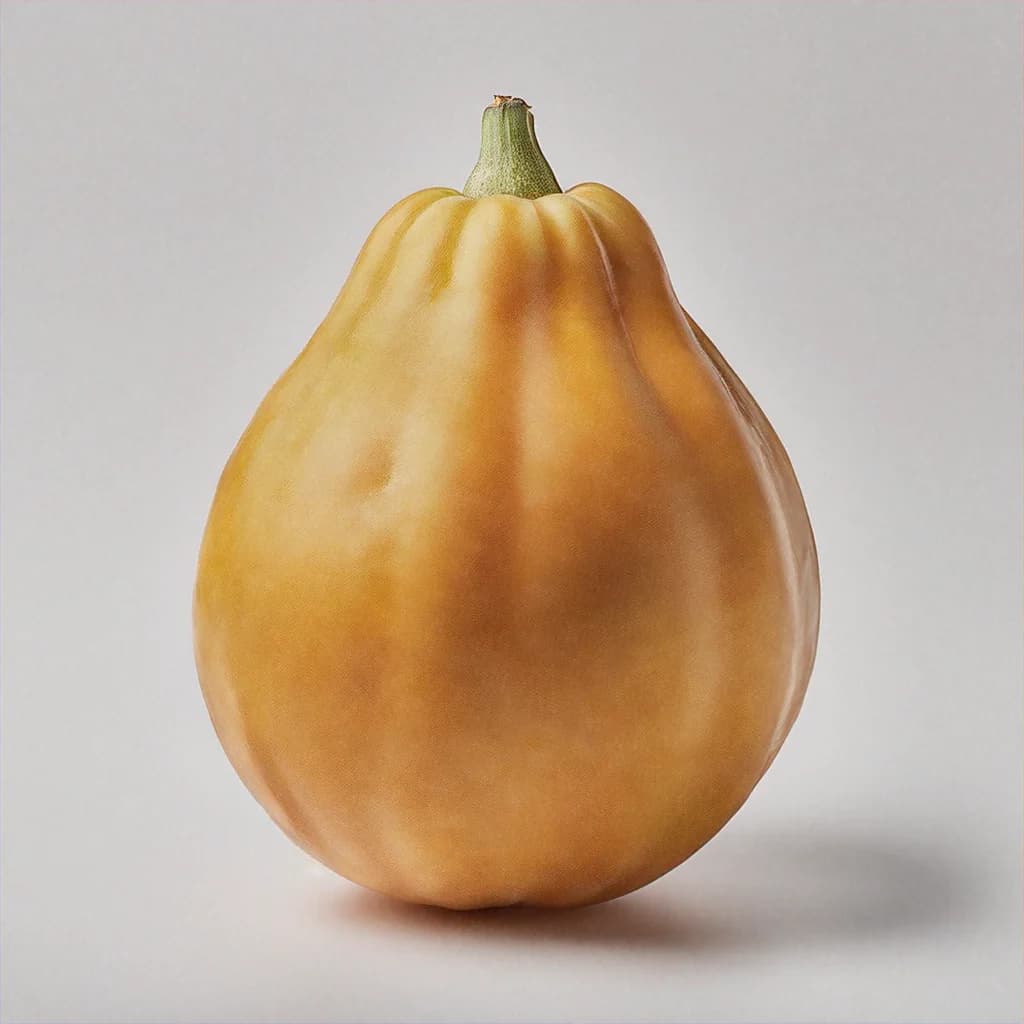
Mouriri pusa
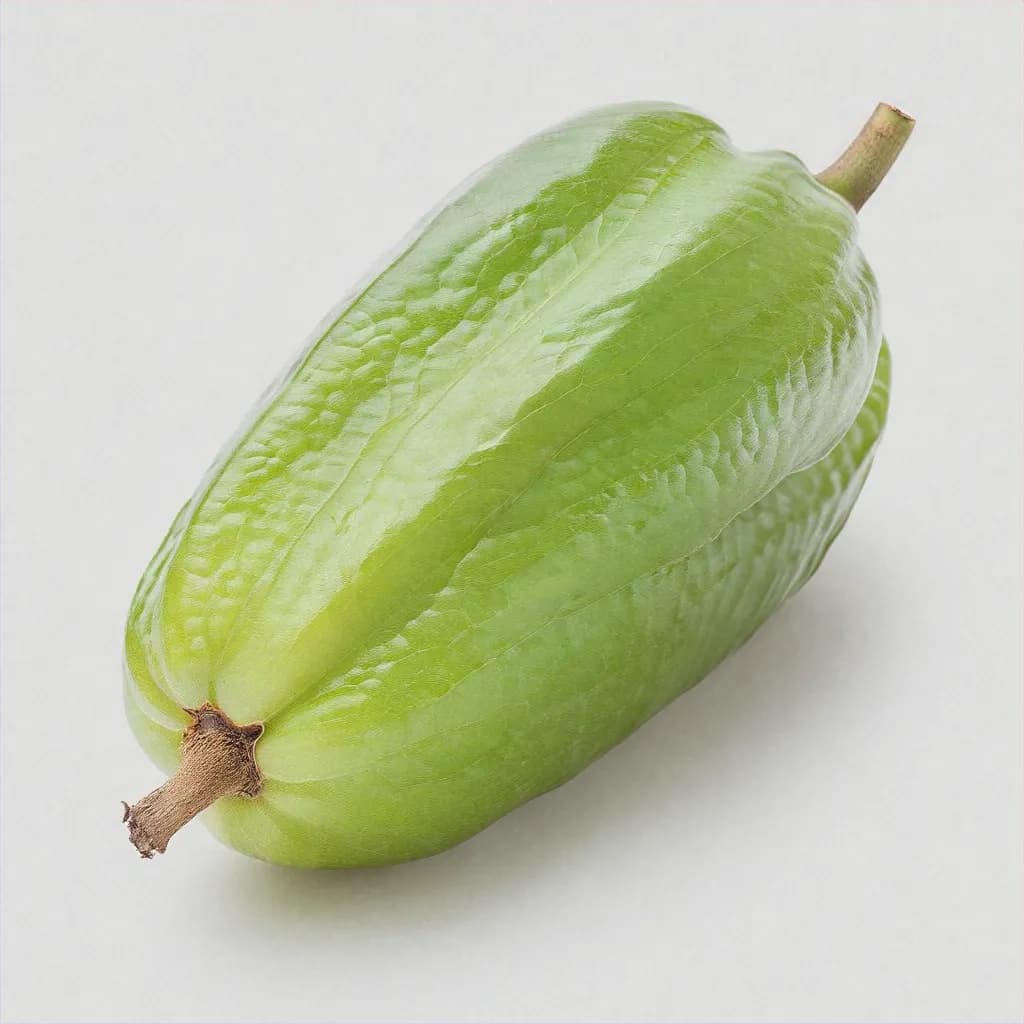
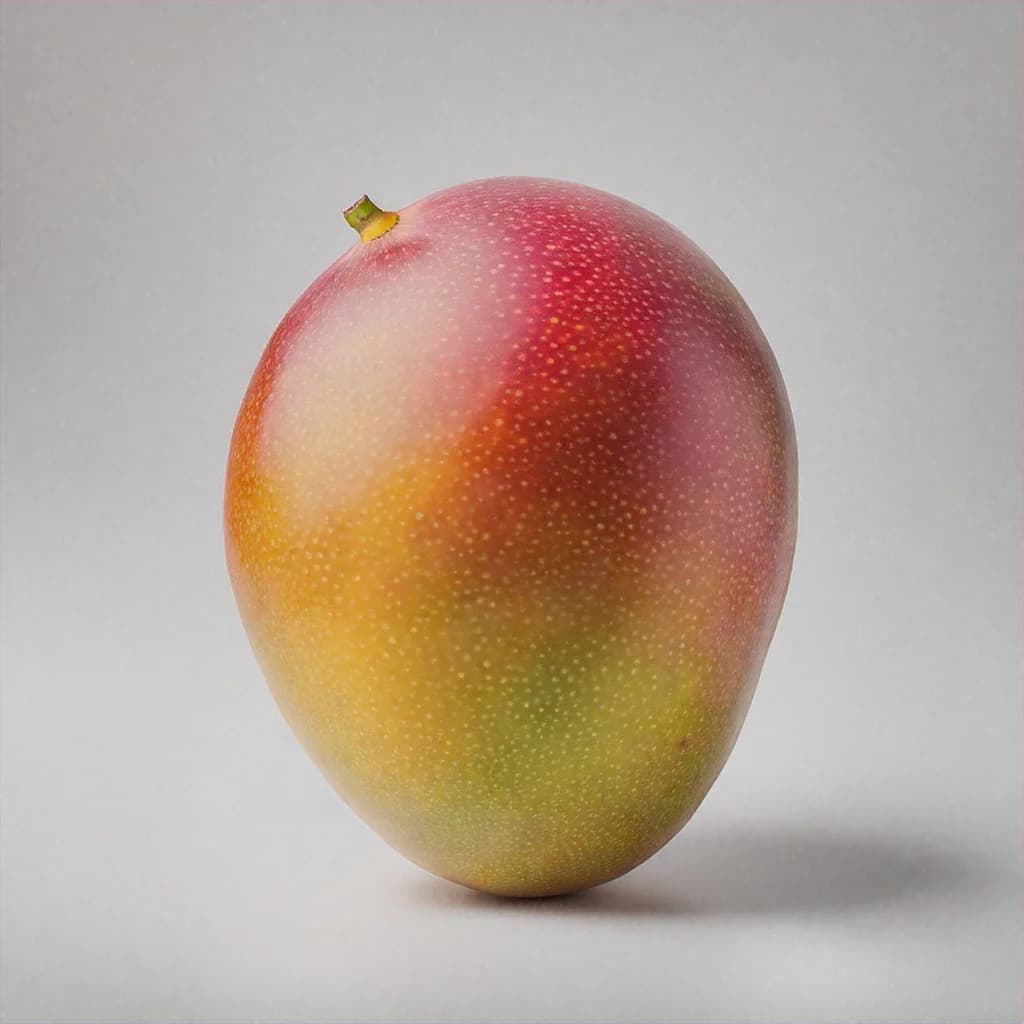
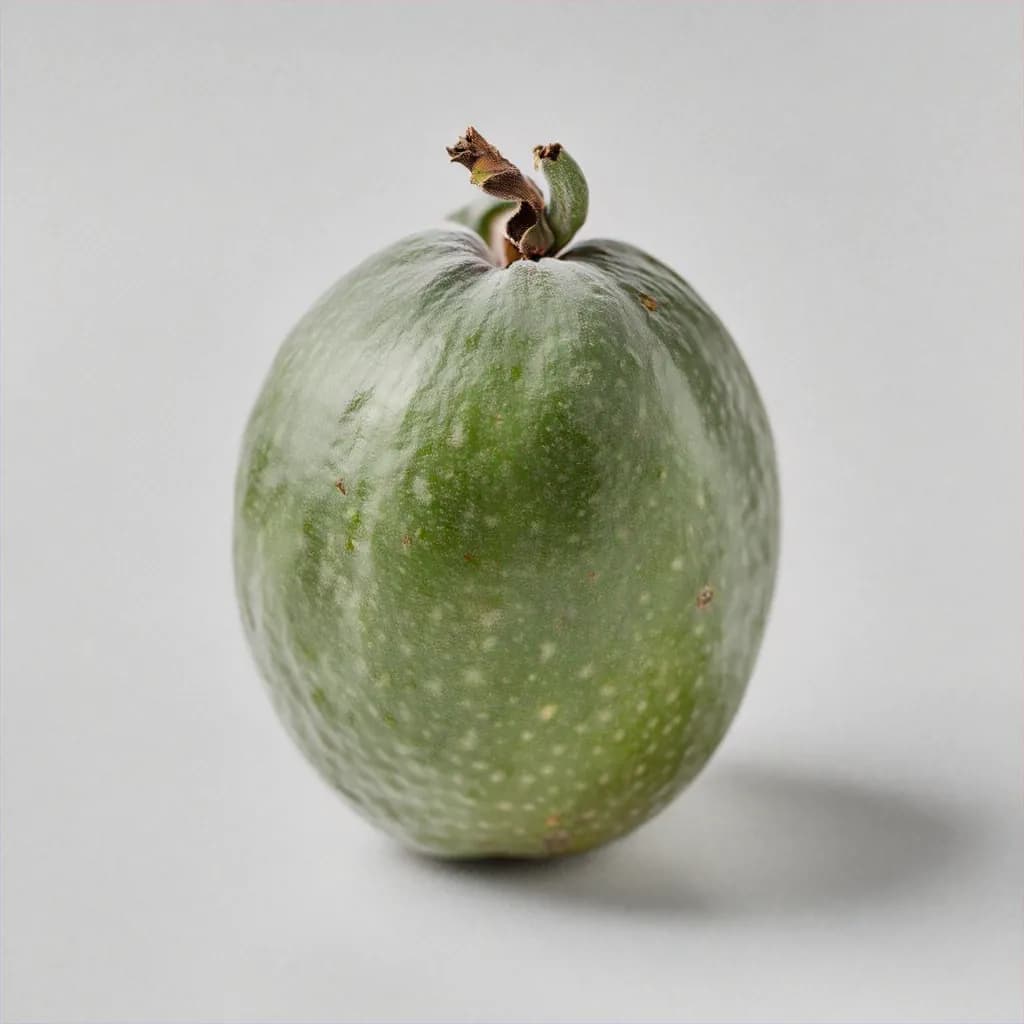
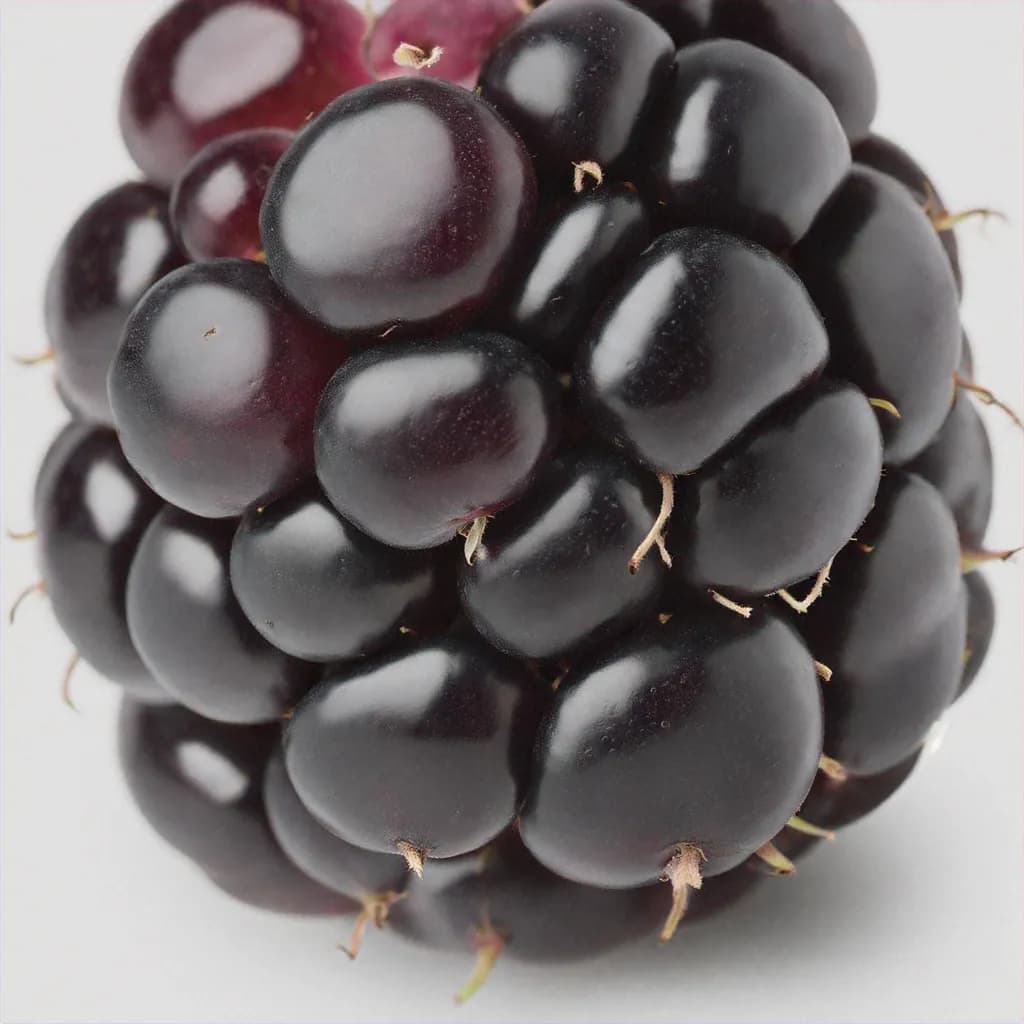
Puca, scientifically known as Mouriri pusa, is a tropical fruit native to the Amazon rainforest. This small, round fruit boasts a vibrant yellow-orange hue when ripe, encasing a juicy, tangy pulp that is both refreshing and slightly acidic. The fruit grows on a medium-sized tree, thriving in the humid, tropical climate of South America. Puca is celebrated for its high antioxidant content, particularly its rich supply of vitamin C and polyphenols, which contribute to its potential health benefits. Its unique flavor profile makes it a versatile ingredient in both sweet and savory dishes, while its nutritional density positions it as a valuable addition to diets focused on immunity, digestion, and overall well-being.
Explore Puca in stunning detail
Puca - Main View
Per 100g
Per 100g
Nutrition breakdown for one serving
Amazon Rainforest
Puca has been a staple in the diets of indigenous Amazonian communities for centuries. Its cultivation is deeply rooted in traditional practices, and it remains an important source of nutrition and medicinal compounds in the region.
Year-round in tropical climates
Each variety offers unique flavors, textures, and culinary applications
Keep your fruit fresh and delicious for longer
Look for Puca fruits with a vibrant yellow-orange hue, indicating ripeness.
Avoid fruits with bruises, blemishes, or an overly soft texture.
Store Puca at room temperature for up to 3 days.
Refrigerate for extended storage, up to 7 days.
Preserve freshness for months
Freeze Puca pulp in airtight containers for up to 3 months.
Use frozen pulp in smoothies, juices, or desserts.
Label frozen items with the date to track freshness. Most fruits maintain quality for 2-3 months when properly frozen. For best results, use airtight containers or freezer bags to prevent freezer burn.
Discover delicious possibilities
Puca is not known to be a common allergen, but individuals with fruit allergies should exercise caution.
Puca is typically grown using traditional, low-pesticide methods, reducing the risk of chemical residues.
Surprising trivia you'll love!
Puca is often referred to as the 'Amazonian starfruit' due to its unique shape and vibrant color.
Indigenous communities in the Amazon have used Puca for centuries as both a food source and a medicinal plant.
Puca has a tangy, slightly acidic flavor with a hint of sweetness. Its taste is often compared to a blend of citrus and tropical fruits.
Ripe Puca fruits have a vibrant yellow-orange color and give slightly when gently pressed. Avoid underripe fruits, which are green or hard.
Yes, you can freeze Puca pulp for up to 3 months. Freezing helps preserve its flavor and nutritional value.
Puca is commonly used in smoothies, juices, jams, and salsas. Its tangy flavor pairs well with both sweet and savory dishes.
Puca has a moderate sugar content of 10.2g per 100g, making it a balanced option for those watching their sugar intake.
There are no known significant interactions between Puca and medications. However, individuals on blood-thinning medications should consult a healthcare provider before consuming large amounts.
Puca is generally considered sustainable, as it is often cultivated in traditional, low-impact methods by indigenous communities in the Amazon.
Sustainability insights
Puca is often cultivated sustainably in the Amazon, with minimal environmental impact.
Low, due to traditional farming practices and minimal processing.
Moderate, as Puca trees are adapted to the humid tropical climate.
Locally grown Puca in the Amazon has a lower environmental impact compared to imported varieties.
We aim to keep this Puca profile accurate and easy to understand. Nutrition values and % Daily Value figures are based on established reference databases and standard daily value guidance.
Last updated: September 30, 2026
Medical disclaimer
This page is for general educational purposes and does not replace professional medical advice.
Found an issue? Contact us.