Loading Fruit Details...
Please wait while we fetch nutritional information and health benefits
Please wait while we fetch nutritional information and health benefits
Recommended Products
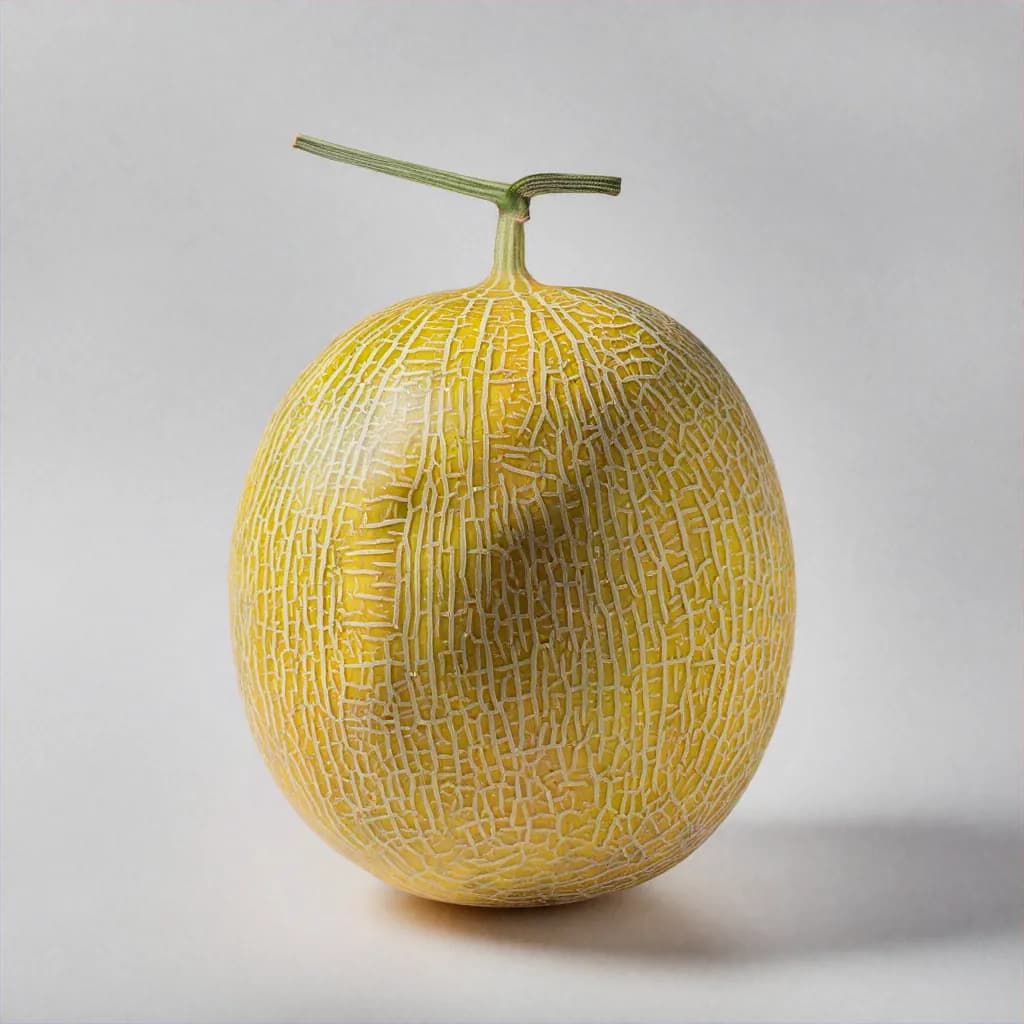
Cucumis melo var. inodorus
Canary melons are large, oval-shaped melons with distinctive bright yellow skin and pale green to white flesh. Known for their sweet, mild flavor reminiscent of honeydew with subtle tropical notes, canary melons offer refreshing taste and smooth, juicy texture. These melons are rich in vitamins A and C, potassium, and beneficial antioxidants while being low in calories and highly hydrating. The firm, creamy flesh has delicate sweetness without overpowering intensity, making canary melons versatile for fresh eating, fruit salads, smoothies, and desserts. With their impressive size (4-5 pounds on average) and extended shelf life compared to other melons, canary melons provide exceptional value and convenience for households seeking nutritious, refreshing fruit.
Explore Canary Melon in stunning detail
Canary Melon - Main View
Per 100g
Per 100g
Nutrition breakdown for one serving
Persia and Mediterranean region
Canary melons, also known as Juan Canary or Spanish melons, belong to the inodorus group of Cucumis melo, which includes honeydew and Crenshaw melons. The variety originated in the Mediterranean region and Persia (modern-day Iran), where melons have been cultivated for thousands of years. The name 'canary' refers to the melon's distinctive bright yellow skin color, similar to canary birds. These melons were traditionally grown in Spain and North Africa, spreading to the Americas through Spanish colonization. In modern times, canary melons gained commercial significance in Central America, particularly Costa Rica and Guatemala, which became major exporters to North American markets. The melons' extended shelf life (2-3 weeks when properly stored) made them ideal for long-distance shipping, increasing their popularity. California growers adopted canary melons in the mid-20th century, establishing domestic production. Today, canary melons are valued for their sweet, mild flavor, excellent keeping quality, and versatility in culinary applications, though they remain less familiar than cantaloupe or honeydew to many consumers.
Year-round availability through global production
Each variety offers unique flavors, textures, and culinary applications
Keep your fruit fresh and delicious for longer
Select canary melons with bright, vibrant yellow color - deeper yellow indicates better ripeness
Choose melons that feel heavy for their size, indicating good juice content and ripeness
Skin should be waxy and slightly sticky to touch when ripe
Gently press the blossom end (opposite stem) - should yield slightly with gentle pressure when ripe
Avoid melons with soft spots, bruises, cuts, or mold on the rind
Look for melons with smooth, unblemished skin without significant scarring
Ripe canary melons have subtle sweet aroma at the blossom end - not overpowering
Stem end should be slightly sunken and dry, not green or moist
Avoid melons that are too soft overall or have strong fermented smell (overripe)
Medium to large size (4-5 pounds) typically offers best flavor-to-seed ratio
Uncut canary melons can be stored at room temperature (65-70°F) until fully ripe
Once ripe, refrigerate whole melons to extend shelf life up to 2-3 weeks
Store whole melons away from ethylene-producing fruits (apples, bananas) to prevent over-ripening
After cutting, wrap tightly in plastic wrap or store in airtight container
Refrigerate cut melon immediately and consume within 3-5 days for best quality
Remove seeds before storing cut melon to prevent moisture buildup
Keep cut melon away from strong-smelling foods - melon absorbs odors easily
For best flavor, remove melon from refrigerator 30 minutes before serving
Preserve freshness for months
Cut canary melon into cubes or balls before freezing
Arrange melon pieces in single layer on parchment-lined baking sheet
Flash freeze for 2-3 hours until solid
Transfer frozen melon to freezer-safe bags or containers, removing excess air
Frozen canary melon maintains quality for 10-12 months
Best used in smoothies, frozen desserts, or blended drinks (texture becomes soft when thawed)
For better texture preservation, toss melon cubes in light sugar syrup before freezing
Thawed melon works well in purees, sauces, and agua fresca but not fresh eating
Label frozen items with the date to track freshness. Most fruits maintain quality for 2-3 months when properly frozen. For best results, use airtight containers or freezer bags to prevent freezer burn.
Discover delicious possibilities
Canary melon allergies are relatively uncommon but can occur, particularly in individuals with existing melon or food allergies. Allergic reactions may manifest as oral allergy syndrome (OAS) - itching, tingling, or swelling of mouth, lips, tongue, and throat - especially in people with ragweed pollen allergies. True canary melon allergy can cause more severe symptoms including hives, skin rashes, digestive upset (nausea, vomiting, diarrhea), respiratory symptoms (wheezing, difficulty breathing), or rarely, anaphylaxis. Cross-reactivity may occur with other Cucurbitaceae family members (cucumbers, zucchini, watermelon, cantaloupe, honeydew, squash, pumpkin). Some individuals react to proteins similar to birch or grass pollen. Those with latex-fruit syndrome may react to melons due to protein similarities. Most reactions are mild and localized to the mouth. Cooking may reduce allergenic proteins, though melons are rarely consumed cooked. Individuals with known melon allergies should avoid canary melon and read ingredient labels carefully.
Conventionally grown canary melons may contain pesticide residues, though the thick rind provides some protection to the edible flesh. The Environmental Working Group does not list canary melons specifically, but melons generally show low to moderate pesticide residues compared to berries and leafy greens. The smooth, waxy skin (unlike netted cantaloupe rind) harbors fewer bacteria and pesticides in crevices. However, proper washing is essential as knives can transfer contaminants from rind to flesh during cutting. Always scrub the entire melon exterior under running water with vegetable brush before cutting, even if you won't eat the rind. Consider organic canary melons for frequent consumers, children, and pregnant women to minimize exposure. Imported melons from Central America may have different pesticide regulations than domestic produce. Proper washing removes most surface pesticide residues effectively.
Surprising trivia you'll love!
Canary melons got their name from their distinctive bright yellow color resembling canary birds, not from the Canary Islands
A single canary melon can weigh 4-5 pounds on average, with some specimens reaching 8-10 pounds
These melons can last 2-3 weeks when refrigerated, significantly longer than cantaloupe (5-7 days) or watermelon (7-10 days)
Canary melons belong to the same species as honeydew, cantaloupe, and casaba melons - all are Cucumis melo varieties
The waxy coating on canary melon skin helps preserve moisture and extend shelf life during shipping
In Spain, canary melons are traditional pairing with jamón serrano (cured ham) as popular tapas
Central America, particularly Costa Rica and Guatemala, exports millions of canary melons annually to North American markets
The flesh of canary melon contains over 90% water, making it one of the most hydrating fruits available
Canary melons were introduced to California agriculture in the mid-20th century and thrived in desert climates
Unlike cantaloupe with netted rind, canary melons have completely smooth, waxy skin that doesn't harbor bacteria in crevices
While canary melons and honeydew melons are both members of the inodorus group and share similarities, they have distinct differences. Appearance: Canary melons have bright yellow, waxy skin while honeydew has pale green to creamy white skin. Flesh: Canary melons have pale green to white flesh versus honeydew's light green flesh. Size: Canary melons are generally larger and more elongated (oval-shaped) while honeydew is rounder. Flavor: Both are sweet and mild, but canary melons have subtle tropical notes and slightly firmer, crisper texture. Honeydew tends to be slightly sweeter with softer, more succulent flesh. Shelf life: Canary melons typically last longer (2-3 weeks refrigerated) compared to honeydew (1-2 weeks). Nutritionally similar with both providing vitamin C, vitamin A, and potassium. Canary melons are less common in stores but offer excellent keeping quality. Both can be used interchangeably in most recipes.
Determining canary melon ripeness requires checking several indicators. Color: Ripe canary melons display bright, vibrant canary yellow color - deeper yellow indicates better ripeness. Avoid melons with greenish tinge (underripe). Feel: The melon should feel heavy for its size, indicating good water content. Gently press the blossom end (opposite stem) - it should yield slightly to gentle pressure when ripe. Touch: Ripe canary melon skin feels slightly waxy and sticky to touch. Smell: Sniff the blossom end - ripe melons have subtle sweet, pleasant aroma (not overpowering). Stem: The stem end should be slightly sunken and dry. Sound: Tap the melon - ripe ones produce deeper, hollow sound versus higher-pitched sound from unripe melons. Unlike some melons, canary melons don't have dramatic color change or easily detach from vines, making assessment trickier. If purchased slightly underripe, leave at room temperature 3-5 days until skin becomes brighter yellow and blossom end softens slightly. Once ripe, refrigerate immediately.
No, canary melon skin (rind) is not typically eaten due to its thick, tough, waxy texture that's unpalatable and difficult to digest. Unlike some fruits with edible skin, melon rinds are fibrous and lack appealing flavor. However, the rind is not toxic - just unenjoyable to eat. Best practice: Cut the melon in half lengthwise, scoop out seeds, then cut into quarters or slices. Use sharp knife to separate flesh from rind by cutting along the curve between flesh and skin. The entire pale green to white flesh is edible and delicious. Creative uses for rinds: Some cultures pickle or candy melon rinds, compost rinds for garden use, or use as biodegradable serving 'bowls' for fruit salads. Always wash canary melon exterior thoroughly before cutting - bacteria on the rind can transfer to flesh via knife. Scrub under running water with vegetable brush, then dry before cutting.
Yes, canary melon is excellent for weight loss and weight management for several reasons. Low calorie density: Only 60 calories per cup despite generous portion size, allowing satisfying servings without excessive calories. High water content (over 90%) provides volume and hydration with minimal calories, promoting satiety and fullness. Natural sweetness satisfies sugar cravings healthily without added sugars or empty calories. Fiber content (1.4g per cup) aids digestion and helps you feel full longer, reducing overall calorie intake. Low fat (0.2g per cup) and low glycemic load (5) prevent blood sugar spikes and crashes that trigger hunger. Nutrient-dense despite low calories - provides vitamin C (35% DV), vitamin A (33% DV), and potassium (9% DV) supporting overall health during calorie restriction. High water content helps prevent overeating - water-rich foods naturally limit portion sizes. Refreshing taste makes it easy to choose over high-calorie desserts and snacks. Best practices: Eat fresh without added sugar or cream, use in smoothies as base instead of juice, pair with protein (Greek yogurt) for balanced snacks, and measure portions to track intake accurately.
Canary melons are known for exceptional shelf life compared to most melons. Whole unripe melon: 5-7 days at room temperature (65-70°F) until ripe. Whole ripe melon at room temperature: 2-3 days before quality declines. Whole ripe melon refrigerated: 2-3 weeks when stored properly - significantly longer than cantaloupe (5-7 days) or honeydew (1-2 weeks). Cut melon refrigerated: 3-5 days when tightly wrapped or in airtight container. Frozen melon: 10-12 months in freezer-safe containers. Signs of spoilage: Soft, mushy texture throughout; strong fermented or sour smell; visible mold (fuzzy growth); excessive liquid or sliminess; darkened or discolored flesh. The extended shelf life makes canary melons economical and practical for households - buy one large melon and enjoy fresh fruit for weeks. Storage tips for maximum longevity: Keep whole melon in refrigerator crisper drawer once ripe, store cut melon in airtight container away from strong-smelling foods, remove seeds from cut portions before storing, and check periodically for signs of spoilage.
Yes, diabetics can enjoy canary melon in moderation as part of balanced meal plan, though portion control is important. Glycemic considerations: Canary melon has glycemic index of 65 (medium) but glycemic load of only 5 (low) per standard serving, meaning minimal blood sugar impact when consumed in appropriate portions. The high water content (90%) and moderate fiber dilute sugar concentration. One cup serving contains 13.1g natural sugars - manageable for most diabetics when accounted for in daily carbohydrate budget. Benefits for diabetics: High water content aids hydration without calories; vitamin C supports immune function (important for diabetics); potassium supports heart health; low sodium benefits blood pressure control. Recommendations: Limit portions to 1 cup (177g) serving; pair with protein or healthy fat (Greek yogurt, nuts) to slow sugar absorption; eat as part of meal rather than alone; monitor individual blood glucose response; choose fresh melon over juice (fiber helps); account for 14.5g carbohydrates per cup in meal planning. Best practices: Test blood sugar before and 2 hours after eating to understand personal response, avoid melon if blood sugar is already elevated, and consult healthcare provider or dietitian for personalized guidance.
Canary melon has distinctive sweet, mild flavor with unique characteristics. Primary taste: Sweet but not intensely so - milder and more subtle than cantaloupe but similar to honeydew. Flavor profile: Clean, refreshing melon flavor with delicate tropical undertones reminiscent of mild pear or Asian pear. Some detect hints of honeydew, cucumber, and very subtle banana-like notes. The flavor is less musky than cantaloupe, making it appealing to those who dislike strong melon taste. Texture: Firm, crisp, and juicy - crisper than honeydew, less soft than cantaloupe. The flesh is smooth and creamy without graininess. Sweetness level: Moderately sweet when fully ripe - sugar content approximately 10-12% Brix (measurement of sweetness). Not cloying or overpowering. Comparison: If honeydew and Asian pear had a melon baby, it would taste like canary melon. The flavor is subtle enough to pair with savory ingredients (prosciutto, feta) while sweet enough for desserts. Ripeness matters significantly - underripe melons taste bland and flavorless, while perfectly ripe canary melons offer beautiful balance of sweetness, subtle complexity, and refreshing juiciness.
Yes, canary melon is safe for dogs in moderation and can provide health benefits. The flesh is non-toxic and offers hydration, vitamins, and natural sweetness dogs enjoy. Benefits: High water content (90%) provides hydration, especially beneficial in hot weather; vitamin C supports immune function (though dogs produce their own); vitamin A supports eye and skin health; low calories make healthy treat option; natural sugars provide quick energy. Feeding guidelines: Remove all rind and seeds before giving to dogs - rind is difficult to digest and could cause intestinal blockage; seeds may pose choking hazard. Portion sizes: Small dogs - 2-3 small cubes; medium dogs - 4-6 cubes; large dogs - 8-10 cubes as occasional treats. Introduce gradually to check tolerance. Considerations: High water content may cause increased urination; natural sugars mean treats should not exceed 10% of daily calories; some dogs may experience digestive upset (diarrhea) if overfed; diabetic dogs should avoid or have very limited amounts. Most dogs love the sweet, juicy taste. Frozen melon cubes make refreshing summer treats. Never feed moldy melon - mold toxins are harmful to dogs. While safe, canary melon is treat, not necessary nutrition for dogs.
Often described as the sweeter, more vibrant cousin to the honeydew, the Canary Melon has a delightfully refreshing and tropical taste profile.
At only 34 calories per 100g, it provides a guilt-free way to satisfy your sweet tooth while packing in vital Vitamin A and Vitamin C for immune and skin health.
Sustainability insights
Canary melon cultivation has moderate environmental impact with both sustainable aspects and challenges. Benefits include annual crop rotation opportunities improving soil health, efficient pollination by bees supporting biodiversity, and relatively pest-resistant compared to some crops reducing pesticide needs. The extended shelf life (2-3 weeks refrigerated) reduces food waste compared to more perishable fruits. Challenges include water-intensive cultivation in arid regions (though less than almonds or avocados), conventional farming often using synthetic fertilizers and pesticides, and long-distance transportation from Central America to North American markets increasing carbon footprint. California production offers more sustainable domestic option during summer months. Supporting organic canary melon production promotes soil health, reduces chemical inputs, and supports sustainable farming practices. The thick rind provides natural protection, potentially reducing pesticide needs.
Canary melon carbon footprint varies significantly based on origin and season. Domestic California melons during peak season (July-September) have low carbon footprint with minimal transportation distances and seasonal alignment. However, many canary melons sold year-round come from Central America (Costa Rica, Guatemala), requiring trucking or shipping thousands of miles, significantly increasing carbon emissions. The extended shelf life partially offsets transportation impact by reducing waste. Refrigerated storage and transport add to carbon footprint. Per-serving emissions are moderate compared to animal products but higher than local seasonal produce. To minimize carbon footprint: Buy domestic melons during peak season (summer), choose locally grown options at farmers markets, avoid off-season imports from distant countries, and utilize entire melon to reduce waste. The large size (4-5 pounds) means one melon provides many servings, improving efficiency compared to individually packaged fruits.
Canary melons require significant water during cultivation, particularly in arid growing regions like California, Arizona, and parts of Central America. Water footprint is approximately 200-280 liters per kilogram - moderate compared to other fruits. Melons need consistent moisture during growing season, with increased requirements during fruit development. Drip irrigation systems in modern operations significantly reduce water waste compared to flood irrigation. Desert regions require supplemental irrigation throughout growth cycle, while areas with adequate rainfall need less intervention. The high water content (90%) means substantial water is stored in the fruit itself. Compared to water-intensive crops like almonds (4,000+ liters/kg) or avocados (1,000+ liters/kg), canary melons are relatively water-efficient. Sustainable farming practices include drip irrigation, soil moisture monitoring, mulching to retain soil moisture, and rainwater harvesting. Supporting local growers in water-abundant regions reduces overall water impact.
Buying local canary melons during peak season (July-September in Northern Hemisphere) maximizes sustainability and minimizes carbon footprint. Seek California-grown melons at farmers markets, produce stands, and supermarkets during summer months - transportation distances are minimal and seasonal growing aligns with natural cycles. Supporting local farmers preserves agricultural diversity and regional economies. However, canary melons are year-round products in many stores due to imports from Central America (Costa Rica, Guatemala), Mexico, and Chile during off-seasons. These imported melons travel thousands of miles, significantly increasing carbon emissions. Trade-offs: Imported melons provide year-round access and support economies in producing countries, but have higher environmental costs. Best practices: Prioritize local seasonal melons when available, choose domestic over imported during overlapping seasons, buy whole melons rather than pre-cut (less packaging and processing), and utilize entire melon to minimize waste. Ask retailers about melon origin and choose closest source.
We aim to keep this Canary Melon profile accurate and easy to understand. Nutrition values and % Daily Value figures are based on established reference databases and standard daily value guidance.
Last updated: September 8, 2026
Medical disclaimer
This page is for general educational purposes and does not replace professional medical advice.
Found an issue? Contact us.
.webp&w=3840&q=75)