Loading Fruit Details...
Please wait while we fetch nutritional information and health benefits
Please wait while we fetch nutritional information and health benefits
Recommended Products
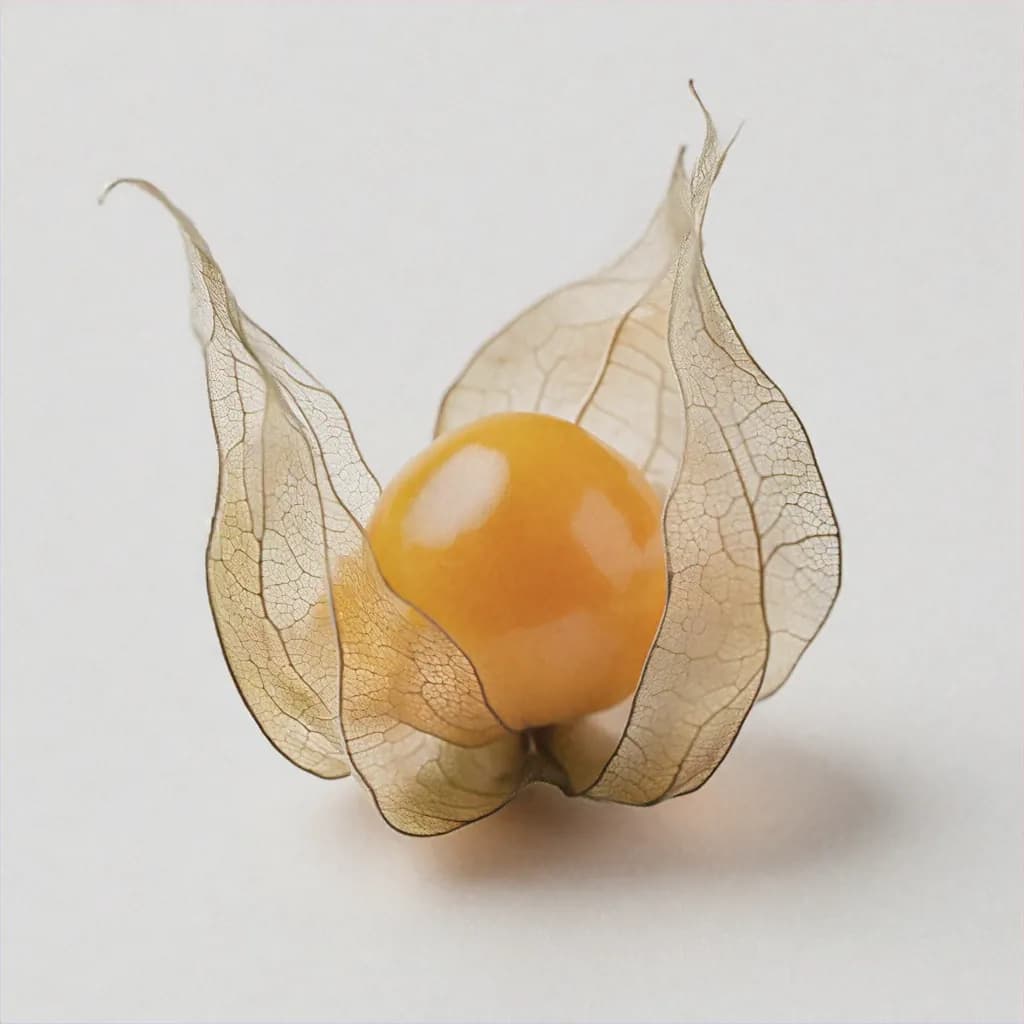
Physalis peruviana
Physalis, also called cape gooseberry or golden berry, are small tropical fruits enclosed in distinctive papery lantern-like husks featuring golden-yellow color, tart-sweet flavor, and exceptional nutritional density. Native to South America's Andes regions, physalis thrive in tropical and subtropical climates. Each fruit delivers impressive nutritional benefits - exceptional vitamin C (21% DV per 100g) supporting immune function and antioxidant protection, copper (13% DV) for collagen and immune support, manganese (7% DV) for bone health and metabolism, and valuable phytonutrients including carotenoids for vision health. Tart-sweet berry flavor complements sweet and savory applications including fresh consumption, jams, desserts, beverages, and garnishing. The distinctive papery husk provides natural protection and creates attractive presentation. Physalis support antioxidant defense through flavonoids and phenolic compounds reducing oxidative stress and inflammation. Traditional Andean use spanning centuries validated by modern research confirming immune-supporting and anti-inflammatory benefits. Physalis represent exotic superfruit combining concentrated nutrition, distinctive flavor, protective husk packaging, and culinary versatility making them increasingly popular global superfruit.
Explore Physalis in stunning detail
Physalis - Main View
Per 100g
Per 100g
Nutrition breakdown for one serving
Andes Mountains of South America, particularly Peru and Colombia
Physalis originated in Andean South America cultivated for centuries by indigenous Peruvian and Colombian peoples. Archaeological evidence shows use in pre-Columbian civilizations. Spanish conquistadors encountered physalis and distributed them to other tropical regions during colonial expansion. Portuguese traders introduced physalis to Africa and Asia during 16th-17th centuries. South Africa became major producer developing significant commercial cultivation. Modern global cultivation expanded post-1980s reflecting exotic fruit popularity and superfruit trends. Peru and Colombia remain primary producers maintaining traditional cultivation methods.
Year-round availability with seasonal variations by region
Each variety offers unique flavors, textures, and culinary applications
Keep your fruit fresh and delicious for longer
Select bright golden-yellow fruits inside papery husks - indicates full ripeness
Husks should be papery, dry, and intact protecting fruit
Avoid green or underripe fruits - will not fully ripen
Gently squeeze - slight softness indicates ripeness without bruising
Avoid soft, oozing, or moldy fruits
Sweet aroma indicates optimal ripeness
Larger fruits preferred over undersized ones
Purchase from stores with good turnover ensuring freshness
Store in papery husks unrefrigerated at room temperature 1-2 weeks
Refrigerate in ventilated container extending shelf life 2-3 weeks
Do not remove husks until ready to consume
Intact husks protect fruits from moisture loss and spoilage
Store away from ethylene-producing fruits
Unripe fruits ripen at room temperature naturally
Cooked physalis preparations store refrigerated 3-4 days
Preserve freshness for months
Wash and remove husks before freezing
Pat dry completely
Freeze on baking sheet 2-3 hours
Transfer to freezer bags removing excess air
Frozen physalis keeps 8-12 months
Use frozen for jams, sauces, and smoothies
Fresh texture lost after freezing - not ideal for fresh eating
Label frozen items with the date to track freshness. Most fruits maintain quality for 2-3 months when properly frozen. For best results, use airtight containers or freezer bags to prevent freezer burn.
Discover delicious possibilities
Physalis allergies uncommon but documented particularly in individuals with nightshade sensitivity or cross-reactivity to related fruits. Allergic reactions typically mild - mouth itching or throat irritation possible. Severe reactions rare. Those with tuber allergies should consult allergist about potential cross-reactivity.
Conventionally grown physalis may contain pesticide residues. Proper cleaning: Rinse thoroughly under cool running water for 10-15 seconds. Remove papery husk completely. Organic physalis eliminate synthetic pesticide concerns.
Surprising trivia you'll love!
Physalis distinctive papery husk (calyx) originated as flower part developing into protective seed covering - unique botanical feature
Cape gooseberry name derives from cape of Good Hope in South Africa where significant commercial cultivation developed during colonial era
Golden berry name reflects fruits bright golden-yellow color at peak ripeness and increasing popularity as superfruit
Physalis fruits can last 2-3 weeks unrefrigerated in intact papery husks without refrigeration - exceptional storage capability
Traditional Andean peoples cultivated physalis for thousands of years before Spanish conquistadors introduced them to global markets
Peru and Colombia together produce majority of world physalis supply maintaining traditional high-altitude cultivation methods
Physalis contain withanolides - specialized phytonutrients also found in ashwagandha with potential immune-supporting properties
Single physalis plant produces hundreds of fruits during growing season creating abundant harvests in ideal conditions
Papery husks natural protection allows physalis to develop superior sugar content and flavor complexity during ripening
Chocolate-dipped physalis considered luxury confection in European and premium markets commanding high prices
Ripeness identification and husk removal are straightforward once technique mastered. RIPENESS INDICATORS: Color golden-yellow when fully ripe (green indicates unripe). Husk papery and dry indicating natural maturation. Slight softness when gently squeezed indicates readiness. Sweet aroma present when ripe. Underripe fruits remain hard and green - will not ripen fully off plant. HUSK REMOVAL: Gently peel away papery husk covering fruit. Intact husk indicates quality and protected ripening. Husk peels away cleanly from ripe fruit. Remove all husk paper before consuming. RIPENING AT ROOM TEMPERATURE: Unripe physalis placed in paper bag ripen naturally 1-2 weeks. Ethylene from apples accelerates ripening if desired. Check daily for progress. Ripeness achieved when golden-yellow color develops. CONSUMPTION: Eat fresh immediately after husk removal. Bite whole fruit and enjoy tart-sweet flavor. Spit out any seeds if preferred. Wash before consuming if desired. STORAGE IN HUSK: Unpeeled physalis in husks store room temperature 1-2 weeks, refrigerated 2-3 weeks. Intact husk provides protection and extends shelf life. Remove husk only when ready to consume. BOTTOM LINE: Ripe physalis feature golden-yellow color, papery dry husk, and sweet aroma - peel away husk and consume fresh or cook as desired.
Physalis represent unique fruit distinct from common berries and true gooseberries. PHYSALIS VS GOOSEBERRIES: Physalis enclosed in papery husk - true gooseberries exposed without husk. Physalis golden-yellow color - gooseberries green/red. Physalis tart-sweet distinctive flavor - gooseberries more acidic. Physalis tropical origin - gooseberries temperate climate. Physalis higher vitamin C and antioxidants than many gooseberries. PHYSALIS VS OTHER BERRIES: Size significantly smaller than most berries (10-15g average). Flavor more complex tart-sweet profile than simple berries. Papery husk unique protective feature. Longer shelf life than most berries due to husk protection. Tropical origin distinct from temperate berries. NUTRITIONAL ADVANTAGES: Exceptional vitamin C (21% DV) surpassing many berries. Copper content higher than typical berries. Withanolides unique phytonutrient present in physalis. Carotenoids support vision health distinctly. UNIQUE CHARACTERISTICS: Papery husk provides natural packaging and attractive presentation. Long shelf life enables global distribution. Distinctive tart-sweet flavor profile. Protective husk allows transportation without refrigeration initially. CULINARY DISTINCTION: Physalis unique for both fresh consumption and cooking applications. Decorative papery husks create attractive plating. Versatile in both sweet and savory preparations. BOTTOM LINE: Physalis represent unique fruit category distinct from berries and gooseberries featuring papery husk protection, distinctive tart-sweet flavor, exceptional vitamin C, and extended shelf life.
Physalis jam making is straightforward creating delicious preserve with distinctive tart-sweet flavor. BASIC JAM RECIPE: 500g fresh physalis (husked, washed), 250g sugar, 15ml lemon juice, 5ml pectin or natural setting. PREPARATION: Remove papery husks from physalis. Wash fruit thoroughly. Chop or crush fruit to release juices. Combine with sugar and lemon juice in large pot. Bring to boil stirring constantly. Reduce heat and simmer 30-40 minutes stirring occasionally. Jam ready when setting point reached (wrinkle test - drop sample on cold plate, push with finger, if wrinkle forms jam ready). VARIATIONS: Add vanilla extract for complexity. Include cinnamon for warm spice. Add ginger for heat and depth. Combine with other fruits (berries, mango). STORAGE: Pour hot jam into sterilized jars. Seal while hot creating vacuum seal. Store unopened 1+ year in cool dark place. Refrigerate after opening using within 2 weeks. SERVING SUGGESTIONS: Spread on toast or croissants. Serve with cheese and crackers. Swirl into yogurt. Top cheesecake or desserts. Mix into smoothies. Glaze for pastries. FLAVOR COMBINATIONS: Physalis-vanilla jam - classic elegant option. Physalis-ginger jam - spicy warmth enhancement. Physalis-mango jam - tropical blend. Physalis-chocolate - sweet richness. BOTTOM LINE: Physalis jam simple to make following basic recipe with endless flavor variation possibilities creating distinctive preserve celebrating tart-sweet berry flavor.
Physalis safety for pregnant women and children excellent with proper handling and consumption. PREGNANCY SAFETY: Exceptional vitamin C (21% DV) supports fetal development and placental function. Folate content modest but beneficial for neural tube development. Fiber promotes digestive health reducing pregnancy-related constipation. Low glycemic impact appropriate for gestational diabetes management. No caffeine or harmful compounds. Generally safe in normal quantities during pregnancy. RECOMMENDED INTAKE: 1-2 servings daily during pregnancy provides nutritional benefits without excessive calorie or sugar intake. CHILDREN SAFETY: Appropriate fruit for children providing excellent nutrition. Choking hazard precaution - small size may pose risk for very young children (under 4 years). Monitor young children during consumption. Introduce gradually as with all new foods. Allergy risk low but watch for first-time reactions. Tart flavor may require time for acceptance. NUTRITIONAL BENEFITS: Excellent vitamin C supports immune development. Copper supports proper growth and neural development. Fiber promotes healthy digestion. Lower sugar content than many fruits reduces cavity risk. PREPARATION FOR CHILDREN: Remove husk completely ensuring no choking hazard. Cut into quarters or smaller pieces if necessary for young ages. Introduce one piece at a time observing for reactions. Mix into smoothies or soft foods if direct eating challenging. ALLERGY PRECAUTIONS: No major allergens present but tuber/nightshade sensitivity warrants caution. Introduce new food to children with 3-5 day observation period. Monitor for any adverse reactions. BOTTOM LINE: Physalis safe for pregnant women and children when properly prepared and consumed in appropriate quantities providing excellent nutrition and minimal risk when basic safety precautions observed.
Sustainability insights
Physalis cultivation represents sustainable tropical agriculture with minimal environmental impact. Benefits include high yield per plant, no significant pesticide requirements, perennial cultivation potential, and integration into diverse cropping systems. Challenges include potential monoculture concerns in large-scale operations and labor-intensive hand harvesting. Sustainable practices include organic cultivation, rainwater harvesting, shade-grown techniques, and fair trade certification supporting farmer welfare.
Physalis carbon footprint is low-moderate due to tropical cultivation and hand harvesting requirements. Fresh fruit requires no processing. Carbon footprint primarily from cultivation and long-distance transportation from tropical regions. Local cultivation dramatically reduces footprint. Purchase from closer regional producers when available.
Physalis cultivation requires moderate water reflecting tropical growing conditions. Rainfall-dependent cultivation in native regions minimizes supplemental irrigation. Water-intensive only in arid regions. Sustainable practices include rainwater harvesting and drip irrigation efficiency.
Supporting local physalis cultivation when possible maximizes sustainability. Imported physalis represent transportation carbon but specialty fruit requires tropical climate. BEST PRACTICES: Purchase imported physalis when local unavailable, support fair trade certified producers, choose fresh over processed, source from closer tropical regions when possible.
We aim to keep this Physalis profile accurate and easy to understand. Nutrition values and % Daily Value figures are based on established reference databases and standard daily value guidance.
Last updated: September 21, 2026
Medical disclaimer
This page is for general educational purposes and does not replace professional medical advice.
Found an issue? Contact us.