Loading Fruit Details...
Please wait while we fetch nutritional information and health benefits
Please wait while we fetch nutritional information and health benefits
Recommended Products
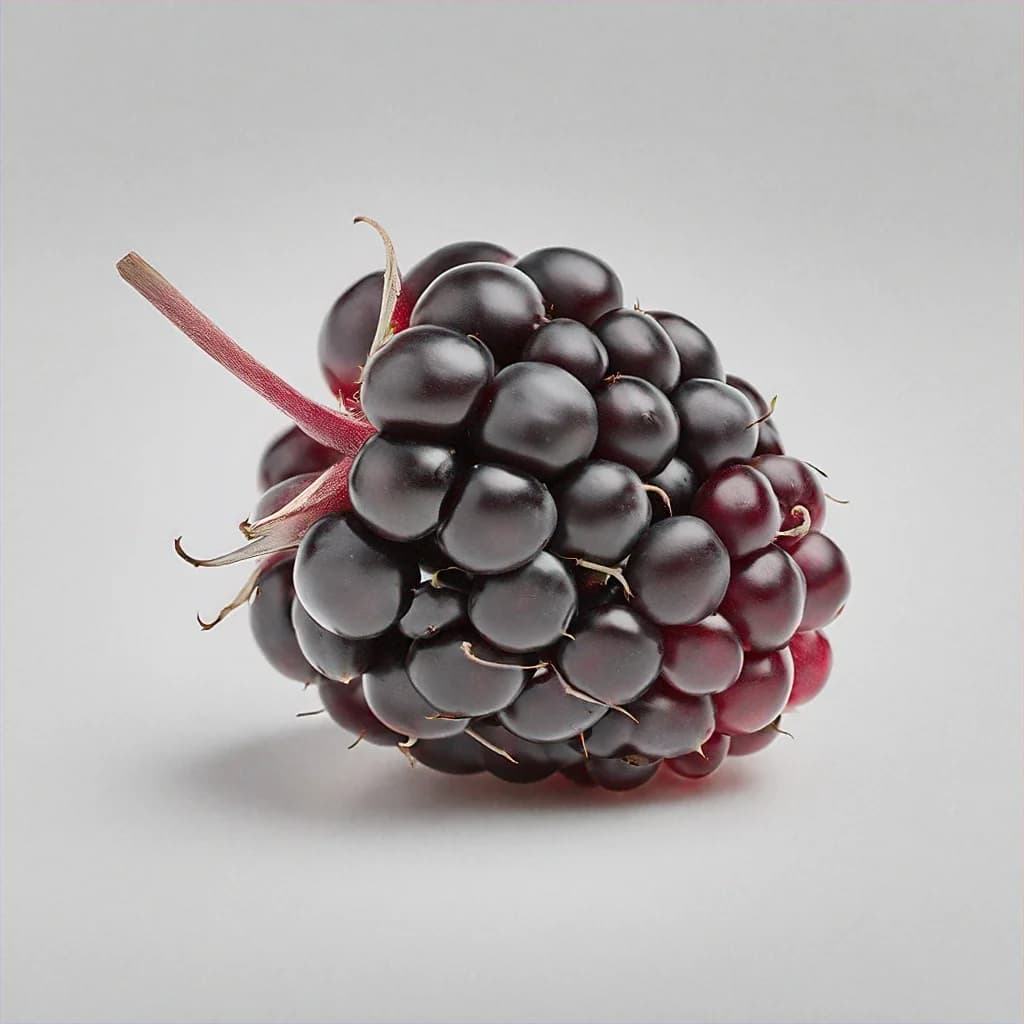
Rubus phoenicolasius
The wineberry, scientifically known as Rubus phoenicolasius, is a delightful member of the rose family, celebrated for its unique appearance and exquisite flavor. With its vibrant red, hairy stems and delicate, ruby-red fruits, the wineberry is a visual treat in any garden or wild setting. These berries are slightly tart with a sweet undertone, offering a complex flavor profile that is both refreshing and satisfying. Wineberries are rich in antioxidants, vitamins, and dietary fiber, making them a nutritional powerhouse. They thrive in shaded, moist environments and are often found in woodland edges and along forest trails. Whether enjoyed fresh, in jams, or as part of a dessert, wineberries are a versatile and healthful addition to any diet.
Explore Wineberry in stunning detail
Wineberry - Main View
Per 100g
Per 100g
Nutrition breakdown for one serving
East Asia
Wineberries are native to East Asia and have been cultivated for centuries. They were introduced to Europe and North America in the 19th century and have since naturalized in many regions, becoming a favorite among foragers and gardeners alike.
Late spring to early summer
Each variety offers unique flavors, textures, and culinary applications
Keep your fruit fresh and delicious for longer
Select bright red, plump berries.
Avoid berries that are shriveled or have mold.
Store in the refrigerator in a breathable container.
Keep away from moisture to prevent spoilage.
Preserve freshness for months
Freeze in a single layer on a baking sheet before transferring to an airtight container.
Use within 6 months for best quality.
Label frozen items with the date to track freshness. Most fruits maintain quality for 2-3 months when properly frozen. For best results, use airtight containers or freezer bags to prevent freezer burn.
Discover delicious possibilities
Wineberries are generally hypoallergenic, but individuals with berry allergies should exercise caution.
Wineberries are often foraged or grown organically, reducing pesticide exposure.
Surprising trivia you'll love!
Wineberries are often used in traditional Chinese medicine for their health benefits.
The hairy stems of wineberries make them easy to identify in the wild.
Wineberries have a sweet-tart flavor, similar to raspberries but with a slightly more complex taste.
Ripe wineberries are bright red and slightly soft to the touch. Avoid berries that are green or hard.
Yes, wineberries can be frozen. Spread them in a single layer on a baking sheet, freeze, and then transfer to an airtight container.
Wineberries can be used fresh, in jams, baked goods, smoothies, or as a topping for yogurt and oatmeal.
Yes, wineberries are low in calories and high in fiber, making them a good choice for weight management.
Wineberries are generally safe, but individuals on blood-thinning medications should consult a doctor due to their vitamin K content.
Wineberries are generally safe for dogs and cats in small amounts, but consult a vet for personalized advice.
Sustainability insights
Wineberries are often foraged or grown in small-scale, sustainable gardens.
Low, due to minimal transportation and processing.
Moderate, as wineberries thrive in moist environments but do not require excessive irrigation.
Wineberries are often locally sourced, reducing the environmental impact compared to imported fruits.
We aim to keep this Wineberry profile accurate and easy to understand. Nutrition values and % Daily Value figures are based on established reference databases and standard daily value guidance.
Last updated: October 2, 2026
Medical disclaimer
This page is for general educational purposes and does not replace professional medical advice.
Found an issue? Contact us.