Loading Fruit Details...
Please wait while we fetch nutritional information and health benefits
Please wait while we fetch nutritional information and health benefits
Recommended Products
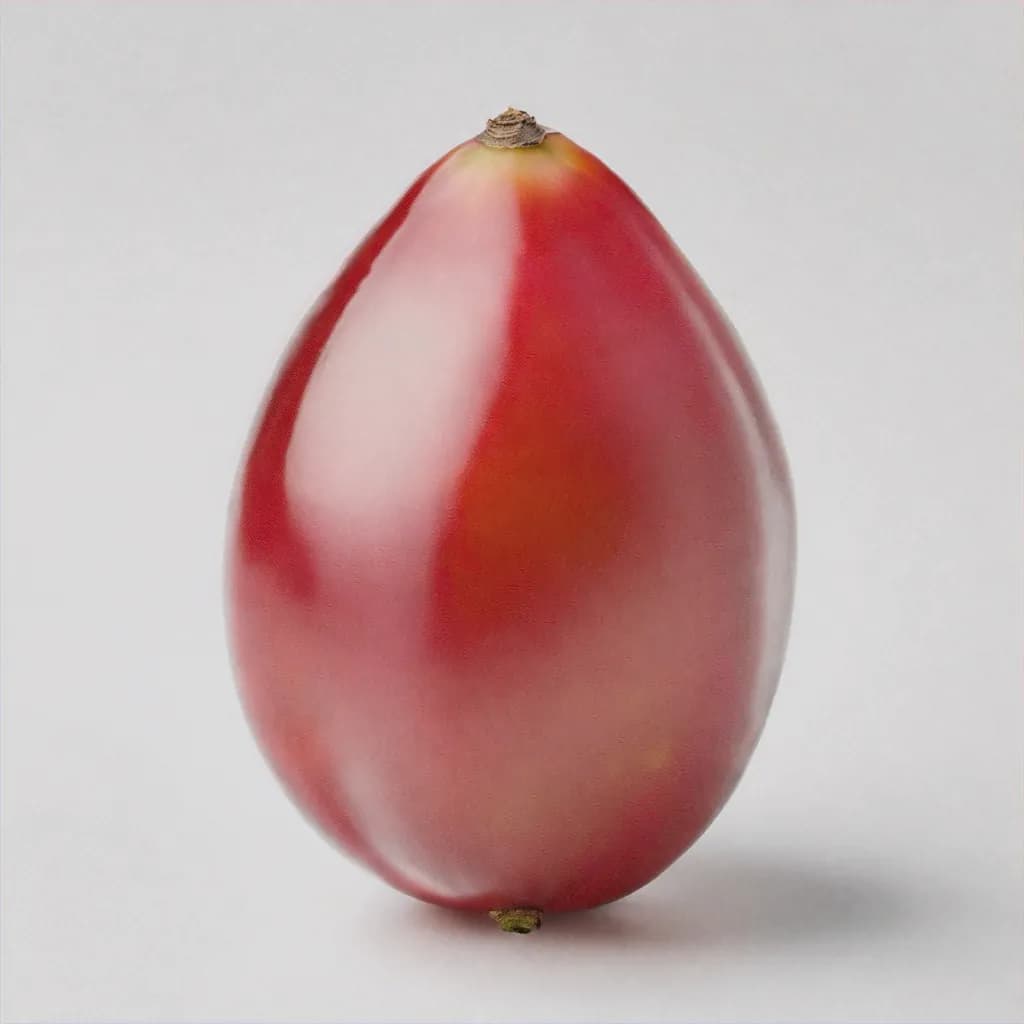
Synsepalum dulcificum
Miracle fruit is an extraordinary West African superfruit famous for its unique taste-modifying properties. Rich in vitamin C (15% DV) and polyphenols, miracle fruit supports immune health, digestive wellness, and comprehensive antioxidant protection. At just 38 calories per 100g with exceptional nutrient density and remarkable bioactive compounds, miracle fruits are treasured in African cuisines and increasingly valued globally for their culinary innovation and health benefits. Perfect for fresh eating, taste experiences, beverages, culinary applications, and comprehensive nutritional wellness.
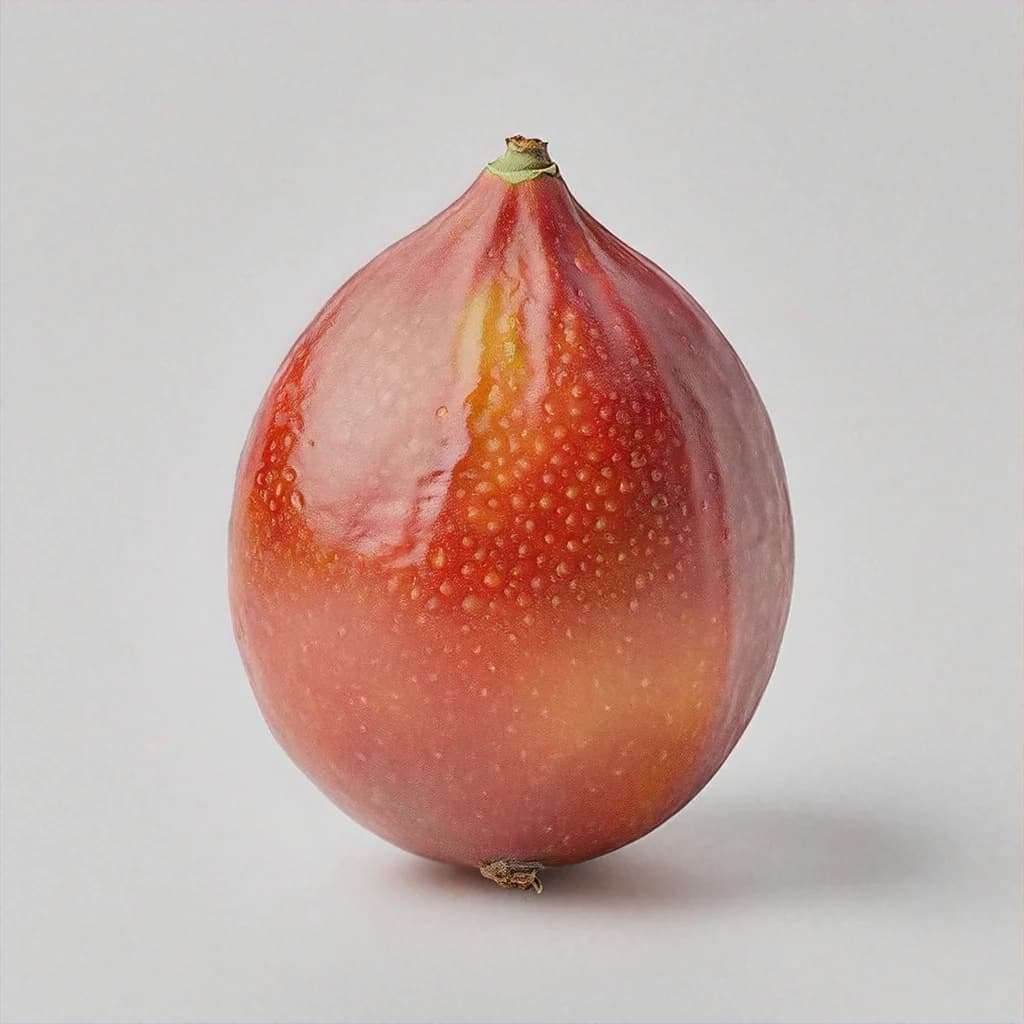
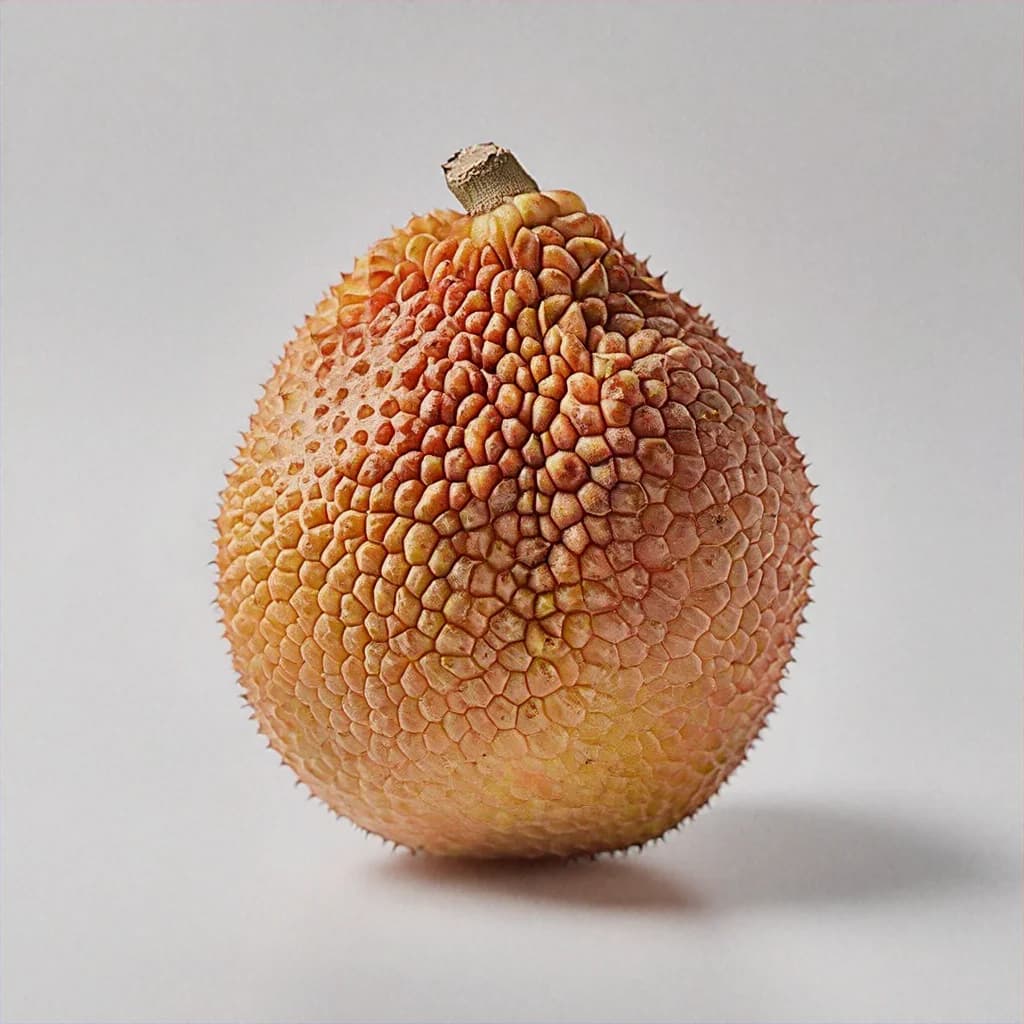
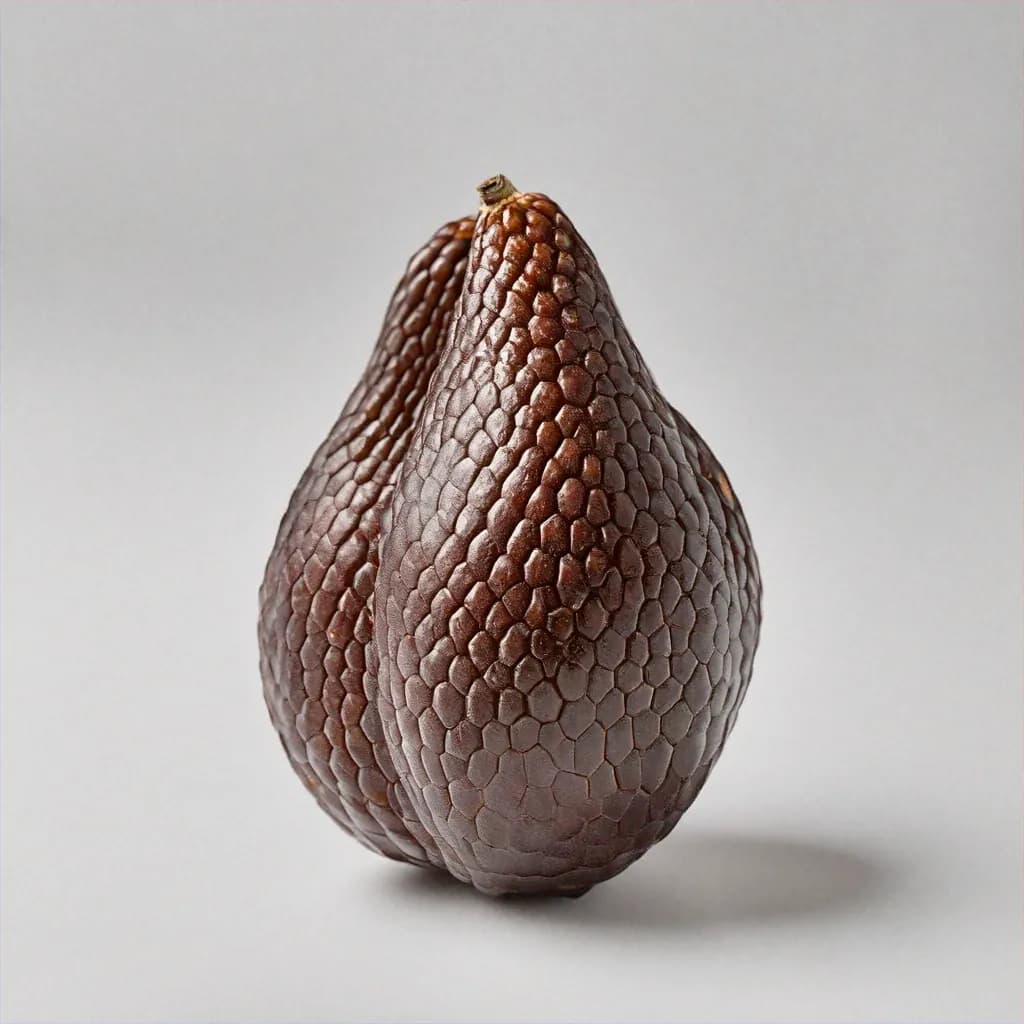
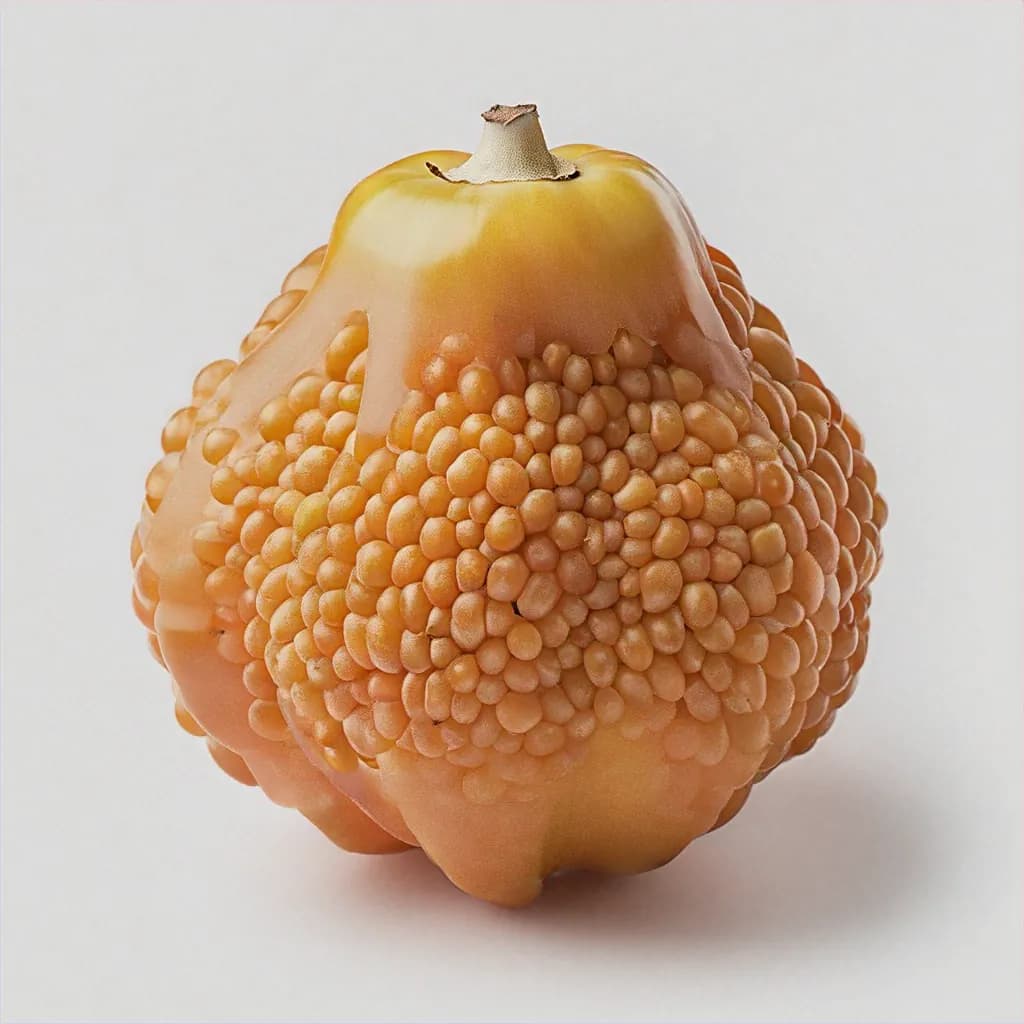
Explore Miracle Fruit in stunning detail
Miracle Fruit - Main View
Per 100g
Per 100g
Nutrition breakdown for one serving
West Africa
Miracle fruit has been valued by West African peoples for centuries for its extraordinary taste-modifying properties and nutritional benefits. Deeply embedded in African culinary traditions and folk medicine, miracle fruit represents West Africa's unique botanical heritage. Modern research increasingly validates traditional African knowledge about miracle fruit's remarkable bioactive compounds and comprehensive health benefits.
Peak season August-October
Each variety offers unique flavors, textures, and culinary applications
Keep your fruit fresh and delicious for longer
Select bright red miracle fruits that yield slightly to gentle pressure
Avoid overly soft, bruised, or discolored fruits with visible damage
Choose fruits with glossy, uniform red skin indicating ripeness and quality
Ripe fruits should feel firm with gentle spring-back when pressed
Look for fruits of consistent bright red color with no blemishes
Store fresh miracle fruits at room temperature for 1-2 days until fully ripe
Refrigerate ripe fruits in produce drawer for up to 1 week
Freeze whole miracle fruits or tablet form in ice cube trays for extended storage
Dried miracle fruit tablets store for 1+ years in airtight containers in cool, dry conditions
Miracle fruit tablets/powder store refrigerated for several months or frozen for 1+ years
Specialized freeze-drying preserves miraculin activity and taste-modifying properties optimally
Preserve freshness for months
Wash and dry miracle fruits thoroughly before freezing
Freeze whole fruits on parchment-lined trays for 2-3 hours
Transfer to freezer bags for long-term storage
Frozen miracle fruit maintains bioactive compounds and taste-modifying properties for 6-8 months
Thaw in refrigerator before use
Freeze-dried tablets preserve miraculous properties more effectively than liquid forms
Label frozen items with the date to track freshness. Most fruits maintain quality for 2-3 months when properly frozen. For best results, use airtight containers or freezer bags to prevent freezer burn.
Discover delicious possibilities
Miracle fruit allergies are extremely rare. Some individuals may have sensitivity to tropical fruits or specific plant families.
Wild-harvested miracle fruits are naturally pesticide-free. Cultivated miracle fruits from certified West African growers are typically pesticide-free due to traditional cultivation methods. Purchase from reputable West African sources specializing in traditional fruit cultivation.
Surprising trivia you'll love!
Miracle fruit has been used by West African peoples for centuries as a natural flavor enhancer and culinary aid
The fruit's taste-modifying effect was scientifically validated in the 1970s, confirming traditional knowledge with modern science
Miraculin, the active compound, is non-toxic and completely safe for consumption across all ages
The taste modification effect can last 15-60 minutes depending on individual taste receptor sensitivity and amount consumed
Miracle fruit has gained popularity in contemporary gourmet restaurants for molecular gastronomy applications
The taste modification works on the taste buds themselves, not the fruit or food being consumed
Miracle fruit extract is being researched for potential applications in weight management and sugar-free food development
Different individual variations in taste receptor genetics result in varying taste-modifying intensity and duration
Miracle fruit parties and taste experiences have become popular culinary events in major cities globally
Research increasingly validates West African traditional knowledge about miracle fruit's unique bioactive properties and health benefits
Miracle fruit (Synsepalum dulcificum) is a West African superfruit containing miraculin, a unique protein that modifies taste perception. When consumed, miraculin binds to taste receptors, making sour foods taste sweet without added sugars. This extraordinary property makes it valuable for culinary innovation, weight management, and comprehensive health applications.
Miracle fruit delivers vitamin C (15% DV per 100g) for immune support, polyphenols for antioxidant protection, exceptional B vitamins for energy metabolism, and bioactive saponins for digestive health. At only 38 calories per 100g with an extremely low glycemic index (15) and load (1), miracle fruit supports metabolic wellness.
Miracle fruit contains miraculin, a protein that temporarily modifies sweet taste receptor perception. After eating miracle fruit, sour and acidic foods are perceived as sweet for 15-60 minutes. This effect is non-toxic and temporary, making miracle fruit a natural, safe flavor-modifying agent without artificial sweeteners.
Fresh miracle fruit itself has a mild, slightly sweet flavor with subtle tartness. The fruit's true value lies in its remarkable taste-modifying properties rather than its own flavor profile. When consumed, it modifies perception of subsequent sour foods, making them taste sweet.
Miracle fruit has an exceptionally low glycemic index of 15 and glycemic load of just 1 per 100g serving. This makes miracle fruit ideal for blood sugar management, sustained energy, and metabolic wellness, particularly beneficial for individuals managing blood glucose or weight.
Fresh miracle fruits are available at specialty tropical fruit retailers and African markets (August-October peak season). Year-round options include freeze-dried miracle fruit tablets, powders, and extracts from health food stores, specialty retailers, and online vendors. Tablets preserve the taste-modifying properties effectively.
Miracle fruit has been valued by West African peoples for centuries in culinary traditions, folk medicine, and cultural practices. Traditionally used for enhancing flavor, supporting digestion, and providing nutritional wellness. Modern applications include weight management, culinary innovation, and comprehensive health support.
Eat fresh miracle fruit whole, chewing it thoroughly to coat taste receptors with miraculin. Wait 3-5 minutes for the effect to activate. Then consume sour foods or beverages, which will taste sweet. The effect lasts 15-60 minutes depending on individual sensitivity. Use for taste experiences, weight management, and culinary innovation.
Sustainability insights
Miracle fruit cultivation supports West African agricultural traditions and forest ecosystem preservation. Support sustainably cultivated miracle fruit from certified growers honoring traditional farming practices and biodiversity.
Locally harvested miracle fruit in West African regions has minimal carbon footprint. Choose locally sourced fruits from West Africa over distant imports to reduce transportation impact while supporting regional farmers.
Miracle fruit cultivation requires moderate water suitable to tropical climates. Support rain-fed or sustainably irrigated cultivation over water-intensive alternatives.
Purchase from West African producers to support traditional livelihoods, maintain cultural food practices, preserve agricultural knowledge, and minimize global carbon footprint.
We aim to keep this Miracle Fruit profile accurate and easy to understand. Nutrition values and % Daily Value figures are based on established reference databases and standard daily value guidance.
Last updated: September 8, 2026
Medical disclaimer
This page is for general educational purposes and does not replace professional medical advice.
Found an issue? Contact us.