Loading Fruit Details...
Please wait while we fetch nutritional information and health benefits
Please wait while we fetch nutritional information and health benefits
Recommended Products
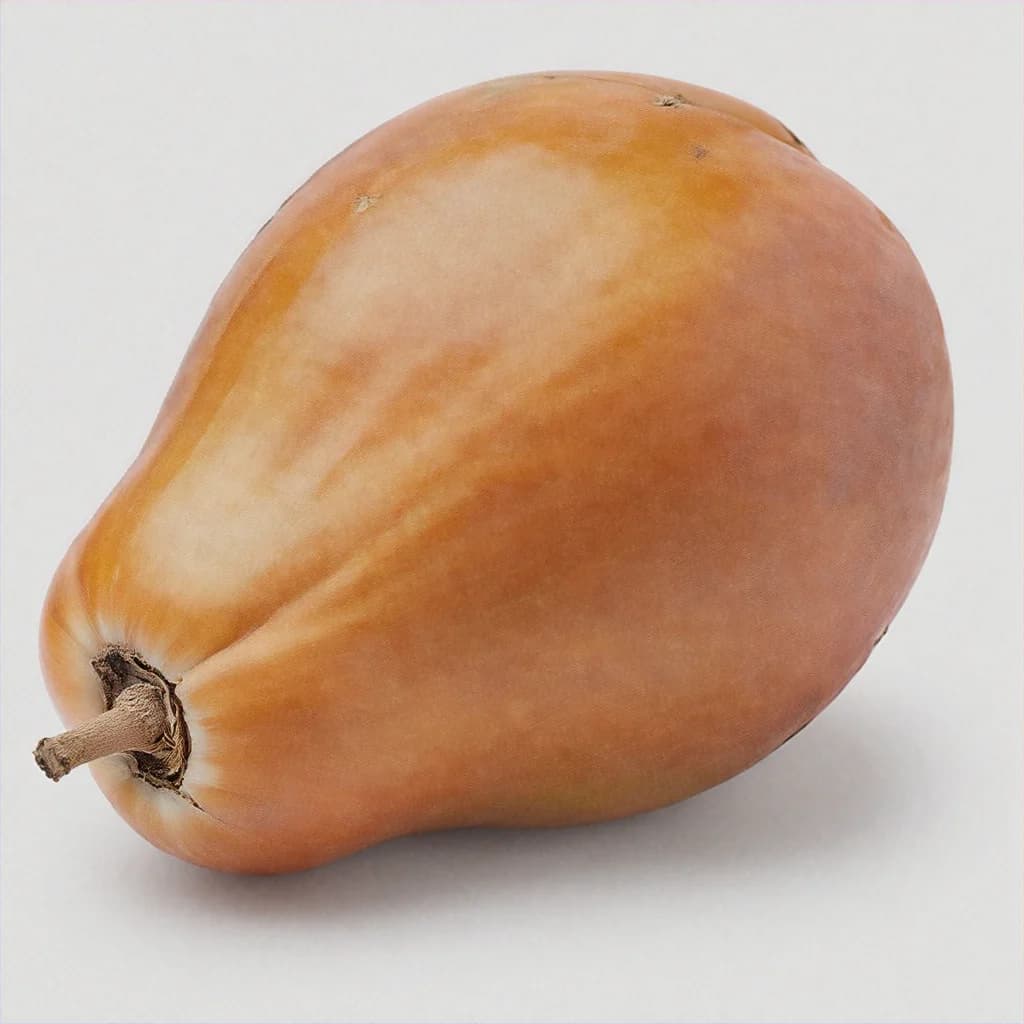
Pouteria sapota
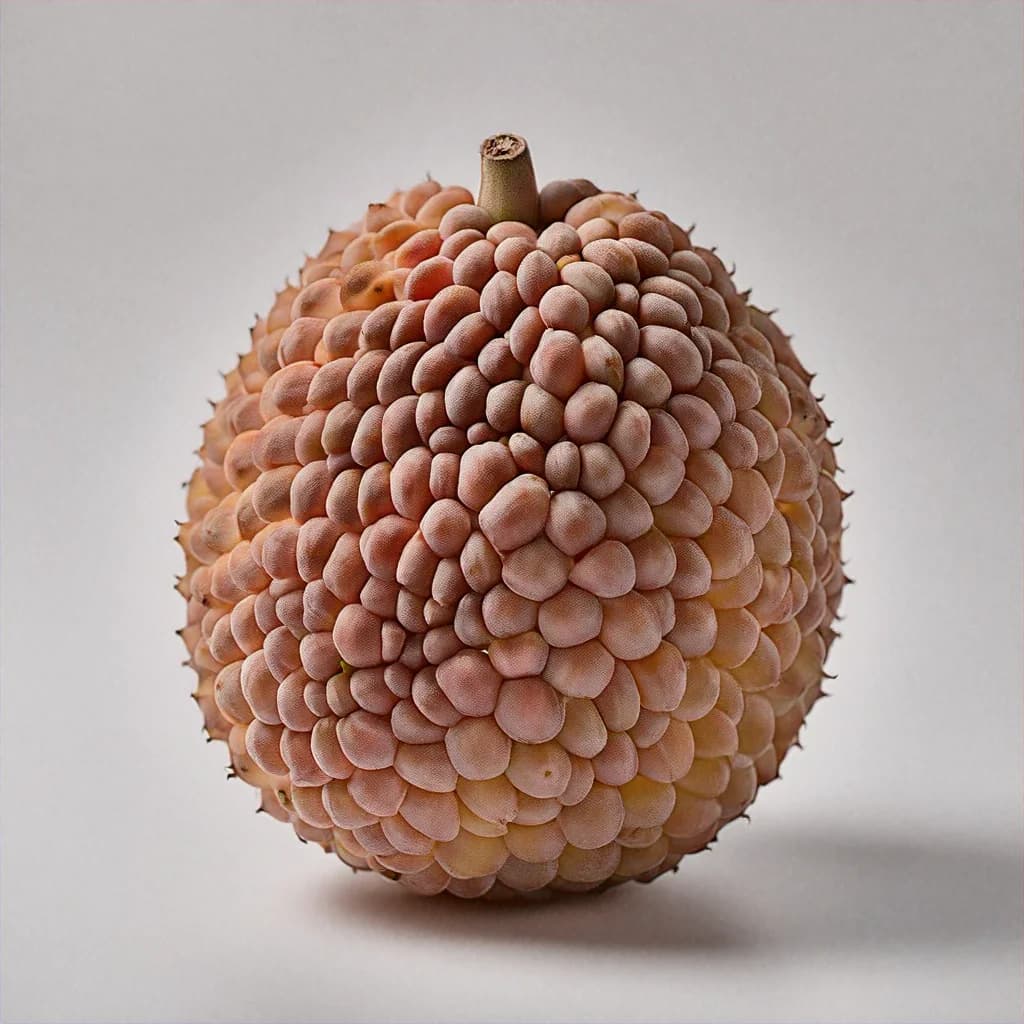
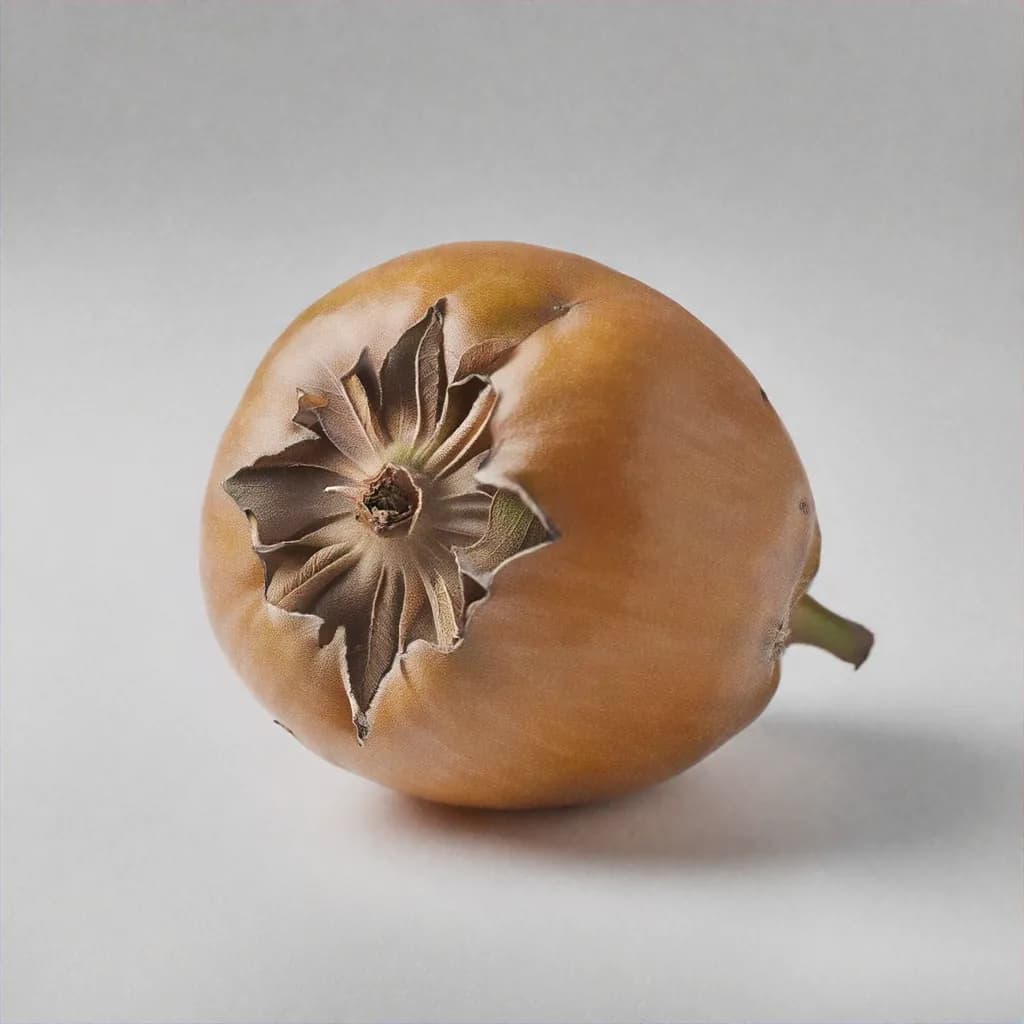
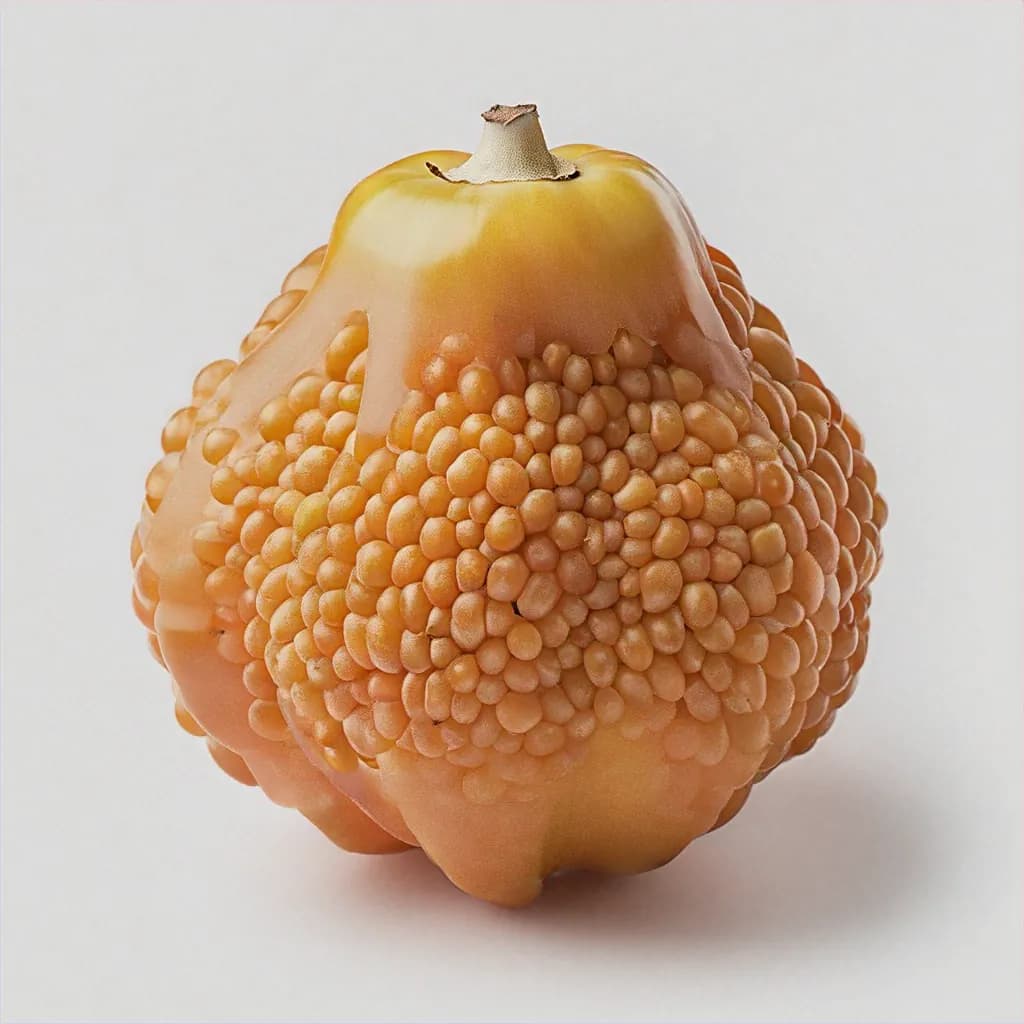
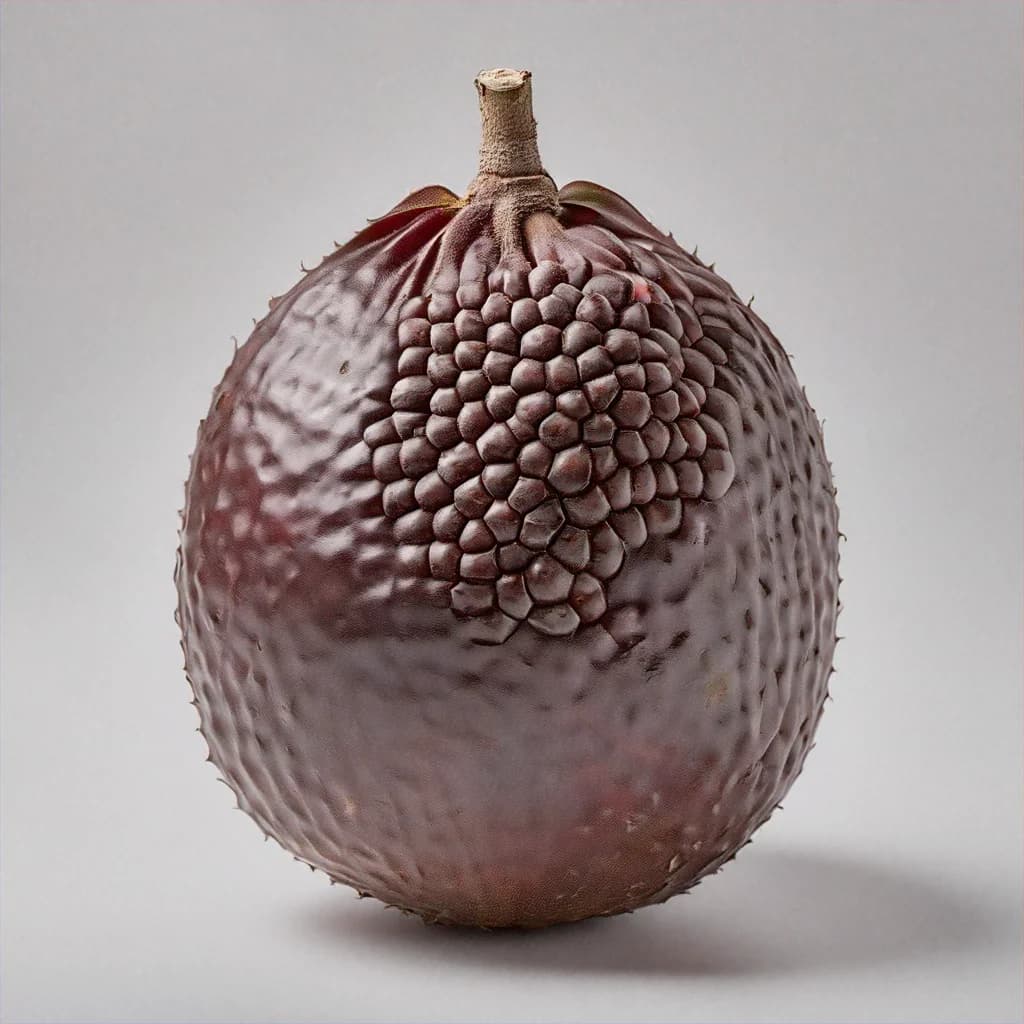
Mamey Sapote, also known as 'mamey colorado,' is a tropical fruit native to Central America. Its sandy brown, rough skin encases a vibrant salmon-colored flesh with a sweet, creamy texture reminiscent of a blend of pumpkin, sweet potato, and peach. Rich in vitamins, minerals, and antioxidants, mamey sapote is not only delicious but also highly nutritious. It is often enjoyed raw, blended into smoothies, or incorporated into desserts like ice cream and puddings. Its unique flavor profile makes it a versatile ingredient in both sweet and savory dishes. Grown in tropical climates, mamey sapote has been a staple in Latin American cuisine for centuries, prized for its taste and nutritional benefits.
Explore Mamey Sapote in stunning detail
Mamey Sapote - Main View
Per 100g
Per 100g
Nutrition breakdown for one serving
Central America
Mamey sapote has been cultivated for centuries in Central America and the Caribbean, where it has been an important food source and cultural staple.
Year-round in tropical regions; summer in temperate climates
Each variety offers unique flavors, textures, and culinary applications
Keep your fruit fresh and delicious for longer
Look for mamey sapote with smooth, unblemished skin.
Choose fruits that feel heavy for their size and have a slight give when gently squeezed.
Store ripe mamey sapote in the refrigerator to extend shelf life.
Unripe fruit can be left at room temperature to ripen over a few days.
Preserve freshness for months
Peel and chop the flesh into chunks before freezing.
Store in an airtight container or freezer bag for up to 3 months.
Label frozen items with the date to track freshness. Most fruits maintain quality for 2-3 months when properly frozen. For best results, use airtight containers or freezer bags to prevent freezer burn.
Discover delicious possibilities
Mamey sapote is generally safe for most people, but individuals with known allergies to tropical fruits should exercise caution.
While generally low in pesticide residue, it is advisable to wash the fruit thoroughly before consumption.
Surprising trivia you'll love!
Mamey sapote is also known as 'mamey colorado,' which translates to 'red mamey' in Spanish.
The fruit's seeds were traditionally used to make jewelry and ornaments in Central America.
Mamey sapote has a unique flavor that combines notes of pumpkin, sweet potato, and peach, with a creamy texture.
A ripe mamey sapote will have a slight give when gently squeezed and may have a sweet, fruity aroma.
Yes, you can freeze mamey sapote by peeling and chopping the flesh into chunks and storing it in an airtight container.
Mamey sapote can be used in desserts like ice cream, puddings, and pies, or blended into smoothies and milkshakes.
Mamey sapote is relatively low in calories, with approximately 124 calories per 100 grams.
Yes, mamey sapote is rich in vitamins, minerals, and antioxidants, supporting immune function, digestion, and heart health.
Yes, mamey sapote can be incorporated into stews, curries, or used as a base for sauces.
Sustainability insights
Mamey sapote is a sustainable crop, as it requires minimal water and pesticides to grow.
Low, as it is primarily grown in tropical regions with minimal transportation needed.
Moderate, as the plant is adapted to tropical climates with abundant rainfall.
Imported mamey sapote may have a higher carbon footprint due to transportation, but it is still relatively low compared to other tropical fruits.
We aim to keep this Mamey Sapote profile accurate and easy to understand. Nutrition values and % Daily Value figures are based on established reference databases and standard daily value guidance.
Last updated: October 6, 2026
Medical disclaimer
This page is for general educational purposes and does not replace professional medical advice.
Found an issue? Contact us.