Loading Fruit Details...
Please wait while we fetch nutritional information and health benefits
Please wait while we fetch nutritional information and health benefits
Recommended Products
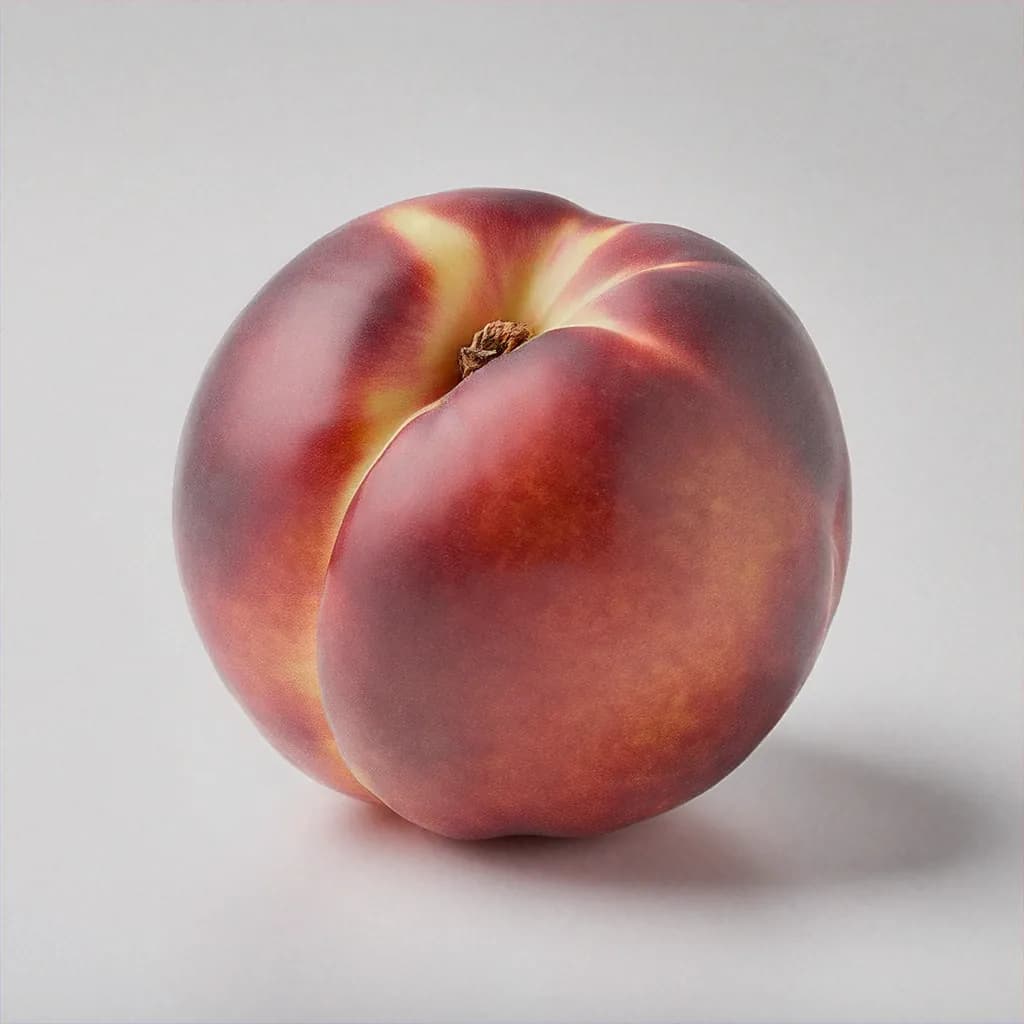
Prunus persica var. nectarina
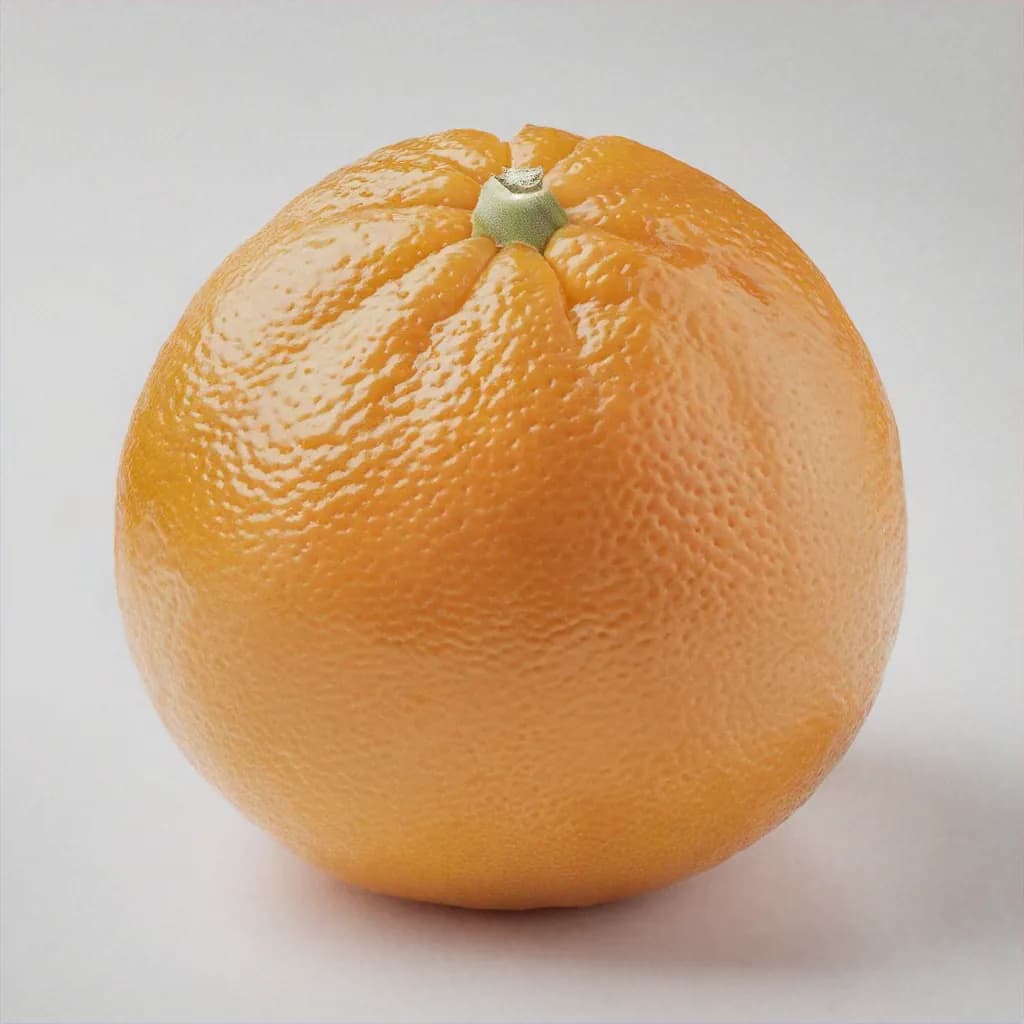
Nectarines are smooth-skinned stone fruits closely related to peaches, featuring vibrant orange-red skin, juicy sweet flesh, and distinctive flavor with subtle almond undertones. Native to China, nectarines thrive in temperate climates with distinct seasons and warm growing periods. Each fruit delivers impressive nutritional benefits - exceptional vitamin C (9% DV per 100g) supporting immune function and antioxidant protection, potassium (6% DV) for heart health and muscle function, copper (4% DV) for collagen and immune support, and valuable polyphenols including quercetin and catechin for antioxidant defense. Smooth velvety skin distinguishes nectarines from fuzzy peaches while maintaining similar nutritional profiles. Sweet aromatic flesh with subtle almond notes complements fresh consumption and diverse culinary applications. Nectarines support antioxidant defense, heart health, and digestive wellness through comprehensive nutrient profile. Rich carotenoid content provides beta-carotene for vision and immune support. Nectarines represent versatile stone fruit combining excellent nutrition, pleasant flavor, broad climate adaptability, and culinary diversity making them popular worldwide summer fruit.
Explore Nectarine in stunning detail
Nectarine - Main View
Per 100g
Per 100g
Nutrition breakdown for one serving
China, particularly temperate regions with distinct seasons
Nectarines originated in China as natural mutation of peach cultivated for thousands of years. Early nectarines documented in Chinese imperial gardens dating back 2,000+ years. Natural smooth-skin mutation identified and propagated deliberately. Ancient Persians encountered nectarines and spread cultivation westward. Roman Empire expanded nectarine cultivation throughout Mediterranean regions. Medieval Europe maintained nectarine cultivation in monastery gardens. Colonial expansion distributed nectarines to Americas, Australia, and other temperate regions. Modern cultivation focuses on disease-resistant varieties with superior flavor and shelf-life characteristics.
Summer primary season with variations by region
Each variety offers unique flavors, textures, and culinary applications
Keep your fruit fresh and delicious for longer
Select nectarines with smooth unblemished skin
Look for deep red coloring over orange-yellow background
Gently squeeze - should yield slightly to pressure when ripe
Avoid hard or underripe nectarines - will not fully ripen
Sweet fragrant aroma indicates ripeness and quality
Avoid wrinkled, overly soft, or bruised specimens
Purchase from stores with good turnover ensuring freshness
Choose medium-to-large fruits over very small ones
Store unripe nectarines at room temperature 1-2 days
Refrigerate ripe nectarines 2-3 days in crisper drawer
Keep in coolest part of refrigerator below 5°C
Do not wash until ready to consume - promotes mold growth
Store away from ethylene-producing fruits
Place in paper bag for accelerated ripening at room temp
Cooked nectarine preparations store refrigerated 3-4 days
Preserve freshness for months
Wash, halve, and remove pit completely
Slice if desired or keep halves whole
Blanch 1 minute in boiling water to prevent browning
Cool in ice bath, pat dry completely
Freeze on baking sheet 3-4 hours
Transfer to freezer bags removing excess air
Frozen nectarines keep 8-12 months
Use frozen for smoothies, baking, jams, and sauces
Label frozen items with the date to track freshness. Most fruits maintain quality for 2-3 months when properly frozen. For best results, use airtight containers or freezer bags to prevent freezer burn.
Discover delicious possibilities
Nectarine allergies uncommon but documented particularly in individuals with stone fruit or pollen sensitivities. Allergic reactions typically mild - itching, tingling, or throat irritation possible. Oral allergy syndrome may occur in pollen-allergic individuals. Severe reactions rare. Those with fruit allergies should consult allergist about potential cross-reactivity.
Nectarines on pesticide residue watchlists - proper cleaning important. Conventional nectarines may contain synthetic pesticide residues. Proper cleaning: Rinse thoroughly under cool running water vigorously rubbing surface. Gentle brushing removes surface residues. Organic nectarines eliminate synthetic pesticide concerns.
Surprising trivia you'll love!
Nectarines natural genetic mutation of peaches - single gene difference controls smooth skin versus fuzzy texture
Ancient Chinese texts document nectarines 2,000+ years ago in imperial gardens valued for superior sweetness
Nectarine name derives from 'nectar of the gods' reflecting ancient appreciation for sweetness and flavor
Copper content (9% DV) higher in nectarines than peaches supporting collagen formation and immune function
Nectarines low glycemic index (42) makes them excellent choice for blood sugar management and sustained energy
Single medium nectarine (140g) provides only 62 calories making them perfect for weight management
Nectarines require fewer than 300 chilling hours compared to peaches benefiting warm climate cultivation
California produces 99% of US nectarines - major global production region
Freestone nectarines modern breeding achievement - pit separates easily improving convenience
White nectarines naturally sweeter and more aromatic than yellow varieties - emerging popularity trend
Nectarines exceptional health benefits validated by nutritional science supporting cardiovascular wellness and overall vitality. HEART HEALTH BENEFITS: Potassium (6% DV) critical for heart function and blood pressure regulation. Copper (9% DV) supports collagen formation in blood vessels strengthening cardiovascular system. Quercetin flavonoid provides anti-inflammatory cardiovascular protection. Polyphenols reduce cardiovascular disease risk through multiple mechanisms. Low glycemic index (42) supports metabolic health benefiting heart function. ANTIOXIDANT DEFENSE: Vitamin C (9% DV) protects blood vessels and reduces oxidative stress. Beta-carotene converts to vitamin A supporting cardiovascular function. Catechin polyphenols provide antioxidant protection preventing arterial damage. Multiple antioxidant compounds work synergistically for comprehensive defense. BLOOD PRESSURE SUPPORT: Potassium counters sodium effects naturally regulating blood pressure. Magnesium supports blood vessel relaxation and healthy blood flow. Polyphenolic compounds enhance endothelial function. Regular consumption associated with lower blood pressure in studies. CHOLESTEROL BENEFITS: Fiber (1.7g) supports healthy cholesterol metabolism. Polyphenols reduce LDL oxidation preventing plaque formation. Plant compounds support natural lipid management. Moderate consumption provides sustained cardiovascular support. INFLAMMATION REDUCTION: Quercetin and catechin reduce systemic inflammation. Chronic inflammation key cardiovascular disease risk factor - reduction beneficial. Multiple anti-inflammatory mechanisms simultaneously. Natural inflammatory response support. RESEARCH EVIDENCE: Scientific studies confirm nectarine cardiovascular benefits. Potassium effects on blood pressure documented. Polyphenol antioxidant and anti-inflammatory effects confirmed. Beta-carotene cardiovascular benefits established. CONSUMPTION APPROACH: Fresh nectarines provide optimal nutrition and antioxidant benefits. One medium nectarine (140g) provides 6% potassium DV. Multiple daily servings recommended for heart health benefits. Consistency important for sustained cardiovascular support. Include in balanced diet with other heart-healthy foods. BOTTOM LINE: Nectarines exceptional heart health fruit through potassium, copper, quercetin, and comprehensive polyphenolic profile supporting cardiovascular function, blood pressure regulation, and antioxidant defense with scientific validation.
Nectarine selection, storage, and preparation crucial for maximizing flavor and nutritional benefits. SELECTION GUIDELINES: Look for deep red coloring over orange-yellow background indicating ripeness. Gently squeeze - medium firmness with slight give indicates readiness. Fragrant sweet aroma from stem area confirms optimal ripeness. Avoid hard green nectarines - will not fully ripen after picking. Skip bruised, wrinkled, or overly soft specimens. Medium-to-large fruits generally superior to very small ones. Purchase from markets with good turnover ensuring freshness. RIPENING AT HOME: Room temperature ripening 1-2 days accelerates natural process. Paper bag traps ethylene gas speeding ripening. Check daily for optimal ripeness. Never force ripening by artificial heat. Patience yields superior flavor and sweetness. STORAGE METHODS: Ripe nectarines store 2-3 days refrigerated in crisper drawer. Keep in coolest part below 5°C for extended shelf-life. Do not wash until consumption prevents mold growth. Store away from ethylene-producing fruits (apples, bananas). Unripe nectarines store at room temperature. PREPARATION TECHNIQUES: Wash gently under cool running water just before consuming. Pat dry completely with soft cloth. Halve lengthwise rotating around pit. Remove pit with spoon or knife. Slice if desired or eat halves directly. Prevent browning by tossing with lemon juice. FRESH EATING: Eat ripe nectarines at room temperature for optimal flavor. Chilled nectarines mute flavor slightly but provide refreshing texture. Texture differs from peaches - smooth skin provides sensory appeal. Delicate flavor benefits from minimal processing. BAKING PREPARATIONS: Halve and pit nectarines completely for pies and tarts. Slice uniformly (½-inch) for even cooking. Toss with lemon juice preventing enzymatic browning. Add sugar and spices 15 minutes before baking. Freestone varieties easier for baking preparation. FREEZING PREPARATION: Blanch whole nectarines 1 minute in boiling water. Cool immediately in ice bath preventing browning. Slice or halve after cooling for easier handling. Flash freeze on baking sheet 3-4 hours. Transfer to freezer bags removing excess air. Frozen nectarines keep 8-12 months. JUICE AND SMOOTHIE PREPARATION: Pit halves and roughly chop for blending. Combine with yogurt, milk, or juice base. Add honey for natural sweetness. Blend until smooth creamy consistency. Use immediately or refrigerate 1-2 days. PRESERVATION: Wash thoroughly, remove pits, chop coarsely. Combine with sugar and lemon juice for jam. Simmer 30-40 minutes until setting point reached. Pour into sterilized jars while hot. Store unopened 1+ year in cool dark place. Refrigerate after opening using within 2-3 weeks. BOTTOM LINE: Nectarine selection, storage, and preparation techniques maximize flavor and nutrition - choose fragrant medium-firm fruits, store refrigerated, and consume fresh or prepare for baking, preserves, or smoothies.
Nectarines excellent fruit for children providing superior nutrition supporting growth, development, and overall wellness. NUTRITIONAL BENEFITS: Vitamin C (9% DV) supports immune system development and wound healing. Beta-carotene (7% DV) supports vision development and eye health critical during growth. Potassium (6% DV) supports muscle function and cardiovascular health. Copper (9% DV) supports collagen formation essential for bone and tissue development. Fiber (1.7g) supports digestive health and regular bowel function. LOW ALLERGEN: Nectarines rarely allergenic with minimal risk of adverse reactions. No major allergens present unlike nuts or shellfish. Well-tolerated by most children when introduced properly. Smooth skin eliminates choking hazard present with fuzzy peaches. INTRODUCTION GUIDELINES: Introduce gradually as with all new foods starting with small pieces. Start with small amount observing reactions over 3-5 days. Increase quantity as child demonstrates comfort and tolerance. Allergy risk very low but watch for first-time reactions. Supervise young children during eating preventing choking. PREPARATION FOR CHILDREN: Wash thoroughly under cool running water. Remove pit completely preventing choking hazard. Slice into age-appropriate pieces avoiding large chunks. Offer at room temperature for better flavor appeal. Cold chilled nectarines often appealing to children. Mix into yogurt or smoothies for younger children. FLAVOR APPEAL: Sweet mild flavor appeals to most children. Aromatic quality distinctive and pleasant. Ripe nectarines maximize natural sweetness. Room temperature nectarines superior flavor compared to cold. Smooth skin texture appealing versus fuzzy peaches. PORTION SIZES: Young children (2-3 years) - small slices (30g) appropriate. Toddlers - supervise eating to prevent choking. Older children (4+ years) - one whole nectarine (140g) daily beneficial. Include consistently in balanced diet. Encourage water consumption with fruit. DEVELOPMENT SUPPORT: Vitamin C supports immune system protecting against infections. Beta-carotene supports eye development critical during childhood. Potassium supports muscle growth and function. Copper supports bone density and strength development. Healthy fruit choices establish lifelong nutritional habits. PRACTICAL TIPS: Pack sliced nectarines in school lunches. Offer as healthy snack alternative to processed foods. Combine with other fruits and yogurt for balanced nutrition. Teach children to select and identify ripe fruit. Involve children in preparation building food appreciation. ALLERGY PRECAUTIONS: No major allergens present. Stone fruit family mostly non-allergenic. Cross-reactivity with peaches minimal but possible. Monitor for rare allergic reactions (skin irritation, throat itching). Consult allergist if concerns arise. BOTTOM LINE: Nectarines safe and excellent nutritious fruit for children supporting development, immunity, vision, and growth through comprehensive nutrient profile with minimal allergy risk when properly prepared and portion-controlled.
Nectarines and peaches closely related with important differences affecting selection and culinary use. BOTANICAL RELATIONSHIP: Nectarines natural genetic mutation of peaches featuring smooth skin versus fuzzy peach skin. Same nutritional profile with minor variations. Both from Prunus persica species. Genetic difference single gene controlling skin texture. Both contain similar vitamin and mineral content. SKIN TEXTURE DIFFERENCES: Nectarine smooth velvety skin appeals to many consumers. Peach fuzzy skin develops naturally through genetics. Smooth nectarine skin allows direct finger eating without fuzz. Peach fuzz requires washing or peeling before consumption. Textural preference varies by individual and cultural background. FLAVOR PROFILES: Nectarines slightly sweeter and more aromatic than peaches. Peaches more subtle delicate flavor profile. Both feature similar sugar content and ripeness characteristics. Nectarine skin contributes subtle almond undertones. Peach flavor more neutral and mild. Ripe fruit more important than type for optimal flavor. CULINARY APPLICATIONS: Nectarines excellent for fresh eating due to smooth skin. Peaches preferred for baking and preserves traditionally. Nectarines increasingly used in baking with excellent results. Either variety works for smoothies, grilling, cocktails. Freestone varieties easier for all applications. TEXTURE AND FIRMNESS: Nectarines firmer texture appeals to some consumers. Peaches softer juicier texture appeals to others. Firmness depends more on ripeness than variety. Both varieties available as clingstone and freestone. Texture preference affects culinary selection. NUTRITIONAL COMPARISON: Essentially identical nutritional profiles. Minor vitamin variations negligible nutritionally. Both provide potassium, copper, and vitamin C. Both feature comparable polyphenolic antioxidants. Selection based on preference rather than nutrition. STORAGE AND SHELF-LIFE: Both store 2-3 days refrigerated similarly. Nectarines sometimes slightly firmer extending shelf-life marginally. Peach fuzz may collect dirt requiring more careful washing. Smooth nectarine skin easier to clean thoroughly. No significant storage differences. PRICE CONSIDERATIONS: Nectarines sometimes slightly more expensive than peaches. Price varies seasonally and by region. Specialty varieties command premium prices. Commercial availability relatively equal. Selection should prioritize ripeness and quality over type. HEALTH PERSPECTIVE: Identical health benefits between varieties. Personal preference drives selection. Either choice supports wellness goals equally. Rotate between varieties for diverse experience. Consumption more important than specific type. CONSUMER PREFERENCE: Smooth skin makes nectarines more appealing to children and consumers avoiding fuzz. Peach traditional preference in some regions and families. Modern cultivation increased nectarine popularity globally. Both widely available in temperate climate regions. Individual taste drives preference. BOTTOM LINE: Nectarines and peaches essentially equivalent nutritionally with preference determining selection - nectarines offer smooth-skin advantage for fresh eating and modern culinary applications while peaches traditional choice with slightly softer texture and subtle flavor.
Sustainability insights
Nectarine cultivation represents temperate climate fruit production with variable environmental impact. Benefits include perennial production, integration into diverse orchards, and extended seasonal supply. Challenges include water requirements in arid regions, pesticide use in conventional cultivation, and orchard establishment. Sustainable practices include organic cultivation, drip irrigation, integrated pest management, and fair trade certification supporting farmer welfare.
Nectarine carbon footprint low-to-moderate depending on cultivation and transportation distance. Fresh berries require minimal processing. Carbon footprint primarily from cultivation, irrigation, and long-distance international transportation. Local cultivation dramatically reduces footprint. Seasonal eating minimizes refrigeration and transport carbon.
Nectarines moderate water requirements reflecting temperate growing conditions. Water-intensive during fruit development and ripening stages. California cultivation relies on irrigation in semi-arid climate. Sustainable practices include drip irrigation, soil moisture monitoring, and rainwater harvesting.
Supporting local nectarine cultivation when possible maximizes sustainability. Peak season June-September Northern Hemisphere. Off-season imports increase carbon footprint. BEST PRACTICES: Purchase locally in-season when available, support organic and fair trade producers, choose fresh over processed, eat seasonally reducing transport distance.
We aim to keep this Nectarine profile accurate and easy to understand. Nutrition values and % Daily Value figures are based on established reference databases and standard daily value guidance.
Last updated: September 8, 2026
Medical disclaimer
This page is for general educational purposes and does not replace professional medical advice.
Found an issue? Contact us.