Loading Fruit Details...
Please wait while we fetch nutritional information and health benefits
Please wait while we fetch nutritional information and health benefits
Recommended Products
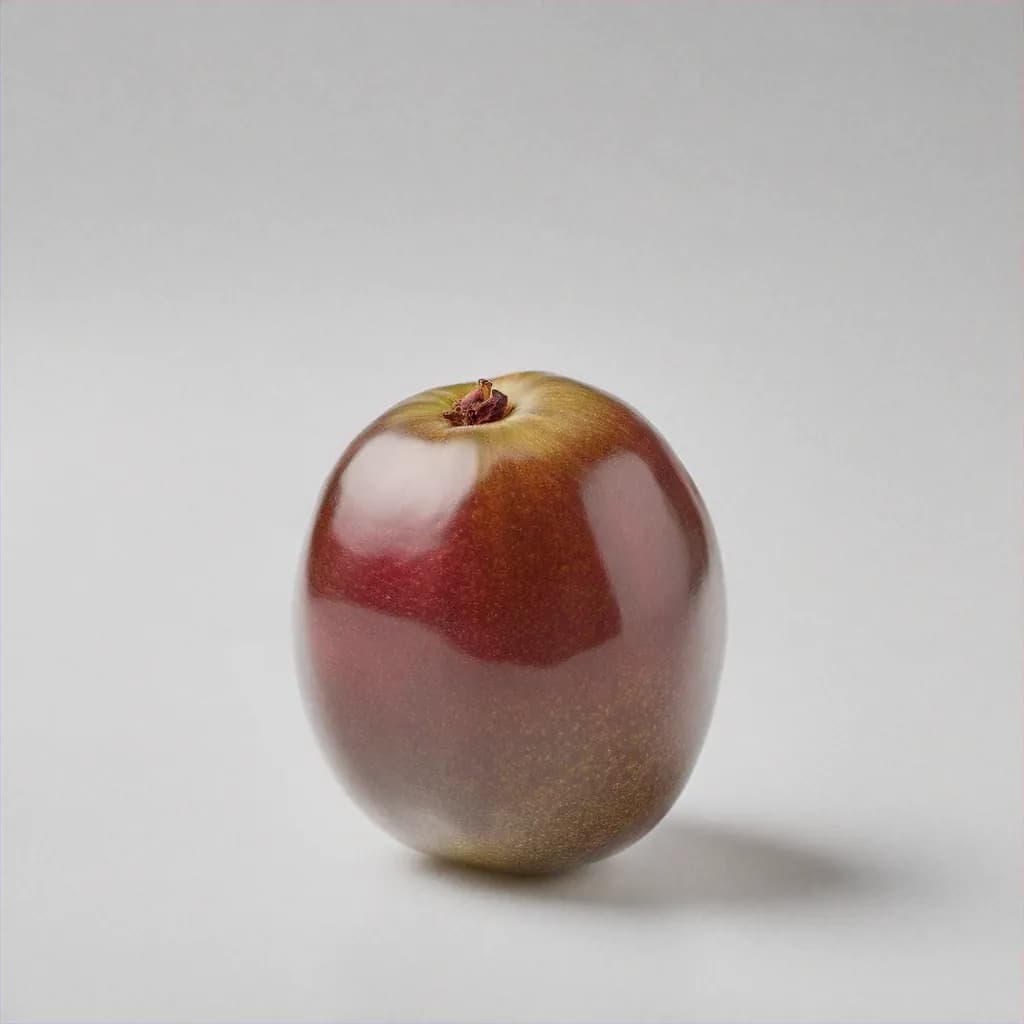
Ziziphus jujuba
Jujubes are small, mahogany-brown to dark red date-like fruits with sweet, mildly tart flavor and distinctive chewy-crispy texture combining soft interior with slightly waxy exterior skin. These marble-to-plum-sized fruits, native to China and cultivated throughout Asia for over 4,000 years, offer complex taste profile resembling combination of dates, apples, and subtle tropical notes with honey-like sweetness. Fresh jujubes provide crisp, refreshing eating experience with mild tartness balancing underlying sweetness, while dried jujubes concentrate flavor into intense, sweet, date-like product. Jujubes hold profound cultural and medicinal significance throughout Asia, particularly in Traditional Chinese Medicine where they're prized as digestive aid, immune booster, and calming agent supporting sleep and nervous system health. The fruit delivers impressive nutritional profile with exceptional vitamin C content (rivals many citrus fruits), substantial carbohydrates for sustained energy, and diverse phytonutrients including polyphenols with powerful antioxidant and anti-inflammatory properties. Jujubes thrive in challenging climates (drought-tolerant, salt-tolerant, heat-tolerant), making them valuable crop for arid regions and food security. The perennial tree provides fruit for 30+ years with minimal inputs. Jujubes represent ancient superfruit combining culinary versatility, profound medicinal heritage, nutritional density, and environmental resilience while introducing global audiences to remarkable fruit central to Asian culture for millennia.
Explore Jujube in stunning detail
Jujube - Main View
Per 100g
Per 100g
Nutrition breakdown for one serving
Northern China, particularly arid regions
Jujubes originate from northern China, where cultivation dates to approximately 3,000-4,000 years ago - one of oldest cultivated fruits in China. Archaeological evidence from Yellow River valley confirms jujubes as ancient dietary staple. Jujube appears in Chinese history, literature, and religious texts - mentioned in Book of Songs (ancient Chinese poetry collection, 11th-7th centuries BCE) and valued in imperial courts. The fruit spread throughout Asia via Silk Road and traditional trade routes, becoming integral to Indian, Persian, Southeast Asian, and Middle Eastern cuisines. Jujubes hold profound significance in Traditional Chinese Medicine (TCM) spanning millennia - used for digestive support, immune boosting, sleep promotion, and stress reduction. Chinese herbalists developed sophisticated understanding of jujube's medicinal properties and applications. Buddhist and Taoist traditions reference jujubes in spiritual and health contexts. The fruit arrived in Mediterranean region via ancient trade, becoming established in some regions. Jujubes reached Americas in 19th-20th centuries, with cultivation establishing in California and southwestern USA. Modern cultivation occurs in arid and semi-arid regions worldwide. China remains overwhelmingly dominant producer and consumer. Recent decades show Western recognition of jujubes as nutritional superfruit, growing interest in Traditional Chinese Medicine driving awareness, and research validating traditional medicinal claims. Jujubes represent rare example of ancient fruit maintaining cultural continuity and traditional importance throughout modern era.
Late summer to early fall (August-October in Northern Hemisphere)
Each variety offers unique flavors, textures, and culinary applications
Keep your fruit fresh and delicious for longer
Fresh jujubes: Select firm fruits with mahogany-brown to dark red color
Ripe jujubes should yield slightly to gentle pressure - avoid rock-hard or overly soft berries
Skin should be smooth and unblemished without cracks or bruises
Fragrant aroma indicates ripeness - ripe jujubes have subtle sweet smell
Avoid green or pale-colored jujubes (underripe, won't develop full flavor)
Dried jujubes: Choose plump, richly colored berries - avoid shriveled or bleached-looking ones
Canned or packaged: Check labels for quality and processing methods
Look for glossy appearance indicating proper ripeness
Fresh jujubes with small cracks at stem end indicate peak ripeness
Fresh jujubes keep refrigerated 2-3 weeks in breathable container or paper bag
Do not wash jujubes until ready to eat - moisture accelerates spoilage
Store away from ethylene-producing fruits (apples, avocados) which accelerate ripening
Room temperature storage acceptable 5-7 days for fresh jujubes in cool conditions
Frozen jujubes preserve quality excellently for 8-10 months
Flash freeze on baking sheet before bagging to prevent clumping
Dried jujubes keep 6-12 months in airtight containers in cool, dry place
Canned jujubes maintain quality 2+ years unopened
Jujubes can be dried at home in dehydrator or oven at low temperature (8-12 hours)
Preserve freshness for months
Fresh jujubes freeze excellently for 8-10 months
Flash freeze on baking sheet before bagging to prevent clumping
Frozen jujubes work well for cooking, tea preparation, and smoothies
Use directly from freezer for cooking - no need to thaw
Thawed jujubes become softer - texture less ideal for fresh eating but perfect for processing
Consider pureeing before freezing for jujube paste or sauce applications
Label with date for easy tracking
Label frozen items with the date to track freshness. Most fruits maintain quality for 2-3 months when properly frozen. For best results, use airtight containers or freezer bags to prevent freezer burn.
Discover delicious possibilities
Jujube allergies are uncommon but documented, particularly in individuals with existing tree pollen allergies or latex sensitivities. Allergic reactions typically present as oral allergy syndrome - itching, tingling, or swelling of mouth, lips, tongue, and throat after consuming fresh jujubes. Some individuals experience generalized allergic reactions including hives, urticaria, or skin rashes. Severe reactions including respiratory symptoms are rare but documented. LATEX-FRUIT SYNDROME: Individuals with latex allergies may theoretically show cross-reactivity to jujubes (though this connection is weaker than with other fruits). Individuals with known latex allergies should approach jujubes cautiously. SALICYLATE SENSITIVITY: Those with salicylate sensitivity may react to jujubes (salicylate-containing food). Those with FODMAP sensitivity should be cautious (though specific data on jujubes is limited).
Conventionally grown jujubes in commercial orchards may have pesticide residues, though jujube trees are generally hardy and require fewer chemical inputs than many crops. Proper washing: Rinse jujubes gently under cool running water for 15-20 seconds. Pat dry with clean towel. The firm skin resists damage. Organic jujubes are increasingly available and eliminate synthetic pesticide concerns. Supporting organic jujube production promotes sustainable farming in Asian regions. Regional variation: China and other Asian producers generally operate with less intensive chemical use than some temperate agriculture, though standards vary.
Surprising trivia you'll love!
Jujubes have been cultivated for over 3,000-4,000 years, making them one of the oldest cultivated fruits in China alongside grapes
The jujube tree appears in ancient Chinese literature and poetry spanning millennia - mentioned in Book of Songs (11th-7th centuries BCE)
Buddhist tradition credits Buddha's awakening to enlightenment occurring under a jujube tree (though some sources cite fig trees) - making jujubes spiritually significant
China produces over 3 million tons of jujubes annually - more than all other countries combined
The jujube is national fruit of China, deeply integrated into Chinese culture, cuisine, and traditional medicine
A single mature jujube tree can produce 100+ pounds of fruit annually - exceptional yield from one tree
Jujube wood is traditionally used for musical instruments in Asia due to its resonance and durability properties
Traditional jujube tea remains daily wellness beverage in Asian households - consumed for health maintenance rather than treating illness
The jujube tree can survive in extremely harsh conditions (drought, salt, poor soil) making it valuable crop for food security in challenging regions
Modern research validates nearly all traditional medicinal claims about jujubes - rare example of ancient knowledge confirmed by contemporary science
Jujubes have distinctive, complex taste profile combining sweetness with subtle tartness and unusual texture - difficult to compare to single fruit but resembles combination of dates, apples, and tropical fruits. FRESH TASTE: Fresh ripe jujubes taste sweet with mild tart notes and honey-like undertones. The flavor is refined and subtle rather than intensely sweet. There's pleasant complexity beyond simple sugary sweetness - some describe fruity, floral, or apple-like notes depending on ripeness and variety. FRESHNESS CHARACTER: Fresh jujubes are crisp and refreshing with initial firm bite transitioning to softer interior. The contrast between waxy exterior skin and creamy interior flesh creates interesting textural experience. TEXTURE: The distinctive feature is texture - not soft like dates or berries, not crisp like apples, but unique chewy-crispy combination. This unusual texture is one reason jujubes are memorable and distinctive. DRIED TASTE: Dried jujubes taste more intensely sweet and date-like, with concentrated sweetness. Tartness disappears and flavors intensify. Texture becomes more uniformly chewy without fresh crispness. VARIETY VARIATIONS: Different varieties taste distinctly different. Some are sweeter (Sugar Cane variety extremely sweet), some have more apple-like crispness (Li variety), others have more date-like character (Lang variety). THE COMPARISON CHALLENGE: Jujubes don't taste like dates despite superficial similarity - they're crisper and less heavy. They're not exactly like apples despite some apple-like qualities. The complex flavor profile combining sweetness, subtle tartness, and delicate floral notes makes direct comparison difficult. Most people describe discovering jujube taste as pleasant surprise - sophisticated flavor that rewards tasting. CULTURAL PERSPECTIVE: In Asia where jujubes are common, they're appreciated for distinctive taste and texture. In Western markets, jujubes are relatively new and unfamiliar, making taste discovery exciting.
Fresh and dried jujubes offer dramatically different experiences in taste, texture, nutrition, and uses - both excellent but serving different purposes. FRESH JUJUBES: Fresh jujubes are crisp, mild-sweetness berries with refreshing, apple-like quality. Taste is subtle sweetness with delicate honey notes and mild tartness - refined and sophisticated. Texture is distinctive crispy-chewy combination with firm exterior and softer interior. Fresh jujubes are moderate in calories (79 per 100g), lower in sugar concentration (15.3g), and contain higher vitamin C (69mg, exceptional) due to minimal processing. Water content is high (77.5%) making them hydrating and refreshing. Fresh jujubes are best eaten as whole fruit, added to salads, or incorporated into fresh preparations. Shelf life is relatively short (2-3 weeks refrigerated). DRIED JUJUBES: Dried jujubes are concentrated nutrition with intense sweetness and date-like character. Water removal concentrates sugars and flavors dramatically - taste becomes intensely sweet and date-like, losing fresh tartness and subtlety. Texture becomes uniformly chewy without fresh crispness. Dried jujubes have high calorie density (287 per 100g) and concentrated carbohydrates (74.3g) making them portable energy food. Sugar concentration increases significantly (56.4g per 100g). Vitamin C reduces due to processing but other nutrients concentrate. Dried jujubes are primarily used in jujube tea (traditional preparation), as snacks, in cooking, or as ingredient in TCM preparations. Shelf life extends to 6-12 months in airtight containers. NUTRITIONAL COMPARISON: Per equal weight, dried jujubes provide roughly 3-4 times more calories, concentrated sugars, and significant nutrient density compared to fresh. However, practical serving sizes differ - one typically eats 100g fresh jujubes but 20-30g dried jujubes, narrowing nutritional differences. Fresh jujubes excel in vitamin C and hydration. Dried jujubes excel in concentrated energy and longevity. TEA APPLICATIONS: Dried jujubes are specifically prized for jujube tea preparation - traditional method involves steeping dried jujubes in hot water releasing beneficial compounds and creating soothing beverage. Fresh jujubes don't work well for this traditional preparation. TASTE PREFERENCE: Fresh jujubes taste more sophisticated and complex. Dried jujubes taste sweeter and more intense. Neither is "better" - just different experiences for different applications.
Jujube tea (jujube water) is simple, traditional Chinese preparation providing wellness benefits through warm, soothing beverage - easy to make at home. BASIC PREPARATION: Use 6-10 dried jujubes per cup (about 200ml) hot water. Pour hot water (not quite boiling, around 160-180°F/70-80°C, or let boiling water cool 1-2 minutes) over whole dried jujubes in mug or teapot. Steep 5-10 minutes allowing beneficial compounds to extract into water. The longer steeping time creates stronger flavor and more compound extraction. Some prepare overnight cold-brew version (12-24 hours) for different flavor profile. VARIATIONS AND ENHANCEMENTS: Add honey to sweeten and enhance wellness properties (traditional preparation). Add ginger slices for warming effect and digestive support. Add red dates (similar to jujubes) for richer flavor and compound synergy (traditional TCM combination). Add goji berries for additional antioxidant support. Add cinnamon stick for warmth and blood sugar support. Add a few slices of licorice root for sweetness and additional TCM benefits. Combine jujubes with astragalus and other TCM herbs for immune-supporting tea. SERVING STYLE: Drink hot for warming, soothing effect. Cold jujube tea (chilled after brewing or cold-brewed) provides refreshing summer version. Throughout day consumption supports claimed wellness benefits. TIMING: Traditional use suggests morning consumption for energy and immune support, or evening consumption for calming effect and sleep support (varies based on individual response). REUSING JUJUBES: The jujubes can be rebrewed 2-3 times - later infusions provide less intense flavor but still contain beneficial compounds. Some people eat softened jujubes after brewing. HEALTH BENEFITS: Traditional claims include immune boosting, digestive support, sleep promotion, stress reduction, and overall wellness. Modern research increasingly validates these traditional uses. FLAVOR PROFILE: Jujube tea tastes gently sweet, subtle, soothing - refined rather than intense. The flavor is comforting and warming. First-time drinkers should expect subtle taste rather than strongly flavored tea. CULTURAL SIGNIFICANCE: Jujube tea (hong zao cha in Chinese) is traditional wellness beverage consumed daily in many Asian households for health maintenance. It represents continuation of 3,000+ year jujube tradition in beverage form.
Yes, jujubes have strong traditional reputation for supporting sleep quality and reducing insomnia, with growing scientific evidence validating these claims - making them valued in Traditional Chinese Medicine for sleep support. TRADITIONAL USE: In Chinese medicine spanning millennia, jujubes are recognized sleep-promoting fruit used specifically for insomnia treatment, anxiety reduction, and nervousness. Jujube is commonly recommended by TCM practitioners for sleep support. The tradition is so established that jujube consumption for sleep is normal cultural practice in Asia. MECHANISM - COMPOUNDS: Jujubes contain several compounds potentially supporting sleep: Saponins - compounds with traditional calming properties and documented nervousness reduction, Polyphenolic antioxidants - providing general nervous system support and stress reduction, Magnesium - mineral supporting relaxation and sleep quality (though modest amounts in jujubes), Pantothenic acid (Vitamin B5) - supporting nervous system function and stress response, and Triterpenes - traditional compounds with calming properties. SCIENTIFIC EVIDENCE: Modern research increasingly supports traditional claims. Studies show jujube extracts improve sleep quality, reduce time to fall asleep, increase total sleep duration, and reduce nighttime awakening. Research also shows jujube compounds reduce anxiety and nervousness. The evidence is not definitive but is compelling enough to justify further research and traditional use continuation. PREPARATION FOR SLEEP: Traditional use recommends jujube tea (warm, soothing preparation) consumed 30-60 minutes before bedtime. The warm beverage provides comfort component contributing to sleep readiness. Dried jujubes eaten as evening snack also support traditional sleep preparation. Some preparations combine jujubes with other sleep-supporting herbs (like lavender or valerian) in TCM formulas. DOSAGE: Traditional consumption for sleep support typically involves 1-2 cups jujube tea daily, with evening consumption most important for sleep. No dangerous overdose risk but excessive consumption may cause digestive effects. SYNERGY WITH PRACTICES: Jujubes work best as part of comprehensive sleep-supporting approach including regular sleep schedule, stress reduction, and healthy sleep environment. Jujubes alone aren't sleep medication but represent dietary component supporting overall sleep health. INDIVIDUAL VARIATION: Sleep responses vary individually - some people experience noticeable sleep improvement, others less dramatic effect. Regular consistent consumption shows better results than occasional use. SAFETY: Jujubes are completely safe for sleep support - no side effects or contraindications documented. They're food rather than medication, making them gentle option. COMPARATIVE ADVANTAGE: Jujubes offer natural, food-based sleep support without pharmaceutical side effects or dependency concerns - major advantage over sleep medications.
Yes, jujubes are traditionally used and increasingly supported by modern evidence as digestive health promoter - supporting both healthy digestion and treating digestive issues. TRADITIONAL USE: Traditional Chinese Medicine has used jujubes for thousands of years specifically for digestive support, including improving digestion, supporting healthy bowel function, and addressing digestive complaints. Jujubes appear in classic TCM texts as digestive aid. MECHANISM: Jujubes support digestion through multiple pathways: High polyphenolic content with anti-inflammatory effects potentially reducing digestive inflammation, Fiber content (modest at 1.2g per 100g but more significant in dried form) supporting regular bowel movements, Traditional compounds (saponins, triterpenes) supporting digestive function, and Magnesium supporting smooth muscle relaxation in digestive tract. GENTLE SUPPORT: Unlike some fruits that can irritate sensitive digestive systems, jujubes are gentle and soothing - appropriate for sensitive digestion. The sweet, mild flavor doesn't overtax digestive system. PREPARATION METHODS: Jujube tea (traditional preparation) provides warm, soothing effect directly supporting digestive comfort. Warm beverages traditionally support digestion in Asian medicine. Stewed or cooked jujubes soften fibers and make digestion easier. Fresh jujubes provide fresh enzyme benefits potentially supporting digestion. SPECIFIC BENEFITS: May improve overall digestion and nutrient absorption, may support healthy bowel function, may reduce digestive inflammation, and may support beneficial gut bacteria (prebiotic effects). HISTORICAL APPLICATION: Jujubes were traditionally used both for prevention (maintaining healthy digestion with regular consumption) and treatment (addressing existing digestive issues). MODERN EVIDENCE: Contemporary research is beginning to validate traditional digestive benefits. Studies show polyphenolic compounds have anti-inflammatory effects potentially benefiting digestive health. However, more research is needed for definitive claims. CAUTIONS: Excess consumption might cause mild digestive effects in sensitive individuals - moderation is appropriate. The modest fiber content means jujubes provide moderate rather than dramatic digestive support. COMPARISON: Jujubes offer gentler digestive support than high-fiber fruits that might irritate sensitive systems. They're appropriate for maintaining digestive health rather than treating serious digestive disorders (which require medical attention). VERDICT: Jujubes are genuinely supportive for digestive health and appropriate for regular consumption. Whether through traditional tea, fresh eating, or dried preparation, jujubes represent dietary component supporting overall digestive wellness.
Yes, jujubes can be appropriate for diabetics with careful portion control and blood sugar monitoring - they're actually relatively favorable choice among fruits for diabetes management. LOW GLYCEMIC INDEX: Jujubes have glycemic index of 35 (low) - lower than many common fruits. This means they don't cause rapid blood sugar spikes. Moderate glycemic load of 7 indicates real-world portion has manageable blood sugar impact. SUGAR CONTENT: Fresh jujubes contain 15.3g sugar per 100g - moderate for fruit and lower than many common options (dates, bananas, grapes, dried fruit). A typical 100g serving provides 15g sugar but spread through moderate portion preventing dramatic spikes. FIBER FACTOR: Fiber content (1.2g per 100g fresh, 2.5g per 100g dried) helps moderate blood sugar response through slowing digestion and sugar absorption. Soluble fiber specifically supports blood sugar management. POLYPHENOLIC BENEFITS: Exceptional polyphenolic antioxidants show evidence of supporting glucose metabolism and insulin sensitivity - directly beneficial for diabetics. Some research suggests certain compounds in jujubes improve insulin function. PORTION GUIDANCE: Diabetics can enjoy 1 serving (100g fresh jujubes or 20-30g dried jujubes) per day without concerning blood sugar impact for most people. Account for carbohydrates in meal planning (20g total carbohydrates per 100g fresh, approximately). Pairing with protein or healthy fat further moderates blood sugar response. PREPARATION CONSIDERATIONS: Avoid sugar-sweetened jujube products or jams (added sugar). Fresh jujubes and plain dried jujubes are appropriate. Jujube tea (without added sugar) is excellent diabetic-friendly option. TRADITIONAL ADVANTAGE: Interestingly, jujubes were traditionally used in Asian medicine for metabolic support and wellness - including potential benefits for diabetes management, though traditional use predates modern diabetes understanding. INDIVIDUAL VARIATION: Blood glucose responses vary between individuals - monitor personal blood glucose after consuming jujubes to understand individual response. This determines appropriateness for individual circumstances. MEDICAL GUIDANCE: Consult healthcare provider or registered dietitian - individual circumstances affect recommendations. TYPE OF DIABETES: Type 2 diabetics with good control can typically include jujubes freely. Type 1 diabetics should calculate insulin dosing for carbohydrate content. Poorly-controlled diabetes requires minimization pending better glycemic management. COMPARATIVE ADVANTAGE: Among fruits, jujubes are relatively favorable choice - low GI, moderate sugar, polyphenolic benefits, and traditional metabolic support combine to make jujubes appropriate diabetic fruit when consumed thoughtfully. VERDICT: Jujubes are genuinely suitable for diabetes management through low glycemic index, moderate sugar, supportive compounds, and portion-controllable nature. They represent nutritious, beneficial fruit choice for diabetics compared to higher-GI alternatives.
Yes, dogs can safely eat fresh jujubes in very small amounts as occasional treat - they're non-toxic and generally safe, though several considerations apply. SAFETY: Fresh jujubes are non-toxic to dogs - no compounds are harmful. Dried jujubes are also non-toxic but not ideal for dogs (tough, sticky texture). BENEFITS: Jujubes provide vitamin C for immune support, potassium for heart health, and polyphenolic antioxidants. Small amounts offer modest nutritional value. The water content (77.5% fresh) provides hydration. CONCERNS: SUGAR CONTENT: Fresh jujubes contain 15.3g sugar per 100g. Excessive sugar contributes to obesity, dental problems, and diabetes risk - significant canine health concerns. Dogs shouldn't consume sugary foods regularly. CHOKING HAZARD: Fresh jujubes could pose choking risk for small dogs or dogs that gulp food without chewing. The firm flesh and potential pit (though edible in most varieties) require caution. Some dried jujubes have seeds posing choking risk. DIGESTIVE UPSET: High sugar and potential fiber content can cause digestive disturbance in sensitive dogs - diarrhea, gas, stomach discomfort, or vomiting. Start with tiny amount to test tolerance. STICKY RESIDUE: Fresh jujubes are mildly sticky - can leave residue on fur and teeth. While not toxic, can be uncomfortable and messy. PORTION GUIDELINES: Small dogs (under 20 lbs): 1-2 pieces (about 10-15g) maximum. Medium dogs (20-50 lbs): 2-3 pieces (about 20-30g) maximum. Large dogs (over 50 lbs): 3-4 pieces (about 30-40g) maximum. Frequency: No more than 2-3 times per month as very occasional treat. PREPARATION: Choose ripe fresh jujubes (safest for dogs), cut into very small pieces for small dogs to eliminate choking risk, introduce gradually with tiny amount to test tolerance, and never feed dried jujubes (inappropriate texture and potential choking hazard). WHEN TO AVOID: Dogs with diabetes should avoid due to sugar content. Overweight dogs should have minimal or no jujubes. Dogs with sensitive digestive systems should avoid or minimize. Puppies should avoid until mature. BETTER ALTERNATIVES: Safer dog-friendly fruits include blueberries, watermelon (seedless), apple slices (no seeds), bananas (moderation), and pumpkin - all lower in sugar and safer choices. BOTTOM LINE: Fresh jujubes are safe for dogs in very small amounts as rare special treat with proper precautions, but many better fruit options exist. They're not toxic but sugar content makes them inappropriate for regular feeding. If offering jujubes, do so sparingly and monitor for any adverse reactions.
Sustainability insights
Jujube cultivation represents highly sustainable agricultural model with exceptional environmental advantages, particularly for arid and semi-arid regions. Benefits include perennial tree with 30+ year productive lifespan eliminating annual replanting and soil disturbance, drought-tolerance allowing cultivation in water-limited regions, salt-tolerance supporting cultivation in previously unusable land, deep root systems preventing soil erosion and improving soil structure, minimal chemical input requirements due to natural pest resistance, multiple uses (fruit, wood, leaves for animal feed), and support for biodiversity through wildlife feeding. Jujubes represent food security solution for climate-vulnerable regions - reliable, low-input cultivation producing abundant nutrition. Modern sustainable practices include organic jujube production, integrated pest management reducing chemical inputs, traditional agroforestry integration, and support for small-scale farmers. Challenges are minimal - the fruit requires very little external input.
Jujube carbon footprint is relatively low due to perennial cultivation, minimal processing, and efficient distribution. Fresh jujubes require minimal processing - carbon footprint is primarily from cultivation and transportation. Dried jujubes involve low-energy sun-drying (traditional method) or moderate mechanical drying. The perennial nature means no annual planting fuel costs. Regional distribution within Asia (primary consumption area) minimizes transportation carbon. Per-serving carbon impact is low - jujubes provide concentrated nutrition relative to growing resources. To minimize carbon footprint: Purchase locally during season if in Asian regions, choose dried jujubes when fresh unavailable, buy in bulk to reduce packaging waste, and support local jujube producers.
Jujube cultivation requires minimal water - water footprint approximately 200-300 liters per kilogram, among lowest for commercial fruits. This exceptional water efficiency derives from drought-tolerance and deep root systems. Mature jujube trees develop extensive roots accessing deep soil water stores, allowing cultivation in arid regions with minimal supplemental irrigation. Young trees require more consistent irrigation during establishment, but established trees thrive with rainfall alone in many regions. Traditional cultivation in northern China (native region) and other arid areas demonstrates water efficiency through thousands of years of successful cultivation. Modern commercial orchards optimize water: rainwater harvesting, soil moisture monitoring, mulching. Jujubes are significantly more water-efficient than most commercial fruits (almonds, avocados, stone fruits), making them sustainable choice for water-limited regions.
Supporting local jujubes maximizes sustainability and freshness. For Asian consumers (China, India, Southeast Asia), jujubes are local crop with centuries of integration. For non-Asian consumers, dried or preserved jujubes from major producing regions represent sustainable option. The firm nature and good shelf life of dried jujubes enable international trade with minimal environmental impact compared to highly perishable fruits requiring air freight. BEST PRACTICES: Buy fresh jujubes during peak season from local/regional sources if in Asia, purchase dried jujubes from major producing regions for non-Asian consumption, choose organic and fair-trade when available, support small-scale Asian jujube farmers through direct trade, and appreciate jujubes' regional significance in Asian food culture.
We aim to keep this Jujube profile accurate and easy to understand. Nutrition values and % Daily Value figures are based on established reference databases and standard daily value guidance.
Last updated: September 9, 2026
Medical disclaimer
This page is for general educational purposes and does not replace professional medical advice.
Found an issue? Contact us.