Loading Fruit Details...
Please wait while we fetch nutritional information and health benefits
Please wait while we fetch nutritional information and health benefits
Recommended Products
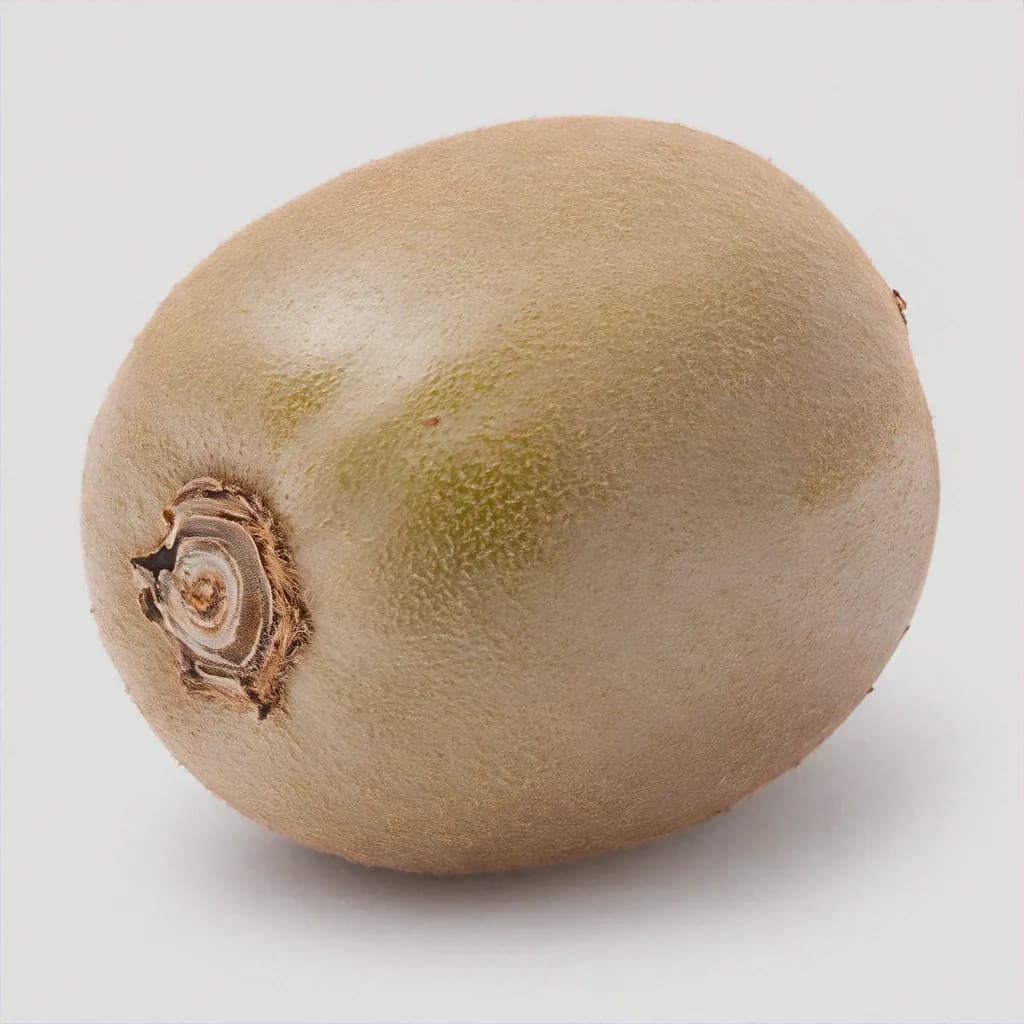
Actinidia deliciosa (Fuzzy Kiwi), Actinidia chinensis (Golden Kiwi)
The kiwi, also known as kiwifruit or Chinese gooseberry, is a small oval fruit with distinctive fuzzy brown skin and vibrant emerald-green flesh dotted with tiny edible black seeds arranged in a starburst pattern. Beneath its modest exterior lies a tropical flavor explosion - sweet yet tangy with notes of strawberry, melon, and banana. This nutrient-dense powerhouse delivers exceptional vitamin C content, more than oranges, along with impressive amounts of vitamin K, vitamin E, folate, and potassium. Native to China but famously cultivated in New Zealand, kiwi has become a global superfruit celebrated for its digestive enzymes, antioxidants, and refreshing taste that brightens smoothies, fruit salads, and desserts worldwide.
Explore Kiwi in stunning detail
Kiwi - Main View
Per 100g
Per 100g
Nutrition breakdown for one serving
Central and Eastern China (Yangtze River valley)
Kiwifruit originated in the Yangtze River valley of China over 700 years ago, where it grew wild in forests and was called 'yang tao' (sunny peach) or 'mihoutao' (macaque fruit). It remained relatively unknown outside China until the early 1900s when seeds were brought to New Zealand by schoolteacher Isabel Fraser in 1904. New Zealand growers recognized the fruit's potential and began cultivation in the 1940s. Originally marketed as 'Chinese gooseberry,' the name was changed to 'kiwifruit' in 1959 by New Zealand exporters - named after the country's national bird, the kiwi, due to the fruit's fuzzy brown appearance. The rebranding proved brilliant, and New Zealand became synonymous with kiwifruit, developing it into a major export crop. The fruit gained international popularity in the 1960s-70s, spreading to California, Europe, and South America. Today, while China remains the world's largest producer, New Zealand's Zespri brand dominates the premium market and developed the golden kiwi variety in the 1990s.
Year-round availability due to global production
Each variety offers unique flavors, textures, and culinary applications
Keep your fruit fresh and delicious for longer
Select kiwis that are firm but yield slightly to gentle pressure when ripe
Avoid fruits that are very hard (underripe) or mushy soft (overripe)
Look for plump, evenly shaped fruit without wrinkles, bruises, or soft spots
The skin should be intact without breaks, cuts, or mold
A slight give when pressed indicates ripeness - like a ripe peach or avocado
Avoid kiwis with dark spots, extensive wrinkling, or a wine-like fermented smell
Size doesn't indicate quality - smaller kiwis can be just as flavorful
Fuzzy skin is normal for green kiwis; golden kiwis have smoother, thinner skin
Buy firm kiwis if not eating immediately; they'll ripen at room temperature
Organic kiwis have less pesticide exposure if eating the skin
Store unripe kiwis at room temperature away from direct sunlight until ripe
Ripen faster by placing in a paper bag with an apple or banana (ethylene producers)
Once ripe, refrigerate kiwis in the crisper drawer for maximum shelf life
Store ripe kiwis in a plastic bag or container in the refrigerator
Keep away from ethylene-sensitive produce if storing unripe kiwis
Do not wash until ready to eat to prevent moisture buildup and mold
Store cut kiwi in an airtight container in the refrigerator, use within 1-2 days
Place a paper towel in container with cut kiwi to absorb excess moisture
Kiwis can be stored at room temperature for 3-5 days when ripe
Check ripeness daily by gently pressing - refrigerate when ripe to stop ripening
Preserve freshness for months
Peel kiwis before freezing for easiest use
Slice, dice, or puree depending on intended use
Flash freeze sliced kiwi on parchment-lined tray for 2-3 hours
Transfer frozen pieces to freezer-safe bags, removing excess air
Can also puree kiwi and freeze in ice cube trays for smoothies
Frozen kiwi maintains quality for 10-12 months
Texture becomes softer after freezing - best for smoothies, sauces, or baking
No need to thaw for smoothies - use directly from frozen
Thawed kiwi works well in baked goods, sauces, and purees
Label containers with date for best quality tracking
Label frozen items with the date to track freshness. Most fruits maintain quality for 2-3 months when properly frozen. For best results, use airtight containers or freezer bags to prevent freezer burn.
Discover delicious possibilities
Kiwi is a relatively common food allergen, particularly in children and young adults. Allergic reactions range from mild oral allergy syndrome (OAS) to severe anaphylaxis. Symptoms include itching, tingling, or swelling of the mouth, lips, tongue, and throat; hives or skin rash; digestive upset; difficulty breathing; or anaphylaxis in severe cases. Kiwi contains proteins similar to latex (cross-reactivity occurs in 30-50% of latex-allergic individuals), birch pollen, grass pollen, and other fruits. Cross-reactive foods include banana, avocado, hazelnut, chestnut, and papaya. Both green and gold kiwis can trigger allergies. The skin contains higher allergen concentrations than the flesh.
Conventionally grown kiwis generally have low to moderate pesticide residues compared to other fruits. The thick, fuzzy skin provides natural protection to the flesh inside. However, surface residues can remain on the skin. If eating kiwi with skin on, choose organic when possible or wash thoroughly. To reduce pesticide exposure: wash kiwis under running water for 30 seconds, gently scrub with a soft brush, or peel before eating. The Environmental Working Group typically ranks kiwi in the lower-middle range for pesticide concerns. Imported kiwis may have been treated with fungicides for shipping.
Surprising trivia you'll love!
Kiwifruit was originally called 'Chinese gooseberry' until renamed 'kiwi' in 1959 by New Zealand marketers
Despite the name and marketing, kiwi originated in China, not New Zealand - it's been growing there for over 700 years
The kiwi bird and kiwifruit are both named for their brown, fuzzy appearance
One kiwi contains more vitamin C than an orange - nearly twice as much per 100g
New Zealand exports over $1 billion worth of kiwifruit annually, making it a major industry
Kiwi vines can grow up to 20 feet in a single growing season
A single kiwi vine can produce 200+ pounds of fruit per year when mature
The small black seeds in kiwi are actually the fruit's ovaries - there are typically 1,000-1,500 per fruit
Kiwi was voted New Zealand's favorite fruit, beating out apples and oranges
China produces more kiwifruit than any other country but consumes most domestically
Golden kiwi was developed through traditional breeding over 15+ years, not genetic modification
Kiwi contains actinidin, a natural meat tenderizer enzyme found in few other fruits
The Zespri company has strict quality standards - only premium kiwis make it to market
Kiwifruit plants are actually woody vines, not trees or bushes
Wild kiwifruit still grows in forests throughout central and eastern China
Yes, kiwi skin is completely edible and highly nutritious! The fuzzy brown skin contains concentrated fiber, antioxidants, and vitamin E. Eating kiwi with the skin nearly triples your fiber intake compared to eating just the flesh. The skin has a slightly tart, earthy taste and fuzzy texture that some people enjoy. To eat with skin: wash thoroughly, rub gently to remove some fuzz if desired, and bite in like an apple or slice. Golden kiwis have smoother, less fuzzy skin that's easier to eat. If the fuzzy texture bothers you, you can rub the kiwi with a clean towel to reduce fuzz, or simply peel it. People with sensitive mouths or latex allergies should be cautious, as the skin can be irritating.
A ripe kiwi yields to gentle pressure when squeezed, similar to a ripe avocado or peach - it should feel slightly soft but not mushy. The fruit should give a little when pressed gently with your thumb but still hold its shape. An unripe kiwi feels hard and firm, while an overripe kiwi feels very soft, may have wrinkled skin, and could smell fermented. Other ripeness signs include: a pleasant sweet aroma (ripe) versus no smell (unripe), and the skin may become slightly less firm. Kiwis don't change color when ripe - both ripe and unripe are brown. To ripen hard kiwis faster, place them in a paper bag with an apple or banana at room temperature for 1-3 days.
Kiwi has a unique sweet-tart flavor often described as a blend of strawberry, melon, and banana with tropical notes. Green kiwis (Hayward) are tangier and more acidic with a bright, refreshing taste and slight tartness that balances the sweetness. Golden kiwis are sweeter, less acidic, and have tropical flavors reminiscent of mango, honey, and citrus. The texture is soft and juicy with a slight graininess from the tiny edible black seeds arranged in a circular pattern. The taste is refreshing and complex - sweet enough to satisfy without being cloying, with enough acidity to be vibrant. The flavor intensifies when fully ripe. Some describe it as a cross between a strawberry and a pineapple.
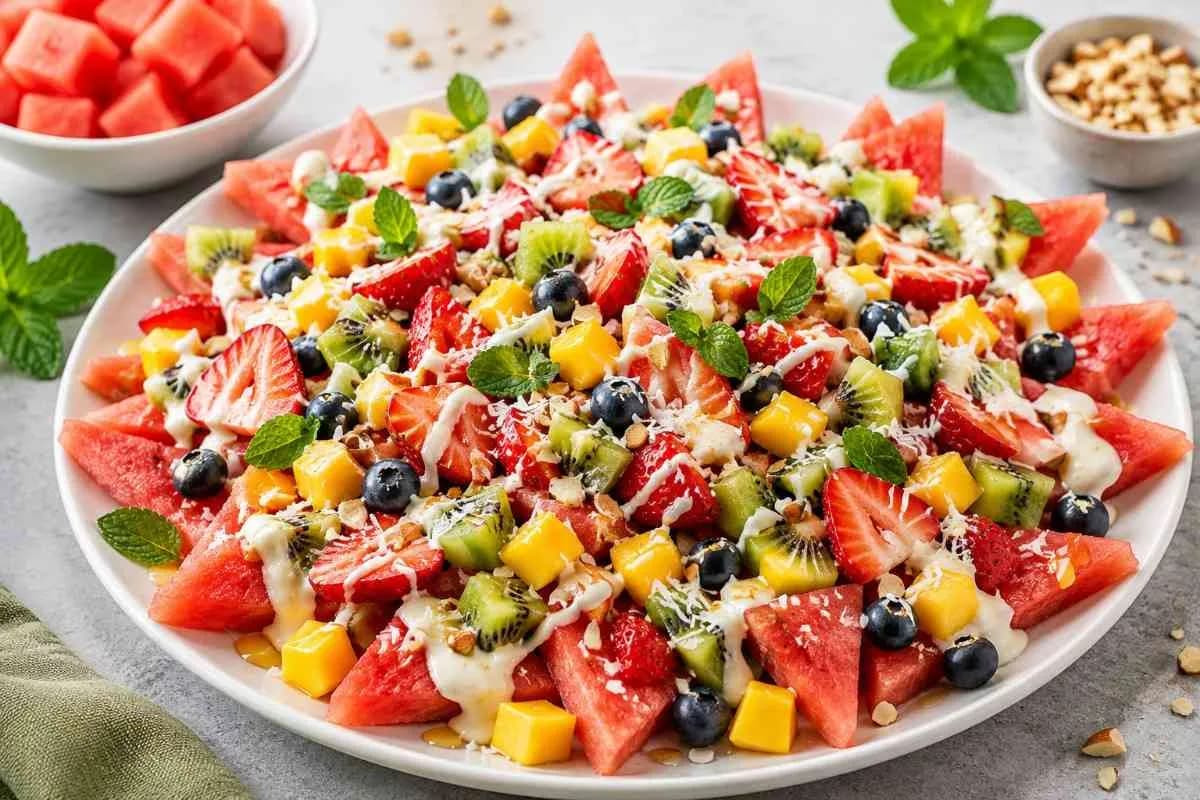
There are several easy ways to eat kiwi: (1) Cut in half crosswise and scoop out the flesh with a spoon - this is the simplest method. (2) Peel with a vegetable peeler or paring knife, then slice into rounds or wedges. (3) Cut off both ends, stand upright, and slice down the sides to remove the peel. (4) Eat unpeeled - wash thoroughly and bite in like an apple or slice with skin on. (5) For presentation, slice unpeeled kiwi into thin rounds to display the beautiful green flesh and seed pattern. The tiny black seeds are completely edible and add a slight crunch. Remove any tough white core if present in the center, though it's edible.
Yes, kiwi is excellent for digestion! Kiwi contains actinidin, a unique proteolytic enzyme that helps break down proteins and aids digestion, particularly of meat and dairy. Studies show eating kiwi can improve digestive comfort, reduce bloating, and help with constipation. The high fiber content (3g per 100g) promotes regular bowel movements and feeds beneficial gut bacteria. Research indicates eating 2 kiwis daily can significantly improve constipation, increase stool frequency, and ease bowel movements. Kiwi may help people with IBS by reducing symptoms. The combination of fiber, enzymes, and high water content makes kiwi particularly effective for digestive health. For best results, eat kiwi regularly, preferably with meals.
Yes, research suggests kiwi may improve sleep quality! Studies show eating 1-2 kiwis an hour before bedtime can help you fall asleep faster, sleep longer, and improve sleep quality. One study found participants who ate two kiwis before bed for four weeks fell asleep 42% faster and slept 13% longer. The sleep benefits are attributed to kiwi's high serotonin content (a sleep-regulating neurotransmitter), antioxidants (especially vitamin C and E), and folate, which all support healthy sleep patterns. Kiwi may also help regulate circadian rhythms. While more research is needed, preliminary evidence is promising. The mechanism isn't fully understood, but the combination of nutrients appears to promote relaxation and quality sleep.
Yes, kiwi seeds are completely edible, safe, and nutritious! The tiny black seeds you see throughout the green flesh are not only safe to eat but add beneficial fiber, omega-3 fatty acids, and a slight crunchy texture. Most people eat the seeds without even thinking about it - they're small enough to chew easily or swallow whole. The seeds contain healthy fats and additional nutrients. There's no need to remove them, and doing so would be impractical given their small size and number (several hundred per fruit). Simply eat the kiwi flesh with the seeds included. They add a pleasant textural contrast and contribute to kiwi's nutritional benefits.
Yes, kiwi is one of the more common fruit allergies, particularly in children. Kiwi allergy symptoms range from mild oral allergy syndrome (tingling or itching in mouth, lips, tongue, throat) to more severe reactions including hives, swelling, digestive upset, or in rare cases, anaphylaxis. Kiwi contains proteins similar to latex, birch pollen, and other fruits, so cross-reactivity is common - those with latex allergy (latex-fruit syndrome) have increased risk. People allergic to bananas, avocados, hazelnuts, or birch pollen should be cautious with kiwi. Both the flesh and skin can trigger reactions, with the skin containing more allergens. If you suspect kiwi allergy, avoid the fruit and consult an allergist. Symptoms usually appear within minutes to an hour after eating.
Green and gold kiwis differ significantly in appearance, taste, and texture. Green kiwi (Hayward): fuzzy brown skin, bright green flesh, sweet-tart tangy flavor, firmer texture, larger size, more acidic, traditional kiwi taste, and contains about 85mg vitamin C per 100g. Gold kiwi (Zespri Gold/SunGold): smoother bronze skin, golden-yellow flesh, sweeter taste with tropical mango-honey notes, softer juicier texture, smaller size, less acidic, and contains about 160mg vitamin C per 100g - nearly double! Gold kiwi is generally more expensive, has thinner edible skin, and appeals to those who find green kiwi too tart. Both are highly nutritious. Try both to discover your preference!
Most health experts recommend eating 1-2 kiwis per day to gain optimal health benefits without excessive sugar intake. One medium kiwi provides 42 calories and over 100% of your daily vitamin C needs. Two kiwis provide double the vitamin C, significant fiber, and substantial amounts of vitamin K, potassium, and antioxidants. Studies showing benefits for digestion, sleep, and immunity typically use 1-2 kiwis daily. This amount is safe for most people and fits well within recommended fruit intake (2-4 servings daily). Some studies have used up to 3 kiwis daily without issues. However, eating excessive amounts could cause digestive upset due to high fiber and actinidin enzyme, or provide too much vitamin K for those on blood thinners.
Yes, kiwi is an excellent fruit choice for diabetics! Kiwi has a low to moderate glycemic index (52) and low glycemic load (7), meaning it causes a gradual rise in blood sugar rather than spikes. The fiber content (3g per 100g) slows sugar absorption and helps regulate blood glucose levels. Studies suggest kiwi may actually improve insulin sensitivity and glucose metabolism. The high vitamin C and antioxidants provide additional health benefits particularly important for diabetics. Portion control is still important - stick to 1-2 kiwis per serving. Pair with protein or healthy fats for even better blood sugar control. Monitor your individual response, but kiwi is generally considered diabetes-friendly. Always consult your healthcare provider about incorporating new foods into your diabetic meal plan.
Kiwi contains actinidin, a proteolytic enzyme that breaks down proteins, including the protein (collagen) that makes gelatin/Jello set and solidify. When fresh kiwi is added to gelatin, the actinidin enzyme digests the protein structure, preventing the gelatin from setting properly or causing it to become liquidy. This is the same enzyme that makes kiwi an effective meat tenderizer. The solution: use cooked or canned kiwi in gelatin dishes, as heat denatures (inactivates) the actinidin enzyme. Alternatively, add kiwi as a garnish on top after the gelatin has set. Other fruits with protein-digesting enzymes include pineapple (bromelain), papaya (papain), and figs - these also prevent gelatin from setting unless cooked first.
Kiwi shelf life depends on ripeness and storage: Unripe kiwi at room temperature lasts 3-7 days until ripe. Ripe kiwi at room temperature lasts 3-5 days. Ripe kiwi refrigerated lasts 2-4 weeks. Slightly underripe kiwi refrigerated can last up to 6 weeks. Cut kiwi refrigerated in an airtight container lasts 1-2 days. Frozen kiwi lasts 10-12 months. To maximize shelf life: buy firm kiwis and ripen as needed, refrigerate once ripe, store in the crisper drawer, keep away from moisture, and don't wash until ready to eat. Check for ripeness by gently squeezing - discard if overly soft, wrinkled, or with fermented smell. Kiwis last much longer than many fruits, making them excellent for stocking up.
No, kiwi is not a citrus fruit, despite having high vitamin C content and tangy flavor similar to citrus. Citrus fruits (oranges, lemons, limes, grapefruits) belong to the Rutaceae family and genus Citrus. Kiwi belongs to the Actinidiaceae family and genus Actinidia - it's classified as a berry. Kiwi is native to China, while citrus fruits originated in Southeast Asia and Australia. Structurally, citrus fruits have segmented flesh in sections, while kiwi has uniform flesh with seeds throughout. Despite the confusion due to its high vitamin C (even more than oranges!) and tart flavor, kiwi is botanically and taxonomically unrelated to citrus fruits. It's simply a vitamin C-rich berry with a tangy taste.
Yes, kiwi can be grown at home with the right conditions! Kiwi vines are vigorous growers that need: full sun (6-8 hours daily), well-draining slightly acidic soil (pH 5.5-7.0), strong support structure (trellis, pergola, or fence), regular watering, and cold winter chilling hours (variety-dependent). Most varieties need both male and female plants for pollination and fruit production. Hardy kiwi (kiwi berries) are easier for cold climates and have smooth edible skin. Fuzzy kiwi needs warmer climates (zones 7-9). Vines take 3-5 years to produce fruit but can yield for 50+ years. Container growing is possible but challenging due to vigorous growth. Space vines 10-15 feet apart and provide sturdy support - they can grow 15-20 feet in one season!
Sustainability insights
Kiwi cultivation has moderate environmental impact. Kiwi vines are perennial plants that live 30-50+ years, providing long-term carbon sequestration without annual replanting. They require bees for pollination, supporting pollinator populations. However, commercial production uses significant water, fertilizers, and pesticides. New Zealand has relatively sustainable practices with integrated pest management. Organic kiwi production eliminates synthetic chemicals. The main environmental concern is long-distance shipping from New Zealand and Chile to distant markets, though sea freight is more sustainable than air freight.
Kiwi carbon footprint varies significantly by source. New Zealand and Chilean kiwis shipped to North America, Europe, or Asia have high carbon footprints due to long-distance refrigerated shipping (typically 6-8 weeks by sea). Air-freighted kiwis have even higher impact but are rare. California-grown kiwis sold locally have much lower footprint. The fruit's long shelf life allows sea shipping rather than air freight, reducing impact compared to more perishable fruits. Storage in controlled atmosphere facilities adds to carbon footprint. Choose locally grown when available (California season: September-November) or accept that imported kiwis have moderate to high carbon impact.
Kiwi vines require moderate to high water, especially during fruit development. Average water footprint is approximately 500-600 liters per kilogram of fruit, which is moderate compared to other fruits. Kiwis need consistent irrigation in commercial operations, particularly in New Zealand's growing regions. Drip irrigation and mulching help conserve water. The vines are sensitive to both drought and waterlogging. Modern orchards use soil moisture monitoring to optimize irrigation. Water usage is highest during spring flowering and summer fruit development.
In North America, buying California kiwis during peak season (September-November) is most sustainable, supporting local agriculture and reducing transportation emissions. However, California production is limited. Most U.S. kiwis are imported from New Zealand (November-May peak) or Chile (March-September). New Zealand's Zespri brand uses relatively sustainable practices including integrated pest management and biodiversity protection. Choose New Zealand kiwis from May-November when they're in season rather than off-season. Year-round availability means imported fruit is often necessary, but timing purchases with producing countries' seasons reduces storage time and energy use.
We aim to keep this Kiwi profile accurate and easy to understand. Nutrition values and % Daily Value figures are based on established reference databases and standard daily value guidance.
Last updated: September 9, 2026
Medical disclaimer
This page is for general educational purposes and does not replace professional medical advice.
Found an issue? Contact us.