Loading Fruit Details...
Please wait while we fetch nutritional information and health benefits
Please wait while we fetch nutritional information and health benefits
Recommended Products
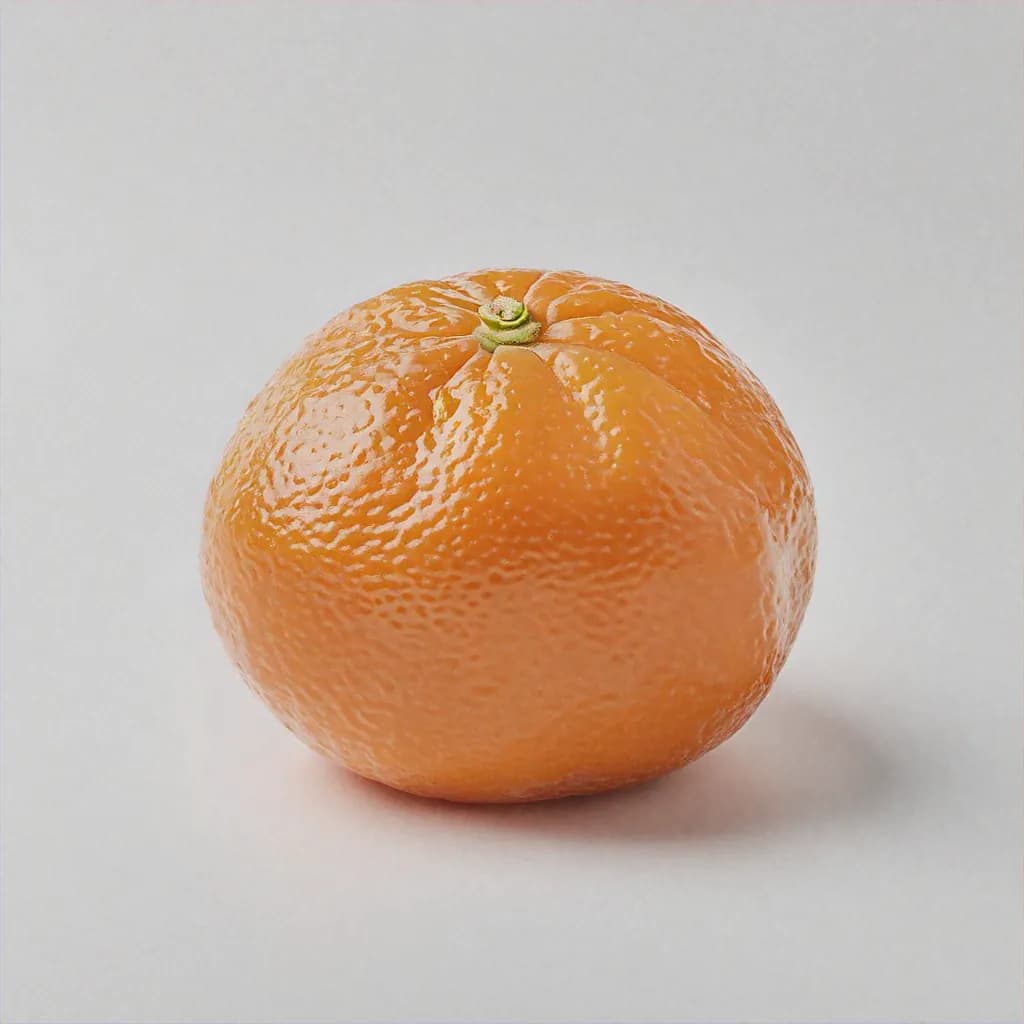
Citrus reticulata
Mandarin is a nutrient-dense citrus superfruit with exceptional vitamin C (44% DV per 100g), outstanding beta-carotene (14% DV per 100g), and remarkable antioxidant profile with potent polyphenols and flavonoids. Also known as tangerine, mandarin orange, or Satsuma, mandarin delivers comprehensive immune support benefits with vibrant color and exceptional nutrient density. At 47 calories per 100g with excellent fiber (9% DV), excellent potassium (5% DV), and exceptional carotenoid concentration, mandarin is prized in contemporary wellness practices, nutrition science, and comprehensive health optimization applications worldwide. Perfect for fresh snacking, immune support, antioxidant wellness, and winter nutrition.
Explore Mandarin in stunning detail
Mandarin - Main View
Per 100g
Per 100g
Nutrition breakdown for one serving
Southeast Asia (Southern China and surrounding regions)
Mandarin (Citrus reticulata) is native to Southeast Asia with archaeological evidence of cultivation in China dating back 3,000 years. The name 'mandarin' derives from the historical Mandarin administrators of China who favored the fruit. Portuguese traders introduced mandarins to Europe in the 1600s, spreading to Mediterranean regions. The fruit became known as 'tangerine' after the Moroccan port city of Tangier through which they were exported. Japanese growers developed Satsuma variety in the 1600s, becoming the first mandarin variety without seeds. Today, mandarin is cultivated worldwide in subtropical and tropical regions. Mandarin remains prized for its exceptional flavor, easy peeling, nutritional density, and comprehensive health benefits in contemporary wellness applications.
Peak harvest October-March
Each variety offers unique flavors, textures, and culinary applications
Keep your fruit fresh and delicious for longer
Select mandarins with bright, deep orange color indicating ripeness
Choose fruits that feel heavy for their size indicating juice content
Look for unblemished, smooth skin without soft spots or decay
Avoid mandarins with mold, discoloration, or musty odor
Select seedless varieties (Satsuma, Clementine) for convenience
Press gently - should yield slightly to indicate ripeness and juice content
Store mandarins in cool, dark location away from direct sunlight
Refrigerate mandarins in crisper drawer for extended freshness
Keep in breathable bag or container allowing air circulation
Store away from strong odors which mandarins can absorb
Mandarins stored at room temperature ripen and develop flavor
Properly stored mandarins maintain freshness for 2-3 weeks
Preserve freshness for months
Peel and segment mandarins before freezing
Freeze segments on baking sheet before transferring to freezer bags
Frozen mandarins maintain quality for 3-4 months
Thaw at room temperature before consuming as fresh fruit
Frozen mandarins ideal for smoothies and juice applications
Flash-freeze segments to preserve texture and nutrition
Label frozen items with the date to track freshness. Most fruits maintain quality for 2-3 months when properly frozen. For best results, use airtight containers or freezer bags to prevent freezer burn.
Discover delicious possibilities
Mandarin allergies are relatively rare affecting less than 0.1% of population. Oral allergy syndrome in pollen-allergic individuals is more common than true mandarin allergy.
Mandarins grown commercially may have pesticide residue. Choose organic mandarins when available. Always wash thoroughly under running water before eating to remove surface bacteria and residues.
Surprising trivia you'll love!
Mandarin (Citrus reticulata) is native to Southeast Asia with cultivation dating back 3,000 years in China
The name 'mandarin' derives from historical Mandarin administrators of China who favored the fruit
Mandarins are also called tangerines, after Tangier Morocco, a major export port
Satsuma variety developed in Japan in the 1600s was the first seedless mandarin variety
Mandarin contains exceptional vitamin C at 44% DV per 100g supporting immune function
The Clementine variety was developed in Algeria in the early 1900s
Mandarin peel contains limonene, a compound with proven anti-cancer properties
A single mandarin provides approximately 26.7 mg of vitamin C (44% DV)
China is the world's largest mandarin producer with 60%+ of global supply
Mandarin fragrance is prized in aromatherapy for mood enhancement and stress relief
Mandarin (Citrus reticulata), also called tangerine or mandarin orange, is a nutrient-dense citrus superfruit with exceptional vitamin C (44% DV per 100g), outstanding beta-carotene (14% DV per 100g), and remarkable antioxidant profile with polyphenols and limonoids. Mandarin delivers exceptional immune and cellular protection benefits.
Mandarin delivers exceptional vitamin C (44% DV per 100g) for immunity, excellent beta-carotene (14% DV) for eye health, excellent potassium (5% DV), and exceptional polyphenol antioxidants. At 47 calories per 100g with excellent fiber (6% DV) and low glycemic load (3), mandarin provides comprehensive nutritional benefits.
Yes, mandarin is exceptional for immune health with exceptional vitamin C (44% DV per 100g) supporting white blood cell function and immune response. The comprehensive polyphenol antioxidant profile provides additional immune-supporting benefits.
Mandarin contains exceptional vitamin C at 26.7 mg per 100g (44% DV), supporting immune function, collagen synthesis, and comprehensive antioxidant protection. This makes mandarin an excellent daily immune support fruit.
Yes, mandarins support eye health with beta-carotene (14% DV per 100g) converted to vitamin A for vision support. The vitamin C content further protects eye cells from oxidative damage.
Popular seedless varieties include Satsuma (original Japanese seedless variety), Clementine (premium sweet seedless type), and Honey mandarin (heritage variety). All offer convenient peeling and eating without seed removal.
Store mandarins in cool location or refrigerator crisper drawer. Unpeeled mandarins keep 2-3 weeks refrigerated. Room temperature storage is acceptable for short-term ripening. Frozen mandarin segments maintain quality for 3-4 months.
Mandarins are native to Southeast Asia (southern China) and now cultivated worldwide. Major producers include China, Japan, Spain, Brazil, and United States. Peak harvest season is October-March providing winter nutrition.
Sustainability insights
Mandarin cultivation supports agricultural economies in subtropical and tropical regions. Support certified sustainable farms using water-efficient practices and integrated pest management.
Local mandarins during peak season have lower carbon footprint. Choose seasonal mandarins from nearby regions to minimize transportation impact.
Mandarin cultivation requires moderate water for irrigation. Support farms using efficient drip irrigation and water conservation practices.
Support local farmers by choosing mandarins during peak season (October-March). Local mandarins have lower environmental impact and support regional economies.
We aim to keep this Mandarin profile accurate and easy to understand. Nutrition values and % Daily Value figures are based on established reference databases and standard daily value guidance.
Last updated: September 9, 2026
Medical disclaimer
This page is for general educational purposes and does not replace professional medical advice.
Found an issue? Contact us.