Loading Fruit Details...
Please wait while we fetch nutritional information and health benefits
Please wait while we fetch nutritional information and health benefits
Recommended Products
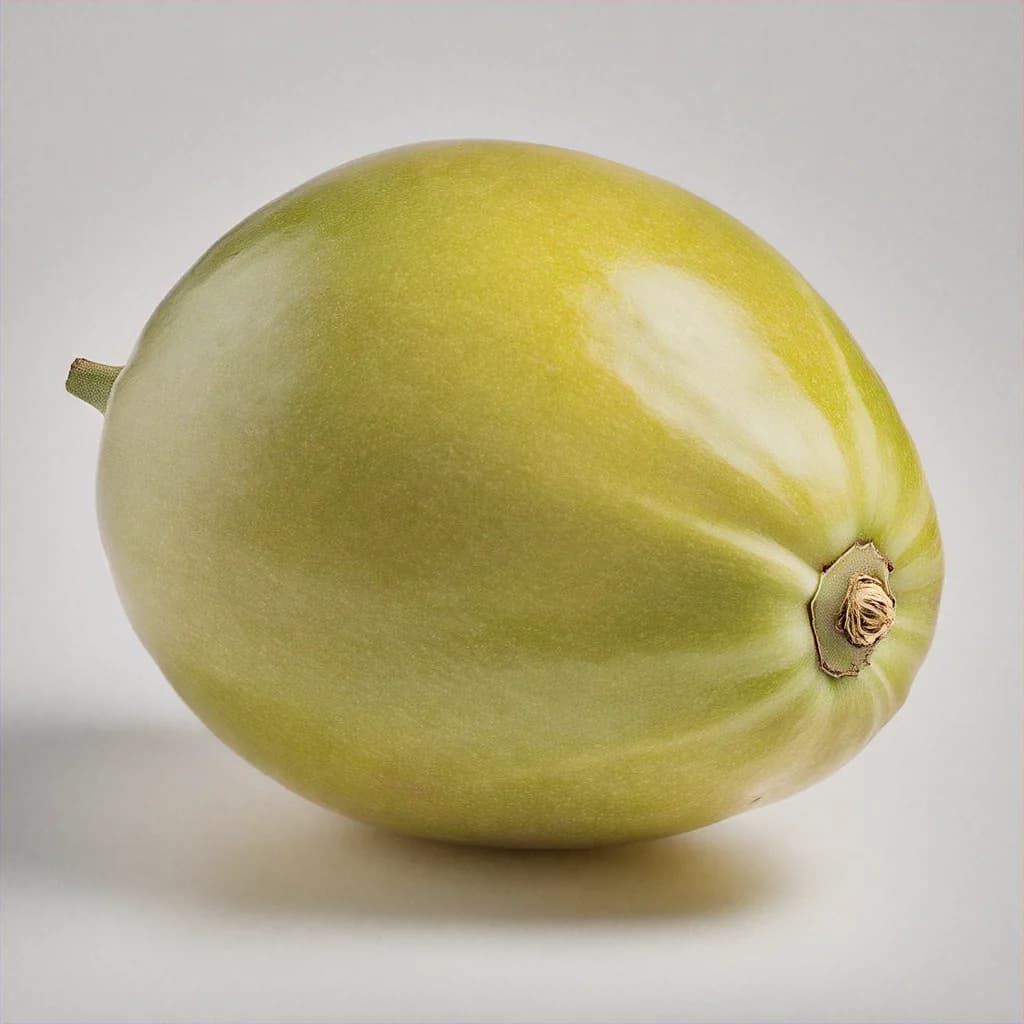
Eugenia pyriformis
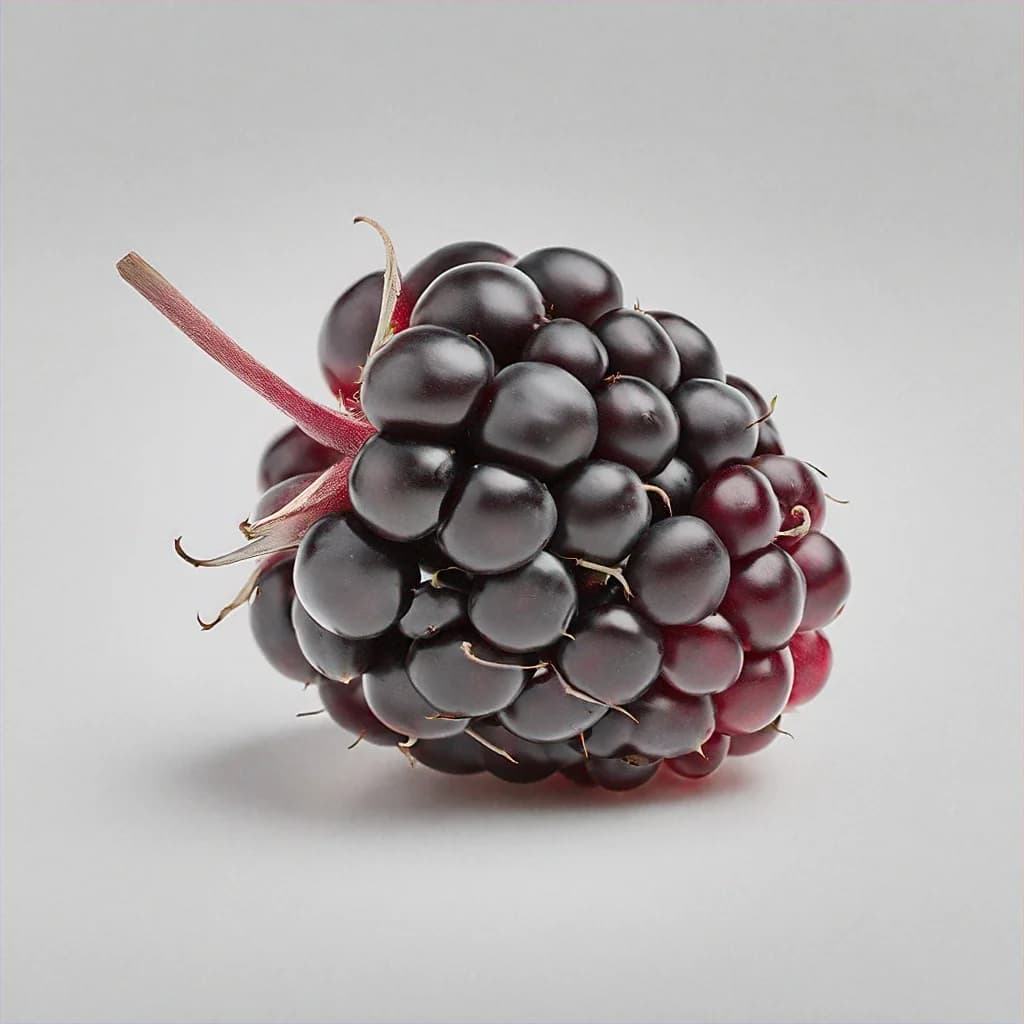
Uvalha, scientifically known as Eugenia pyriformis, is a small, tart, and vibrant fruit native to the tropical regions of South America. This delightful berry belongs to the Myrtaceae family and is often compared to a cranberry due to its tart flavor and deep red hue. Uvalha is celebrated for its antioxidant-rich profile, which includes vitamin C, dietary fiber, and phytonutrients. Its unique combination of sweetness and acidity makes it a versatile ingredient in culinary applications, from jams and juices to baked goods and salads. Beyond its culinary charm, Uvalha is prized for its potential health benefits, including support for immune function, digestive health, and cardiovascular well-being. Whether enjoyed fresh, dried, or processed, this exotic fruit is a treasure trove of flavor and nutrition.
Explore Uvalha in stunning detail
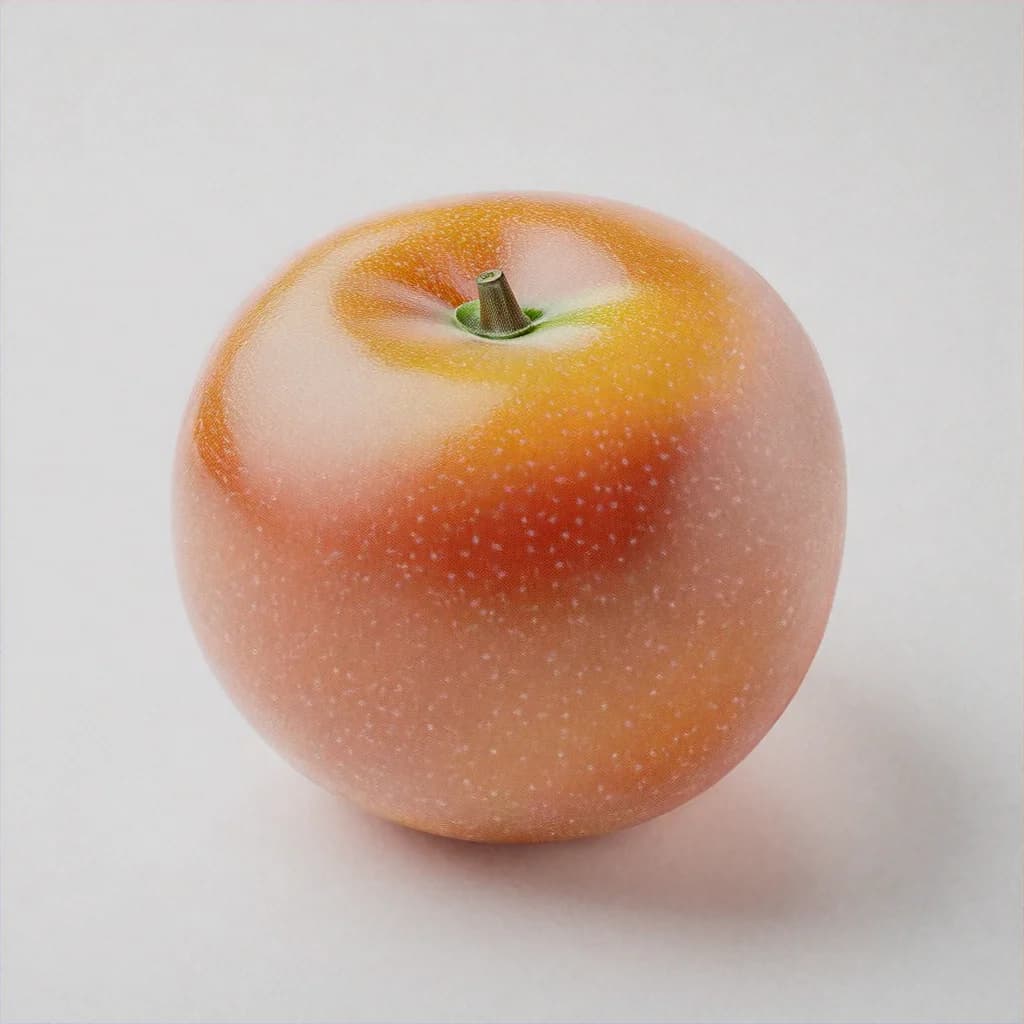
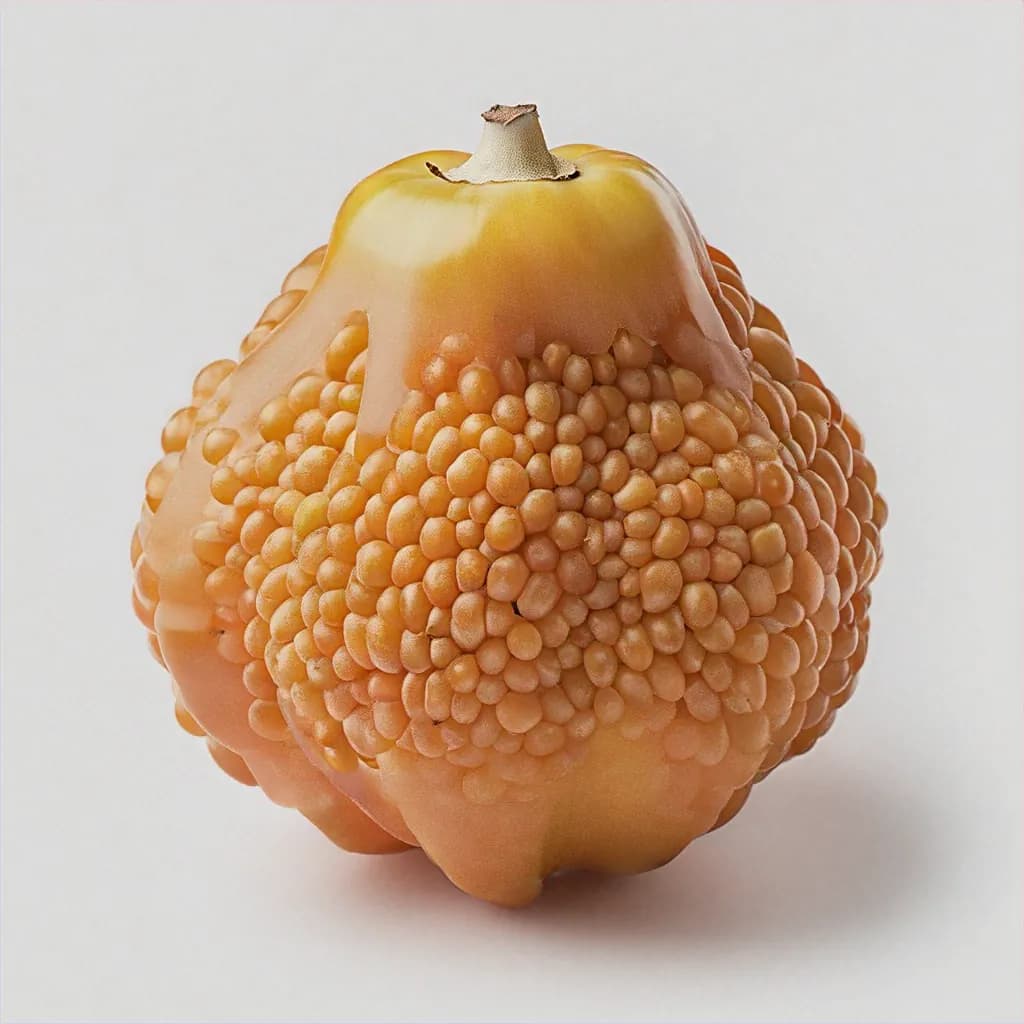
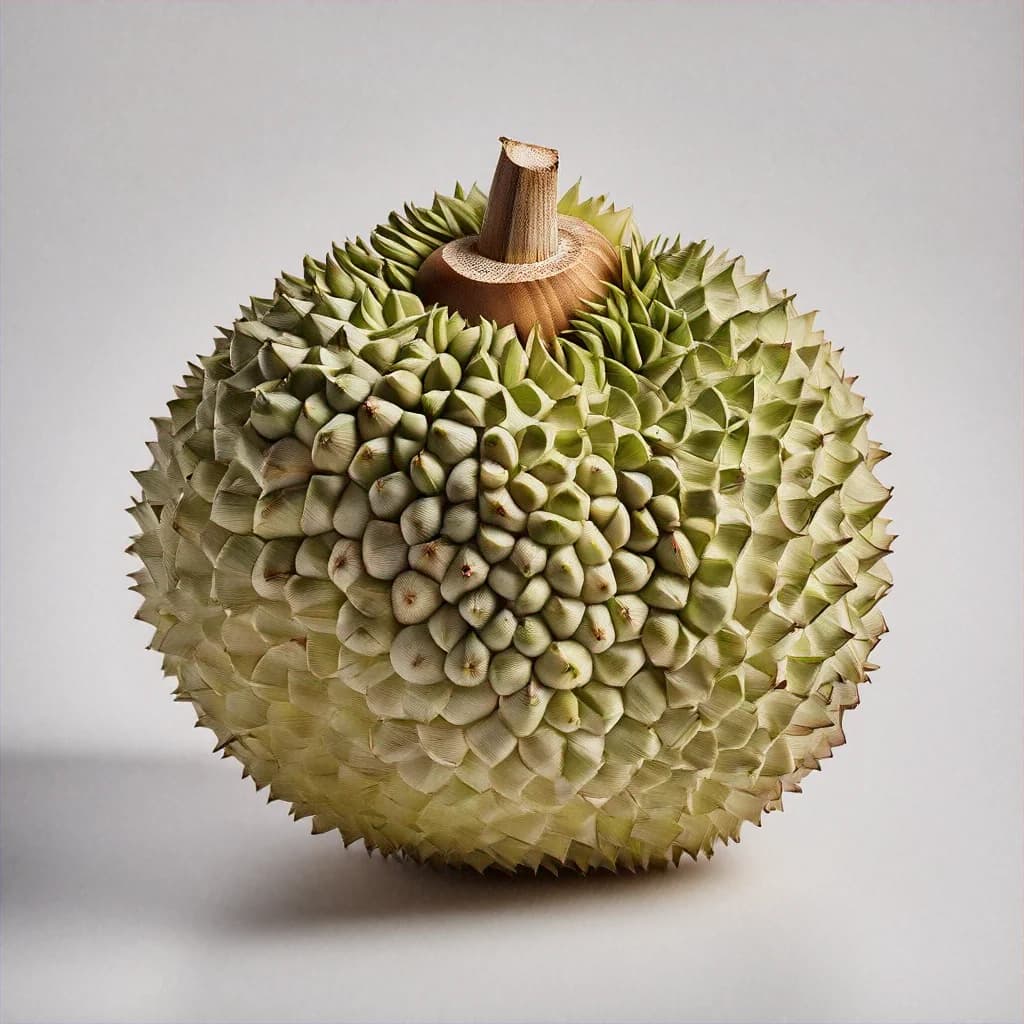
Uvalha - Main View
Per 100g
Per 100g
Nutrition breakdown for one serving
South America
Uvalha has been cultivated in South America for centuries, with indigenous communities valuing its medicinal properties and versatile culinary applications. Its cultivation has expanded in recent decades due to its growing popularity in health-conscious communities.
Late spring to early summer
Each variety offers unique flavors, textures, and culinary applications
Keep your fruit fresh and delicious for longer
Select brightly colored, firm fruits with no blemishes.
Avoid overly soft or wrinkled Uvalha, as they may be overripe.
Store Uvalha in a cool, dry place away from direct sunlight.
Refrigerate for extended freshness.
Preserve freshness for months
Freeze whole or sliced Uvalha in an airtight container for up to 6 months.
Use frozen Uvalha in smoothies, jams, or baked goods.
Label frozen items with the date to track freshness. Most fruits maintain quality for 2-3 months when properly frozen. For best results, use airtight containers or freezer bags to prevent freezer burn.
Discover delicious possibilities
Uvalha is not a common allergen, but individuals with sensitivities to berries should exercise caution.
Uvalha is relatively low in pesticide residue, but organic options are available for those with concerns.
Surprising trivia you'll love!
Uvalha is often referred to as the 'Brazilian cranberry' due to its tart flavor and vibrant color.
The fruit is rich in anthocyanins, the same antioxidants found in blueberries and acai berries.
Uvalha has a tart flavor similar to cranberries, with a slight sweetness and a firm, juicy texture.
Ripe Uvalha will have a deep red to purple color and a slightly firm texture. Avoid fruits that are overly soft or wrinkled.
Yes, Uvalha can be frozen whole or sliced in an airtight container for up to 6 months. It is ideal for smoothies, jams, or baked goods.
Uvalha is commonly used in jams, jellies, and preserves, as well as in baked goods, salads, and beverages.
Uvalha has a moderate sugar content of 8 grams per 100 grams, balanced by its fiber and antioxidant content.
Uvalha is generally safe, but individuals on blood-thinning medications should consult a healthcare provider due to its vitamin K content.
Uvalha is a relatively sustainable fruit, as it requires minimal water and pesticides. However, importing it from South America may increase its carbon footprint.
Sustainability insights
Uvalha is a sustainable fruit, requiring minimal water and pesticides during cultivation.
Importing Uvalha from South America may increase its carbon footprint, so consider locally sourced options when available.
Low water usage compared to other fruits.
Imported Uvalha has a higher carbon footprint, but it supports South American farmers and economies.
We aim to keep this Uvalha profile accurate and easy to understand. Nutrition values and % Daily Value figures are based on established reference databases and standard daily value guidance.
Last updated: October 3, 2026
Medical disclaimer
This page is for general educational purposes and does not replace professional medical advice.
Found an issue? Contact us.