Loading Fruit Details...
Please wait while we fetch nutritional information and health benefits
Please wait while we fetch nutritional information and health benefits
Recommended Products
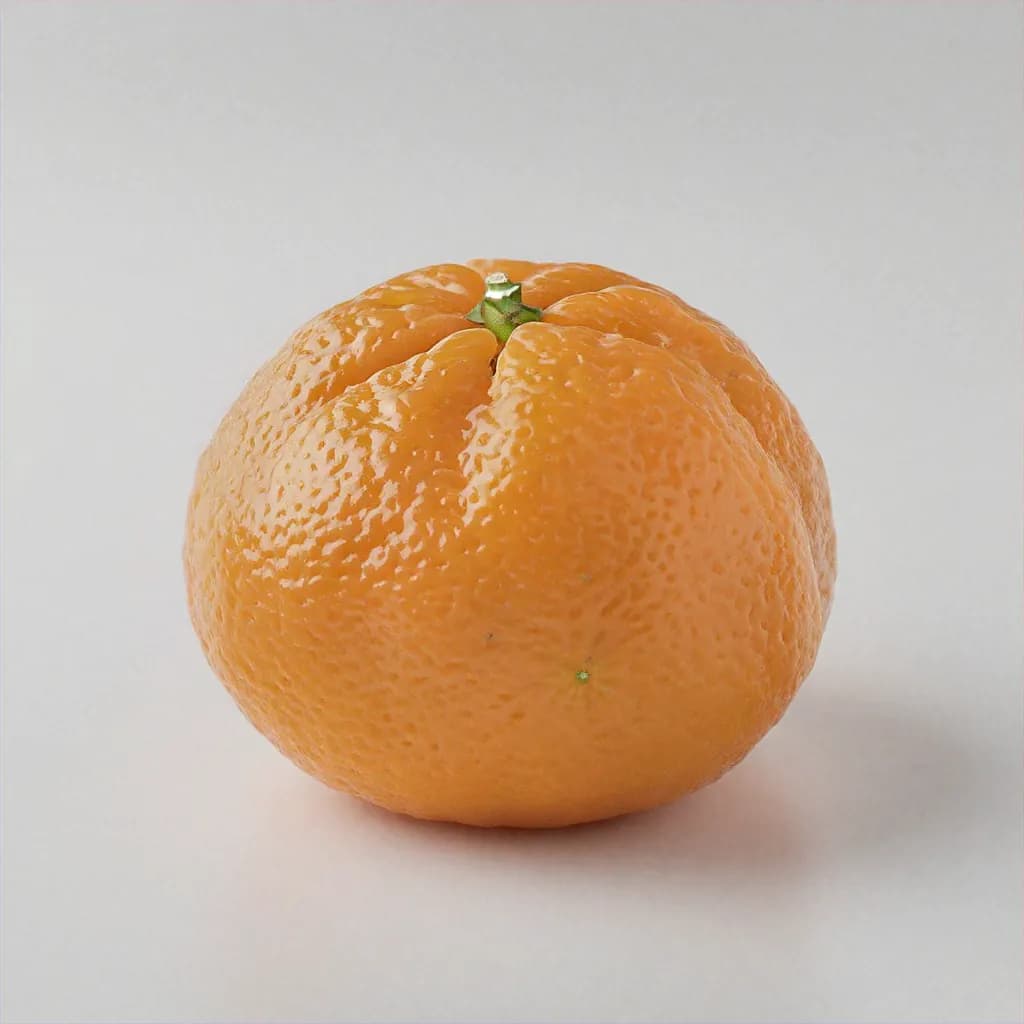
Citrus tangerina
Tangerines are sweet, seedless citrus fruits with vibrant orange skin and juicy, easy-to-peel segments. Rich in vitamin C (44% DV), fiber (5% DV), and antioxidants, tangerines support immunity, heart health, and digestion. With only 47 calories per 100g and high water content (87%), they're perfect for snacking, juicing, or adding to salads. Enjoy fresh or segment for convenient, nutritious eating.
Explore Tangerine in stunning detail
Tangerine - Main View
Per 100g
Per 100g
Nutrition breakdown for one serving
Southeast Asia, particularly China and Malaysia
Tangerines originated in Southeast Asia and were brought to Europe by traders. The name derives from the port city of Tangier in Morocco, a major export hub.
Peak season November-March
Each variety offers unique flavors, textures, and culinary applications
Keep your fruit fresh and delicious for longer
Select firm tangerines with bright, unblemished orange skin
Avoid soft spots, mold, or discoloration
Choose heavier fruit for juicier, fresher taste
Store at room temperature for 3-5 days
Refrigerate in the crisper drawer for up to 2 weeks
Best consumed fresh for maximum nutrition
Preserve freshness for months
Peel and segment before freezing
Freeze in airtight container for up to 4 months
Use frozen tangerines in smoothies or cooking
Label frozen items with the date to track freshness. Most fruits maintain quality for 2-3 months when properly frozen. For best results, use airtight containers or freezer bags to prevent freezer burn.
Discover delicious possibilities
Citrus allergies are rare but possible. Symptoms include itching or swelling of lips and mouth.
Tangerines may have pesticide residues. Wash thoroughly before eating or choose organic varieties.
Surprising trivia you'll love!
Tangerines are sometimes called 'zipper fruit' because they peel so easily
China produces over 30 million tons of tangerines annually
Tangerine segments separate naturally, making them ideal for snacking
The fruit is named after Tangier, Morocco, an important port for citrus exports
Satsuma tangerines are nearly always seedless and perfect for children
Tangerines have slightly less vitamin C than oranges but are similarly nutritious. They're easier to peel and enjoy, making them great for kids.
Yes, tangerine seeds are safe to eat, though some varieties are seedless. Seeds contain beneficial compounds but are often removed for convenience.
Store at room temperature for short-term use or refrigerate in the crisper for up to 2 weeks. Avoid plastic bags which trap moisture.
Peak tangerine season is November through March in Northern Hemisphere, making them perfect winter fruits.
Sustainability insights
Tangerine farming can be sustainable with proper practices. Support local growers and fair-trade certifications.
Imported tangerines have higher carbon footprint. Local, in-season varieties are more eco-friendly.
Tangerine trees require moderate water. Rain-fed and efficiently irrigated orchards are best.
Buying seasonal, local tangerines supports farmers and reduces environmental impact.
We aim to keep this Tangerine profile accurate and easy to understand. Nutrition values and % Daily Value figures are based on established reference databases and standard daily value guidance.
Last updated: September 19, 2026
Medical disclaimer
This page is for general educational purposes and does not replace professional medical advice.
Found an issue? Contact us.