Loading Fruit Details...
Please wait while we fetch nutritional information and health benefits
Please wait while we fetch nutritional information and health benefits
Recommended Products
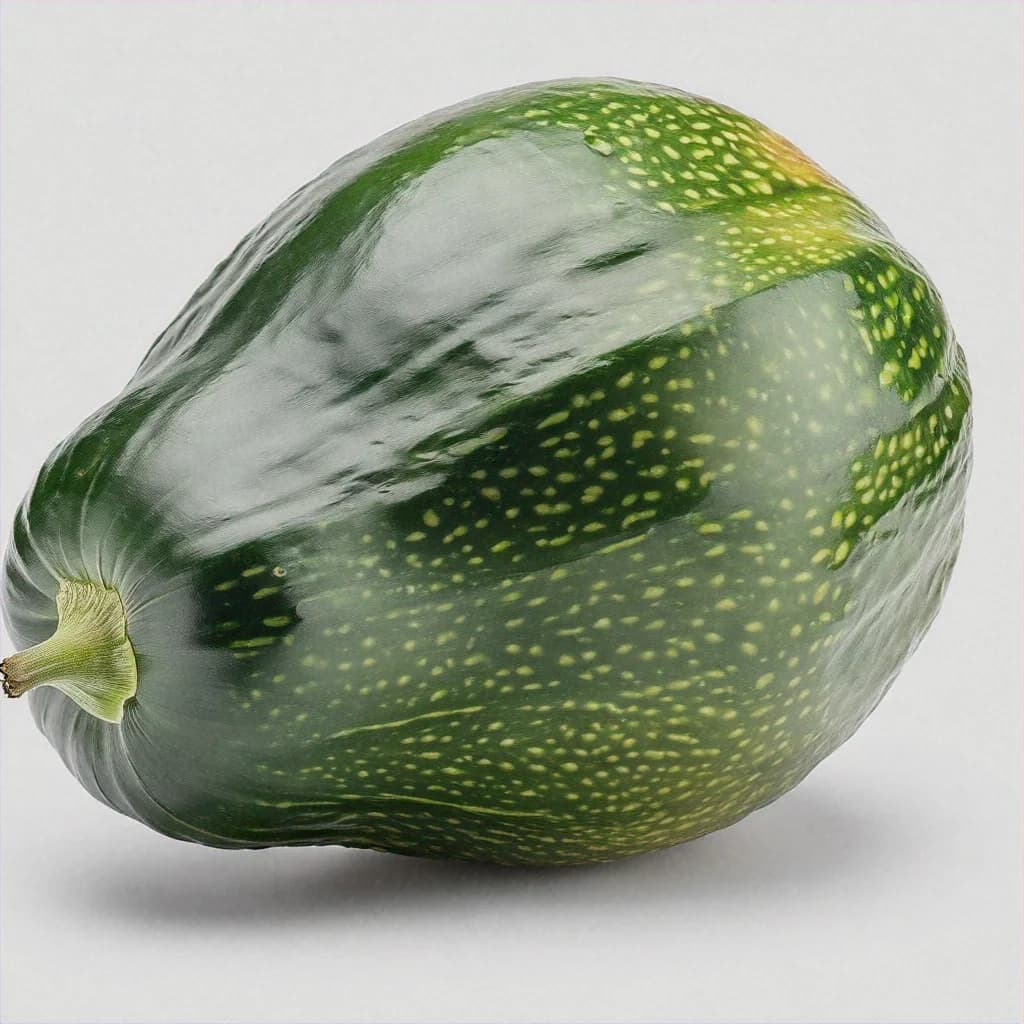
Sideroxylon grandiflorum
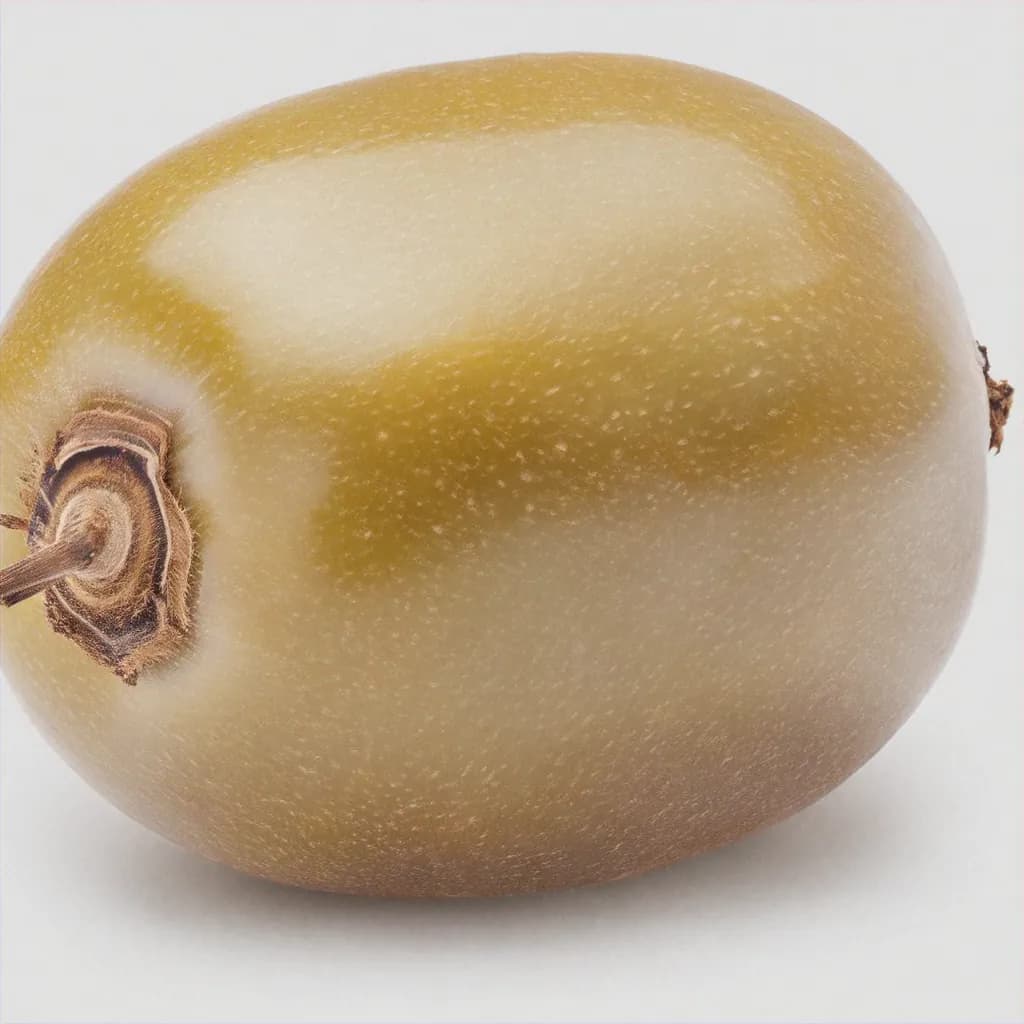
The Tambalacoque, scientifically known as Sideroxylon grandiflorum, is a rare and intriguing fruit native to the lush forests of Mauritius. Often referred to as the 'dodo tree,' it gained fame due to its purported link to the extinct dodo bird, though this connection remains a topic of debate. The fruit itself is small, round, and has a leathery outer skin, which encloses a hard, seed-like pit. Its flavor is mildly sweet with subtle nutty undertones, making it a unique addition to both culinary and botanical enthusiasts. Beyond its historical allure, the Tambalacoque is valued for its nutritional profile, which includes a rich array of vitamins, minerals, and antioxidants.
Explore Tambalacoque in stunning detail
Tambalacoque - Main View
Per 100g
Per 100g
Nutrition breakdown for one serving
Mauritius
The Tambalacoque gained fame due to its association with the extinct dodo bird, which was believed to have aided in its seed dispersal. However, the validity of this claim remains debated in the scientific community.
Late spring to early summer
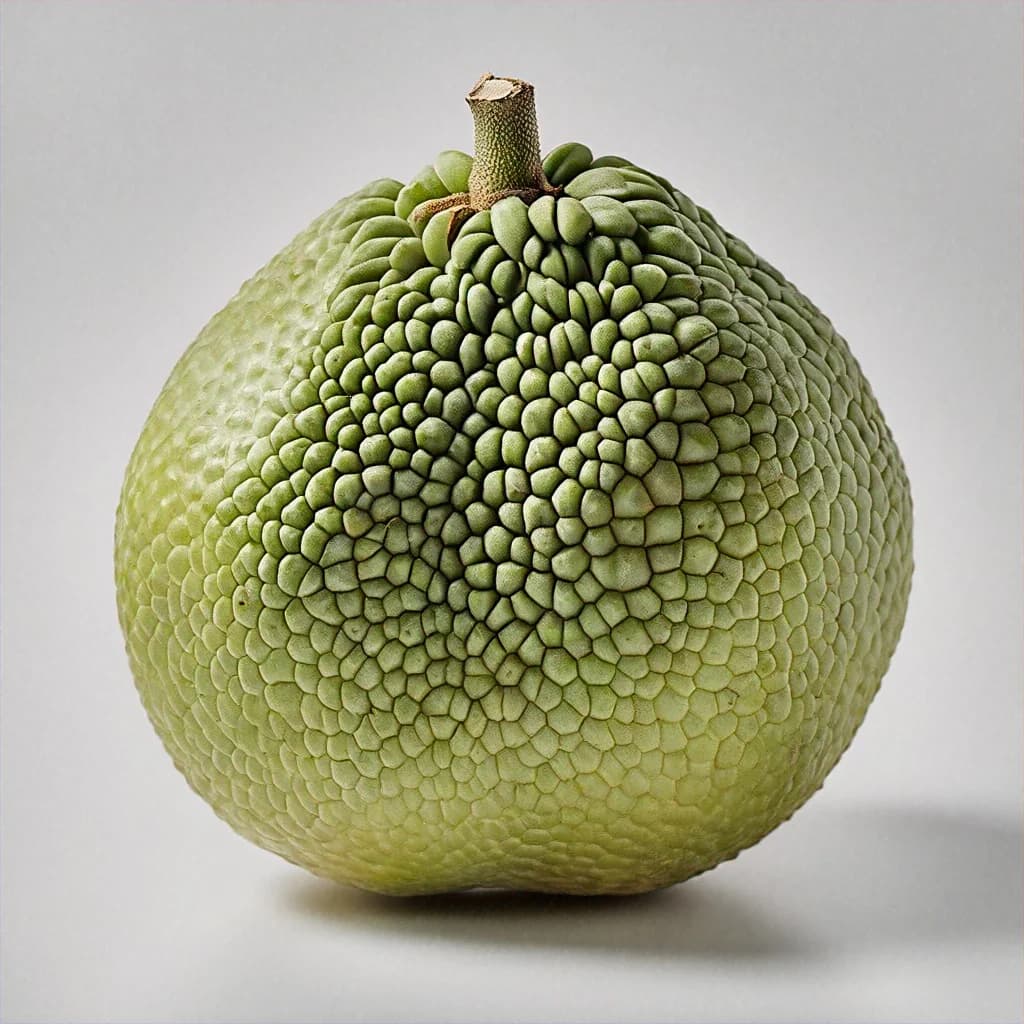
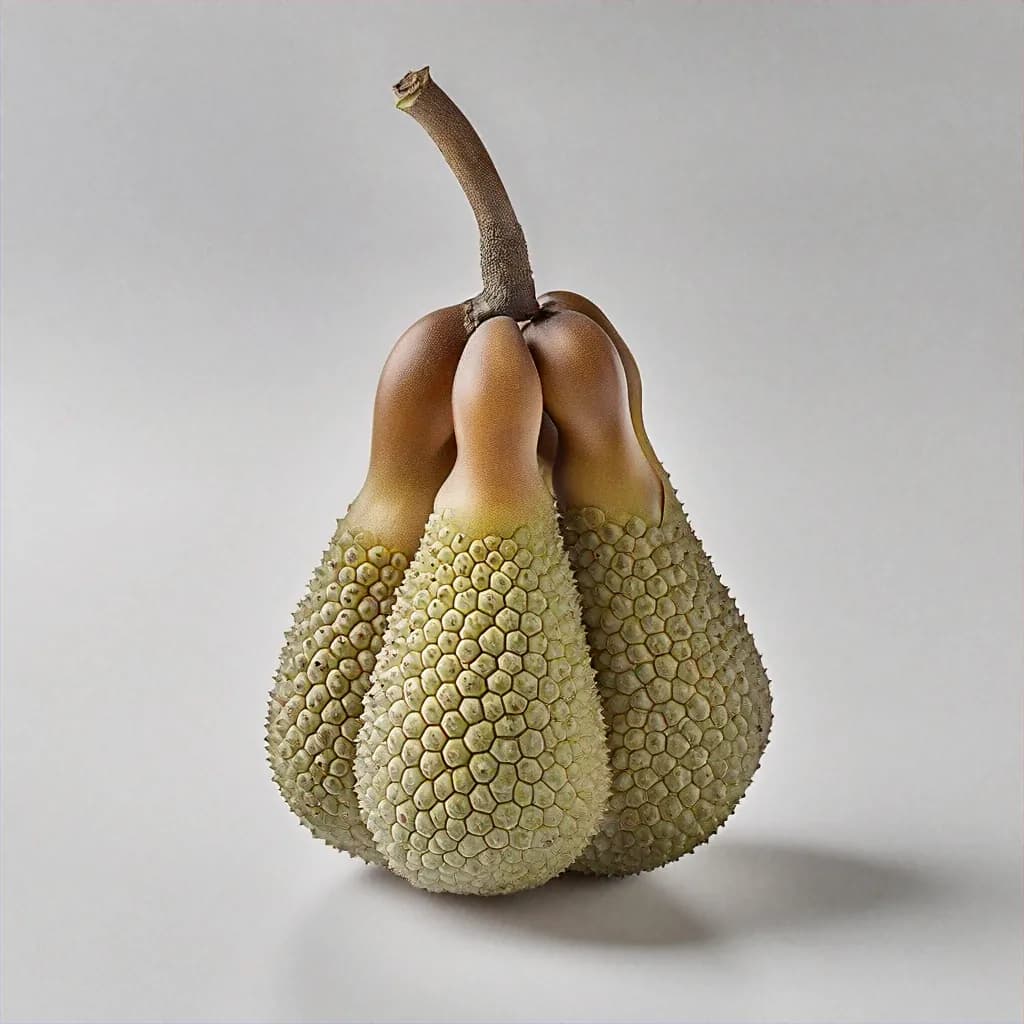
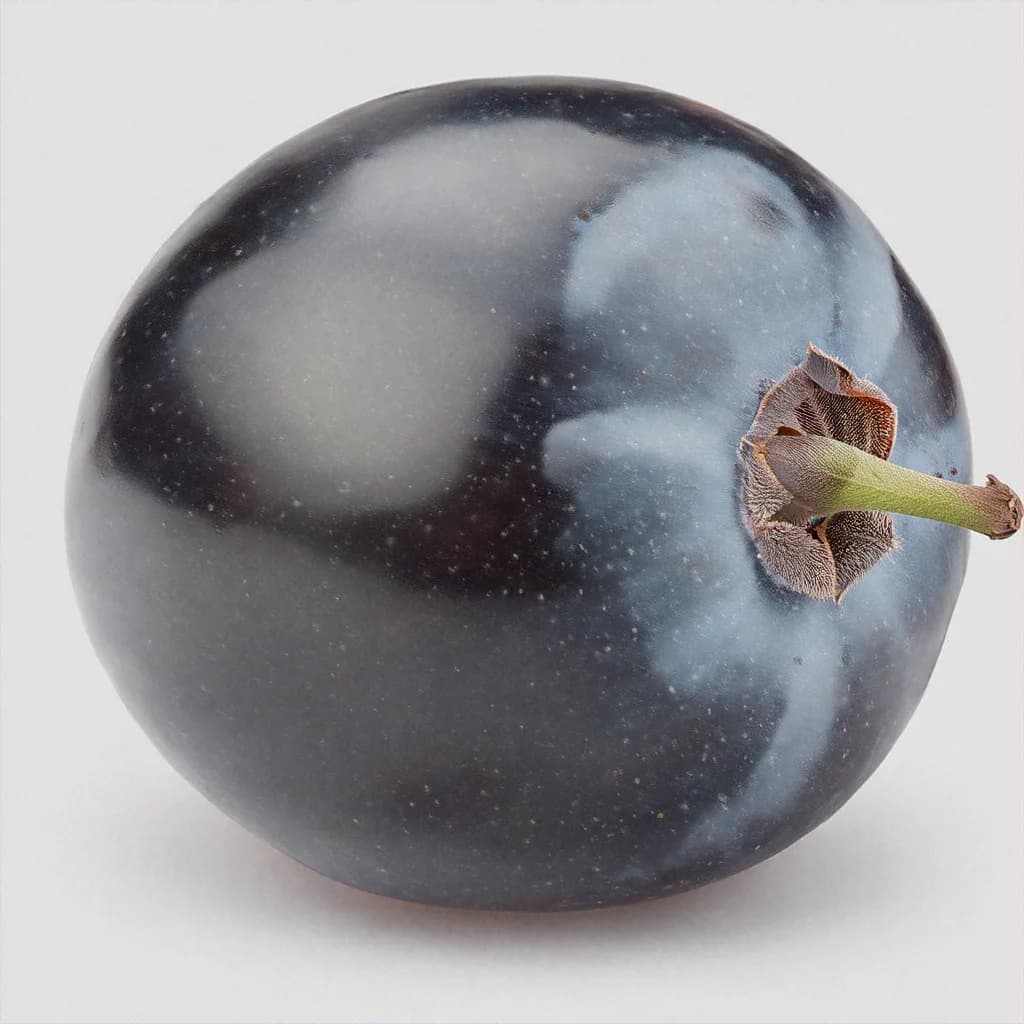
Each variety offers unique flavors, textures, and culinary applications
Keep your fruit fresh and delicious for longer
Look for fruits with a firm, unblemished skin.
Avoid fruits with soft spots or mold, as they may be overripe or spoiled.
Store at room temperature for up to 5 days.
Refrigerate to extend shelf life to 7-10 days.
Preserve freshness for months
Freeze whole or sliced in an airtight container for up to 3 months.
Thaw in the refrigerator before use.
Label frozen items with the date to track freshness. Most fruits maintain quality for 2-3 months when properly frozen. For best results, use airtight containers or freezer bags to prevent freezer burn.
Discover delicious possibilities
No known allergies associated with Tambalacoque, but individuals with tree nut allergies should exercise caution.
Tambalacoque is generally grown without heavy pesticide use, but it is always wise to wash the fruit thoroughly before consumption.
Surprising trivia you'll love!
The Tambalacoque is often called the 'dodo tree' due to its purported link to the extinct dodo bird.
Despite its historical fame, the Tambalacoque is a relatively rare and lesser-known fruit outside of Mauritius.
Tambalacoque has a mildly sweet flavor with subtle nutty undertones, making it unique and versatile in culinary applications.
A ripe Tambalacoque will have a slightly softened skin and a yellowish-brown hue. Avoid fruits that are overly soft or have mold.
Yes, Tambalacoque can be frozen whole or sliced in an airtight container for up to 3 months.
Tambalacoque can be eaten fresh, used in jams and preserves, or incorporated into desserts and baked goods.
Yes, Tambalacoque contains dietary fiber, which aids in digestive health and promotes satiety.
Tambalacoque is rich in antioxidants, fiber, and vitamins like Vitamin C, making it beneficial for immune function, digestion, and overall health.
The Tambalacoque is often associated with the dodo bird, as it was believed that the dodo helped disperse its seeds. However, this claim is debated among scientists.
Sustainability insights
The Tambalacoque is a sustainable fruit, as it requires minimal water and is often grown without heavy pesticide use.
Low carbon footprint due to minimal transportation and processing requirements.
Moderate water usage, primarily reliant on natural rainfall.
Primarily found in Mauritius, making it a locally sourced fruit with minimal environmental impact.
We aim to keep this Tambalacoque profile accurate and easy to understand. Nutrition values and % Daily Value figures are based on established reference databases and standard daily value guidance.
Last updated: September 29, 2026
Medical disclaimer
This page is for general educational purposes and does not replace professional medical advice.
Found an issue? Contact us.