Loading Fruit Details...
Please wait while we fetch nutritional information and health benefits
Please wait while we fetch nutritional information and health benefits
Recommended Products
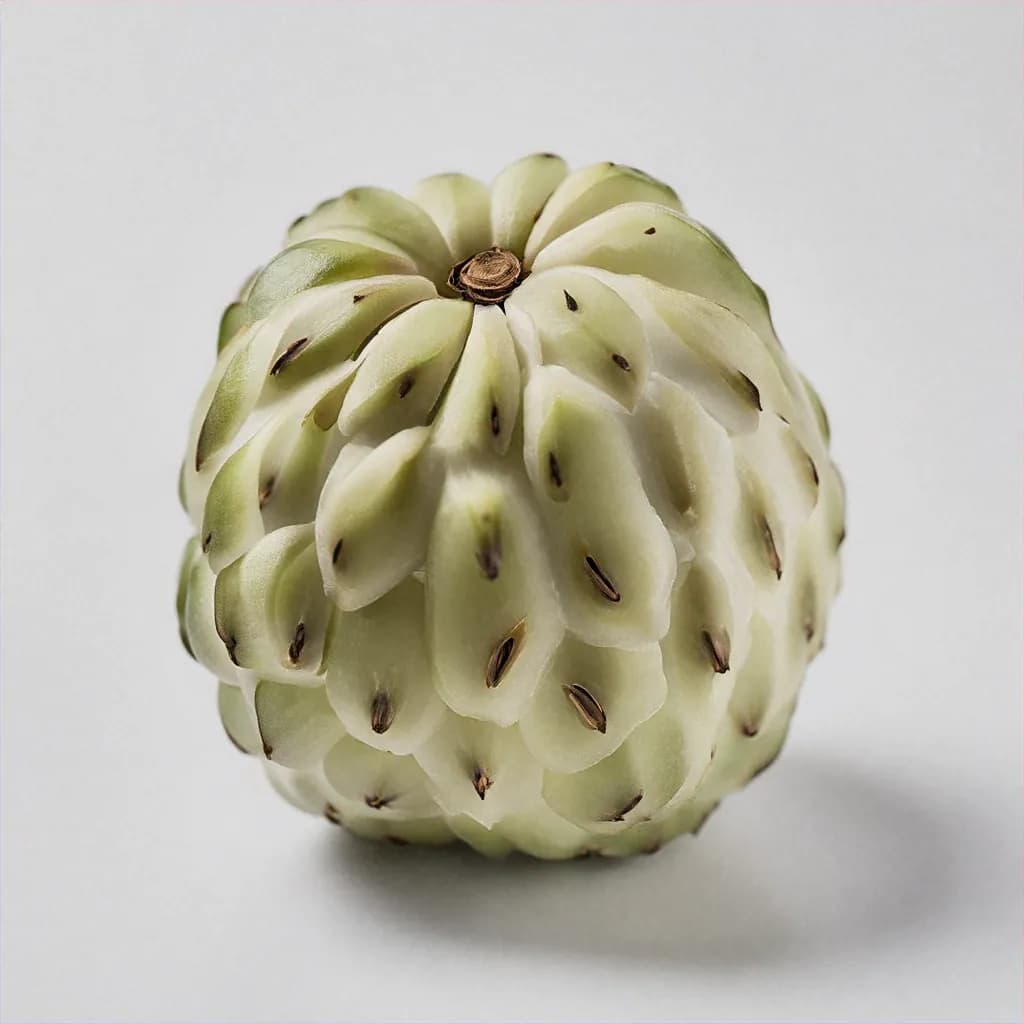
Annona cherimola
Cherimoya, known as the 'custard apple,' is an exotic tropical fruit with distinctive green, scaly skin and creamy white flesh offering extraordinary flavor. Often called the finest fruit in the world, cherimoya delivers unique taste combining pineapple, banana, papaya, peach, and strawberry notes with smooth, custard-like texture. This nutrient-dense fruit is exceptionally rich in vitamin C (60% DV per cup), vitamin B6 (31% DV), and fiber (20% DV) while providing important minerals and antioxidants. The luscious, sweet flesh melts in your mouth with complex tropical flavor profile that captivates first-time tasters. Low in fat and cholesterol-free, cherimoya offers guilt-free indulgence at approximately 120 calories per cup. Native to South American highlands, this premium fruit requires careful handling but rewards with unparalleled eating experience that justifies its 'fruit of paradise' reputation.
Explore Cherimoya in stunning detail
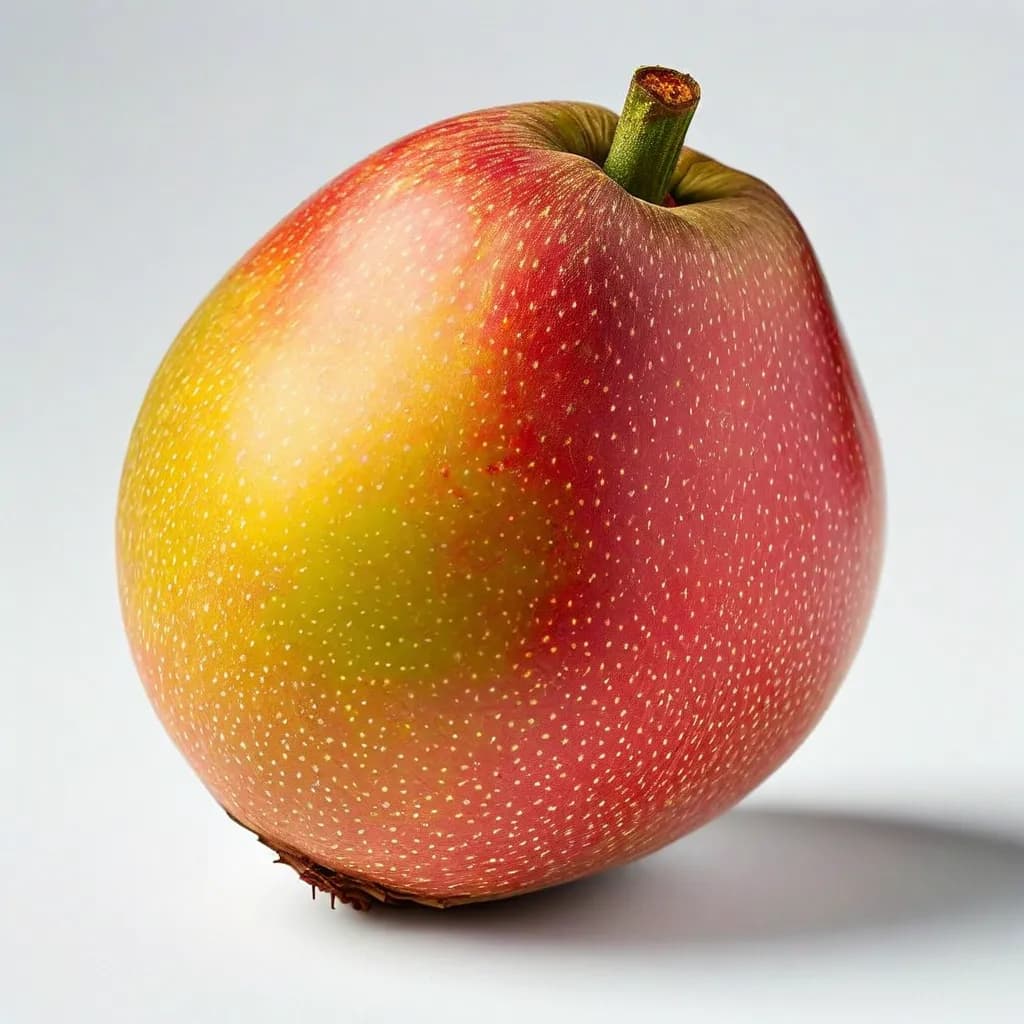
Cherimoya - Main View
Per 100g
Per 100g
Nutrition breakdown for one serving
Andes Mountains of South America (Ecuador, Peru, Colombia)
Cherimoya has ancient origins in the Andean highlands of Ecuador, Peru, and Colombia, where it was cultivated by indigenous peoples for thousands of years before Spanish colonization. Archaeological evidence suggests cultivation dating back to pre-Incan civilizations. The Quechua name 'chirimuya' means 'cold seeds,' referring to the fruit's ability to grow at high altitudes (3,000-7,000 feet) where temperatures are cool. Inca nobility prized cherimoya as a delicacy. Spanish conquistadors encountered cherimoya in the 16th century and introduced it to Europe, where it gained admiration. Mark Twain famously called cherimoya 'the most delicious fruit known to men' after tasting it during his travels. Spanish missionaries brought cherimoya to California in the late 1700s-early 1800s, planting orchards at missions. Commercial cultivation began in Southern California in the early 1900s, particularly in coastal valleys with mild Mediterranean climate. Spain developed significant cherimoya production along the Costa Tropical of Granada, becoming Europe's primary producer. Today, cherimoya remains a specialty fruit with limited commercial production due to hand-pollination requirements (in non-native regions), delicate nature, and short shelf life. The fruit's exceptional flavor maintains devoted following among tropical fruit enthusiasts.
Winter through spring in Northern Hemisphere
Each variety offers unique flavors, textures, and culinary applications
Keep your fruit fresh and delicious for longer
Select cherimoya that yields slightly to gentle pressure, similar to ripe avocado - indicates ripeness
Skin should be green to yellowish-green; browning between scales is acceptable and often indicates ripeness
Avoid fruit with extensive black or dark brown spots (over-ripeness or damage)
Choose heavier fruits for their size, indicating good flesh development
Slight separation between scale-like bumps is normal; deep cracks may indicate over-ripeness
Avoid fruits with hard, completely green skin unless planning to ripen at home
Surface should be mostly intact without cuts or significant bruising
Size varies greatly (4 oz to 3+ lbs) - larger fruits have more edible flesh relative to seeds
Stem should be present and intact when possible
No need to smell - cherimoya has very subtle aroma even when ripe
Unripe cherimoya (hard, completely green) should be ripened at room temperature (65-75°F)
Place unripe fruit in paper bag to accelerate ripening (3-5 days typically)
Once ripe (yields to gentle pressure), refrigerate immediately to extend shelf life
Ripe cherimoya lasts 1-3 days refrigerated before quality declines
Store in refrigerator crisper drawer in plastic bag to maintain humidity
Do not refrigerate unripe cherimoya - cold temperatures prevent proper ripening
Once cut, wrap exposed flesh tightly in plastic wrap and refrigerate
Consume cut cherimoya within 1-2 days - flesh oxidizes and darkens quickly
Squeeze lemon juice on cut flesh to prevent browning
Preserve freshness for months
Cherimoya freezes well and maintains flavor beautifully
Cut ripe cherimoya in half, scoop out flesh, and remove seeds
Puree flesh in blender until smooth or leave in chunks
Add lemon or lime juice (1 tablespoon per cup) to prevent browning
Store in freezer-safe containers or bags, removing excess air
Frozen cherimoya maintains quality for 10-12 months
Frozen puree is excellent for smoothies, ice cream, and desserts
Thaw in refrigerator for fresh applications or use directly frozen for smoothies
Texture becomes softer after freezing - best for purees and blended applications
Label frozen items with the date to track freshness. Most fruits maintain quality for 2-3 months when properly frozen. For best results, use airtight containers or freezer bags to prevent freezer burn.
Discover delicious possibilities
Cherimoya allergies are relatively uncommon but possible, particularly in individuals with latex-fruit syndrome or sensitivities to related Annona family fruits. Allergic reactions may range from mild oral allergy syndrome to more severe responses. Symptoms can include oral allergy syndrome (OAS) - itching, tingling, or swelling of mouth, lips, tongue, and throat, particularly in latex-sensitive individuals. True cherimoya allergy can cause hives, skin rashes, digestive upset (nausea, vomiting, diarrhea), respiratory symptoms (wheezing, nasal congestion), or rarely, anaphylaxis. Cross-reactivity may occur with latex (latex-fruit syndrome is documented with Annona fruits), related Annona family fruits (soursop, sugar apple, atemoya, custard apple), and potentially with banana, avocado, kiwi, and papaya. Some individuals experience skin irritation from handling cherimoya skin or sap. Most cherimoya allergies are mild. Those with known latex allergy should introduce cherimoya cautiously and be aware of potential cross-reactivity. Individuals with known sensitivities to tropical fruits should consult healthcare provider before consuming.
Conventionally grown cherimoya may contain pesticide residues on the skin, though the thick skin provides substantial protection to edible flesh. Organic cherimoya is preferable but less commonly available. Washing protocol: Always wash cherimoya thoroughly under running water before cutting, even though you won't eat the skin. Gently scrub with soft brush if needed, being careful not to damage delicate skin. Dry completely. This prevents pesticide residues and bacteria from transferring from skin to flesh via knife during cutting. The skin itself is discarded, reducing direct pesticide exposure. Consider organic cherimoya for pregnant women, children, and frequent consumers to minimize pesticide exposure. Small-scale California growers often use sustainable practices - ask at farmers markets about growing methods. Imported cherimoya from Spain or South America may have different pesticide regulations than domestic fruit.
Surprising trivia you'll love!
Mark Twain famously declared cherimoya 'the most delicious fruit known to men' after tasting it during his travels
Cherimoya is called 'custard apple' due to its creamy, custard-like texture that melts in your mouth like natural pudding
In non-native regions, cherimoya requires hand-pollination since natural pollinators (specific beetles) don't exist outside South America
A single cherimoya tree can produce 200-300 fruits in a good season once mature (typically 3-5 years old)
The name 'cherimoya' comes from Quechua word 'chirimuya' meaning 'cold seeds' - referring to high-altitude growing conditions
Cherimoya seeds were historically ground and used as insecticide and to kill lice, demonstrating their toxic properties
Spanish conquistadors introduced cherimoya to Europe in the 16th century, where it became prized by nobility
California produces about 75% of US cherimoya, primarily in coastal valleys from Santa Barbara to San Diego counties
Each cherimoya flower must be hand-pollinated in California, making cultivation labor-intensive and expensive
Cherimoya belongs to Annona family along with soursop, sugar apple, and atemoya - all with unique tropical flavors
Eating cherimoya is simple once you know the technique. Basic method: Cut ripe cherimoya in half lengthwise with sharp knife, similar to avocado. Use spoon to scoop out creamy white flesh directly from skin, enjoying like natural custard. Remove black seeds as you eat - they're inedible and slightly toxic if crushed. Alternatively, peel skin with knife or fingers (similar to peeling banana), pull apart sections, and eat flesh while discarding seeds. The skin is inedible and should be discarded. Preparation tips: Chill cherimoya for 1-2 hours before eating for refreshing cold treat. Squeeze lime or lemon juice over flesh to enhance tropical flavor and prevent browning. Some people add honey or sugar, though ripe cherimoya is naturally sweet. Uses beyond fresh eating: Scoop flesh and blend for smoothies, freeze for ice cream base, puree for mousse or desserts, or add to fruit salads. The custard-like texture makes cherimoya perfect for no-cook desserts. Important: Never eat the seeds - they contain toxic compounds. Always discard seeds, skin, and any fibrous strings. Only the creamy white flesh is edible. First-time tip: Start with perfectly ripe fruit (yields to gentle pressure) for best experience - underripe cherimoya is hard and flavorless.
Cherimoya has extraordinary, complex flavor unlike any common fruit - often described as the finest fruit in the world. Primary taste: Intensely sweet, creamy, and tropical with custard-like texture that literally melts in your mouth. No other fruit matches this unique combination. Flavor profile: Simultaneous notes of pineapple (tropical tang), banana (creamy sweetness), papaya (musky tropical), peach (delicate sweetness), strawberry (berry notes), and subtle hints of vanilla, coconut, and bubblegum. The flavor complexity changes with each bite. Texture: The defining characteristic - incredibly smooth, creamy, custard-like consistency without being mushy. Imagine silk-soft pudding naturally occurring in fruit form. Some describe it as nature's ice cream or tropical custard. Sweetness level: Very sweet when fully ripe (approximately 20% sugar content) but balanced by subtle acidity preventing cloying sweetness. Comparison: If pineapple, banana, and strawberry had a baby with custard texture, it would be cherimoya. Mark Twain called it 'deliciousness itself.' The flavor is so unique that most people struggle to describe it adequately - you must taste to understand. Ripeness matters immensely - underripe cherimoya is bland, hard, and disappointing. Perfectly ripe fruit yields slightly to pressure and delivers the legendary flavor.
Yes, cherimoya seeds should NEVER be eaten as they contain toxic compounds that can cause adverse health effects. Toxicity: Seeds contain alkaloids and acetogenins that are potentially neurotoxic if consumed in significant quantities. These compounds can cause symptoms including nausea, vomiting, neurological effects, and potentially more serious complications with repeated exposure. Seeds are especially dangerous if crushed or chewed, which releases more toxic compounds. Risk level: Accidentally swallowing one or two whole seeds likely won't cause serious harm in healthy adults, but should be avoided. Chewing, crushing, or consuming multiple seeds poses real health risks. Children, pregnant women, and those with health conditions should be especially careful. Safe handling: Always discard all seeds when eating cherimoya. Remove them carefully with spoon or fingers while eating fresh. When blending or pureeing, remove ALL seeds first. Never include seeds in smoothies, juices, or any preparation. The skin is also inedible and should be discarded, though it's not toxic like seeds. Only eat the creamy white flesh. Important note: Some traditional medicines used crushed cherimoya seeds as pesticides or anti-parasitic treatments, but this is NOT safe for consumption. Never experiment with seeds. Cultural context: In native regions, people are well aware of seed toxicity and teach children early to discard them carefully.
Determining cherimoya ripeness requires feel and visual cues since the fruit has minimal aroma. Primary test - gentle pressure: Ripe cherimoya yields to gentle thumb pressure similar to ripe avocado - should feel soft but not mushy. Hard, firm fruit is underripe. Very soft, overly squishy fruit is overripe. Color changes: Skin transitions from bright green (unripe) to yellowish-green or darker green with browning between scales (ripe). Brown coloring between the scale-like bumps is normal ripeness indicator, not spoilage. However, extensive dark brown or black areas indicate over-ripeness. Skin texture: Slight separation between scales is normal in ripe fruit. Scales may spread apart slightly. Deep cracks or splits suggest over-ripeness. Visual assessment: Fruit may appear slightly dull rather than bright green when ripe. Some varieties darken more than others. Timeline: At room temperature, unripe cherimoya typically requires 3-5 days to ripen. Check daily by gently pressing. Not reliable: Unlike many fruits, cherimoya has very subtle aroma even when perfectly ripe - don't rely on smell. Ripening tip: Place unripe cherimoya in paper bag at room temperature to accelerate ripening. Check daily. Once ripe, refrigerate immediately and consume within 1-3 days. Never refrigerate unripe fruit - cold prevents proper ripening.
No, cherimoya skin should NOT be eaten - it's inedible due to tough, fibrous texture and bitter, unpleasant taste. While not toxic like the seeds, the skin has no culinary value and is universally discarded. The green, scaly exterior is too tough and leathery to chew comfortably. Removal methods: Cut fruit in half and scoop out flesh with spoon, discarding skin (easiest method). Alternatively, peel skin with knife or fingers similar to banana, then eat flesh while removing seeds. Some people cut into quarters, peel each section, and bite flesh off from center. Edible part: Only the creamy white flesh is edible. Everything else - skin, seeds, and fibrous strings near seeds - should be discarded. The flesh is extraordinarily delicious, making skin removal worthwhile. Why remove skin: Beyond being unpalatable, the skin may harbor pesticide residues if conventionally grown. Always wash cherimoya before cutting even though you won't eat the skin - prevents bacteria transfer from knife to flesh. Comparison: Think of cherimoya like avocado or mango - you eat the flesh and discard skin and seeds. The edible portion is the reward. First-time tip: Watch video tutorial or ask produce staff for demonstration if unfamiliar with cherimoya preparation. The process is simple once demonstrated.
Cherimoya can be enjoyed by diabetics in moderation with careful portion control and meal planning considerations. Glycemic profile: Cherimoya has glycemic index of 54 (medium) and glycemic load of 10 (medium) per standard serving, meaning moderate blood sugar impact. Not as low as berries but not as high as watermelon or pineapple. One cup contains 20.6g natural sugars - significant amount requiring portion management. Positive factors: High fiber content (4.8g per cup - 17% DV) helps slow sugar absorption and moderate blood glucose response. Vitamin B6 supports healthy metabolism. The complex carbohydrates digest more slowly than simple sugars. Benefits: Exceptional nutrient density provides vitamins, minerals, and antioxidants supporting overall health important for diabetics. Fiber aids digestive health and satiety. Recommendations for diabetics: Limit portions to ½ cup serving rather than full cup; pair with protein or healthy fat (nuts, cheese, Greek yogurt) to slow sugar absorption; consume as part of balanced meal rather than alone; account for 14-15g carbohydrates per ½ cup in meal planning; monitor individual blood glucose response 2 hours after eating; choose cherimoya as occasional treat rather than daily fruit. Best practices: Test blood sugar before and after to understand personal response, consult healthcare provider or registered dietitian for personalized guidance, and consider cherimoya's higher sugar content when planning daily intake.
Cherimoya availability is limited due to specialty status, delicate nature, and seasonal production, but several sources offer this exotic fruit. Availability timeline: November through May in Northern Hemisphere (California season), with peak availability January-April. Virtually impossible to find outside this window. Where to buy: Specialty grocery stores like Whole Foods, Sprouts, and upscale markets often carry cherimoya during season in produce specialty section. Latin American and Asian markets frequently stock cherimoya, especially in areas with Hispanic populations. Farmers markets in California (especially Southern California, coastal regions) offer fresh, local cherimoya during peak season - often superior quality to supermarket fruit. Online retailers like Melissa's Produce, Miami Fruit, and specialty fruit companies ship cherimoya nationwide during season, though expensive with shipping. Geographic availability: Most abundant in California, Florida, and areas with large Hispanic communities. Limited or unavailable in many regions outside major cities. Price: Expensive specialty fruit - typically $3-8 per pound or $4-12 per fruit depending on size, location, and season. Premium varieties or organic cost more. Buying tips: Purchase during peak season (January-April) for best quality and availability. Buy from sources with high turnover ensuring fresher fruit. Ask produce staff when shipments arrive. Consider buying underripe and ripening at home for better control. If unavailable locally, check online specialty fruit retailers.
Cherimoya flesh is generally safe for dogs in small amounts, but the seeds are TOXIC and the fruit offers minimal benefits for canines, making it poor choice for dog treats. Safety concerns: The seeds contain toxic alkaloids that are poisonous to dogs (and humans). If dogs consume crushed seeds, they can experience severe neurological effects, vomiting, seizures, or worse. The seeds must be completely removed before giving any cherimoya to dogs. Even small amounts of seed material are dangerous. Flesh considerations: The white flesh itself is non-toxic but very high in natural sugars (20.6g per cup) which isn't ideal for dogs. Dogs don't need vitamin C (they produce their own) so the primary nutritional benefit is lost. The high sugar content can contribute to obesity, dental problems, and upset stomach in dogs. Fiber may cause digestive upset or diarrhea, especially if overfed. Recommendation: Avoid giving cherimoya to dogs. The risks (potential seed toxicity, high sugar) outweigh benefits. Better dog-safe fruits include: apples (seedless), blueberries, watermelon (seedless), strawberries, and cantaloupe - all safer with lower sugar and no toxic components. If you must give cherimoya: Remove ALL seeds meticulously, offer only tiny amount (1-2 small pieces) as rare treat, monitor for digestive upset, and never give to diabetic or overweight dogs. Given the risks and effort required, choose safer alternatives.
Sustainability insights
Cherimoya cultivation has relatively low environmental impact due to specialty crop status, small-scale production, and favorable growing characteristics. Benefits include perennial trees living 20-40 years reducing replanting frequency and soil disruption, limited pesticide needs compared to many fruits (though some conventional operations use chemicals), trees providing habitat and supporting biodiversity in orchards, and small-scale artisanal production reducing industrial farming impacts. Hand-pollination in California (required outside native range) is labor-intensive but chemical-free. Challenges include water requirements during fruit development, though less than many California crops, limited commercial production meaning less economy of scale for sustainable practices, and delicate nature creating food waste from damaged fruit. Positive aspects: Most California cherimoya comes from small farms practicing sustainable methods; trees thrive in marginal lands unsuitable for other crops; fruit requires minimal processing - eaten fresh reducing energy use. The specialty status and higher prices support small-scale sustainable farming operations. Supporting local California cherimoya growers promotes agricultural diversity and preserves artisanal fruit cultivation traditions.
Cherimoya carbon footprint varies significantly by source and season. California-grown cherimoya during peak season (November-May) has relatively low carbon footprint with minimal domestic transportation distances. Small-scale production and direct sales at farmers markets further reduce emissions. However, imported cherimoya from Spain, Chile, or other countries requires long-distance air freight or refrigerated shipping, dramatically increasing carbon emissions. The delicate nature and short shelf life often necessitate air transport for imports, compounding environmental impact. Per-serving impact is moderate - cherimoya provides good nutrition (vitamin C, B6, fiber) relative to growing resources. To minimize carbon footprint: Buy California-grown cherimoya during peak season (January-April), purchase from local farmers markets supporting local growers, avoid imported cherimoya from distant countries, and consume promptly to prevent waste. One medium cherimoya (approximately 1 lb) provides 2-3 servings, reasonable efficiency. The specialty nature limits industrial-scale production and associated emissions. Choose domestic over imported whenever possible.
Cherimoya trees require moderate water compared to many California crops, though consistent moisture is important during fruit development. Water footprint is approximately 300-400 liters per kilogram - moderate among fruits. Mature trees need regular irrigation in California's dry climate, with peak requirements during flowering and fruit development (spring/summer). However, cherimoya trees are relatively drought-tolerant once established compared to avocados or almonds. Most California production occurs in coastal valleys with moderate rainfall, reducing supplemental irrigation needs versus desert agriculture. Drip irrigation systems common in small-scale operations significantly reduce water waste. Trees benefit from mulching that conserves soil moisture. Compared to water-intensive crops like almonds (4,000+ liters/kg) or avocados (1,000+ liters/kg), cherimoya is relatively water-efficient. The flesh contains approximately 79% water. Sustainable practices include drip irrigation, soil moisture monitoring, mulching, and planting in appropriate microclimates with natural water availability. Supporting local growers in coastal regions maximizes water efficiency.
Buying local California cherimoya during peak season (November-May, especially January-April) maximizes sustainability, freshness, and flavor while minimizing environmental impact. California's coastal valleys from Santa Barbara to San Diego produce exceptional quality cherimoya from small, often family-run farms. Farmers markets, farm stands, and specialty stores offer freshly harvested fruit with minimal transportation emissions. Local fruit is typically hand-pollinated and carefully tended, ensuring superior quality. Supporting local growers preserves artisanal fruit cultivation, agricultural diversity, and sustainable small-farm economies. However, cherimoya is sometimes imported from Spain (major producer), Chile, or other countries outside California season. These imports travel thousands of miles, often via air freight due to perishability, significantly increasing carbon emissions. Imported fruit may be picked underripe for shipping, sacrificing flavor. Trade-offs: Limited imports provide year-round availability and support international growers, but have higher environmental costs and inferior quality. Best practices: Prioritize California-grown cherimoya during season, buy from farmers markets for freshest local fruit, avoid imports when domestic available, ask retailers about fruit origin, and accept seasonal nature of cherimoya as special winter/spring treat.
We aim to keep this Cherimoya profile accurate and easy to understand. Nutrition values and % Daily Value figures are based on established reference databases and standard daily value guidance.
Last updated: September 19, 2026
Medical disclaimer
This page is for general educational purposes and does not replace professional medical advice.
Found an issue? Contact us.