Loading Fruit Details...
Please wait while we fetch nutritional information and health benefits
Please wait while we fetch nutritional information and health benefits
Recommended Products
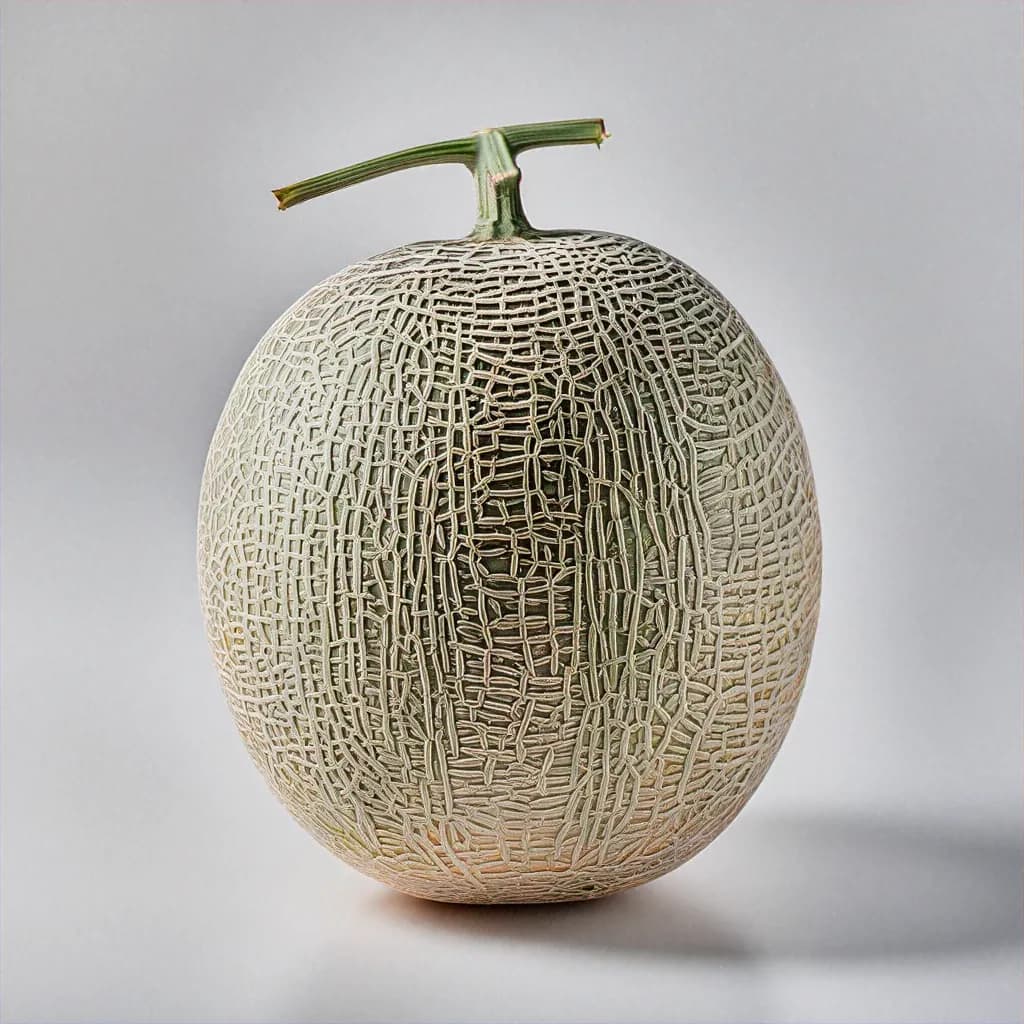
Cucumis melo var. cantalupensis
Cantaloupe is a popular orange-fleshed melon with distinctive netted beige rind and sweet, aromatic flavor. Known for its vibrant orange color from exceptional beta-carotene content, cantaloupe offers juicy, fragrant flesh with perfect balance of sweetness and refreshing taste. This nutrient-dense melon is extraordinarily rich in vitamin A (120% DV per cup) and vitamin C (108% DV per cup), making it a powerhouse for immune health, vision, and skin. Low in calories (only 53 per cup) yet highly hydrating (90% water), cantaloupe provides satisfying refreshment with impressive nutritional benefits. The aromatic, musky-sweet flavor and soft, melting texture make cantaloupe a summer favorite for fresh eating, fruit salads, smoothies, and desserts. Widely available and affordable, cantaloupe delivers premium nutrition and delicious taste.
Explore Cantaloupe in stunning detail
Cantaloupe - Main View
Per 100g
Per 100g
Nutrition breakdown for one serving
Africa, Persia, and India
Cantaloupe has ancient origins dating back thousands of years to Africa, Persia (modern Iran), and India, where wild melons grew naturally. The name 'cantaloupe' derives from Cantalupo in Sabina, a papal estate near Rome where the melon was introduced from Armenia in the 15th century. True European cantaloupes (var. cantalupensis) have smooth, warty rinds and were cultivated in Italian gardens. The North American variety (technically var. reticulatus, often called muskmelon) features distinctive netted rind and was introduced by European colonists. Christopher Columbus brought cantaloupe seeds to the Americas during his second voyage in 1494. By the 1600s, cantaloupe cultivation spread throughout American colonies. Commercial production began in the late 1800s with California, Arizona, and Georgia becoming major growing regions. The Rocky Ford cantaloupe from Colorado gained fame in the early 1900s for exceptional sweetness. Modern breeding programs developed disease-resistant varieties, improved shelf life, and enhanced sweetness. Today, cantaloupe ranks among the most popular melons globally, prized for sweet flavor, nutritional value, and versatility. The melon's distinctive aroma comes from over 200 volatile compounds creating its characteristic musky-sweet fragrance.
Peak summer season, year-round availability through global production
Each variety offers unique flavors, textures, and culinary applications
Keep your fruit fresh and delicious for longer
Select cantaloupes that feel heavy for their size, indicating good juice content and ripeness
Look for uniform, well-defined netting (webbing) on the rind - should be raised and tan/beige colored
Background color under netting should be golden/creamy beige, not green (indicates underripe)
Gently press the blossom end (opposite stem) - should yield slightly to pressure when ripe
Smell the blossom end - ripe cantaloupe has sweet, musky, pleasant aroma (not overpowering or fermented)
Stem end should be smooth and slightly indented (clean slip) - melon detached naturally when ripe
Avoid melons with soft spots, bruises, cracks, or mold on the rind
Avoid strong fermented or overly sweet smell indicating overripeness
Shape should be symmetrical and round to slightly oval
Avoid melons with flat sides or irregular shapes (uneven growth)
Uncut ripe cantaloupes can be stored at room temperature 2-3 days or refrigerated 5-7 days
Store whole melons away from ethylene-sensitive produce
Once cut, wrap tightly in plastic wrap or store in airtight container
Refrigerate cut cantaloupe immediately and consume within 3-5 days
Remove seeds before storing cut portions to prevent excess moisture
Keep cut melon away from strong-smelling foods - absorbs odors easily
For best flavor, remove from refrigerator 30 minutes before serving
Never leave cut cantaloupe at room temperature over 2 hours (bacteria growth risk)
Preserve freshness for months
Cut cantaloupe into cubes or balls before freezing
Spread melon pieces in single layer on parchment-lined baking sheet
Flash freeze 2-3 hours until solid
Transfer frozen melon to freezer-safe bags or containers, removing excess air
Frozen cantaloupe maintains quality for 10-12 months
Best used in smoothies, frozen desserts, or blended drinks (texture becomes soft when thawed)
For better texture, toss cubes in light simple syrup before freezing
Thawed cantaloupe works well in purees and sauces but not fresh eating
Frozen cantaloupe makes excellent base for smoothie bowls and agua fresca
Label frozen items with the date to track freshness. Most fruits maintain quality for 2-3 months when properly frozen. For best results, use airtight containers or freezer bags to prevent freezer burn.
Discover delicious possibilities
Cantaloupe allergies are relatively uncommon but can occur, particularly in individuals with existing melon allergies or pollen sensitivities. Allergic reactions may manifest as oral allergy syndrome (OAS) - itching, tingling, or swelling of mouth, lips, tongue, and throat - especially common in people with ragweed, grass, or mugwort pollen allergies due to protein similarities. True cantaloupe allergy can cause more severe symptoms including hives, skin rashes, digestive upset (nausea, vomiting, diarrhea), respiratory symptoms (wheezing, nasal congestion, difficulty breathing), or rarely, anaphylaxis. Cross-reactivity may occur with other Cucurbitaceae family members (watermelon, honeydew, cucumber, zucchini, pumpkin, squash) and with banana, avocado, and kiwi. Some individuals experience latex-fruit syndrome where latex allergy cross-reacts with certain fruits including cantaloupe. Most cantaloupe allergies are mild and limited to oral symptoms. Cooking may reduce allergenic proteins though cantaloupe is rarely consumed cooked.
Conventionally grown cantaloupe may contain pesticide residues, though the thick rind provides some protection to edible flesh. However, the heavily netted surface creates crevices that harbor bacteria and pesticides, making thorough washing absolutely critical. The Environmental Working Group does not currently list cantaloupe on the 'Dirty Dozen' (highest pesticide residues), but proper washing remains essential for food safety. Cantaloupe has been linked to serious foodborne illness outbreaks because bacteria (Salmonella, Listeria) on contaminated rinds transfer to flesh during cutting. CRITICAL washing protocol: Scrub entire cantaloupe surface under running water with clean produce brush for 30-60 seconds before cutting, paying special attention to netted areas. Dry completely with clean towel. This removes bacteria, dirt, and surface pesticide residues. Consider organic cantaloupe for frequent consumers, pregnant women, and children to minimize pesticide exposure and support sustainable farming.
Surprising trivia you'll love!
Cantaloupe is technically a berry from botanical perspective - specifically a 'pepo' (berry with hard rind from inferior ovary)
The distinctive aroma comes from over 200 volatile compounds, with esters being primary contributors to the sweet, musky fragrance
North Americans call netted melons 'cantaloupe' but they're actually muskmelons - true cantaloupes have smooth rinds and are European varieties
A single cantaloupe plant can produce 2-5 melons per season under optimal growing conditions
Cantaloupe provides more beta-carotene per serving than any other melon variety, giving it the distinctive orange color
The netted rind pattern is called 'reticulation' and develops as the melon grows, with deeper netting generally indicating better flavor
Cantaloupe was served on the Titanic's first-class menu for breakfast on April 14, 1912 - the day the ship sank
Ancient Egyptians and Romans cultivated melons resembling modern cantaloupe over 2,000 years ago
The 'full slip' method of harvesting means ripe cantaloupes naturally detach from the vine with gentle pressure - a key ripeness indicator
China produces more cantaloupe than any other country - approximately 8 million metric tons annually, over half of global production
Determining cantaloupe ripeness requires checking multiple indicators for best results. Smell: The most reliable indicator - ripe cantaloupe has sweet, musky, pleasant aroma at the blossom end (opposite stem). No smell indicates underripe; fermented smell means overripe. Feel: The blossom end should yield slightly to gentle pressure - not rock hard or mushy. The melon should feel heavy for its size indicating good water content. Color: Background color under the netting should be golden/creamy beige, not green. Well-defined, raised tan netting indicates maturity. Stem: Look for smooth, slightly indented stem end (called 'full slip') - the melon naturally detached when ripe. Stems still attached or rough scars indicate premature picking. Sound: Tap the melon - ripe ones produce deeper, hollow sound versus higher pitch from underripe melons. Cantaloupe doesn't ripen significantly after harvest but will soften and develop aroma. If purchased underripe, leave at room temperature 2-3 days until aromatic and slightly soft at blossom end, then refrigerate.
No, cantaloupe rind (outer skin) is not typically eaten and poses potential food safety risks. The rough, netted surface harbors bacteria in crevices that are difficult to clean completely. Cantaloupe has been linked to foodborne illness outbreaks (Salmonella, Listeria) because bacteria on the rind transfer to flesh during cutting. The rind itself is tough, fibrous, and unpalatable with no culinary value. However, the firm white-green flesh just under the rind is technically edible but bland and less sweet than the orange flesh. Most people discard it with the rind. Critical food safety: Always wash cantaloupe thoroughly before cutting - scrub entire surface under running water with clean produce brush for 30-60 seconds, then dry completely. This removes dirt, bacteria, and pesticide residues. Use clean knife and cutting board. Pregnant women, elderly, and immunocompromised individuals should be especially cautious with cantaloupe due to listeria risk. Some cultures pickle or candy melon rinds from other varieties, but this is uncommon with cantaloupe's highly textured surface.
Yes, diabetics can enjoy cantaloupe in moderation as part of balanced meal plan with appropriate portion control. Glycemic considerations: Cantaloupe has glycemic index of 65 (medium) but glycemic load of only 4 (low) per one-cup serving, meaning minimal blood sugar impact when consumed in appropriate amounts. The high water content (90%) and fiber dilute sugar concentration. One cup contains 14g natural sugars - manageable within diabetic meal planning when accounted for in daily carbohydrate budget. Benefits for diabetics: Exceptional vitamin A (120% DV) and vitamin C (108% DV) support immune function (important for diabetics); high water content aids hydration; potassium supports heart health; antioxidants reduce inflammation. Recommendations: Limit portions to 1 cup (177g) serving; pair with protein or healthy fat (nuts, cheese) to slow sugar absorption and reduce glycemic response; eat as part of meal rather than alone; monitor individual blood glucose response; account for 14.4g carbohydrates per cup in meal planning. Best practices: Test blood sugar 2 hours after eating to understand personal response, choose fresh cantaloupe over juice (fiber helps), and consult healthcare provider or registered dietitian for personalized guidance.
Cantaloupe flavor problems typically stem from harvesting, storage, or ripeness issues. Primary causes: Picked too early - Cantaloupe doesn't develop sweetness after harvest. Melons picked underripe for shipping will never achieve proper flavor. Look for 'full slip' stem indicating natural detachment at peak ripeness. Cold storage damage - Extended refrigeration below 36°F damages flavor compounds and creates bland, watery taste. Melons should be stored at 36-41°F maximum. Poor growing conditions - Insufficient sunlight, water stress, or nutrient deficiencies during growth reduce sugar development and flavor intensity. Variety matters - Some commercial varieties prioritize shipping durability over flavor. Heirloom and specialty varieties (Charentais, Athena) typically offer superior taste. Overripeness - Cantaloupe past peak develops fermented, off flavors and mushy texture. Solutions: Buy from local farmers markets during peak season (June-September) for better-flavored, tree-ripened melons; smell before buying - no aroma means no flavor; choose melons with cream/golden background color (not green); avoid refrigerating until ripe; purchase smaller specialty melons for concentrated sweetness. If cantaloupe tastes bad (bitter, fermented, chemical), discard it - could indicate spoilage or contamination.
Cut cantaloupe has limited shelf life and requires proper storage for food safety. Refrigerated cut cantaloupe: 3-5 days when stored correctly in airtight container or tightly wrapped. Check daily for signs of spoilage. Room temperature: Maximum 2 hours - bacteria multiply rapidly at room temperature. Discard cantaloupe left out longer. Signs of spoilage: Sour or fermented smell, slimy texture, visible mold, significant liquid accumulation, off-color (darkening or browning), or unpleasant taste. Storage best practices: Cut cantaloupe immediately upon purchase or ripening; remove seeds before storing (excess moisture promotes bacteria); store in airtight container or wrap tightly in plastic wrap; keep in coldest part of refrigerator (36-40°F); store separately from raw meats to prevent cross-contamination; use clean utensils when serving to avoid introducing bacteria. Food safety note: Cantaloupe has been linked to serious foodborne illness outbreaks. Pregnant women, elderly, young children, and immunocompromised individuals should exercise extra caution. When in doubt, throw it out - spoiled cantaloupe can cause severe illness. For longest storage, purchase whole melon and cut only needed portions.
The terms cantaloupe and muskmelon are often used interchangeably but technically refer to different varieties, creating widespread confusion. True cantaloupe (Cucumis melo var. cantalupensis): European variety with smooth, warty, or lightly ribbed rind (not netted), smaller size, and grown primarily in Europe and Mediterranean regions. Named after Cantalupo, Italy. Examples: Charentais (France), European cantaloupes. North American 'cantaloupe' (Cucumis melo var. reticulatus): Actually muskmelon, not true cantaloupe. Features distinctive raised netting (reticulation) on beige rind, orange flesh, and larger size. The musky aroma gives muskmelon its name. This is what Americans buy labeled 'cantaloupe' in supermarkets. In practice: In North America, 'cantaloupe' refers to netted muskmelons. In Europe, cantaloupe means smooth-skinned varieties. Both belong to same species (Cucumis melo) but different botanical varieties. Nutritionally similar with high vitamin A, vitamin C, and water content. True cantaloupes (European) generally have more intense flavor, stronger aroma, and shorter shelf life but are rarely available in US markets. For clarity: What Americans call cantaloupe is technically muskmelon, but the terms are used interchangeably in casual conversation.
Yes, cantaloupe seeds are technically edible and non-toxic, though they're typically discarded due to texture and lack of flavor. The seeds and surrounding stringy material are safe to consume. Nutrition: Cantaloupe seeds contain protein, healthy fats, fiber, and minerals similar to pumpkin or sunflower seeds. However, the small size and tough outer shell make them less appealing. Taste and texture: Raw seeds are bland, slightly bitter, and have tough coating. The stringy material is slimy and unpleasant. Most people find them unenjoyable compared to the sweet flesh. Preparation: Some cultures roast and salt cantaloupe seeds similar to pumpkin seeds. Wash seeds thoroughly, remove stringy material, dry completely, toss with oil and salt, then roast at 325°F for 15-20 minutes until golden and crispy. This makes them more palatable and crunchy. Benefits vs. effort: Given the small size and minimal yield from one melon, most people don't bother. If interested in seed nutrition, pumpkin or sunflower seeds offer better taste and texture with easier preparation. Practical use: Most discard seeds and strings during normal cantaloupe preparation. The flesh provides the nutritional and culinary value. If curious, try roasting seeds from several melons for worthwhile quantity.
Yes, cantaloupe is safe for dogs in moderation and provides several health benefits. The flesh is non-toxic and offers hydration, vitamins, and natural sweetness most dogs enjoy. Benefits: High water content (90%) provides excellent hydration, especially during hot weather; vitamin A supports eye health and immune function; vitamin C (though dogs produce their own) provides antioxidants; low calories make healthy treat alternative to commercial treats; fiber aids digestion. Feeding guidelines: Remove ALL rind and seeds before giving to dogs - rind is difficult to digest and could cause intestinal blockage or choking; seeds may pose choking hazard. Portion sizes: Small dogs (under 20 lbs) - 2-3 small cubes; medium dogs (20-50 lbs) - 4-6 cubes; large dogs (over 50 lbs) - 8-10 cubes as occasional treats. Treats should not exceed 10% of daily calories. Introduce gradually to check tolerance. Considerations: High water and fiber content may cause diarrhea or increased urination if overfed; natural sugars mean portions should be controlled, especially for diabetic or overweight dogs; some dogs may have sensitive stomachs. Most dogs love cantaloupe's sweet taste. Frozen cantaloupe cubes make refreshing summer treats. Never feed moldy cantaloupe - mold produces toxins harmful to dogs. Always wash cantaloupe before cutting to prevent bacterial transfer to flesh.
Sustainability insights
Cantaloupe cultivation has moderate environmental impact with both sustainable aspects and challenges. Benefits include annual crop rotation opportunities that improve soil health and reduce pest pressure, efficient pollination by honeybees supporting pollinator populations and biodiversity, and relatively short growing season (80-100 days) compared to perennial crops. The thick rind provides natural protection reducing some pesticide needs. Challenges include water-intensive cultivation especially in arid regions (California, Arizona), conventional farming often using synthetic fertilizers and pesticides that impact soil and water quality, and susceptibility to diseases requiring chemical interventions. Large-scale monoculture production reduces biodiversity. Positive aspects: Domestic production during peak season (June-September) reduces transportation emissions; vine cover protects soil from erosion; spent vines return organic matter to soil. Supporting organic cantaloupe production promotes soil health, reduces chemical runoff, and supports beneficial insect populations.
Cantaloupe carbon footprint varies significantly by source and season. Domestic melons during peak season (June-September) from California, Arizona, or local farms have relatively low carbon footprint with minimal transportation distances. Seasonal growing aligns with natural climate patterns. However, off-season imports from Mexico, Central America (Guatemala, Costa Rica), or Chile require long-distance trucking or shipping, significantly increasing carbon emissions. Refrigerated transport adds to carbon footprint. Large size and weight increase per-unit transportation emissions compared to lighter produce. Per-serving environmental impact is moderate - cantaloupe provides substantial nutrition (exceptional vitamins A and C) relative to growing resources. To minimize carbon footprint: Buy domestic cantaloupe during peak summer season (June-September), choose locally grown melons at farmers markets, avoid off-season imports from distant countries, buy whole melons rather than pre-cut (reduces processing and packaging), and utilize entire melon to minimize food waste. One large cantaloupe provides 6-8 servings, improving efficiency.
Cantaloupe requires significant water during cultivation, particularly in primary growing regions like California and Arizona which rely on irrigation. Water footprint is approximately 150-200 liters per kilogram - moderate compared to other fruits. Melons need consistent moisture throughout growing season, with peak water requirements during fruit development and hot weather. Drip irrigation systems in modern commercial operations significantly reduce water waste compared to flood irrigation, delivering water directly to root zones. Mulching conserves soil moisture and reduces evaporation. However, cantaloupe grown in arid regions requires substantial supplemental irrigation. The high water content in fruit (90%) means significant water is stored in harvested product. Compared to extremely water-intensive crops like almonds (4,000+ liters/kg) or avocados (1,000+ liters/kg), cantaloupe is relatively water-efficient. Sustainable practices include soil moisture monitoring, efficient drip systems, rainwater harvesting, and drought-resistant variety development. Supporting local growers in water-abundant regions reduces overall water impact.
Buying local cantaloupe during peak season (June-September in Northern Hemisphere) maximizes sustainability and flavor while minimizing environmental impact. Domestic production from California, Arizona, Georgia, Indiana, and regional farms offers superior freshness, reduced transportation emissions, and supports local agricultural economies. Local melons are often vine-ripened for better flavor versus commercially picked underripe for shipping. Farmers markets, farm stands, and u-pick operations provide direct access to freshly harvested melons with minimal carbon footprint. However, year-round cantaloupe availability in supermarkets relies on imports from Mexico (winter/spring), Central America (Guatemala, Costa Rica), and Chile, which travel thousands of miles increasing carbon emissions and often sacrificing flavor for shipping durability. Trade-offs: Imported melons support economies in producing countries but have higher environmental costs. Best practices: Prioritize local seasonal cantaloupe when available (peak summer), ask retailers about melon origin and choose closest source, buy whole melons rather than pre-cut (less packaging and processing energy), utilize entire melon to minimize waste, and preserve surplus through freezing for smoothies.
We aim to keep this Cantaloupe profile accurate and easy to understand. Nutrition values and % Daily Value figures are based on established reference databases and standard daily value guidance.
Last updated: September 20, 2026
Medical disclaimer
This page is for general educational purposes and does not replace professional medical advice.
Found an issue? Contact us.