
Loading Fruit Details...
Please wait while we fetch nutritional information and health benefits
Please wait while we fetch nutritional information and health benefits
Recommended Products

Tamarindus indica
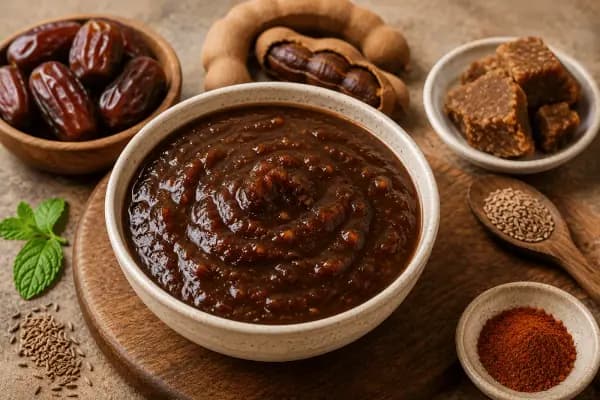
Tamarind is a versatile tropical fruit with tangy, complex flavor and dark brown pulp used extensively in Asian and African cuisine. Rich in vitamin C (28% DV), potassium, and polyphenols, tamarind offers excellent digestive and anti-inflammatory support. With only 239 calories per 100g of pulp and significant fiber content (14% DV), tamarind is ideal for curries, beverages, desserts, and traditional remedies. Its sweet-sour taste elevates both savory and sweet dishes. Perfect for those seeking authentic tropical flavors with functional health benefits.
Explore Tamarind in stunning detail
Tamarind - Main View
Per 100g
Per 100g
Nutrition breakdown for one serving
Africa and South Asia
Tamarind originated in Africa but has been cultivated in South Asia for millennia. It's deeply embedded in Indian, Thai, and Mexican cuisines, valued for both culinary and medicinal properties in traditional medicine systems.
Peak season May-August in tropics
Each variety offers unique flavors, textures, and culinary applications
Keep your fruit fresh and delicious for longer
Select dried tamarind pods with intact skin
Tamarind paste should be dark brown without mold
Avoid shriveled or overly dry pods
Store dried tamarind pods in cool, dark, dry conditions
Tamarind pulp lasts indefinitely when stored properly
Tamarind paste lasts up to 1 year in airtight containers
Refrigerate opened tamarind paste for extended freshness
Preserve freshness for months
Tamarind paste freezes well for up to 2 years
Reconstituted tamarind juice freezes in ice cube trays for 6 months
Use frozen portions for curries and beverages
Label frozen items with the date to track freshness. Most fruits maintain quality for 2-3 months when properly frozen. For best results, use airtight containers or freezer bags to prevent freezer burn.
Discover delicious possibilities
Tamarind allergies are rare but possible. Symptoms may include mouth itching or swelling.
Tamarind may have pesticide residues. Purchase from reputable sources and wash if available as fresh pods.
Surprising trivia you'll love!
Tamarind is called the 'date of India' due to its sweetness and popularity
One tamarind pod contains about 10-12 seeds surrounded by pulp
Tamarind wood is extremely hard and was used for tool handles in ancient times
In traditional Ayurvedic medicine, tamarind is used for multiple health purposes
Tamarind trees can live for over 150 years
Tamarind has a complex sweet-sour flavor with slight fruity notes. It's tangy like lime but with deeper, more nuanced taste often described as slightly prune-like.
Tamarind pulp or paste is mixed into curries, sauces, and drinks. Start with small amounts since it's intensely flavorful. Common in Thai, Indian, and Mexican cuisines.
Lime juice or lemon juice can provide tartness but lack tamarind's complexity. For authentic flavor, tamarind paste or pulp is essential in traditional recipes.
Tamarind is traditionally used to support digestion. Its fiber and tartaric acid content aid digestive function, and tamarind water is a popular traditional digestive tonic.
Sustainability insights
Tamarind trees are hardy and support agroforestry. Sustainable cultivation provides food and shade.
Imported tamarind has moderate carbon footprint. Supporting local tropical producers is more sustainable.
Mature tamarind trees require minimal water; they're drought-tolerant once established.
Sourcing from tropical regions where tamarind grows naturally supports sustainable agriculture and local economies.
We aim to keep this Tamarind profile accurate and easy to understand. Nutrition values and % Daily Value figures are based on established reference databases and standard daily value guidance.
Last updated: September 7, 2026
Medical disclaimer
This page is for general educational purposes and does not replace professional medical advice.
Found an issue? Contact us.
.webp&w=3840&q=75)