Loading Fruit Details...
Please wait while we fetch nutritional information and health benefits
Please wait while we fetch nutritional information and health benefits
Recommended Products
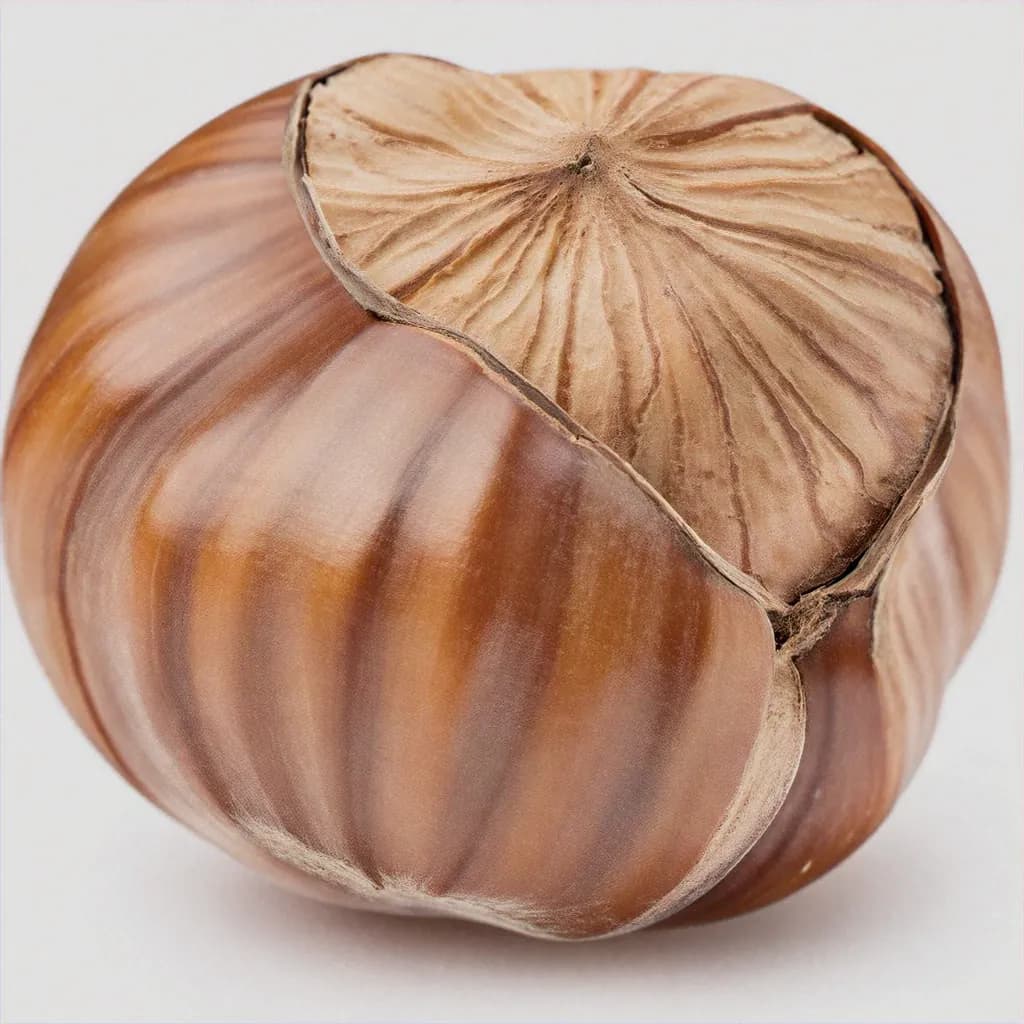
Corylus avellana
Hazelnuts are nutrient-dense tree nuts rich in healthy monounsaturated fats supporting heart health and cardiovascular function. Excellent source of vitamin E (20% DV) and manganese (87% DV) providing antioxidant defense and metabolic support. Rich in fiber, plant protein, and polyphenols supporting digestive health and disease prevention. Low glycemic index (15) making hazelnuts ideal for blood sugar management. Native to Mediterranean and temperate regions, hazelnuts provide sustained energy and versatile culinary applications with distinctive rich flavor.
Explore Hazelnut in stunning detail
Hazelnut - Main View
Per 100g
Per 100g
Nutrition breakdown for one serving
Mediterranean region, temperate zones of Europe
Hazelnuts cultivated in Mediterranean region for millennia with archaeological evidence dating to 8000 BCE. Ancient Greeks and Romans valued hazelnuts as food and symbol. European cultivation expanded through medieval period. Commercial cultivation developed in Mediterranean and North America. Modern production dominates Turkey and Mediterranean countries. Global trade established hazelnuts as major commodity nut crop.
Peak season August-September in Northern Hemisphere
Each variety offers unique flavors, textures, and culinary applications
Keep your fruit fresh and delicious for longer
Select hazelnuts with unblemished shells free of cracks or holes
Choose nuts that feel heavy for their size indicating quality kernels
Avoid moldy or musty smell indicating poor storage or contamination
Purchase from reputable sources ensuring proper handling
Choose in-shell nuts for maximum freshness or vacuum-sealed products
Look for organic certification if pesticide-free preferred
Purchase from specialty nuts sections or importers for quality
Refrigerate shelled hazelnuts in airtight container 2-3 months
Freeze for extended storage up to 1 year maintaining quality
Keep in-shell nuts in cool, dry location preventing moisture
Avoid exposure to direct sunlight causing rancidity
Separate from strong-smelling foods preventing flavor absorption
Store in sealed containers protecting from air and insects
Preserve freshness for months
Shelled hazelnuts freeze exceptionally well
Maintain quality for 8-12 months when frozen properly
Use airtight freezer bags or containers
No thawing required before roasting or cooking
Can be consumed directly from freezer
Frozen hazelnuts ideal for baking applications
Label frozen items with the date to track freshness. Most fruits maintain quality for 2-3 months when properly frozen. For best results, use airtight containers or freezer bags to prevent freezer burn.
Discover delicious possibilities
Hazelnut allergies affect small percentage of population with tree nut allergy prevalence 0.5-1%. Cross-reactivity between tree nuts possible but variable by individual. Birch pollen allergy associated with hazelnut pollen triggering oral allergy syndrome particularly with raw nuts. Roasted hazelnuts reducing pollen allergen. Skin prick tests and blood tests confirming diagnosis. Anaphylaxis rare but possible in severely allergic individuals.
Hazelnuts cultivated with varying pesticide practices. Organic hazelnuts available from certified producers minimizing pesticide exposure. Conventional hazelnuts acceptable with normal washing. Turkish hazelnuts major source requiring understanding of farming practices. Specialty suppliers often emphasizing sustainable practices. Natural shell protection providing some barrier.
Surprising trivia you'll love!
Hazelnuts originated in Mediterranean region with cultivation dating back to 8000 BCE in ancient Mesopotamia
Turkey produces 75% of world's hazelnuts making it dominant global producer and supplier
Hazelnut trees can live 50-100 years producing consistent harvests throughout lifespan
Vitamin E content (100% DV per 100g) exceptional among tree nuts supporting antioxidant defense
Copper content (192% DV) highest among commonly consumed nuts supporting collagen and immune function
Gianduja - Italian chocolate and hazelnut combination originated in Piedmont region is iconic confection
Low glycemic index (15) makes hazelnuts ideal for blood sugar management unlike many high-calorie foods
Hazelnuts require cross-pollination from different hazelnut tree varieties for fruit production
Mediterranean diet studies demonstrate hazelnut consumption associated with reduced cardiovascular disease
Ancient Greeks and Romans considered hazelnuts symbol of fertility and protection with spiritual significance
Hazelnuts exceptional heart-healthy nuts with monounsaturated fat profile supporting cardiovascular wellness. HEALTHY FAT COMPOSITION: 75% monounsaturated fats dominant fat type. Polyunsaturated fats 15% providing omega-6 and omega-3. Saturated fats only 7% minimizing artery risk. 89% total heart-healthy fats supporting cardio benefits. Superior fat profile compared to many nuts. MONOUNSATURATED FAT BENEFITS: Supports healthy cholesterol levels reducing LDL oxidation. Monounsaturated fats (45.7g per 100g) exceed most nuts. Similar to olive oil fat profile supporting Mediterranean diet principles. Reduces inflammation in arteries. Supports endothelial function. CHOLESTEROL MANAGEMENT: Hazelnuts lower LDL cholesterol levels. Increase beneficial HDL cholesterol. Reduce cardiovascular disease risk markers. Support healthy lipid profiles. Clinical research demonstrating benefits. POLYPHENOL CONTENT: Powerful antioxidants protecting vascular tissue. Flavonoids reducing inflammation in arteries. Phenolic acids supporting endothelial health. Protects against oxidative stress. Supports overall cardiovascular wellness. BLOOD PRESSURE SUPPORT: Magnesium (39% DV) supports healthy blood pressure. Potassium content supporting vascular function. Arginine supporting endothelial nitric oxide production. Regular consumption associated with lower blood pressure. Natural vasodilation support. ANTI-INFLAMMATORY: Chronic inflammation linked to heart disease. Hazelnut polyphenols reduce systemic inflammation. Omega-3 content supporting inflammatory balance. Long-term cardiovascular protection. Disease prevention focus. CLINICAL EVIDENCE: Mediterranean diet studies showing hazelnut benefits. Cardiovascular disease risk reduction demonstrated. Lipid profile improvement documented. Endothelial function improvement shown. Regular consumption supporting heart health. SERVING RECOMMENDATIONS: 1-1.5 ounces (28-42g) daily optimal. Approximately 23-35 nuts daily. Include in Mediterranean diet pattern. Pair with whole grains and vegetables. Balanced nutritional integration essential. COMPARISON TO OTHER NUTS: Hazelnuts exceed most nuts in vitamin E (100% DV). Superior magnesium content supporting cardiovascular function. Lower saturated fat than some alternatives. Comparable to almonds and walnuts in benefits. Unique nutrient profile. PRACTICAL INCORPORATION: Snacking on roasted hazelnuts. Adding to salads. Using hazelnut oil in cooking. Incorporating into Mediterranean meals. Daily consumption patterns. LIFESTYLE INTEGRATION: Heart-healthy diet supporting long-term health. Regular physical activity complementing nutrition. Stress management supporting cardiovascular wellness. Sleep quality affecting heart health. Holistic cardiovascular approach. BOTTOM LINE: Hazelnuts exceptional heart-healthy nuts with 75% monounsaturated fats, 100% vitamin E, powerful polyphenols, and magnesium supporting cardiovascular function, cholesterol management, reduced inflammation, and endothelial health through daily consumption patterns supporting Mediterranean diet and long-term cardiovascular wellness.
Hazelnuts versatile culinary ingredient with diverse recipe applications from sweet desserts to savory dishes. CHOCOLATE APPLICATIONS: Hazelnut chocolate spread classic pairing. Pralines and truffles gourmet confections. Hazelnut chocolate mousse elegant desserts. Chocolate hazelnut tart showcasing combination. Brownies and chocolate cake enhancement. Tempering chocolate with hazelnut garnish. Fine chocolate and hazelnut pairing. BAKING APPLICATIONS: Hazelnut flour gluten-free baking alternative. Hazelnut cookies and shortbread. Biscotti with hazelnut crunch. Hazelnut cake layer. Hazelnut coffee cake. Hazelnut pie and tarts. Hazelnut-filled pastries. SALAD APPLICATIONS: Roasted hazelnut salad topping. Hazelnut vinaigrette dressing. Mixed greens with hazelnut crunch. Beet and hazelnut salad. Roasted vegetable and hazelnut combinations. Hazelnut salad garnish. Warm salads with hazelnut. SAVORY DISHES: Hazelnut flour coating for proteins. Hazelnut-stuffed poultry. Hazelnut sauce for pasta. Hazelnut and herb crust. Savory hazelnut pilaf. Roasted vegetable and hazelnut dish. Ground hazelnut meat alternative. NUT BUTTER APPLICATIONS: Hazelnut butter straight from jar. Hazelnut butter smoothies. Hazelnut butter energy balls. Toast topping with hazelnut butter. Baking with hazelnut butter. Hazelnut butter dip. Hazelnut butter sauce. BEVERAGE APPLICATIONS: Hazelnut coffee specialty drink. Hazelnut milk alternative. Hazelnut milk lattes. Smoothie bowls with hazelnut butter. Hazelnut cocoa beverages. Hazelnut-infused cocktails. Coffee and hazelnut pairings. BASIC ROASTING: Dry roast hazelnuts in oven 350°F for 10-12 minutes. Release skin by rubbing in towel. Toast brings out distinctive flavor. Fragrant roasted aroma indicating doneness. Enhance with salt or honey. HAZELNUT FLOUR BAKING: Substitute for all-purpose flour 25-30% ratio. Adds nutty flavor and texture. Enhances moisture in baking. Pairs well with chocolate. Gluten-free alternative. Requires adjustment in liquid ratios. HAZELNUT OIL COOKING: Cold-pressed hazelnut oil flavorful. Use in salad dressings. Drizzle over finished dishes. Low heat cooking application. Adds nutty flavor to preparations. Premium culinary oil. ENERGY BALLS: Mix hazelnut butter with dates. Roll in coconut or cocoa. No-bake preparation. Nutrient-dense snacks. Easy assembly. SEASONAL APPLICATIONS: Fall recipes featuring hazelnuts. Autumn desserts and baking. Thanksgiving dishes. Winter comfort foods. Holiday confections. Seasonal culinary focus. BOTTOM LINE: Hazelnuts exceptional culinary ingredient with chocolate pairings, baking applications, salad toppings, savory dishes, nut butter uses, and beverage integrations supporting diverse recipes from elegant desserts to daily snacking through simple roasting, flour preparation, and oil applications.
Hazelnuts generally safe for most individuals but tree nut allergies require careful consideration and precautions. ALLERGY PREVALENCE: Tree nut allergies affect 0.5-1% of general population. Hazelnut allergies less common than peanut allergies. Cross-reactivity between tree nuts possible but variable. Individual allergic response varies significantly. Documented cases of hazelnut allergy. Allergic reactions range from mild to severe. POLLEN ASSOCIATION: Hazelnut pollen associates with birch pollen allergy. Oral allergy syndrome possible in birch pollen-allergic individuals. Raw hazelnuts potentially triggering symptoms. Roasted hazelnuts reducing pollen allergen. Cooking and processing reducing allergenicity. Geographic pollen variation affecting risk. SYMPTOMS OF ALLERGIC REACTION: Mild: mouth itching, lip swelling, throat itching. Moderate: facial swelling, digestive symptoms, skin reactions. Severe: anaphylaxis, severe breathing difficulty, systemic reactions. Symptoms appearing within minutes to hours. Seek medical attention immediately for severe reactions. TESTING AND DIAGNOSIS: Skin prick test identifying hazelnut allergy. Blood test (specific IgE) confirming allergy. Elimination diet supervised by allergist. Double-blind food challenge (gold standard). Professional testing essential before avoidance. CROSS-REACTIVITY CONCERNS: Tree nut allergies may cross-react. Common allergens: almonds, walnuts, pecans, cashews. Individual variation in cross-reactivity. Not everyone with one nut allergy allergic to others. Testing determining specific cross-reactivity. PRECAUTIONS FOR NUT ALLERGY: Complete avoidance of hazelnuts. Check food labels for hazelnut content. Be aware of hazelnut products: spreads, oils, chocolate. Cross-contamination risk in processing facilities. Ask restaurants about hazelnut use. Educate family and caregivers. PRECAUTIONS FOR BIRCH POLLEN ALLERGY: Cooking hazelnuts reducing symptoms. Roasted hazelnuts safer than raw. Hazelnuts with skin removed reducing allergen. Pollen season timing affecting risk. Testing determining individual tolerance. MANAGING IN FOOD ESTABLISHMENTS: Communicate nut allergy clearly. Ask about processing and cross-contamination. Request hazelnut-free meals. Check ingredient lists. Understand facility protocols. EPINEPHRINE AUTO-INJECTOR: Those with severe allergies carrying EpiPen. Prescribed by allergist for anaphylaxis risk. Immediate use for allergic reactions. Emergency protocols established. Family training essential. ALTERNATIVE TREE NUTS: For those tolerating other nuts but not hazelnuts. Almonds, walnuts, pecans as alternatives. Individual testing determining safety. Gradual introduction under supervision. LABEL READING: 'Contains tree nuts' statements required. 'May contain hazelnut' warnings on equipment. Facility processing information essential. Ingredient list review necessary. Manufacturer contact if uncertain. CHILDREN CONSIDERATIONS: Delayed introduction of tree nuts in high-risk families. Gradual introduction under supervision. Age-appropriate portions. Parental awareness and education. Medical consultation for allergy-prone infants. BOTTOM LINE: Hazelnuts safe for most individuals but tree nut allergies require medical evaluation, allergy testing, complete avoidance when diagnosed, careful label reading, cross-contamination awareness, and emergency preparedness with epinephrine auto-injector prescribed by allergist for safe consumption.
Hazelnuts exceptional cultural significance throughout Mediterranean and European history spanning thousands of years. ANCIENT HISTORY: Archaeological evidence dating hazelnut cultivation to 8000 BCE in Mesopotamia. Ancient Egypt utilizing hazelnuts in food and medicinal preparations. Classical Greece and Rome valuing hazelnuts as food and symbol. Sacred significance in ancient Mediterranean cultures. Trade goods in ancient commerce. MEDITERRANEAN ORIGINS: Native to Mediterranean region particularly Turkey. Historical center of cultivation in fertile regions. Mediterranean climate ideal for hazelnut growth. Integrated into regional cuisines. Cultural staple spanning millennia. EUROPEAN EXPANSION: Medieval cultivation expanding throughout Europe. Monastic gardens featuring hazelnuts. Religious significance in Christian traditions. European trade integration through Middle Ages. Regional cultivation developing distinct varieties. Renaissance period documenting sophisticated cultivation. ITALIAN TRADITION: Northern Italy particularly Piedmont region famous for hazelnuts. Gianduja chocolate and hazelnut combination iconic. Italian confectionery tradition featuring hazelnuts. Regional pride in hazelnut cultivation. Protected designation products safeguarding quality. Modern Italian hazelnut industry thriving. SPANISH CULINARY TRADITION: Spanish cuisine incorporating hazelnuts. Sauces and garnishes featuring hazelnuts. Regional dishes with hazelnut components. Culinary heritage maintaining traditions. Contemporary Spanish cuisine. FRENCH CULINARY INFLUENCE: French patisserie featuring hazelnut products. Pralines and confections classic French. Culinary sophistication incorporating hazelnuts. French chocolate traditions. Haute cuisine applications. TURKISH DOMINANCE: Modern Turkey world's largest hazelnut producer. 75% of global hazelnut production. Turkish cultivation perfected over centuries. Economic significance for Turkey. Export industries developing. Quality standards maintaining excellence. MEDITERRANEAN DIET: Hazelnut integration in Mediterranean diet pattern. Heart health supporting diet. Nutritional foundation of longevity. Regional dietary traditions. Modern scientific validation of benefits. Contemporary Mediterranean cuisine. RELIGIOUS SIGNIFICANCE: Christian traditions incorporating hazelnuts. Easter symbolism in European traditions. Religious festivals featuring hazelnut foods. Spiritual significance in various traditions. CONFECTIONERY TRADITION: Pralines and truffles originating in Europe. Gianduja spreading from Italy. Hazelnut chocolate confections iconic. Artisanal candy making traditions. Premium confectionery status. CONTEMPORARY EUROPEAN CUISINE: Modern chefs reviving hazelnut use. Farm-to-table movements emphasizing hazelnuts. Sustainable farming practices. Traditional knowledge integration. Modern innovation. ECONOMIC HISTORY: Medieval trade routes featuring hazelnuts. Commercial cultivation expansion. Economic importance to regions. Agricultural heritage. CULINARY LITERATURE: Historical cookbooks featuring hazelnuts. Medieval recipe collections. Renaissance culinary documentation. Modern gastronomic literature. BOTTOM LINE: Hazelnuts exceptional cultural significance throughout Mediterranean and European history spanning 10000 years from ancient cultivation through medieval expansion, Renaissance documentation, Italian and French confectionery traditions, Turkish modern dominance as world producer, Mediterranean diet integration, religious significance, and contemporary culinary revival maintaining traditional knowledge while innovating modern cuisine.
Sustainability insights
Hazelnut cultivation represents significant agricultural practice with environmental implications. Benefits include long-lived hazelnut trees providing carbon sequestration, potential agroforestry integration, and biodiversity support in Mediterranean orchards. Challenges include water requirements in semi-arid regions, pesticide use in conventional cultivation, and monoculture risks. Sustainable practices include organic farming, integrated pest management, water conservation, and shade-grown cultivation supporting biodiversity.
Hazelnut carbon footprint moderate depending on cultivation and processing methods. Turkish hazelnuts requiring long-distance shipping increasing carbon impact. Organic cultivation reducing overall environmental footprint. Processing into chocolate and confectionery adds carbon emissions. Oil production energy-intensive. Local sourcing and direct consumption reducing shipping emissions. Seasonal availability in some regions.
Hazelnut cultivation requires moderate water with established trees needing supplemental irrigation in dry years. Mediterranean rainfall providing primary water source. Sustainable water practices managing usage. Compared to other tree crops, moderate requirements. Drought adaptation possible with proper cultivation. Irrigation efficiency important in water-limited regions.
Supporting Mediterranean and regional hazelnut producers maximizes environmental benefit. Turkish hazelnuts imported long-distance increasing carbon footprint. European hazelnuts from Italy, Spain, France more sustainable. Local roasting and processing reducing carbon footprint. Seasonal purchasing when available. Organic and sustainable certification preferred. BEST PRACTICES: Choose Mediterranean-sourced hazelnuts, support organic producers, source from fair-trade suppliers, purchase sustainably grown varieties, minimize processing and packaging.
We aim to keep this Hazelnut profile accurate and easy to understand. Nutrition values and % Daily Value figures are based on established reference databases and standard daily value guidance.
Last updated: September 14, 2026
Medical disclaimer
This page is for general educational purposes and does not replace professional medical advice.
Found an issue? Contact us.