Loading Fruit Details...
Please wait while we fetch nutritional information and health benefits
Please wait while we fetch nutritional information and health benefits
Recommended Products
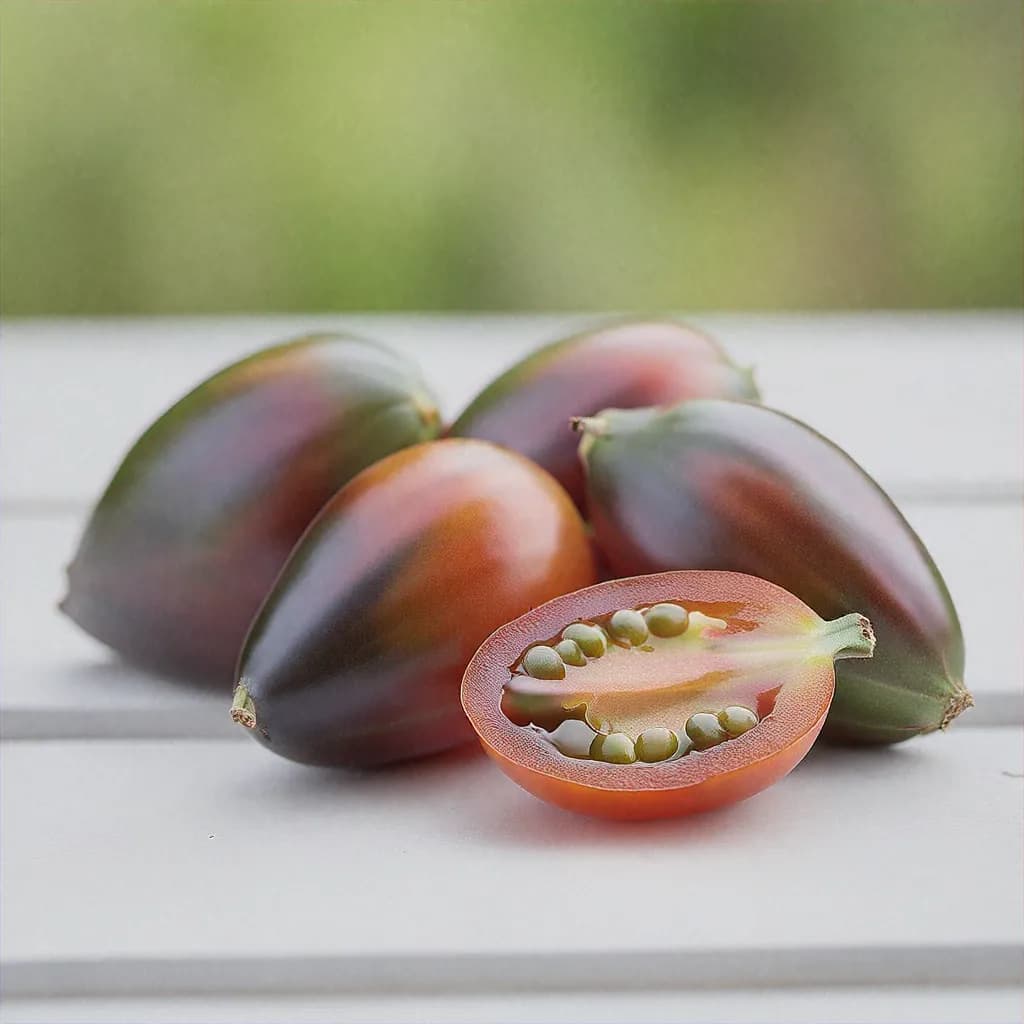
Solanum betaceum
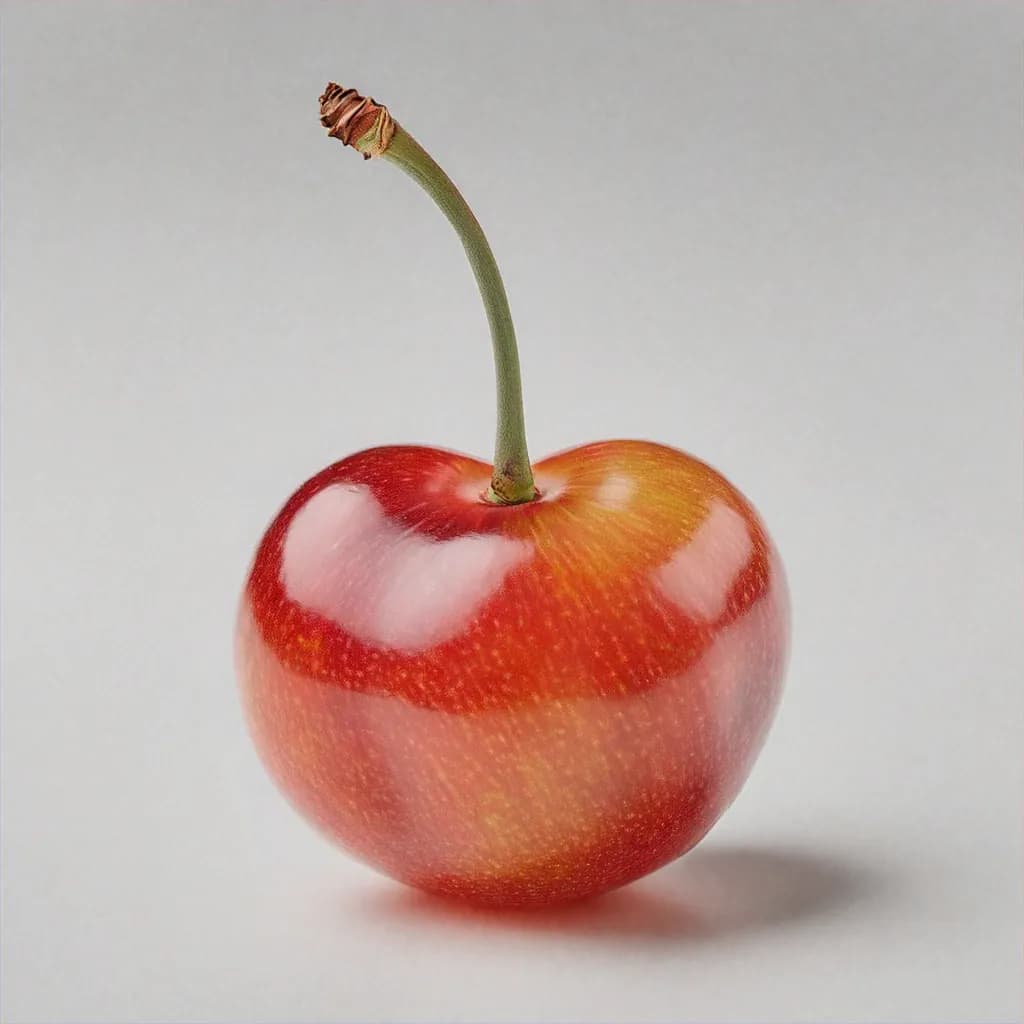
The Tamarillo, scientifically known as Solanum betaceum, is a vibrant, egg-shaped fruit that captivates with its bright red to yellow skin and tangy, tropical flavor. Originating from the Andean regions of South America, this fruit has been a staple in local diets for centuries. The Tamarillo's flesh is juicy and aromatic, with a taste that beautifully balances sweet and tart notes. It's often described as a cross between a tomato and a passion fruit, making it a unique addition to any fruit bowl. Rich in vitamins, minerals, and antioxidants, the Tamarillo is not only a delight to the palate but also a nutritional powerhouse.
Explore Tamarillo in stunning detail
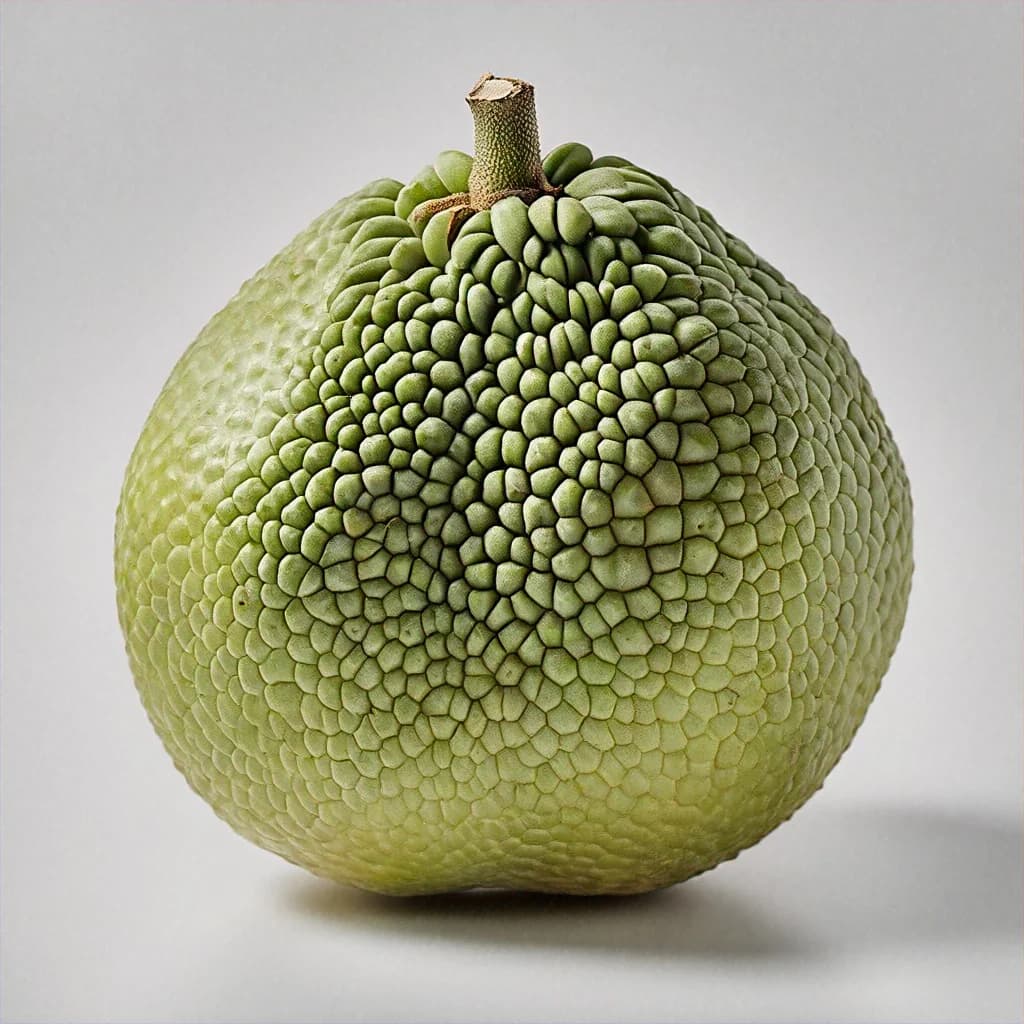
Tamarillo - Main View
Per 100g
Per 100g
Nutrition breakdown for one serving
Andean regions of South America
The Tamarillo, or Solanum betaceum, has been cultivated in the Andean regions for over 2,000 years. It was introduced to other parts of the world by Spanish conquistadors and has since become a popular fruit in New Zealand, where it is known as the 'tree tomato'. The fruit's unique flavor and nutritional benefits have made it a sought-after ingredient in various cuisines.
Year-round with peak seasons varying by region
Each variety offers unique flavors, textures, and culinary applications
Keep your fruit fresh and delicious for longer
Select Tamarillos that are firm yet slightly yielding to pressure.
Avoid fruits with bruises, soft spots, or mold.
Choose Tamarillos with vibrant, even coloration.
Smell the fruit; a sweet, tangy aroma indicates ripeness.
Opt for heavier Tamarillos, which usually indicate juiciness.
Store Tamarillos at room temperature until they ripen.
Once ripe, refrigerate to extend shelf life.
Keep Tamarillos in a cool, dry place away from direct sunlight.
Avoid storing with ethylene-producing fruits like apples and bananas to prevent premature ripening.
Preserve freshness for months
Peel and chop Tamarillos before freezing.
Store in airtight containers or freezer bags.
Use frozen Tamarillos within 6 months for best quality.
Label frozen items with the date to track freshness. Most fruits maintain quality for 2-3 months when properly frozen. For best results, use airtight containers or freezer bags to prevent freezer burn.
Discover delicious possibilities
Tamarillo is generally safe for consumption, but individuals with nightshade allergies should exercise caution.
Choose organic Tamarillo when possible to avoid pesticide exposure.
Surprising trivia you'll love!
Tamarillo is also known as the 'tree tomato' despite not being related to the tomato.
The Tamarillo plant can grow up to 3 meters tall and produces fruit year-round.
Tamarillo was introduced to New Zealand by missionaries in the early 20th century and has become a popular fruit there.
The Tamarillo's vibrant color is due to its high content of beta-carotene and other carotenoids.
Tamarillo is often used in traditional Andean medicine for its purported health benefits.
The Tamarillo's unique flavor profile makes it a favorite among chefs for creating innovative dishes.
Tamarillo has a unique taste that is a blend of sweet and tart, often compared to a mix between a tomato and a passion fruit. The red variety tends to be sweeter, while the yellow variety is milder and more tart.
Tamarillo can be eaten raw, peeled, and sliced. It is commonly used in salads, smoothies, salsas, and sauces. It can also be baked into goods like cakes and muffins or used in savory dishes.
Yes, Tamarillo is highly nutritious. It is rich in Vitamin C, providing 33.5% of the daily value per 100g, and contains potassium, dietary fiber, and various antioxidants and phytonutrients that offer numerous health benefits.
To ripen Tamarillo, store it at room temperature away from direct sunlight. Once ripe, it can be refrigerated to extend its shelf life.
Yes, Tamarillo can be frozen. Peel and chop the fruit before freezing, and store it in airtight containers or freezer bags. Use within 6 months for best quality.
The main varieties of Tamarillo are the Red Tamarillo, which is sweet-tart with red to reddish-yellow skin, and the Yellow Tamarillo, which is mildly sweet with yellow to golden skin. Both varieties are native to the Andean regions.
Sustainability insights
Tamarillo is a relatively sustainable fruit, requiring moderate water and thriving in various climates.
The carbon footprint of Tamarillo varies by region but is generally lower than that of imported exotic fruits.
Tamarillo requires moderate water usage, making it a sustainable choice in regions with adequate rainfall.
Choosing locally grown Tamarillo reduces transportation emissions and supports local agriculture.
We aim to keep this Tamarillo profile accurate and easy to understand. Nutrition values and % Daily Value figures are based on established reference databases and standard daily value guidance.
Last updated: September 21, 2026
Medical disclaimer
This page is for general educational purposes and does not replace professional medical advice.
Found an issue? Contact us.