Loading Fruit Details...
Please wait while we fetch nutritional information and health benefits
Please wait while we fetch nutritional information and health benefits
Recommended Products
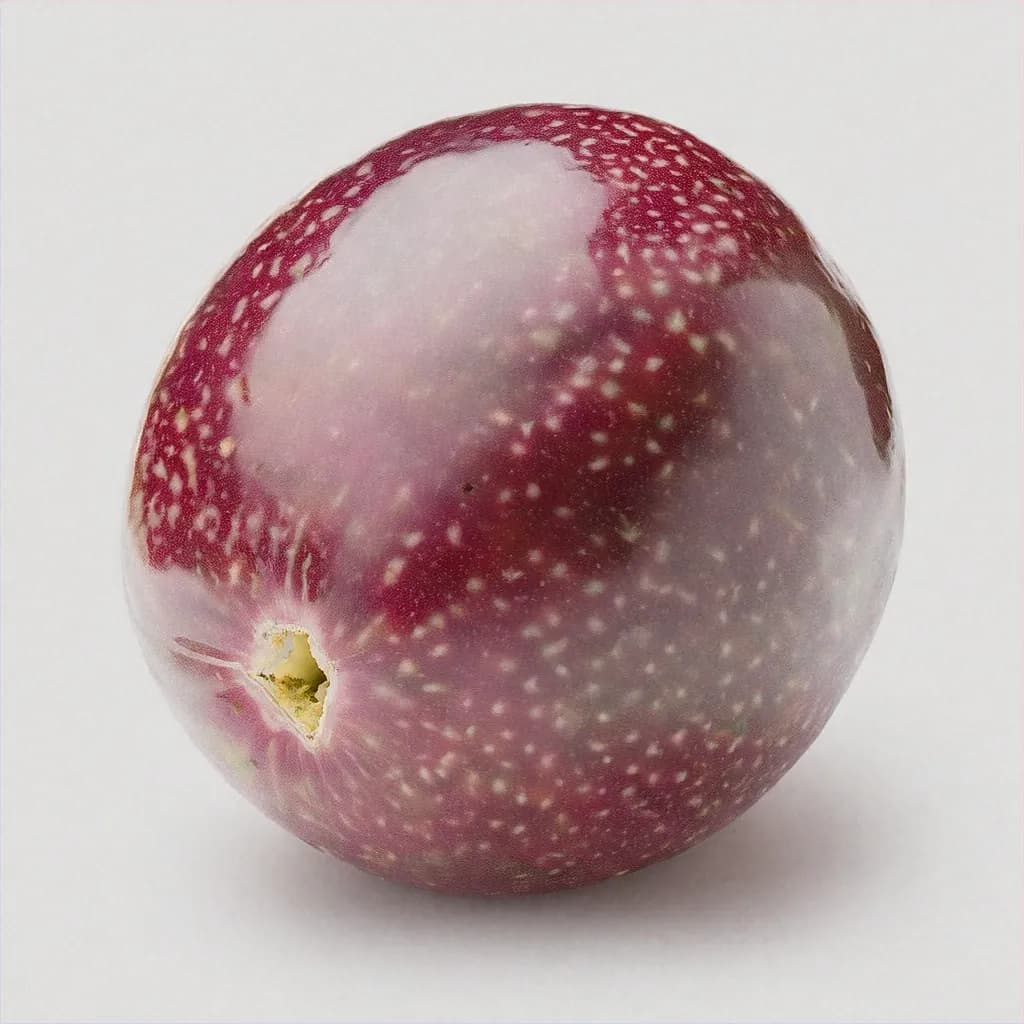
Passiflora edulis (Purple), Passiflora flavicarpa (Yellow), and related species
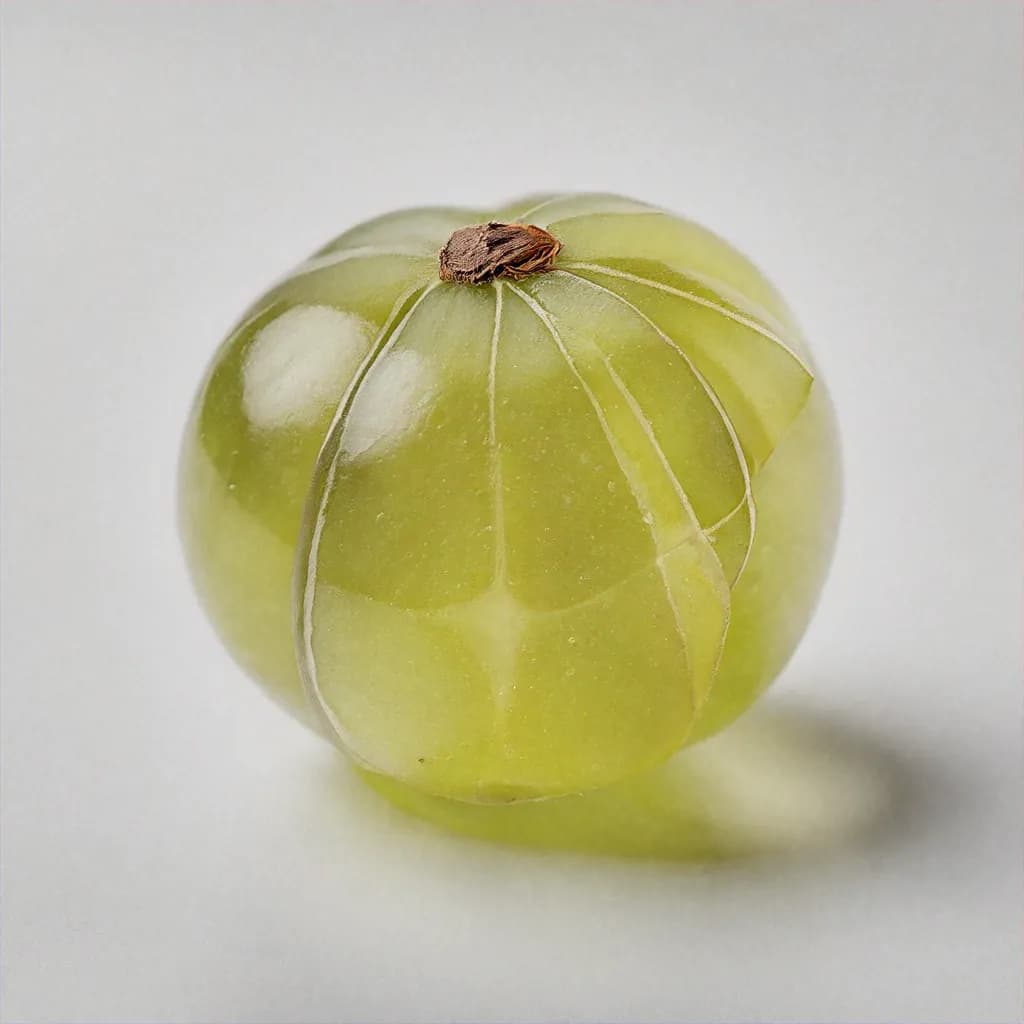
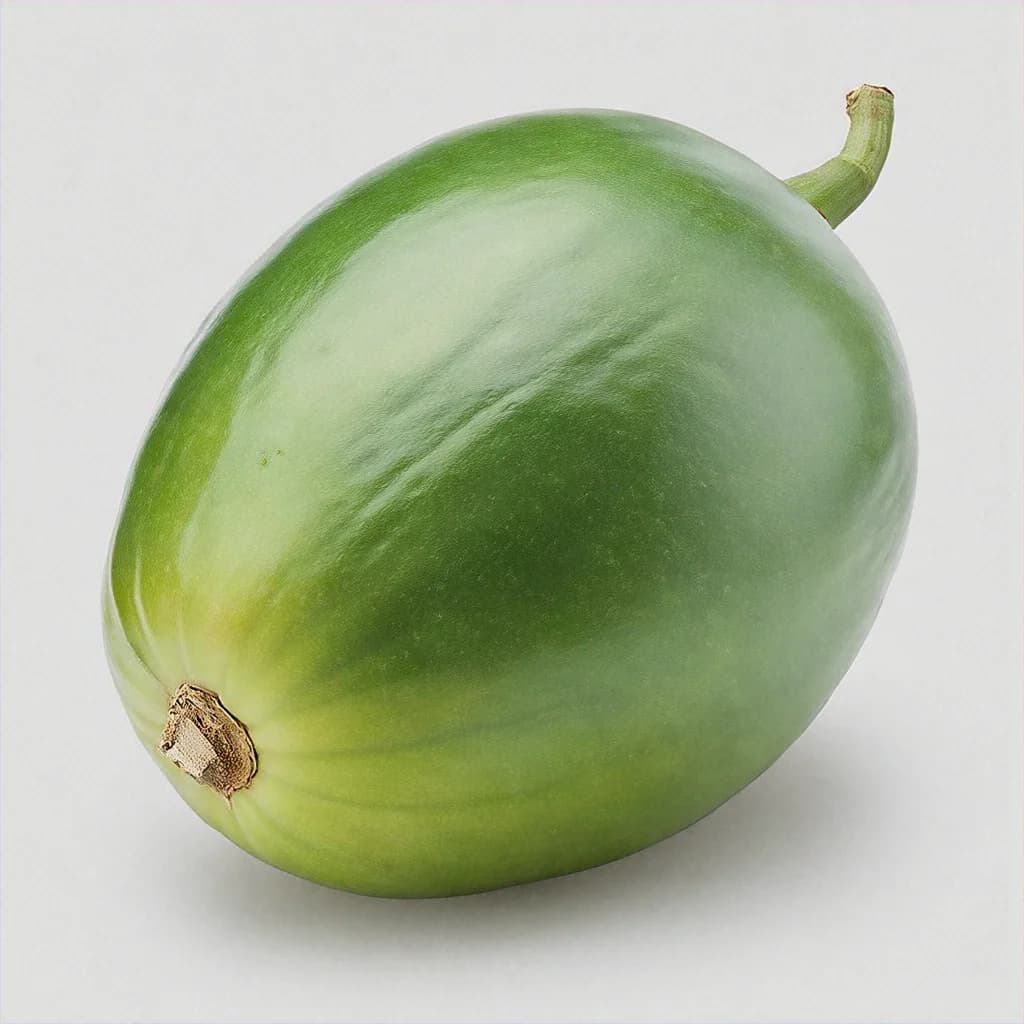
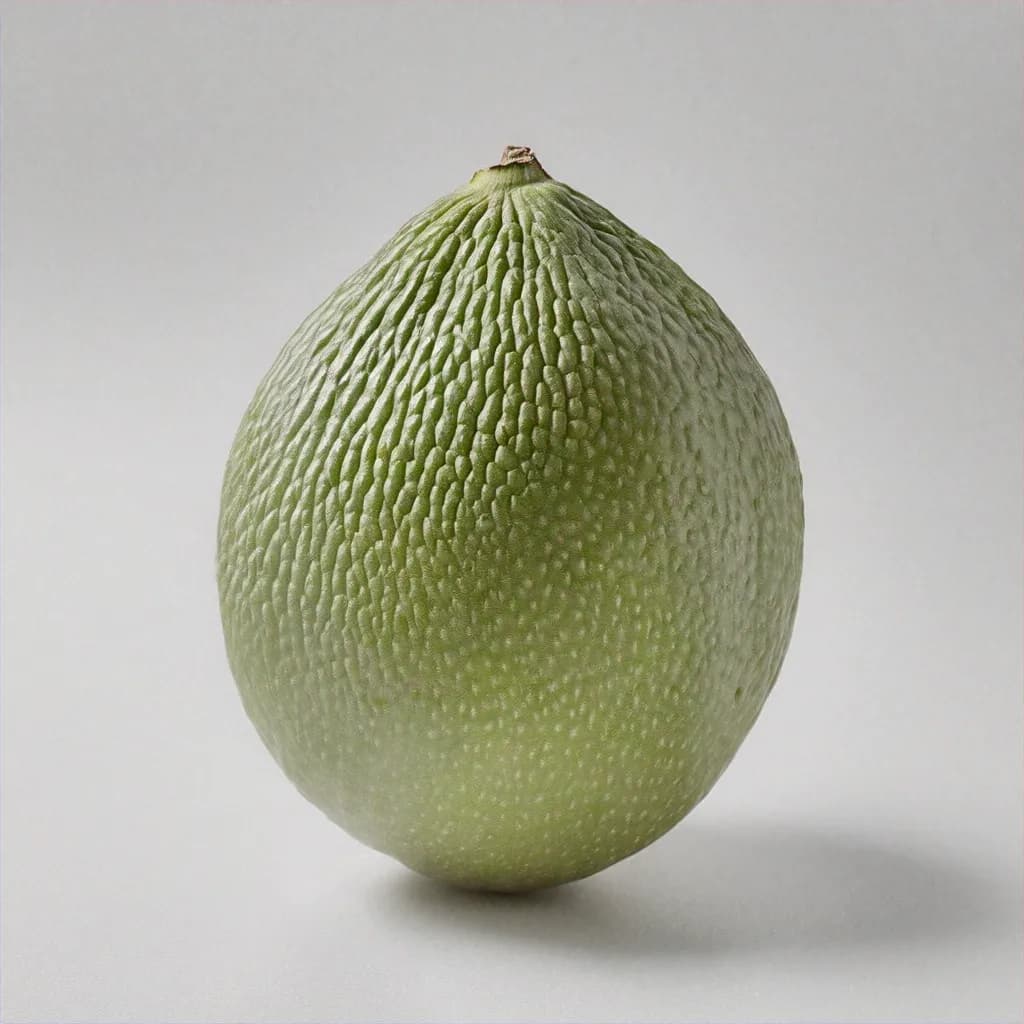
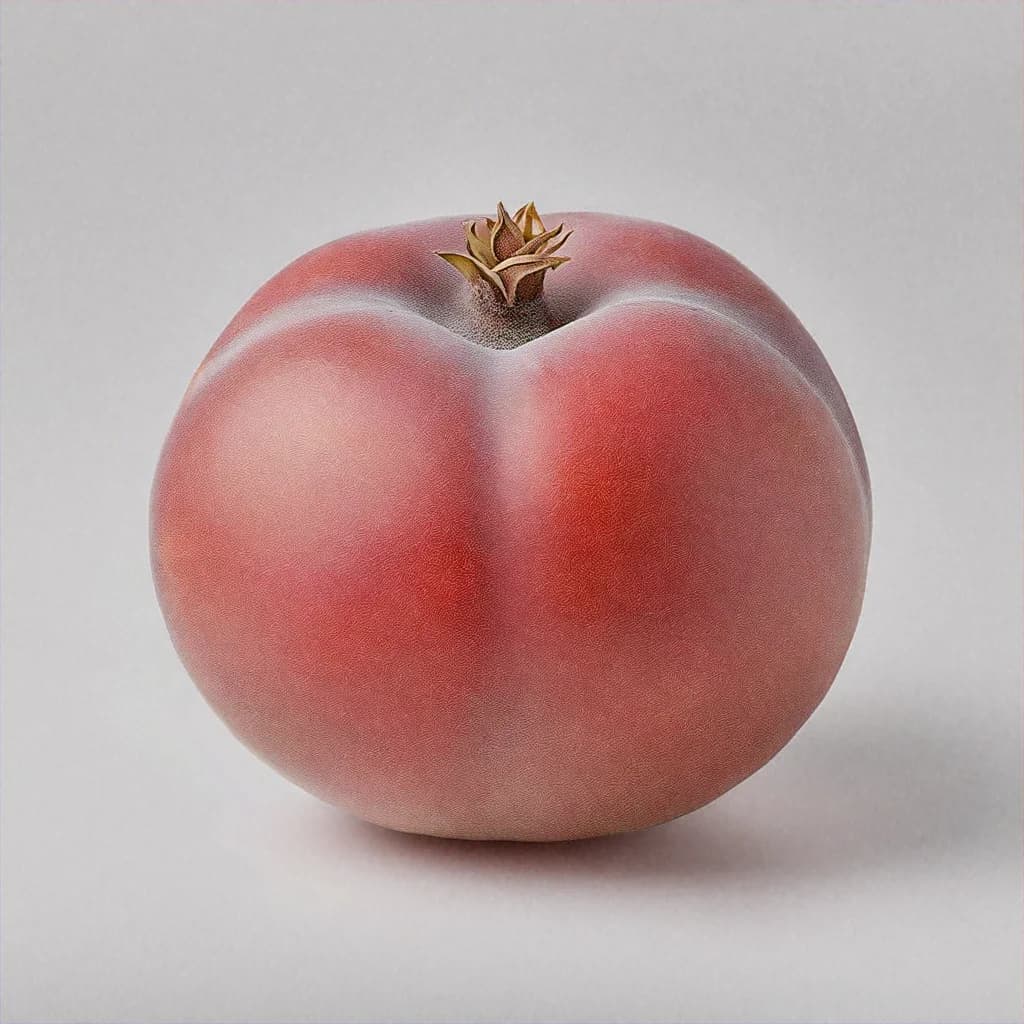
Passion fruits are distinctive small tropical fruits with wrinkled thick skin, exotic aromatic perfume, and intensely flavorful pulp and seeds - offering sophisticated tropical flavor experience and exceptional nutritional profile. These passion vine fruits (2-3 inches diameter) with purple or yellow exterior and distinctive interior cavity filled with aromatic seed pulp originate from South America and tropical regions worldwide, becoming premium ingredient in gourmet cuisine, beverages, and desserts. The distinctive characteristic of passion fruits is combination of intense exotic fragrance, sophisticated tropical-tart flavor profile, nutritional density, and fiber-rich seed structure creating memorable multisensory eating experience. Passion fruits provide exceptional nutritional profile - outstanding fiber content (10.4g per 100g providing 27% DV - among highest of all fruits), significant vitamin C (30% DV), vitamin A supporting eye health, potassium supporting cardiovascular health, and powerful polyphenolic antioxidants with disease-preventing potential. The combination of exotic flavor, exceptional fiber, antioxidant richness, sophisticated taste profile, and functional food properties makes passion fruits premium fruit deserving culinary appreciation and regular consumption. Traditional cultures recognize passion fruits as mood-supporting, sleep-promoting, and stress-reducing fruit with applications in herbal remedies and wellness practices. The integration of passion fruits into premium cuisine, wellness preparations, and beverage applications reflects the fruit's exceptional characteristics and growing global recognition.
Explore Passion Fruit in stunning detail
Passion Fruit - Main View
Per 100g
Per 100g
Nutrition breakdown for one serving
South America, particularly Brazil and Paraguay
Passion fruits originate from South America, particularly Brazil and Paraguay where wild vines still grow. Indigenous cultures cultivated and valued passion fruits for nutrition and traditional medicine applications. Portuguese explorers encountered passion fruits in South America and documented distinctive fragrant fruit. Spanish missionaries recognized the flower symbolism connecting to religious themes - 'passion' derives from flower resemblance to religious imagery. European colonizers distributed passion fruit vines globally through colonial networks establishing cultivation in tropical regions worldwide. Commercial cultivation expanded significantly in 20th century particularly in Australia, Africa, and Southeast Asia. Modern production spans multiple continents with Brazil remaining largest producer. Scientific research increasingly validates traditional health applications of passion fruit extracts and compounds.
Year-round in tropical regions; peak November-March in Southern Hemisphere
Each variety offers unique flavors, textures, and culinary applications
Keep your fruit fresh and delicious for longer
Select passion fruits with wrinkled skin (indicator of ripeness, not decay)
Ripe passion fruits feel slightly heavy for their size
Skin should be dark purple or golden-yellow depending on variety
Fragrant sweet aroma indicates ripeness and quality
Avoid smooth tight skin (underripe, less flavorful)
Some wrinkling is desirable - indicates ripeness
Choose passion fruits free from large cracks or mold
Ripe fruits yield slightly to gentle pressure
Weight relative to size indicates juice content
Ripe passion fruits keep refrigerated 3-4 weeks in crisper drawer
Room temperature storage acceptable 5-7 days for ripe fruits
Underripe passion fruits ripen at room temperature (3-5 days typically)
Do not wash before storage - moisture accelerates spoilage
Store separately to improve air circulation
Frozen passion fruit pulp preserves quality excellently for 6-12 months
Strain pulp through sieve to separate seeds if desired before freezing
Passion fruit juice keeps refrigerated 2-3 days
Can freeze juice in ice cube trays for convenient portions
Dried passion fruit keeps several months in airtight container
Preserve freshness for months
Scoop pulp directly from fruit and freeze in ice cube trays
Transfer frozen cubes to freezer bags for convenient portioning
Frozen pulp ideal for smoothies, beverages, and blended applications
Fresh juice can be frozen in ice trays or freezer bags
Thaw in refrigerator before using if desired
Frozen pulp becomes softer - less ideal fresh but perfect for processing
Label frozen items with the date to track freshness. Most fruits maintain quality for 2-3 months when properly frozen. For best results, use airtight containers or freezer bags to prevent freezer burn.
Discover delicious possibilities
Passion fruit allergies are uncommon but documented in individuals with sensitivities to certain tropical fruits. Allergic reactions typically present as oral allergy syndrome - itching, tingling, or swelling of mouth, lips, tongue, and throat, particularly with fresh passion fruit. Some individuals experience generalized allergic reactions including hives, urticaria, or skin rashes. Severe reactions including respiratory symptoms are rare but documented. LATEX-FRUIT SYNDROME: Individuals with latex allergies may theoretically show cross-reactivity (though connection is weaker for passion fruit than for other fruits). Consult allergist if concerned about cross-reactivity.
Conventionally grown passion fruits may contain pesticide residues from vine treatment. Proper washing: Rinse passion fruits gently under cool running water for 15-20 seconds before cutting. Pat dry with clean towel. This removes surface pesticides and contaminants. Organic passion fruits eliminate synthetic pesticide concerns. Supporting organic production promotes sustainable farming.
Surprising trivia you'll love!
Passion fruit name derives from its distinctive flower appearance - 'passion' comes from religious symbolism recognizing flower structure as representing Christ's passion (cross symbolism in flower parts)
Passion fruit vine flowers are among most beautiful and exotic flowers in nature - the distinctive corona structure creates visually striking appearance with multiple colored filaments
Brazil produces approximately 50% of world's passion fruit - making it the dominant producer and exporter of this premium tropical fruit
Purple passion fruit is sometimes called 'granadilla' in some regions - though technically granadilla refers to larger passion fruit species
Passion fruit is considered luxury ingredient in gourmet cuisine - commanding premium prices in fine dining and specialty markets compared to common fruits
Passion fruit skin wrinkling indicates ripeness not decay - counterintuitive characteristic surprises many first-time consumers expecting smooth unblemished fruit
Traditional South American cultures used passion fruit for sleep and anxiety support - indigenous preparations predating modern sleep remedies by centuries
Passion fruit pulp contains cyanogenic glycosides in very small amounts (harmless in normal consumption) - the compound breaks down during digestion without concern
Passion fruit is grown on perennial vines that can produce for 20+ years - making them valuable long-term agricultural investment despite specialized care requirements
Modern scientific research increasingly validates traditional uses - studies confirm anti-anxiety, sleep-promoting, and antioxidant benefits recognized by traditional medicine
Eating passion fruit is simple and intuitive - the distinctive structure guides consumption. PREPARATION: Rinse passion fruit gently under cool water to remove surface debris. Pat dry. Hold in hand (similar to orange size). SHELL CUTTING: Cut passion fruit in half horizontally using sharp knife creating two cup-like halves. The shell is thick enough to hold without collapsing. PULP EXTRACTION: Option 1 (Simplest): Scoop pulp and seeds directly from shell into spoon. Eat immediately or transfer to bowl. The pulp comes away from shell easily. Option 2 (Straining): Scoop pulp into fine sieve. Gently press to separate juice from seeds. Seeds can be discarded or included. Option 3 (Cold consumption): Freeze pulp briefly or serve chilled for refreshing texture. SEED CONSUMPTION: Seeds are entirely edible and intentionally included in authentic consumption. The crunchy seeds provide textural interest and are highly nutritious. Seeds contain valuable fiber and nutrients. Many people enjoy seeds; some prefer juice-only experience. JUICE vs WHOLE: Juice provides concentrated flavor and convenient consumption. Whole pulp with seeds provides fiber and full nutritional profile. Both are valid approaches. FLAVOR EXPERIENCE: The initial aroma is distinctive and intense - part of the eating experience. The tart-sweet flavor is sophisticated and complex. The seed texture provides variety. EFFICIENCY: Eating passion fruit requires minimal technique - the structure is intuitive. No special tools needed beyond knife for cutting. FRESHNESS: Fresh eaten directly from fruit provides optimal flavor and nutritional value. Temperature preference varies - some prefer chilled, others room temperature. QUANTITY: A single fruit provides modest quantity (approximately 2-3 tablespoons pulp) - typically not a single-fruit meal but perfect accent or ingredient. BOTTOM LINE: Eating passion fruit is simple and intuitive. Cut in half, scoop pulp, consume seeds or juice accordingly. The straightforward process makes passion fruits accessible despite exotic appearance.
Purple and yellow passion fruits are distinct varieties with significant differences in flavor, appearance, acidity, size, and best applications. APPEARANCE: Purple: Deep purple wrinkled skin, smaller size (golf ball), yellow-orange pulp. Yellow: Yellow-green smooth skin, larger size (tennis ball), yellow pulp. Visual distinction is obvious and consistent. FLAVOR PROFILE: Purple: Intense, sophisticated, tart-sweet balance, highly aromatic, more refined. Yellow: More acidic, less sweet, less aromatic, more straightforward flavor. Purple offers complexity; yellow offers purity of tartness. ACIDITY: Purple: Balanced acidity with sweetness (better for fresh eating). Yellow: Higher acidity, lower sugar (excellent for juice production). The acidity difference affects culinary applications. AROMA: Purple: Intensely fragrant, exotic aroma distinctive and memorable. Yellow: Less aromatic, milder fragrance. Purple's superior fragrance is a defining characteristic. PULP YIELD: Purple: Modest pulp quantity per fruit (smaller size). Yellow: Greater pulp yield per fruit (larger size). Yellow efficiency makes it preferred commercially for juice. CULINARY USE: Purple: Premium fresh eating, gourmet applications, desserts (small portions). Yellow: Commercial juice production, processing applications, cooking. Purple is luxury; yellow is utilitarian. SWEETNESS: Purple: More balanced with appreciable sweetness. Yellow: Lower sugar, higher tartness. Purple preferred for fresh consumption; yellow for processing. SEED QUALITY: Both include nutritious seeds. Purple seeds larger; yellow seeds smaller. Seed size doesn't significantly affect nutrition. COMMERCIAL PRODUCTION: Purple: Premium pricing, specialty markets, direct consumption. Yellow: Commodity pricing, industrial processing, juice production. Purple market is luxury; yellow market is volume. GEOGRAPHIC ORIGIN: Purple: South America primary origin. Yellow: Brazil developed commercially. Both globally cultivated now. AVAILABILITY: Purple: Specialty markets, limited season, premium pricing. Yellow: Commercial availability, extended season, moderate pricing. Purple scarcity affects pricing; yellow abundance keeps costs lower. SUBSTITUTION: Not perfect substitutes despite family relationship. Each has distinct characteristics deserving separate appreciation. Purple for refined fresh experience; yellow for juice and processing. BOTTOM LINE: Purple passion fruit is intense, aromatic, sweet-tart, small-sized premium fruit. Yellow passion fruit is higher-acid, less aromatic, larger, excellent for juice production. Each has distinct optimal use - purple for fresh luxury, yellow for commercial juice.
Passion fruit fiber content (10.4g per 100g, 27% DV) is exceptional among fruits - offering distinctive digestive and health benefits through both soluble and insoluble fiber. FIBER QUANTITY: 27% DV per 100g is among highest of all fruits - comparable to high-fiber berries and far exceeding most fruits. A single passion fruit provides approximately 2-3g fiber. This concentration makes passion fruit a fiber-rich food. SEED STRUCTURE: Fiber comes largely from seeds included in pulp. The seed coat and seed interior contain significant fiber. Eating seeds whole provides maximal fiber benefit. Juice straining removes seeds thus removes fiber - whole pulp consumption is essential for fiber benefits. FIBER TYPES: Insoluble fiber from seed coat supports digestive regularity and mechanical function. Soluble fiber in pulp and flesh supports blood sugar management and beneficial bacteria. The combination of fiber types provides comprehensive digestive benefit. DIGESTIVE HEALTH: High fiber supports regular bowel movements and prevents constipation. Fiber feeds beneficial gut bacteria supporting microbiome health. Prebiotic properties of fiber support probiotic function. Regular consumption supports long-term digestive health and disease prevention. BLOOD SUGAR MANAGEMENT: Soluble fiber slows glucose absorption supporting stable blood sugar. The high fiber content is particularly valuable for blood sugar management. Even with moderate sugar content (11.2g per 100g), high fiber offsets blood sugar impact. CHOLESTEROL MANAGEMENT: Soluble fiber supports cholesterol metabolism and reduction. Regular passion fruit consumption may support cardiovascular health through fiber effects. SATIETY AND WEIGHT MANAGEMENT: Fiber provides volume and satiety without excessive calories. The filling nature of fiber helps prevent overeating. Passion fruit fiber supports weight management through satiety rather than low calories alone. PREBIOTIC BENEFITS: Fiber acts as prebiotic feeding beneficial bacteria. Enhanced microbiome supports immune function, metabolic health, and overall wellness. The prebiotic effect is particularly significant for fiber-rich foods. COLON HEALTH: Adequate fiber supports colon health and regular cell turnover. Long-term fiber consumption is associated with reduced colon cancer risk. The protective effect is attributed to multiple fiber-related mechanisms. WHY SO HIGH: The seed-inclusive eating model provides concentrated fiber. Most fruits lose fiber through peeling or processing - passion fruit pulp retains all fiber. The intentional consumption of seeds maximizes fiber. SEED REMOVAL CONSIDERATION: Removing seeds through straining eliminates majority of fiber. To maintain fiber benefits, consume whole pulp including seeds. Juice-only consumption provides minimal fiber despite high whole-fruit content. SERVING SIZE: A single passion fruit (18g pulp) provides 1.9g fiber (5% DV) - modest per fruit but concentration is exceptional per 100g. DIGESTIVE ADJUSTMENT: High fiber consumption can cause digestive adjustment if not accustomed. Gradual introduction allows adaptation. Adequate water consumption supports fiber digestion. BOTTOM LINE: Passion fruit's exceptional fiber content comes from seed-inclusive consumption providing both soluble and insoluble fiber. Fiber supports digestive health, blood sugar management, satiety, and long-term wellness. Consuming whole pulp with seeds maximizes fiber benefits compared to juice-only preparation.
Determining passion fruit ripeness is essential for optimal flavor and enjoyment - the counterintuitive ripeness indicator (skin wrinkling) surprises many people. SKIN APPEARANCE: Most obvious ripeness indicator: WRINKLED SKIN indicates ripeness and optimal flavor. The wrinkled appearance is intentional and desired - not a sign of decay. Smooth tight skin indicates underripeness. As passion fruit ripens, the skin naturally wrinkles and becomes textured. SKIN COLOR: Purple varieties: Transition from green to dark purple. Ripe fruit is deep purple, not greenish. Yellow varieties: Transition from pale yellow to golden-yellow. Ripe fruit is golden-yellow tone. Color change progresses as ripeness develops. FRAGRANCE: Ripe passion fruit has intense sweet fragrant aroma. Underripe fruit has minimal fragrance. You can smell ripeness through the skin. Strong aromatic fragrance indicates ripeness and quality. FIRMNESS: Ripe passion fruit yields slightly to gentle pressure. Underripe fruit is very firm and hard. Overripe fruit is very soft and possibly leaking. The slight give indicates perfect readiness. WEIGHT: Ripe fruits feel heavier for their size than underripe. The pulp and juice contribute to weight. Heavy fruits indicate better pulp content. RIPENING AT HOME: Underripe (green, smooth) passion fruits ripen at room temperature over 3-5 days. Place in paper bag to accelerate ripening. Check daily for color changes and wrinkling. Once wrinkled and fragrant, fruit is ripe. Refrigerate ripe fruit to slow further ripening. OPTIMAL RIPENESS: Perfect balance: wrinkled dark skin, intense fragrance, slight yield to pressure. This indicates maximum flavor and juice content. UNDERRIPE CHARACTERISTICS: Smooth, green, minimal fragrance, firm, less juice, less sweet. OVERRIPE CHARACTERISTICS: Very soft, very dark skin, possible leaking or fermentation smells. ENZYME ACTIVITY: Flavor compounds and aromatic molecules develop as fruit ripens - these are most active in ripe fruit. Underripe fruit lacks developed flavor profile. STORAGE AFTER RIPENING: Once ripe, refrigerate to extend shelf life 3-4 weeks. The cold temperature slows ripening but preserves quality. CONFUSING VISUAL: The wrinkled appearance confuses many people - it appears damaged but it's actually ripeness indicator. The wrinkling is natural and desired. BOTTOM LINE: Passion fruit ripeness is determined by wrinkled skin (counterintuitive but correct), dark color, intense fragrance, and slight yield to pressure. Wrinkled appearance indicates ripeness, not decay. The sweet intense aroma is definitive ripeness indicator.
Passion fruit contains exceptional polyphenolic antioxidants providing powerful cellular protection and disease-preventing benefits through multiple mechanisms. POLYPHENOL CONTENT: Passion fruit contains particularly high polyphenolic compound concentration compared to most fruits. These antioxidants provide distinctive health benefits. Research increasingly validates passion fruit's antioxidant significance. ANTIOXIDANT TYPES: Polyphenolic compounds - primary antioxidant class providing broad cellular protection. Flavonoids - plant compounds with specific antioxidant and anti-inflammatory effects. Phenolic acids - antioxidants with multiple protective mechanisms. Carotenoids - fat-soluble antioxidants particularly supporting vision health. The diverse antioxidant profile provides comprehensive protection. CELLULAR PROTECTION: Antioxidants neutralize free radicals preventing cellular damage. Free radical reduction decreases oxidative stress. This protection supports cellular health and longevity. The mechanisms prevent DNA damage and cellular deterioration. DISEASE PREVENTION: High antioxidant consumption associated with reduced cancer risk through multiple pathways. Cardiovascular disease prevention supported through antioxidant effects on arterial health. Neurodegenerative disease risk reduction through brain protection. Chronic disease prevention through inflammation reduction. ANTI-INFLAMMATORY EFFECTS: Polyphenolic compounds demonstrate anti-inflammatory activity. Chronic inflammation underlying many diseases is reduced through antioxidant consumption. Anti-inflammatory benefits support overall health. CARDIOVASCULAR SUPPORT: Antioxidants protect LDL cholesterol from oxidation (oxidized LDL is arterial damaging). Arterial inflammation reduction supported through polyphenols. Blood pressure management through vasodilation-supporting compounds. Comprehensive cardiovascular benefit. AGE-RELATED DISEASE: Antioxidants support anti-aging through cellular protection. Age-related cognitive decline potentially slowed through brain protection. Vision maintenance supported through carotenoid content. Skin health supported through free radical protection. IMMUNE FUNCTION: Antioxidants support immune cell function and effectiveness. Oxidative stress reduction allows immune cells to function optimally. Infection-fighting capability enhanced through antioxidant support. SYNERGISTIC EFFECTS: Multiple antioxidants work synergistically providing greater benefit than individual compounds. The diverse antioxidant profile is more effective than single compound. Whole fruit consumption provides synergistic benefits. VITAMIN C CONTRIBUTION: Vitamin C (50% DV) is significant water-soluble antioxidant. Vitamin C regenerates other antioxidants extending their function. The combination with other antioxidants is particularly effective. CONSUMPTION QUANTITY: A single passion fruit provides concentrated antioxidants. Regular consumption of multiple fruits maximizes benefits. Seasonal availability may limit year-round consumption - frozen options maintain benefits. BIOAVAILABILITY: Seed inclusion improves polyphenol absorption and bioavailability. Whole pulp consumption with seeds optimizes antioxidant extraction. Juice straining removes some polyphenolic compounds. TRADITIONAL VALIDATION: Passion fruit use in traditional medicine often reflects antioxidant properties. Modern science increasingly validates traditional applications. The long history of use correlates with identified benefits. BOTTOM LINE: Passion fruit contains exceptional polyphenolic antioxidants providing cellular protection, disease prevention, anti-inflammatory effects, cardiovascular support, and anti-aging benefits. The diverse antioxidant profile working synergistically provides comprehensive health protection beyond single-compound benefits.
Dogs can safely eat fresh passion fruit flesh in moderation as occasional treat - it's non-toxic and generally safe though some considerations apply. SAFETY: Fresh passion fruit flesh is non-toxic to dogs - no compounds are inherently poisonous. Pulp and seeds are safe for consumption in appropriate amounts. SHELL SAFETY: Passion fruit shell (rind) is tough and indigestible - remove completely before offering to dogs. Shell choking hazard and digestive obstruction concern. Never offer shell to dogs. BENEFITS: Fiber supports digestive health and regular bowel movements. Vitamin C provides immune support. Water content provides hydration. Modest nutrition from small servings possible. CONCERNS: SUGAR CONTENT: Fresh passion fruit contains 11.2g sugar per 100g - moderate but significant for dogs. High sugar consumption contributes to obesity, dental problems, and diabetes risk - major canine health concerns. FIBER CONTENT: While beneficial for humans, high fiber can cause digestive upset in dogs. Excessive fiber may cause diarrhea or gas in sensitive individuals. ACIDITY: Passion fruit acidity may upset sensitive digestive systems. Individual dog tolerance varies. SEED CONSUMPTION: Small seeds are safe but choking risk exists for very small dogs. Most dogs can safely consume seeds with minimal concern. PORTION GUIDELINES: Small dogs (under 20 lbs): 1-2 small spoonfuls maximum (about 5-10ml pulp). Medium dogs (20-50 lbs): 2-3 small spoonfuls maximum (about 10-15ml pulp). Large dogs (over 50 lbs): 3-5 small spoonfuls maximum (about 15-25ml pulp). Frequency: No more than 2-3 times per week as very occasional treat. PREPARATION: Remove entire shell completely. Scoop pulp and seeds. Offer directly as treat or mix with regular food. Start with tiny amount to test tolerance. Avoid processed passion fruit products (added sugars). WHEN TO AVOID: Dogs with diabetes should avoid (sugar content). Overweight dogs should avoid or minimize (sugar and calories). Dogs with sensitive digestive systems should avoid or minimize. Puppies should avoid until mature. DIGESTIVE CONSIDERATIONS: Fresh passion fruit generally well-tolerated in small amounts. Individual dogs vary in tolerance. Monitor for any adverse digestive reactions. Diarrhea or upset stomach warrant discontinuation. BETTER ALTERNATIVES: Safer dog-friendly fruits include blueberries, watermelon (seedless), apple slices (no seeds), bananas (moderation), pumpkin - all lower in sugar and safer choices. BOTTOM LINE: Dogs can safely eat fresh passion fruit flesh in small amounts as very occasional treat with proper precautions. The seed-inclusive consumption, sugar content, and fiber make it less ideal than other fruit options. Remove shell completely. Monitor for digestive upset. Many better fruit alternatives exist for dogs.
Passion fruit has long history in traditional medicine across South American and tropical cultures for sleep promotion, stress reduction, and mood support - modern research increasingly validates traditional applications. HISTORICAL USE: Across South America, particularly Brazil, passion fruit was traditionally used for sleep promotion and relaxation. Indigenous cultures utilized passion fruit in herbal preparations. Traditional healers recognized mood-supporting and calming properties. COLONIAL PERIOD: European colonizers documented traditional uses and integrated passion fruit into European herbal medicine. Medical texts from 18th-19th centuries reference passion fruit for nervous system support. MODERN HERBALISM: Contemporary herbal medicine continues recognizing passion fruit for sleep and stress support. Passion fruit extracts commercially available as sleep supplements. Growing interest in traditional preparations. BIOCHEMICAL BASIS: Alkaloids present in passion fruit (particularly passiflorine) may support nervous system calming. Flavonoid compounds demonstrate potential anti-anxiety properties in research. GABA connection: Some compounds may influence GABA (neurotransmitter supporting relaxation). The biochemical basis increasingly understood through research. ANXIETY SUPPORT: Traditional use for anxiety reduction increasingly validated through research studies. Some clinical trials show anxiety-reduction effects. Individual response varies but evidence supports basic application. SLEEP PROMOTION: Traditional use for sleep improvement supported by modern research. The calming effects may facilitate sleep onset. Regular consumption may support sleep quality. Sleep-promoting effect attributed to nervous system calming. MOOD SUPPORT: Traditional recognition of mood enhancement validated by modern understanding. The flavonoid and alkaloid content supports mood-related neurotransmitters. Antioxidant benefits support brain health relating to mood. STRESS REDUCTION: Chronic stress reduction through regular consumption possible. The adaptogenic properties support stress response. Individual response varies significantly. PREPARATION: Traditional tea preparation using passion fruit leaves or pulp. Hot water infusion extracting beneficial compounds. Evening consumption aligns with sleep-promoting goal. DOSAGE: Traditional doses relatively modest - not requiring large fruit quantities. Tea preparation offers convenient administration. Commercial extracts available in standardized quantities. MODERN RESEARCH: Clinical trials increasingly study passion fruit for anxiety and sleep. Results generally supportive though more research needed. Meta-analyses show consistent positive trends. Individual studies show benefits with reasonable consistency. MECHANISM UNDERSTANDING: Growing scientific understanding of biochemical mechanisms supporting traditional uses. Neurochemistry increasingly explains traditional applications. Brain imaging studies show activity changes with passion fruit consumption. INDIVIDUAL VARIATION: Response varies significantly between individuals. Some experience pronounced effects; others minimal changes. Genetics, gut health, overall health influence effectiveness. Consistent use may be necessary for full benefit development. TIMING: Evening consumption aligns with sleep-promoting goal. Afternoon consumption may support mood without sleep interference. Individual timing optimization may improve results. COMBINATION: Passion fruit often combined with other calming herbs in traditional preparations. Complementary compounds enhance overall effect. Traditional combinations reflect historical optimization. SAFETY: Generally considered safe for most individuals. Consult healthcare provider before use if taking medications. Pregnancy considerations may warrant caution (traditional advice). Individual health status may require modifications. BOTTOM LINE: Passion fruit has strong historical use across tropical cultures for sleep promotion, stress reduction, and mood support. Modern research increasingly validates traditional applications though individual response varies. Compounds including alkaloids and flavonoids support nervous system calming. Tea preparation and regular consumption offer practical approaches to traditional applications.
Sustainability insights
Passion fruit cultivation represents specialty tropical agriculture with specific environmental considerations. Benefits include perennial vines producing for 20+ years eliminating annual replanting, relatively low water requirements compared to many tropical crops once established, cultivation on marginal lands unsuitable for other crops, and integration into diverse farming systems. Modern challenges include conventional agriculture's pesticide use requiring sustainable alternatives, water usage in marginal regions, specialized care requirements, and transportation carbon for global distribution. Sustainable practices include organic passion fruit production, integrated pest management reducing chemical inputs, water-efficient systems, regional production promoting local supply, and sustainable vine management.
Passion fruit carbon footprint is moderate due to tropical cultivation in natural climates, minimal processing for fresh consumption, and long-distance specialty distribution. Fresh whole passion fruits require minimal processing - carbon footprint primarily from cultivation and transportation. Specialty status and premium pricing support sustainable practices. Long-distance export to premium markets generates moderate carbon. Per-serving carbon impact is low-moderate considering concentrated nutrition and flavor in small volume. To minimize carbon footprint: Purchase fresh passion fruits during season when available, choose frozen or concentrated forms for off-season use with lower transportation carbon, support fair-trade producers, and appreciate passion fruit's specialty status reflecting quality.
Passion fruit vine cultivation requires moderate water with water footprint approximately 700-1,100 liters per kilogram - moderate for specialty tropical crops and reasonable for vine cultivation. Mature vines develop substantial root systems allowing good drought tolerance once established, though young vines require consistent irrigation during establishment. Tropical regions with adequate rainfall minimize supplemental irrigation requirements. Modern sustainable practices include mulching reducing evaporation, soil moisture monitoring optimizing water use, and efficient irrigation systems. Passion fruits represent moderate water-use specialty crop with efficiency comparable to other established cultivations.
Supporting local passion fruits maximizes sustainability when available. Passion fruits are cultivated globally in tropical regions including Brazil, Peru, Ecuador, Colombia, Australia, and many specialty producers. For residents in passion fruit-growing regions, local fruit provides minimal transportation carbon and superior freshness. For non-producing regions, imported fresh passion fruits represent specialty supply. Frozen or concentrated passion fruit products provide off-season options. BEST PRACTICES: Buy fresh local passion fruits during season when available, purchase frozen or concentrated forms off-season with lower transportation carbon, choose fair-trade or sustainably certified products, and appreciate passion fruit's premium status reflecting specialty cultivation.
We aim to keep this Passion Fruit profile accurate and easy to understand. Nutrition values and % Daily Value figures are based on established reference databases and standard daily value guidance.
Last updated: September 10, 2026
Medical disclaimer
This page is for general educational purposes and does not replace professional medical advice.
Found an issue? Contact us.