Loading Fruit Details...
Please wait while we fetch nutritional information and health benefits
Please wait while we fetch nutritional information and health benefits
Recommended Products
.webp&w=3840&q=75)
Sorbus domestica
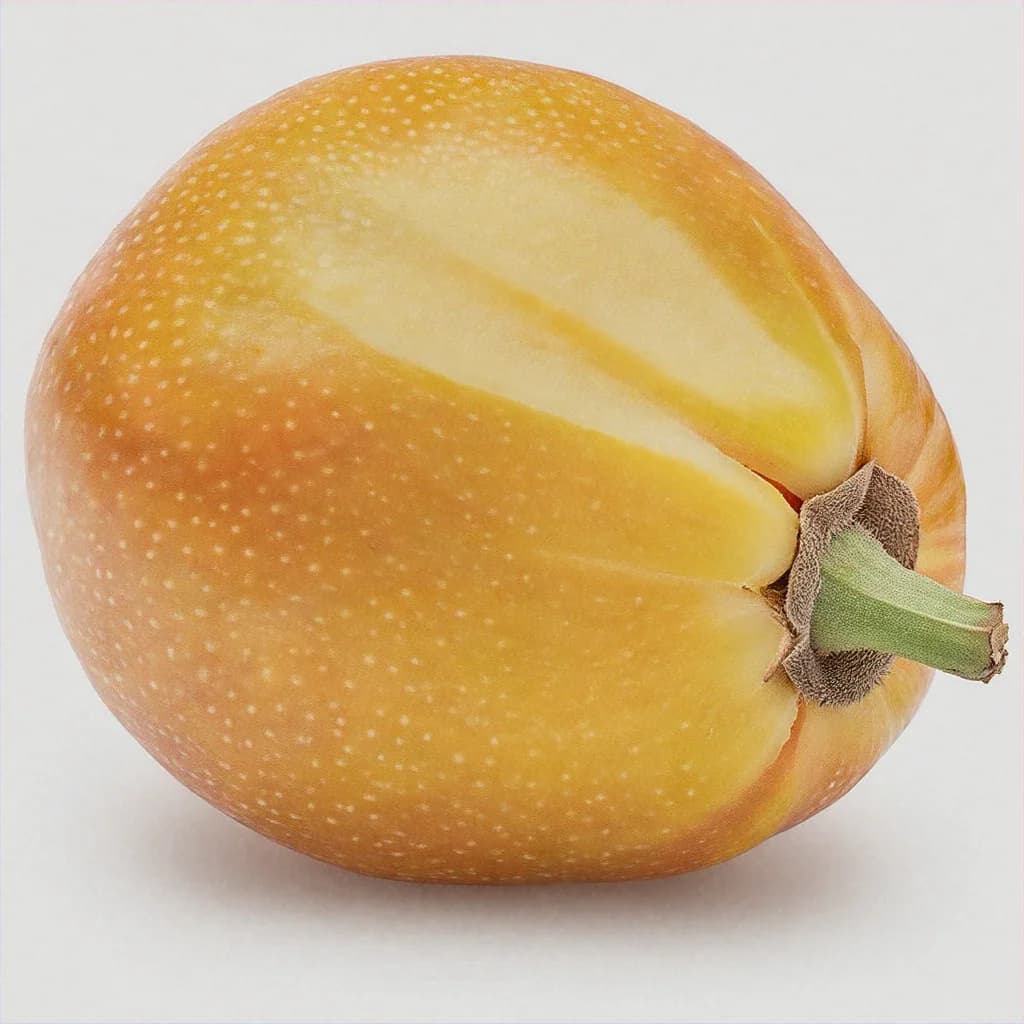
The Sorbus domestica, commonly known as the Service Tree, is a deciduous tree native to Europe and parts of Asia. Its fruit, often referred to as 'chequers' or 'serviceberries,' is small, round, and typically brownish-red when ripe. The flesh is slightly mealy but sweet and tart, resembling a blend of apple and pear flavors. Rich in vitamins, minerals, and antioxidants, the Service Tree fruit has been valued for centuries for its culinary and medicinal properties. Historically, it was used in traditional remedies and is now gaining recognition for its potential health benefits, including improved digestion, immune support, and anti-inflammatory effects.
Explore Sorbus domestica (Service Tree) in stunning detail
Sorbus domestica (Service Tree) - Main View
Per 100g
Per 100g
Nutrition breakdown for one serving
Europe and parts of Asia
The Service Tree has been cultivated for centuries in Europe, with historical records indicating its use in traditional medicine and culinary practices. Its fruit was often fermented into beverages or used in jams and preserves.
Late summer to early autumn
Each variety offers unique flavors, textures, and culinary applications
Keep your fruit fresh and delicious for longer
Look for fruits that are firm but slightly yielding to gentle pressure.
Avoid fruits with blemishes, bruises, or mold.
Store ripe fruits in the refrigerator to extend shelf life.
Keep away from ethylene-producing fruits like apples and bananas to prevent over-ripening.
Preserve freshness for months
Wash and dry the fruits thoroughly before freezing.
Store in an airtight container or freezer bag to maintain freshness.
Label frozen items with the date to track freshness. Most fruits maintain quality for 2-3 months when properly frozen. For best results, use airtight containers or freezer bags to prevent freezer burn.
Discover delicious possibilities
Generally hypoallergenic, but individuals with tree fruit allergies should exercise caution.
Organic varieties are recommended to minimize pesticide exposure.
Surprising trivia you'll love!
The Service Tree is often referred to as the 'true service tree' to distinguish it from other species in the Sorbus genus.
In some regions, the fruit is called 'chequers,' a name derived from its checkered appearance when ripe.
Sorbus domestica has a sweet and tart flavor, often compared to a blend of apple and pear.
Ripe Service Tree fruits are brownish-red in color and slightly yielding to gentle pressure.
Yes, wash and dry the fruits thoroughly before storing them in an airtight container or freezer bag.
Service Tree fruits are commonly used in jams, preserves, fermented beverages, and baked goods.
Service Tree fruits have a moderate sugar content of 8.7g per 100g, making them a balanced option.
Service Tree fruits are generally hypoallergenic, but individuals with tree fruit allergies should exercise caution.
Yes, historically, Service Tree fruits have been used in traditional remedies for their antioxidant and anti-inflammatory properties.
Sustainability insights
The Service Tree is a hardy species that requires minimal water and pesticides, making it a sustainable crop.
Low, as it is often grown locally and requires minimal processing.
Moderate, as the tree is drought-tolerant once established.
Locally grown Service Tree fruits are preferred for freshness and reduced carbon footprint.
We aim to keep this Sorbus domestica (Service Tree) profile accurate and easy to understand. Nutrition values and % Daily Value figures are based on established reference databases and standard daily value guidance.
Last updated: October 1, 2026
Medical disclaimer
This page is for general educational purposes and does not replace professional medical advice.
Found an issue? Contact us.