Loading Fruit Details...
Please wait while we fetch nutritional information and health benefits
Please wait while we fetch nutritional information and health benefits
Recommended Products
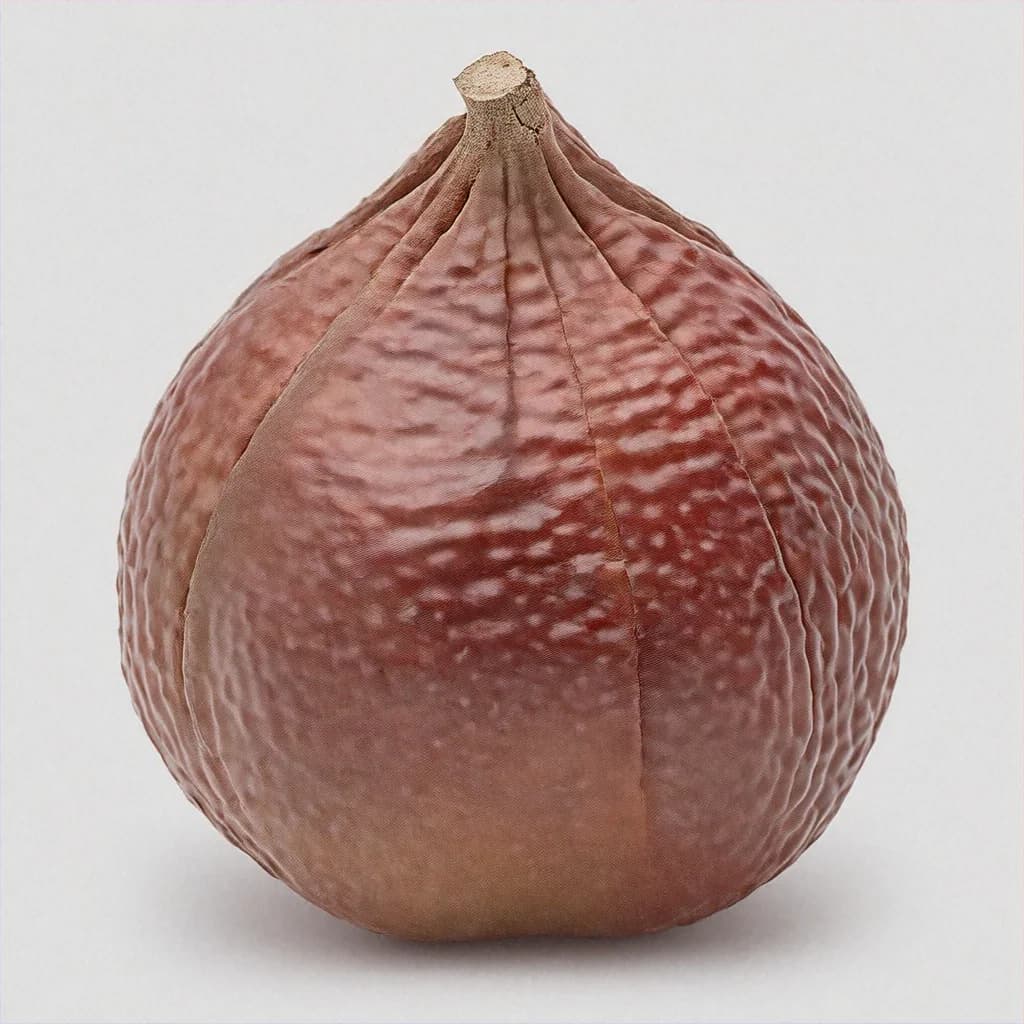
Pseudospondias microcarpa
The Corky-Bark Fruit, scientifically known as Pseudospondias microcarpa, is a tropical delight native to West Africa. This fruit is renowned for its unique texture and vibrant flavor profile, which combines sweet and tangy notes. The flesh of the Corky-Bark Fruit is juicy and mildly fibrous, making it a versatile ingredient in both sweet and savory dishes. Its outer skin is rough and corky, hence the name, providing a protective layer that helps preserve the fruit's freshness. Rich in essential vitamins, minerals, and antioxidants, this fruit offers a myriad of health benefits, making it a nutritional powerhouse. Whether consumed raw, juiced, or incorporated into culinary creations, the Corky-Bark Fruit is a must-try for fruit enthusiasts and health-conscious individuals alike.
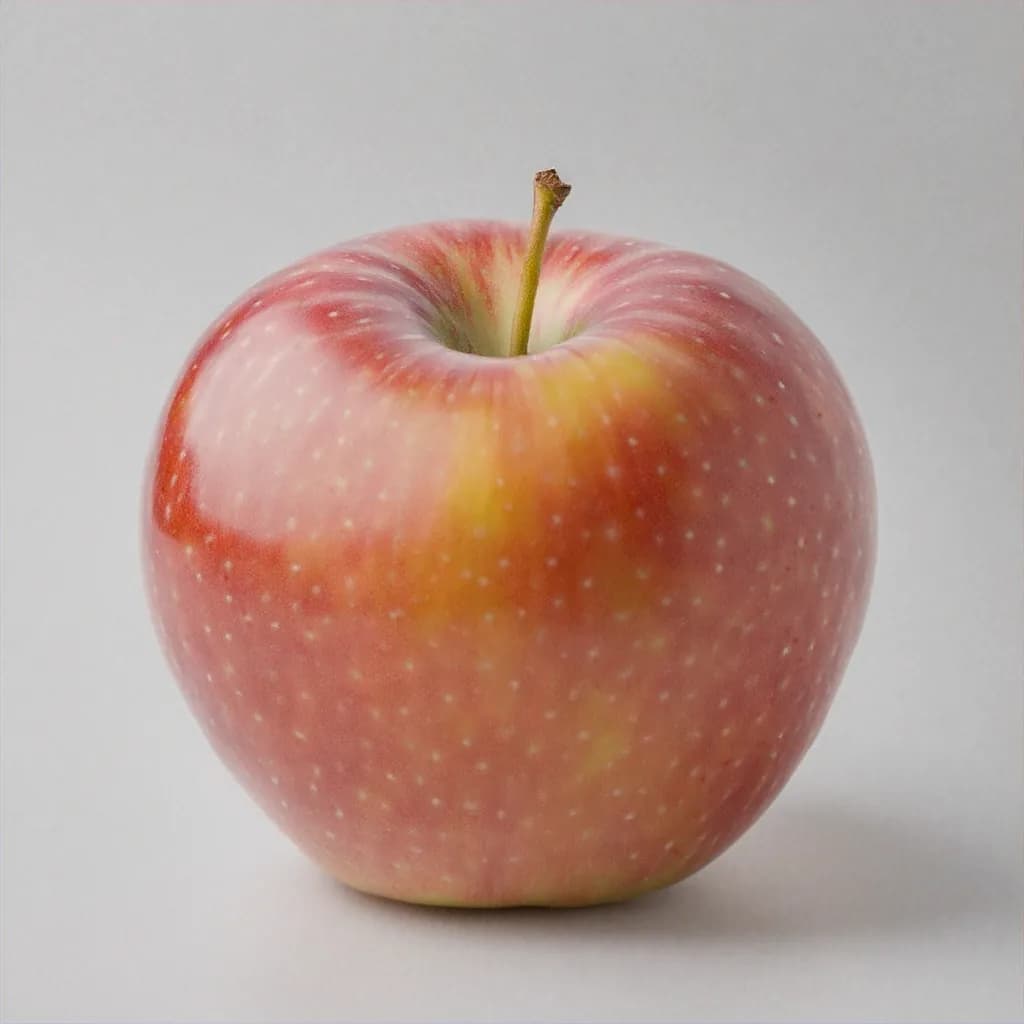
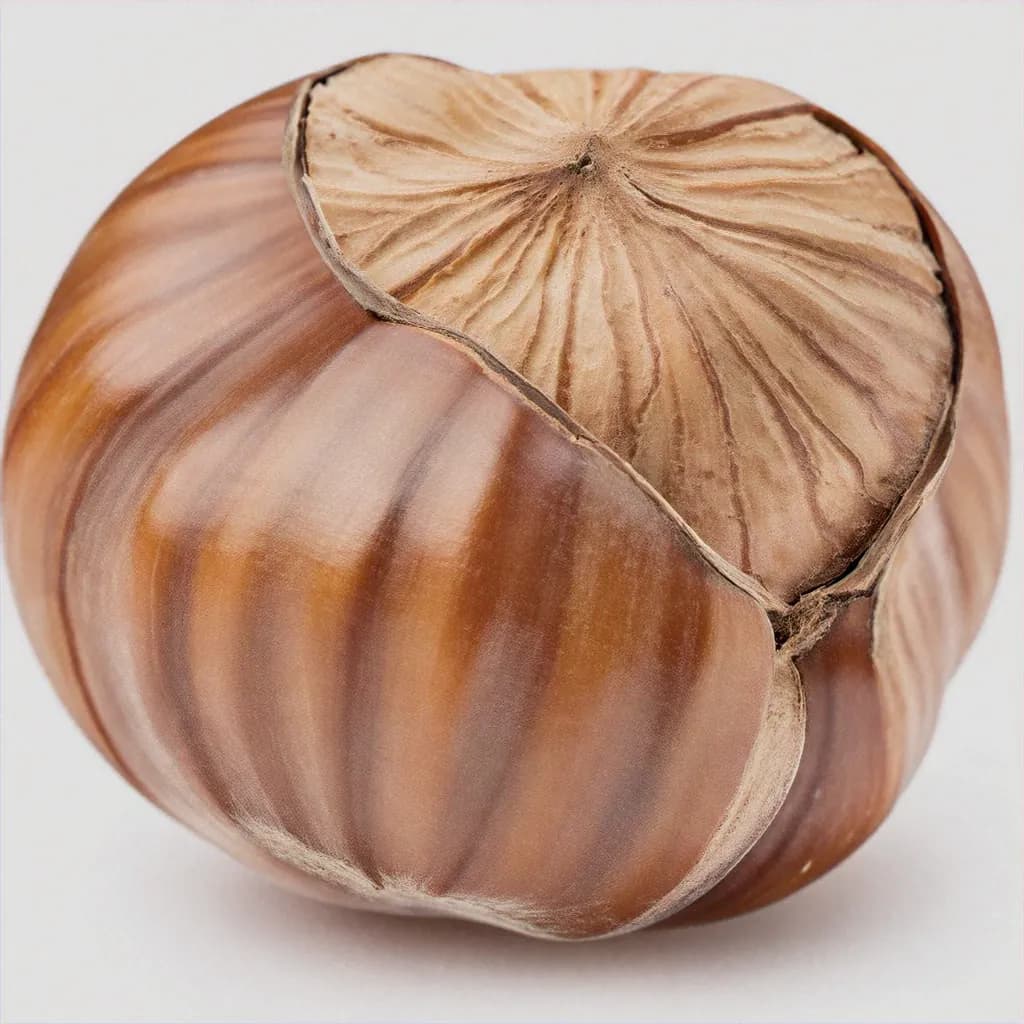
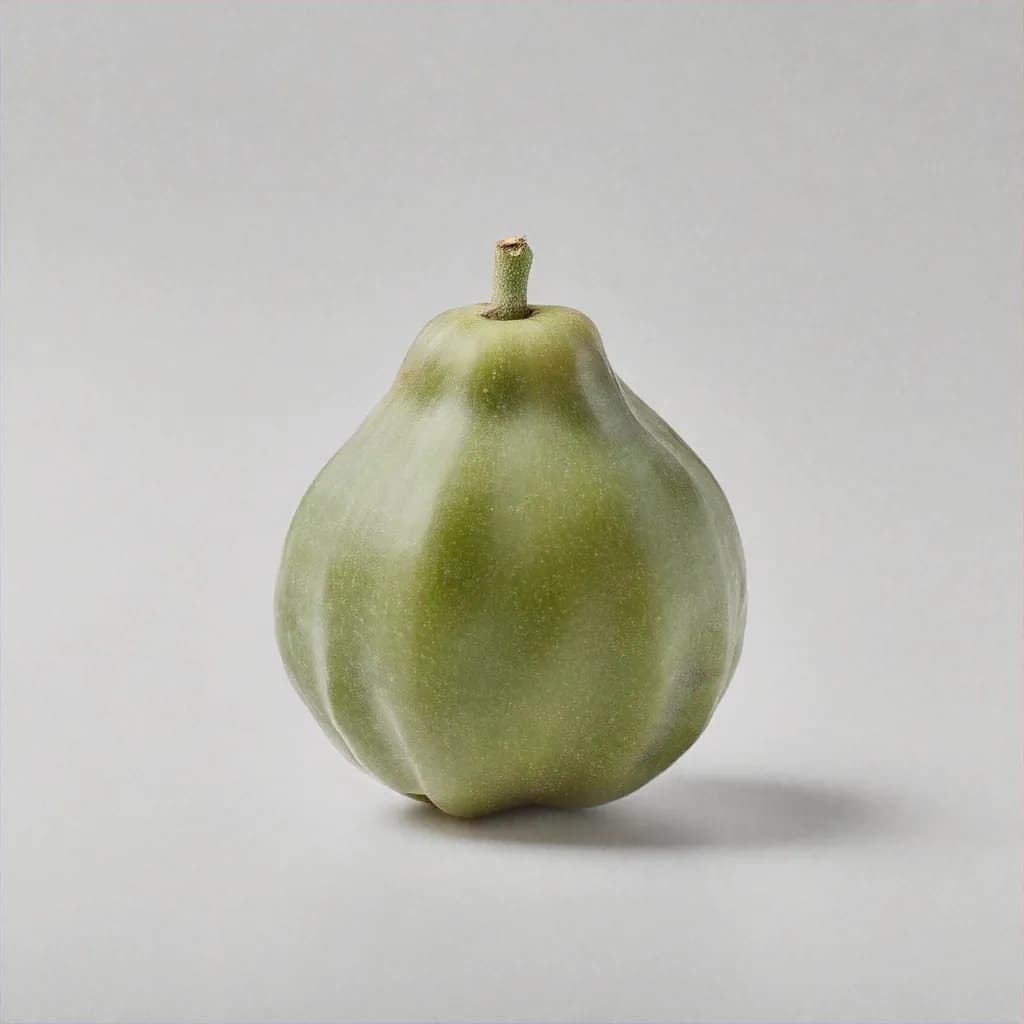
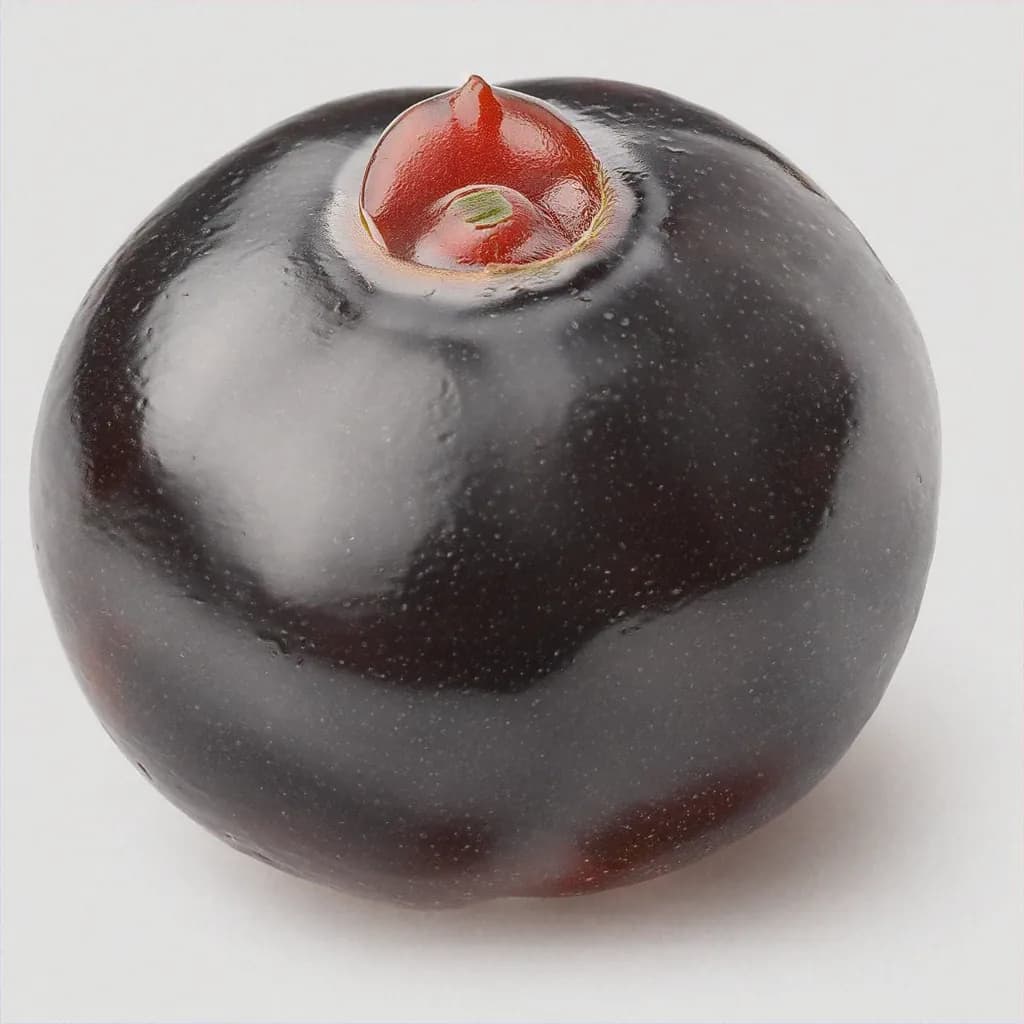
Explore Corky-Bark Fruit in stunning detail
Corky-Bark Fruit - Main View
Per 100g
Per 100g
Nutrition breakdown for one serving
West Africa
The Corky-Bark Fruit has been a staple in West African diets for centuries. It has been traditionally used for its nutritional benefits and medicinal properties.
Year-round with peak seasons varying by region.
Each variety offers unique flavors, textures, and culinary applications
Keep your fruit fresh and delicious for longer
Select fruits with firm, corky skin.
Avoid fruits with soft spots or mold.
Store at room temperature until ripe.
Refrigerate once ripe to extend shelf life.
Preserve freshness for months
Peel and slice before freezing.
Store in airtight containers to preserve flavor.
Label frozen items with the date to track freshness. Most fruits maintain quality for 2-3 months when properly frozen. For best results, use airtight containers or freezer bags to prevent freezer burn.
Discover delicious possibilities
No common allergies are associated with the Corky-Bark Fruit, but individual sensitivities may occur.
Generally low, as it is often grown organically in its native regions.
Surprising trivia you'll love!
The Corky-Bark Fruit is often referred to as the 'African Peach'.
It has been used in traditional medicine for its anti-inflammatory properties.
The Corky-Bark Fruit has a sweet and tangy flavor, similar to a combination of mango and pineapple.
A ripe Corky-Bark Fruit will have a firm, corky skin and a slight give when gently pressed.
Yes, you can freeze Corky-Bark Fruit after peeling and slicing it. Store in airtight containers for best results.
Corky-Bark Fruit can be eaten raw, used in fruit salads, juiced, or made into jams and preserves.
The Corky-Bark Fruit contains about 12g of sugar per 100g, making it moderately sweet.
Yes, the Corky-Bark Fruit is rich in vitamins C and A, potassium, and antioxidants, which support immune function, heart health, and overall well-being.
The Corky-Bark Fruit is native to West Africa and is commonly found in countries like Nigeria, Ghana, and Cameroon.
Sustainability insights
The Corky-Bark Fruit is typically cultivated sustainably in its native regions.
Low, as it is often locally sourced in West Africa.
Moderate, as it requires regular irrigation during dry seasons.
Locally sourced in West Africa is preferred for environmental reasons.
We aim to keep this Corky-Bark Fruit profile accurate and easy to understand. Nutrition values and % Daily Value figures are based on established reference databases and standard daily value guidance.
Last updated: October 1, 2026
Medical disclaimer
This page is for general educational purposes and does not replace professional medical advice.
Found an issue? Contact us.