Loading Fruit Details...
Please wait while we fetch nutritional information and health benefits
Please wait while we fetch nutritional information and health benefits
Recommended Products
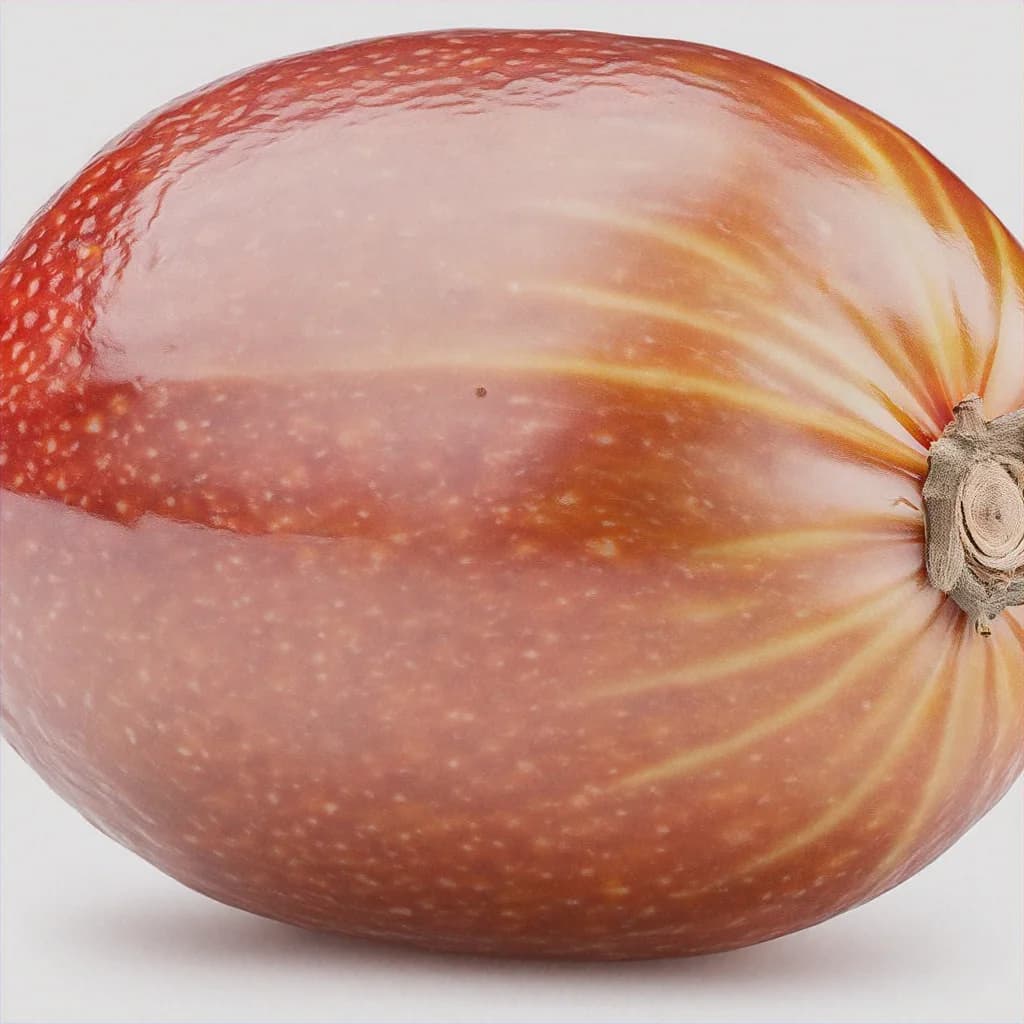
Kigelia africana
The Sausage Fruit, scientifically known as Kigelia africana, is a unique and intriguing tropical fruit native to Africa. Its distinctive sausage-like shape and substantial size make it instantly recognizable. The fruit hangs from long, rope-like stalks and can grow up to 60 cm in length, weighing as much as 7 kg. The outer skin is tough and woody, encasing a fibrous, yellowish pulp that contains numerous seeds. While the raw fruit is not typically consumed due to its astringent and bitter taste, it has been traditionally used in African medicine for its purported healing properties. The dried fruit is often ground into a powder and used in various culinary and medicinal applications. Its rich nutritional profile, including vitamins and minerals, makes it a valuable addition to traditional diets and modern health-conscious eating.
Explore Sausage Fruit in stunning detail
Sausage Fruit - Main View
Per 100g
Per 100g
Nutrition breakdown for one serving
Tropical Africa
The Sausage Fruit has been used for centuries in traditional African medicine. Its applications range from skin treatments to remedies for digestive issues. The fruit is also used in cultural rituals and is often associated with fertility and healing.
Late summer to early autumn
Each variety offers unique flavors, textures, and culinary applications
Keep your fruit fresh and delicious for longer
Look for firm, unblemished fruits with no cracks or soft spots.
Choose fruits that feel heavy for their size, indicating freshness and ripeness.
Store in a cool, dry place away from direct sunlight.
Keep the fruit in a well-ventilated area to prevent mold growth.
Preserve freshness for months
Cut the fruit into smaller pieces before freezing.
Store in an airtight container to preserve freshness.
Label frozen items with the date to track freshness. Most fruits maintain quality for 2-3 months when properly frozen. For best results, use airtight containers or freezer bags to prevent freezer burn.
Discover delicious possibilities
Allergic reactions to Sausage Fruit are rare, but individuals with known allergies to tropical fruits should exercise caution.
Sausage Fruit is generally low in pesticide residues due to its thick, protective skin.
Surprising trivia you'll love!
The Sausage Fruit is often referred to as the 'African cucumber' due to its elongated shape.
In traditional African medicine, the fruit is used to treat a wide range of ailments, including skin conditions and digestive issues.
The raw fruit is bitter and astringent, but when cooked or dried, it develops a milder, slightly sweet flavor.
A ripe Sausage Fruit will feel firm but slightly yielding to gentle pressure, with no visible blemishes or soft spots.
Yes, you can freeze Sausage Fruit by cutting it into smaller pieces and storing it in an airtight container.
It is commonly used in stews, soups, and as a dried powder in baked goods or smoothies.
No, Sausage Fruit is relatively low in calories, with approximately 120 calories per 100 grams.
While there are no known significant interactions, it is advisable to consult a healthcare provider if you are on medication.
Yes, it is generally safe for children, but it is best to introduce it in small quantities to monitor for any allergic reactions.
Sustainability insights
Sausage Fruit is typically cultivated in sustainable, small-scale farms in Africa.
Low, as it is predominantly grown locally and transported within the region.
Moderate, as the plant is adapted to tropical climates with regular rainfall.
Most Sausage Fruit is consumed locally, reducing the need for long-distance transportation.
We aim to keep this Sausage Fruit profile accurate and easy to understand. Nutrition values and % Daily Value figures are based on established reference databases and standard daily value guidance.
Last updated: September 5, 2026
Medical disclaimer
This page is for general educational purposes and does not replace professional medical advice.
Found an issue? Contact us.