Loading Fruit Details...
Please wait while we fetch nutritional information and health benefits
Please wait while we fetch nutritional information and health benefits
Recommended Products
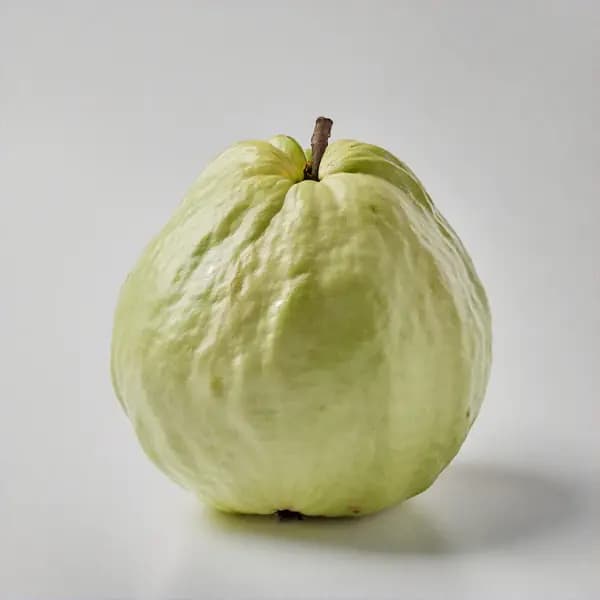
Psidium guajava
Guava is a tropical fruit with edible seeds, ranging from round to pear-shaped, with green to yellow skin and white to pink or deep red flesh. Known for its distinctive sweet-tart tropical flavor combining notes of strawberry, pear, and citrus, guava is exceptionally rich in vitamin C (contains 4x more than oranges), fiber, and powerful antioxidants like lycopene. The entire fruit is edible including the nutrient-dense skin and crunchy seeds. Guava supports immune health, digestive wellness, and blood sugar management while offering anti-inflammatory and antimicrobial properties. Popular fresh, juiced, or made into paste, jam, and desserts, guava brings tropical nutrition and exotic flavor to any meal.
Explore Guava in stunning detail
Guava - Main View
Per 100g
Per 100g
Nutrition breakdown for one serving
Tropical Americas (Mexico, Central America, northern South America)
Guava has been cultivated in tropical America for over 2,000 years. Indigenous peoples valued guava for both nutrition and traditional medicine. Spanish and Portuguese colonizers encountered guava in the Americas in the 16th century and spread it globally to their colonies in Asia, Africa, and the Pacific. By the 17th century, guava was established in India, which now leads global production. The fruit naturalized easily in tropical and subtropical regions worldwide, sometimes becoming invasive. In Hawaii, guava arrived with early Polynesian settlers and later European introduction. Traditional medicine systems including Ayurveda use guava leaves and fruit for digestive issues, diabetes, and infections. Commercial cultivation expanded dramatically in the 20th century, particularly in India, where guava orchards cover vast areas. Modern breeding developed improved varieties with better flavor, disease resistance, and seedless types. Today, guava is integral to cuisines across Latin America, Asia, and Africa, enjoyed fresh, juiced, or processed into paste, jam, and desserts.
Year-round in tropical regions, varies by climate
Each variety offers unique flavors, textures, and culinary applications
Keep your fruit fresh and delicious for longer
Select guavas that give slightly to gentle pressure - not rock-hard or mushy
Ripe guavas have strong, sweet, tropical fragrance
Color varies by variety - yellow-green indicates ripeness in many types
Avoid guavas with bruises, dark spots, or broken skin
Small brown spots on skin are acceptable - don't affect quality
Guavas should feel heavy for their size indicating juiciness
Unripe guavas are very firm and lack fragrance - will ripen at home
Pink varieties may show pink blush through skin when ripe
Shape varies (round, oval, pear) - all are fine quality indicators
Size doesn't determine quality - small guavas can be just as flavorful
Ripen firm guavas at room temperature for 2-5 days until fragrant and slightly soft
Once ripe, refrigerate guavas for 3-5 days
Store in crisper drawer or sealed container in refrigerator
Guavas continue ripening at room temperature - check daily
Cut guava should be refrigerated in airtight container, used within 2-3 days
Store away from ethylene-sensitive produce
Guavas are ethylene producers - can ripen other fruits
For longer storage, freeze cut guava pieces or make into paste/jam
Bring refrigerated guava to room temperature for best flavor before eating
Preserve freshness for months
Wash, peel (optional), and cut guava into chunks or slices
Remove seeds if desired (optional - seeds are edible and nutritious)
Spread guava pieces on parchment-lined baking sheet
Flash freeze for 2-3 hours until solid
Transfer frozen guava to freezer-safe bags or containers, removing excess air
Frozen guava maintains quality for 10-12 months
No need to thaw for smoothies, cooking, or baking
Thawed guava becomes soft - best used in cooked preparations, smoothies, or purees
Label containers with freezing date for quality tracking
Label frozen items with the date to track freshness. Most fruits maintain quality for 2-3 months when properly frozen. For best results, use airtight containers or freezer bags to prevent freezer burn.
Discover delicious possibilities
Guava allergies are uncommon but possible. Allergic reactions typically manifest as oral allergy syndrome (mouth, lip, or throat itching and tingling) in sensitive individuals. True guava allergy can cause more severe reactions including hives, digestive upset, respiratory symptoms, or rarely, anaphylaxis. Cross-reactivity may occur with birch pollen, latex (latex-fruit syndrome), or other tropical fruits (mango, papaya, banana). Some people react to specific proteins in guava that resist digestion. Guava leaf tea can also trigger allergic responses in sensitive individuals. Contact dermatitis from guava tree sap or leaves is possible. Most guava allergies are mild. Those with known tropical fruit allergies or latex allergy should introduce guava cautiously. Cooked guava may be better tolerated than fresh in some allergic individuals. Consult allergists for proper testing if suspected allergy.
Conventionally grown guava may contain pesticide residues, though levels vary by growing region and practices. The thin, edible skin can absorb chemicals. Washing thoroughly under running water for 30-60 seconds reduces surface residues. Since guava skin is nutritious and commonly eaten, organic guavas offer benefits for frequent consumers, especially children and pregnant women. The Environmental Working Group doesn't specifically list guava in their produce pesticide rankings due to limited U.S. consumption data. Imported guavas (from India, Mexico, Thailand) may have different pesticide regulations than domestic. Organic guavas are increasingly available fresh and frozen. For those eating guava regularly with skin, organic is preferable. If organic unavailable, thorough washing significantly reduces pesticide exposure.
Surprising trivia you'll love!
A single guava contains more than 4 times the vitamin C of an orange - 254% daily value per 100g
Guava trees can produce fruit twice yearly in tropical climates, yielding 100+ pounds per tree annually
The guava fruit family includes over 100 species, though Psidium guajava is the most commercially important
Guava leaves are used to make tea that's been traditionally used for diabetes, diarrhea, and menstrual pain
India produces over 45% of the world's guava supply, with massive orchards in Uttar Pradesh
Guava has one of the lowest glycemic index values of any fruit at just 12, making it exceptional for blood sugar control
The name 'guava' comes from the Arawak word 'guayabo' used by indigenous Caribbean peoples
Guava paste (dulce de guayaba) paired with cheese is a classic Latin American dessert combination
In some tropical regions, guava is considered invasive due to prolific growth and bird-dispersed seeds
Pink guavas contain more lycopene than tomatoes on a weight-for-weight basis
Yes! Both guava skin and seeds are completely edible and highly nutritious. The skin contains significant fiber, vitamin C, and antioxidants - eating whole guava maximizes nutritional benefits. Simply wash thoroughly and bite into the fruit. The seeds are crunchy and contain healthy fats, fiber, and omega-3 fatty acids. Some people find seeds hard or annoying texturally and prefer to remove them by scooping or blending and straining. Seedless guava varieties exist but are less common. For maximum nutrition, eat the entire guava including skin and seeds. The skin may be slightly bitter or tart compared to flesh. If you dislike seeds, you can eat around them, blend guava and strain for juice/smoothies, or cook guava and strain for paste/jam. There's no health reason to remove skin or seeds unless digestive sensitivity exists. Organic guavas are preferable if eating skin to minimize pesticide exposure.
Guava contains extraordinary vitamin C levels (228mg per 100g - 254% DV) due to evolutionary and environmental factors. As a tropical fruit exposed to intense sunlight, guava produces high ascorbic acid (vitamin C) for antioxidant protection against UV damage and oxidative stress. The vitamin C also serves as a natural preservative helping fruit resist decay in hot, humid climates. Different guava varieties have varying levels - pink guavas often contain more than white varieties. Ripe guavas have higher vitamin C than unripe. One medium guava (55g) provides 140% daily value - more than an entire orange. The exceptional vitamin C content makes guava one of the richest natural sources available. This abundance supports immune function, collagen synthesis, iron absorption, and powerful antioxidant protection. Vitamin C degrades with cooking and storage - fresh guava provides maximum benefits. Even with some loss, cooked or processed guava remains an excellent vitamin C source.
Yes, guava is excellent for diabetics and blood sugar management! Guava has an extremely low glycemic index (12) and glycemic load (2) - among the lowest of all fruits. This means minimal blood sugar impact. The high fiber content (5.4g per 100g) slows sugar absorption significantly. Research shows guava consumption may lower blood sugar levels, improve insulin sensitivity, and help manage type 2 diabetes. Studies indicate eating guava or drinking guava leaf tea can reduce post-meal blood sugar spikes. The fruit's polyphenols and fiber create favorable effects on glucose metabolism. One medium guava contains only 4.9g natural sugars with 3g fiber - excellent ratio for blood sugar control. Guava leaves are used in traditional medicine and supplements for diabetes management. For diabetics: eat guava with skin for maximum fiber, consume whole fruit rather than juice (fiber removed), monitor individual blood sugar response, and include guava in balanced meal plans. Portion control still matters - 1-2 guavas daily is appropriate for most diabetics.
Pink/red and white guavas are the same species with different flesh colors and nutritional profiles. Pink/red guava has higher lycopene content (powerful antioxidant providing the color), is generally sweeter and more aromatic, contains more vitamin A and beta-carotene, and is more popular commercially. White guava has lower lycopene but similar vitamin C levels, tends to be milder and slightly more tart, has crisp, firm texture, and is preferred in some Asian cuisines. Both colors offer exceptional nutrition including world-class vitamin C content (254% DV per 100g), high fiber, potassium, and antioxidants. Glycemic index and basic nutritional composition are similar. Pink varieties provide additional benefits from lycopene (heart health, prostate health, anti-cancer properties). White varieties contain more guaiacol compounds contributing to unique aroma. Taste preference is personal - both are delicious and nutritious. For maximum antioxidant benefits, choose deeply colored pink/red varieties. For cooking and paste-making, white guava works excellently.
Yes, guava is exceptional for digestive health! Benefits include: very high fiber content (5.4g per 100g - 11% DV per medium fruit) promoting regular bowel movements and preventing constipation, acting as natural laxative with gentle effect, feeding beneficial gut bacteria (prebiotic effect), and antibacterial/antimicrobial properties fighting harmful digestive bacteria. Guava leaf extract is traditional remedy for diarrhea and dysentery - tannins and other compounds have astringent, antimicrobial effects. Research shows guava leaf tea reduces diarrhea duration and intensity. The fruit's fiber adds bulk to stool and improves intestinal transit. Guava may help relieve bloating and digestive discomfort. Seeds provide additional fiber and healthy fats supporting digestion. For digestive benefits: eat whole guava with skin and seeds for maximum fiber, consume regularly for consistent benefits, and try guava leaf tea for acute digestive issues. However, excessive consumption can cause bloating or diarrhea in some people - moderation is key. Start with one guava daily and adjust based on tolerance.
Multiple indicators reveal guava ripeness: Strong, sweet, tropical fragrance - ripe guavas are highly aromatic and smell sweet even from distance; slight softness when gently squeezed - gives to light pressure like ripe avocado (not mushy); color change - many varieties turn from dark green to lighter yellow-green or develop yellow tones when ripe (pink varieties may show pink blush); smooth skin - surface becomes slightly waxy and smooth; small brown spots may appear (acceptable, not spoilage); and taste - ripe guava is sweet, aromatic, and flavorful versus astringent when unripe. Unripe guavas are rock-hard, lack fragrance, and taste extremely tart. To ripen guavas: store at room temperature in paper bag for 2-5 days, check daily for softening and aroma development, avoid refrigerating until ripe (stops ripening process), and once ripe, refrigerate and consume within 3-5 days. Overripe guavas become very soft, develop fermented smell, and may have dark soft spots. Optimal ripeness is when guava yields slightly to pressure, smells wonderfully sweet, and has begun color transition.
Yes, guava is excellent and highly recommended during pregnancy! Benefits include: exceptional vitamin C (254% DV) supports immune system and iron absorption (crucial during pregnancy), high folate content (12% DV) essential for fetal neural tube development and preventing birth defects, high fiber (5.4g per 100g) prevents pregnancy-related constipation, natural source of nutrients without excessive sugar, potassium (9% DV) helps regulate blood pressure and reduce pregnancy swelling, and antioxidants protect against oxidative stress. Guava's low glycemic index (12) makes it safe for gestational diabetes management. The fruit provides hydration with 81% water content. Iron content supports increased blood volume during pregnancy. However, precautions include: wash thoroughly to remove potential bacteria/parasites, prefer organic to minimize pesticide exposure, avoid guava leaf supplements without doctor approval (traditional use for inducing labor), and consume moderate amounts (1-2 guavas daily) - excessive fiber can cause digestive discomfort. Guava is safer than many tropical fruits with lower contamination risks. Always consult healthcare provider about dietary changes during pregnancy.
Yes, guava is safe for dogs in moderation and can provide health benefits. The flesh is non-toxic and contains vitamin C, fiber, and antioxidants beneficial for canine health. However, important considerations: remove seeds before feeding - while not toxic, hard seeds can pose choking hazards or cause intestinal blockage, especially in small dogs; feed only ripe, peeled flesh in small amounts - start with 1-2 small pieces for small dogs, 2-4 pieces for large dogs; avoid guava skin which can be tough to digest; don't feed guava products with added sugar, artificial sweeteners (xylitol is toxic), or spices; and introduce gradually to check tolerance. Benefits for dogs include vitamin C support (though dogs produce their own), fiber for digestion, and antioxidant protection. Risks include digestive upset from excessive fiber if overfed, potential choking on seeds, and possible allergic reactions (rare). Most dogs enjoy the sweet taste. Guava can be occasional healthy treat, not daily staple. Never feed guava paste, guava jam, or sweetened products to dogs. If your dog shows any adverse reactions (vomiting, diarrhea, lethargy), discontinue and consult veterinarian.
Sustainability insights
Guava cultivation has moderate environmental impacts with both benefits and challenges. Benefits include: guava trees are perennial lasting 30-40 years, reducing replanting frequency; relatively low water requirements compared to many tropical fruits; tolerance to poor soils and marginal lands unsuitable for other crops; and providing habitat and food for wildlife (though can become invasive). Challenges include: invasive potential in some ecosystems where guava spreads aggressively; conventional cultivation may use pesticides for fruit flies and diseases; and monoculture plantations reducing biodiversity. Positive trends include organic guava production growth, particularly in India and Mexico; integrated pest management adoption; and traditional small-farm cultivation maintaining biodiversity. Guava trees provide carbon sequestration benefits. Supporting organic, sustainably certified guava producers promotes environmental responsibility. In native ranges, guava cultivation is generally sustainable.
Local guava in tropical/subtropical regions has minimal carbon footprint with short transportation. Major producing countries (India, China, Thailand, Mexico) serve primarily domestic markets with moderate transport impacts. Imported fresh guava from distant origins (India/Thailand to North America or Europe) significantly increases carbon footprint due to air freight or refrigerated shipping. Frozen guava or guava paste has moderate footprint - processing energy offset by reduced spoilage and longer storage without refrigeration. Seasonal availability limits fresh guava in non-tropical regions. Choosing domestic guava during local season (Hawaii, Florida, California in summer-fall) minimizes environmental impact. During off-season, frozen guava or shelf-stable paste/puree may have lower overall footprint than fresh imports. Supporting regional production when available offers lowest carbon footprint.
Guava cultivation requires moderate water compared to many fruit crops. Trees need approximately 25-35 inches (635-890mm) water annually depending on climate, soil, and age. Water footprint is approximately 460-600 liters per kilogram of fresh guava - moderate among tropical fruits. Guava trees are relatively drought-tolerant once established, requiring less irrigation than many crops. In humid tropical regions (India's monsoon areas), natural rainfall often suffices with minimal supplemental irrigation. Arid growing areas require consistent irrigation. Water-efficient drip irrigation systems are increasingly adopted in commercial orchards, reducing waste significantly. Mulching conserves soil moisture and reduces water needs. Young trees require more frequent watering than mature orchards. Sustainable farms implement rainwater harvesting, soil moisture monitoring, and efficient irrigation scheduling. Overall, guava's water footprint is manageable.
Buying local guava maximizes sustainability and flavor when available. Tropical/subtropical regions (Hawaii, Florida, California in U.S.; throughout Latin America, Caribbean, Asia, Africa) should prioritize local seasonal guava. Fresh guava season varies by region - typically summer through fall in many areas, year-round in equatorial zones. Purchasing from local farmers markets, orchards, or regional suppliers reduces transportation emissions dramatically. For non-tropical regions, imported fresh guava has significant environmental impact due to air freight or long refrigerated shipping. Consider frozen guava from closer sources or shelf-stable products (paste, puree) which ship efficiently without refrigeration. Supporting local tropical fruit producers preserves agricultural diversity and small-farm economies. Check guava origin labels and choose closest sources available. Organic local guava provides combined environmental and health benefits.
We aim to keep this Guava profile accurate and easy to understand. Nutrition values and % Daily Value figures are based on established reference databases and standard daily value guidance.
Last updated: September 8, 2026
Medical disclaimer
This page is for general educational purposes and does not replace professional medical advice.
Found an issue? Contact us.