Loading Fruit Details...
Please wait while we fetch nutritional information and health benefits
Please wait while we fetch nutritional information and health benefits
Recommended Products
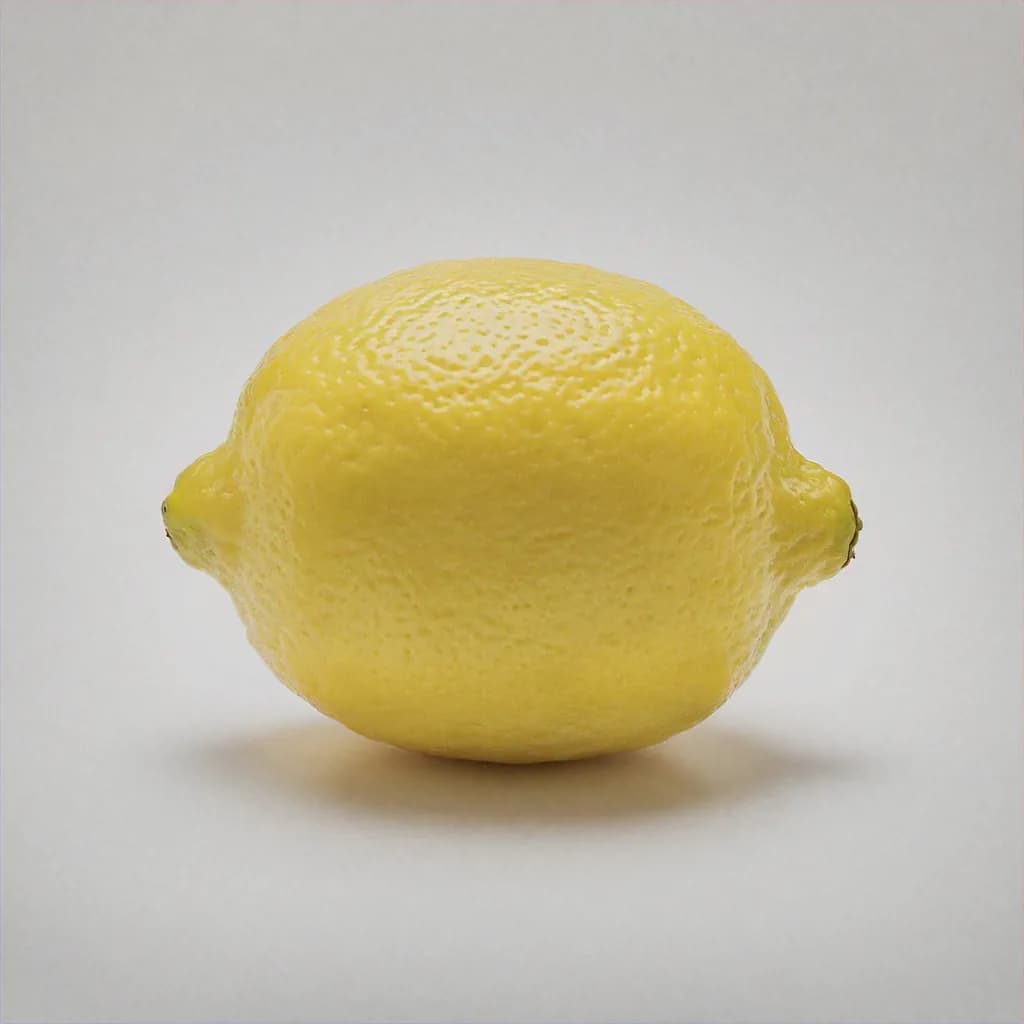
Citrus limon
Lemons are iconic yellow citrus fruits celebrated worldwide for exceptional tartness, vibrant acidic juice, and versatile culinary applications spanning sweet and savory cooking, beverages, preservation, and health remedies. These bright yellow oval fruits with textured peel represent quintessential sour citrus delivering intense acidic punch (pH 2-3, extremely acidic) providing distinctive tart flavor that defines countless cuisines. Lemons originated in Asia and became cultivated throughout Mediterranean region where they became deeply integrated into European, Middle Eastern, and North African cuisines. The distinctive acidic punch of lemon juice transforms dishes through acid balance, flavor enhancement, and brightening effects - lemons represent essential culinary ingredient across professional and home kitchens. Lemons provide impressive nutritional profile despite sour taste - exceptional vitamin C content (approaching 60% DV per 100g fresh juice), fiber, calcium, antioxidants, and bioactive compounds including limonoids and flavonoids with potential health benefits. The juice, peel, leaves, and even flowers offer culinary value - few fruits provide such comprehensive usability from single plant. Lemons support digestive health, potential immune enhancement, detoxification support through traditional preparations, and significant culinary versatility making them among most valuable cultivated fruits. The combination of exceptional flavor profile, broad culinary application, health benefits, easy cultivation, and long shelf life makes lemons absolutely essential fruit deserving universal appreciation and regular consumption.
Explore Lemon in stunning detail
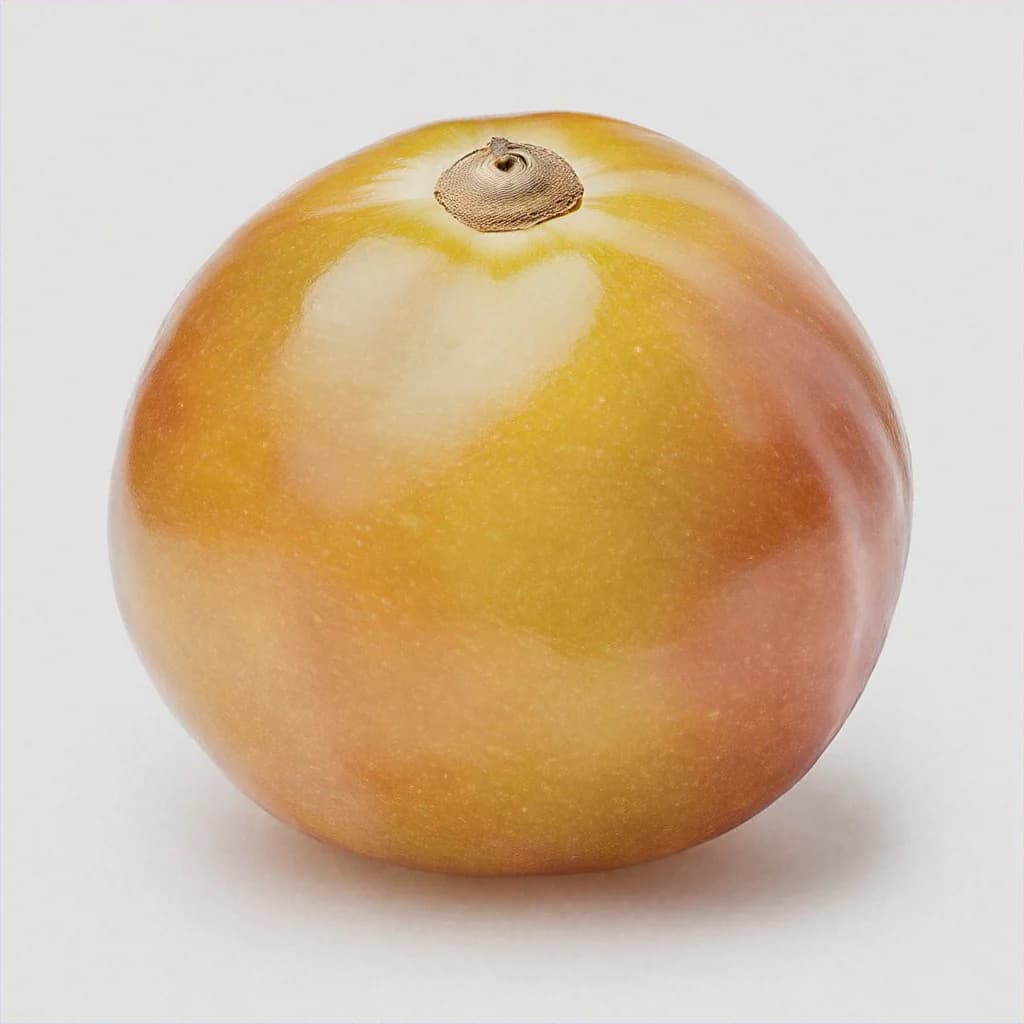
Lemon - Main View
Per 100g
Per 100g
Nutrition breakdown for one serving
North India and Southeast Asia (Kashmir/Assam region)
Lemons originated in South and Southeast Asia, likely in India's Kashmir/Assam region where wild citrus species still grow. Ancient Sanskrit texts reference lemons as medicinal fruit. Lemons reached Persia and Arab regions through trade routes, where cultivation expanded significantly. Arabs brought lemons to Mediterranean region around 10th century via Crusades and trade expansion. Mediterranean cultivation flourished - Italy, Spain, and Greece became major production centers by 13th-14th centuries. Lemons integrated deeply into Mediterranean cuisines and became culturally synonymous with Southern European cooking. Spanish conquistadors brought lemons to Americas in 16th century, establishing cultivation in favorable climates. California lemon cultivation developed in 19th century, eventually becoming world's largest production region by 20th century. Modern lemon cultivation spans globally with tropical/subtropical regions favoring production. Lemons became scientific focus - vitamin C discovery in 18th-19th centuries highlighted lemon's exceptional content, leading to naval appreciation for scurvy prevention (lemon juice carried on ships preventing scurvy). Today lemons remain among most important and versatile cultivated fruits globally.
Year-round in most regions; peak September-November in Northern Hemisphere
Each variety offers unique flavors, textures, and culinary applications
Keep your fruit fresh and delicious for longer
Select firm lemons with bright, vibrant yellow color (avoid green tinge indicating underripeness)
Lemons should feel heavy for their size - indicates juice content
Skin should be smooth, unblemished, and free from soft spots or mold
Avoid wrinkled, dull, or dried-out lemons
Fragrant aroma indicates quality and ripeness
Choose uniform size for consistent juice yield
Thin-skinned lemons typically contain more juice
Avoid lemons with brown spots or significant bruising
For Meyer lemons, slight rounder shape with golden tone is normal
Fresh lemons keep refrigerated 2-4 weeks in breathable container or paper bag (not plastic)
Room temperature storage acceptable 1-2 weeks in cool location
Do not wash lemons until ready to use - moisture accelerates spoilage
Separate lemons to improve air circulation and prevent mold transmission
Frozen lemons preserve quality excellently for 3-4 months (thaw before juicing)
Flash freeze whole on baking sheet before bagging for portioning
Lemon juice keeps refrigerated 2-3 days (bottled commercial lasts longer)
Preserved lemons (salt-cured) keep several months to 1+ year
Dried lemon slices keep several months in airtight container
Can zest lemons before storage for convenient use
Preserve freshness for months
Fresh lemons freeze excellently for 3-4 months
Flash freeze whole on baking sheet before bagging
Thaw before juicing to extract maximum juice
Frozen lemons work well for juice, zest, and cooking
Frozen lemons become softer - less ideal fresh eating but perfect for processing
Consider juicing before freezing for convenient ready-to-use lemon juice
Zest before freezing for long-term zest storage
Label frozen items with the date to track freshness. Most fruits maintain quality for 2-3 months when properly frozen. For best results, use airtight containers or freezer bags to prevent freezer burn.
Discover delicious possibilities
Lemon allergies are uncommon but documented, particularly in individuals with existing citrus allergies. Allergic reactions typically present as oral allergy syndrome - itching, tingling, or swelling of mouth, lips, tongue, and throat, particularly with fresh lemons. Some individuals experience generalized allergic reactions including hives, urticaria, or skin rashes. Severe reactions including respiratory symptoms are rare but documented. LATEX-FRUIT SYNDROME: Individuals with latex allergies may theoretically show cross-reactivity (though connection is weaker for lemon than for other fruits). SALICYLATE SENSITIVITY: Those with salicylate sensitivity may react to lemons (salicylate-containing food). LIMONENE SENSITIVITY: Some sensitive individuals react to limonene (compound in lemon peel).
Conventionally grown lemons in commercial orchards may contain pesticide residues. Lemon peel may be consumed (zest for flavoring), making surface pesticide concerns relevant. Proper washing: Rinse lemons under cool running water for 15-20 seconds, gently rubbing surface. The firm skin resists damage. Pat dry. This removes surface pesticides and contaminants. Organic lemons eliminate synthetic pesticide concerns. Supporting organic citrus production promotes sustainable farming.
Surprising trivia you'll love!
Lemons are among world's most important citrus fruits, cultivated on every continent except Antarctica - approximately 21 million metric tons produced annually
The name 'lemon' derives from Sanskrit 'nimbuka' through Arabic 'laymun' into European languages - reflecting the fruit's Asian origin and international trade spread
Lemons are so acidic (pH 2-3) they are among the most acidic commonly consumed foods - comparable to vinegar acidity
Navy vessels historically carried lemon juice to prevent scurvy (vitamin C deficiency disease) - this practice led to British sailors being called 'limeys' (though they actually used limes)
A single lemon tree can produce 50-75 pounds of lemons annually - making individual trees highly productive
Lemon water upon waking is modern wellness trend, but warm water with lemon has been traditional remedy across cultures for centuries
Meyer lemons (popular home variety) are actually hybrid between lemon and mandarin orange - explaining their sweeter profile and mandarin heritage
Lemons contain limonoids - unique compounds with demonstrated anti-cancer properties in research - making them scientifically interesting beyond culinary value
Preserved lemons (salt-cured traditional preparation) are essential North African ingredient, particularly in Moroccan cuisine, creating intensely complex flavor unavailable from fresh lemons
Lemon production remains highest in India and Mexico - collectively producing approximately 35-40% of world's lemons
Lemon water (fresh lemon juice in water) is popular wellness preparation with legitimate benefits and overstated claims. LEGITIMATE BENEFITS: Vitamin C support - lemon juice provides vitamin C supporting immune function and antioxidant protection. Hydration - lemon water encourages water consumption, supporting overall hydration (main benefit). Digestive support - warm lemon water traditionally supports digestive function, though evidence is modest. Liver support - Traditional Chinese Medicine recognizes lemon as liver-supporting; modern evidence is limited but suggests potential benefit. Flavor enhancement - lemon makes plain water palatable for those struggling with adequate hydration. OVERSTATED CLAIMS: Lemon water is NOT a detox or cleanse - the body's organs manage detoxification without special aids. Lemon water does NOT cause weight loss directly - hydration and calories remain primary factors. Lemon water does NOT alkalize blood significantly - the body maintains pH through robust systems unaffected by dietary acids. Lemon water does NOT cure serious health conditions - modesty about claims is essential. OPTIMAL USE: Warm lemon water upon waking is traditional practice supporting gentle digestive awakening and hydration. Fresh squeezed juice is more beneficial than bottled. Consume immediately after making - vitamin C degrades with time. Moderation with tooth health - citric acid can erode enamel with excessive consumption (use straw, rinse mouth). PREPARATION: One fresh lemon (or 2-3 tablespoons juice) in 8 oz warm or cold water. No need for special protocols or extreme amounts. REALITY: Lemon water is genuinely beneficial hydration strategy providing real vitamin C and encouraging healthy habits. It's not magical cure but legitimate healthy practice.
Yes, lemons are extremely acidic (pH 2-3) - among most acidic foods and beverages. Lemon juice absolutely can harm tooth enamel with prolonged or frequent exposure. ACIDITY SCIENCE: Lemon juice pH is approximately 2-3 (highly acidic; neutral is 7). Citric acid is strong acid that demineralizes tooth enamel through acid erosion. Enamel dissolution begins at pH 5.5; lemon juice is far more acidic. Frequency and duration of acid exposure determines damage extent. EROSION RISK: Frequent lemon juice consumption (multiple daily exposures) significantly increases enamel erosion risk. Undiluted lemon juice carries higher risk than diluted forms. Lemon water daily is generally acceptable but excessive consumption (several servings daily) increases erosion risk. PROTECTIVE MEASURES: Drink lemon water through straw to minimize mouth contact. Rinse mouth with plain water after consuming lemon juice. Wait 30 minutes before brushing teeth (brushing immediately after acid exposure damages softened enamel). Consume lemon juice with meals rather than between meals. Limit frequency - daily lemon water is acceptable, multiple daily doses problematic. Fluoride toothpaste supports enamel protection. ALTERNATIVES: Dilute lemon juice reduces acidity exposure. Lemon flavoring (rather than juice) eliminates acid concern. Balanced perspective: Occasional lemon consumption is minimal concern. Regular but moderate lemon water (daily preparation) is generally acceptable with protective measures. Excessive consumption or undiluted lemon juice poses genuine enamel erosion risk. BOTTOM LINE: Lemons are genuinely acidic. Use protective measures if consuming regularly. Moderation and dilution mitigate risk effectively.
Preserved lemons (salt-cured lemons) are traditional North African preparation creating intensely flavored ingredient used in cooking. PRESERVATION METHOD (TRADITIONAL): Select firm, unblemished lemons (Meyer or Eureka varieties work well). Sterilize glass jar with hot water or boiling. Pack kosher salt thickly on jar bottom (approximately 1 tablespoon per jar). Cut lemons into quarters or eighths, leaving attached at base (creates open quarters keeping fruit mostly connected). Pack cut lemons into jar, pressing firmly. Sprinkle generous salt between lemon layers - approximately 1 tablespoon salt per lemon. Pack lemons tightly into jar. After all lemons are layered, press down firmly - lemon juice should rise and cover lemons. If insufficient juice, squeeze additional lemon juice and add. Sprinkle final layer of salt on top. Cover jar loosely (gas release is necessary) or use breathable cover. Store at room temperature in cool location. FERMENTATION TIMELINE: After 2-3 days - liquid accumulates as salt draws juice. After 1-2 weeks - lemons become soft and flavorful. After 3-4 weeks - preserved lemons are ready for use (though they improve over months). The longer preserved, the more developed and complex the flavor. STORAGE: Once prepared, preserved lemons keep several months to 1+ year in sealed container at room temperature or refrigeration. Fermentation develops increasingly sophisticated flavor over time. USING PRESERVED LEMONS: Remove desired number of lemons from jar. Rinse salt from exterior. Separate flesh from peel (peel is typically used, flesh discarded or used sparingly). Slice or chop peel finely for use. Add to tagines, salads, marinades, rice dishes, and other dishes. Amount depends on desired intensity. VARIATIONS: Some methods add spices (cinnamon, bay leaf, coriander) during preservation. Some use additional lemon juice to fill jars. Some sterilize and seal jars. IMPORTANCE: Salt is essential - prevents spoilage and creates preserved preservation. Temperature affects fermentation speed - warmer accelerates process. Anaerobic conditions (covered, sealed) prevent surface mold. CULTURAL SIGNIFICANCE: Preserved lemons are essential ingredient in North African, particularly Moroccan, cuisine. They provide unique salty-intensely-lemony flavor unavailable from fresh lemons. Growing interest in traditional preservation techniques makes preserved lemons increasingly available commercially.
Yes, lemon peel is absolutely edible and contains significant beneficial compounds - though eating practice is less common than juice consumption. EDIBILITY: Lemon peel is non-toxic and safe for consumption. The bitter flavor limits appeal for many people, but bitterness itself is not harmful. NUTRITIONAL CONTENT: Peel contains concentrated phytonutrients, fiber, calcium, and antioxidants. The highest concentration of limonoids (unique anti-cancer compounds) is in peel and white pith. Flavonoids including hesperidin are abundant in peel. Vitamin C concentration in peel is comparable to flesh. Calcium concentration is higher in peel than juice. BENEFITS: Antioxidant protection - peel contains high antioxidant concentration. Cancer prevention potential - limonoids in peel demonstrate research-supported anti-cancer properties. Digestive support - fiber and compounds in peel support digestive health. Bone health - peel contains significant calcium. Flavonoid benefits - anti-inflammatory and cardiovascular support. COMMON USES: Zest (colored outer layer) - used for flavoring without bitter white pith. Candied lemon peel - sweetened preparation making peel palatable. Lemon peel in tea - steeping peel in hot water extracts beneficial compounds. Adding whole slices to beverages - provides flavor and beneficial compounds. Lemon peel extract - concentrated preparation in supplements. BITTER FACTOR: The white pith beneath colored layer tastes very bitter - most people prefer removing white portion and using colored zest only. Candying or cooking reduces bitterness significantly. PREPARATION: Wash lemon thoroughly before consuming peel (remove surface pesticides). Organic lemons are preferable for peel consumption (lower pesticide residues). Use microplane or zester to remove colored portion without white pith. PESTICIDE CONCERNS: Conventional lemons may contain surface pesticide residues - washing helps but doesn't eliminate completely. Organic lemons are safer for peel consumption. BOTTOM LINE: Lemon peel is genuinely beneficial and edible. The concentrated phytonutrient content makes peel nutritionally valuable. Bitterness and pesticide concerns make processed forms (candied, tea, extract) more appealing than raw peel for many people.
Lemons contain compounds supporting skin health through internal consumption and topical application - though direct topical application carries caution. INTERNAL BENEFITS: Vitamin C supports collagen synthesis - essential for skin elasticity and firmness. Antioxidants protect skin from oxidative damage and UV effects. Hydration from lemon water supports overall skin health. Fiber aids digestive health affecting skin from internal perspective. TOPICAL CONCERNS: Direct lemon juice application to skin can cause irritation, burns, or sensitivity in some individuals. Citric acid is relatively strong and can damage delicate facial skin. Sun sensitivity - topical lemon juice increases UV sensitivity (photosensitivity), leading to burns or damage with sun exposure. Lemon juice is too strong for most face applications without dilution. SAFE TOPICAL USE: Diluted lemon juice (heavily diluted) can be used in toners for some skin types. Lemon water rinse (highly diluted) may support acne-prone skin in limited applications. Caution is essential - test small area first. Professional recommendations - dermatologists typically caution against direct lemon juice application. Lemon extract or purified forms are safer than fresh juice. BETTER ALTERNATIVES: Vitamin C serums provide benefits without irritation risk. Skincare products incorporating lemon extract safely deliver benefits. Oral vitamin C supplementation supports skin health systemically. Dietary lemon consumption provides benefits without irritation. CULTURAL PRACTICES: Traditional skincare used lemon; modern understanding recognizes risks and advocates dilution or alternative forms. Historical practices sometimes caused damage we now understand to prevent. BOTTOM LINE: Lemons support skin health through internal consumption (lemon water, dietary vitamin C). Direct topical lemon juice application carries irritation and photosensitivity risks outweighing benefits. Diluted forms or commercial lemon extract products are safer topical options. Focus on internal consumption and professional skincare products for skin health support.
Lemons support digestive health through several mechanisms - legitimate benefits and traditional uses supported by modest modern evidence. DIGESTIVE SUPPORT MECHANISMS: Citric acid stimulates saliva and stomach acid production - supporting initial digestion stages. Warm lemon water traditionally supports gentle digestive awakening upon waking. Fiber content (2.8g per 100g) supports digestive health and regular bowel movements. Pectin supports beneficial gut bacteria. Traditional use in herbal medicine recognizes lemon as digestive support. SCIENTIFIC BASIS: Modern evidence is modest but supportive. Citric acid does support gastric acid production. Fiber genuinely benefits digestion. Polyphenolic compounds may support digestive health. Traditional practices across cultures validate basic digestive support. LIMITED EVIDENCE: Lemon is not digestive cure. It's supportive component of comprehensive digestive health. Individual response varies - some experience pronounced benefit, others minimal effect. OPTIMAL USE: Warm lemon water upon waking supports gentle digestive stimulation. Lemon juice in cooking pairs with foods supporting digestion. Consumed as part of balanced diet with adequate fiber and hydration. Consistency matters - regular lemon consumption provides benefit over sporadic use. NOT TREATMENT: Lemons do not replace medical care for serious digestive conditions. Those with GERD or acid sensitivity should moderate intake. Lemons are supportive food, not medical intervention. COMBINATIONS: Lemon paired with ginger, honey, or herbs creates more potent digestive support. Lemon with olive oil in salad dressings provides digestive and nutritional benefits. BOTTOM LINE: Lemons genuinely support digestive health through multiple mechanisms. Traditional use across cultures validates basic benefit. Modern evidence supports modest digestive support. Use as part of comprehensive healthy eating approach rather than expecting digestive cure.
Dogs should avoid lemons and lemon juice - they are non-toxic but contain compounds potentially causing digestive upset and discomfort in most dogs. TOXICITY: Lemons are not toxic to dogs - no compounds are inherently poisonous. The entire fruit is non-toxic. CONCERNS: CITRIC ACID: Lemon juice contains high citric acid (pH 2-3) which can cause digestive upset, stomach irritation, and potentially vomiting or diarrhea in dogs. SUGAR CONTENT: Fresh lemons contain 2.5g sugar per 100g - modest but potentially problematic for overweight dogs, diabetic dogs, or those with sugar sensitivity. GASTROINTESTINAL IRRITATION: The acidic nature can irritate sensitive dog digestive systems. SOUR COMPOUNDS: Limonene and other sour compounds can cause mouth discomfort, drooling, or aversion. LIMONENE SENSITIVITY: Some dogs show sensitivity to limonene (compound in citrus peels). SYMPTOMS OF UPSET: Vomiting, diarrhea, stomach pain, drooling, mouth sensitivity, or reduced appetite may indicate lemon-caused upset. PORTION GUIDELINES: Small dogs: Avoid completely. If exposure occurs, minimal amount. Medium dogs: Small lick unlikely to cause serious problems but unwise. Large dogs: Small exposure less problematic but unnecessary. Frequency: Lemon exposure should be avoided rather than treated as acceptable treat. BETTER ALTERNATIVES: Dog-safe fruits include watermelon (seedless), apple slices (no seeds), bananas (moderation), blueberries, and pumpkin - all safer, less acidic choices. WHEN TO AVOID: Dogs with sensitive digestive systems should definitely avoid. Overweight dogs should avoid (sugar, calories). Diabetic dogs should avoid (sugar). Puppies should avoid until mature. ACCIDENTAL EXPOSURE: Small accidental exposure typically causes no serious problems - monitor for digestive upset. Contact veterinarian if significant vomiting, diarrhea, or distress develops. BOTTOM LINE: Dogs can technically tolerate small lemon exposure without toxicity, but the acidic content makes it inappropriate for regular feeding. Many better fruit alternatives exist. Avoid offering lemons to dogs; use safer fruity treats instead.
Eureka and Meyer lemons differ significantly in taste, acidity, origin, and best applications - understanding differences helps choose appropriate variety for intended use. EUREKA CHARACTERISTICS: Extremely sour - very high acidity (standard commercial lemon profile). Intense acidic punch - ideal for juice extraction and cooking applications requiring strong lemon flavor. Yellow color - bright, uniform golden-yellow appearance. Oval shape - standard lemon form factor. Seedless or nearly seedless - commercial breeding for convenience. Year-round availability - productive trees supply consistent fruit. Commercial dominance - approximately 90% of commercial lemons are Eureka. Best uses: Juice extraction, marinades, sauces, cooking, commercial production. MEYER CHARACTERISTICS: Less acidic - sweeter than Eureka and other commercial varieties (more balanced profile). Hybrid origin - cross between lemon and mandarin orange (differs from pure lemon genetics). Rounder shape - noticeably rounder/fuller than Eureka. Golden-yellow color - slightly deeper gold tone than Eureka. Contains seeds - unlike seedless commercial varieties. Fragrant - distinctive aromatic profile (mandarin heritage). Smaller fruit - more compact than Eureka. Home garden popularity - smaller size and sweeter profile ideal for home cultivation and consumption. Best uses: Fresh eating (less intense tartness), desserts, ornamental home growing, fresh juice applications. TASTE COMPARISON: Eureka: Intensely tart, mouth-puckering, minimal sweetness. Meyer: Balanced sweet-tart, much less aggressive acidity, more approachable for fresh eating. COOKING APPLICATIONS: Eureka best for: Marinades (strong flavor), sauces (intense acidity), juice extraction (high juice yield). Meyer best for: Fresh eating, desserts, beverages needing less intense tartness, garnishes. CULTIVATING: Eureka: Commercial orchard standard, year-round production, disease resistant. Meyer: Home garden favorite, smaller tree size, excellent ornamental appeal combined with productivity. COMMERCIAL VS HOME: Eureka: Standard commercial choice for juice, preserves, and culinary ingredients. Meyer: Preferred home gardener option for aesthetic appeal and eating quality. PRICE: Eureka: Generally less expensive (commercial volume). Meyer: Slightly more expensive (specialty variety). CHOOSING: For juice extraction and cooking: Choose Eureka. For fresh eating and desserts: Choose Meyer. For home growing: Meyer's compact size and aesthetic appeal make it ideal. For commercial applications: Eureka is standard choice.




Sustainability insights
Lemon cultivation represents established agricultural practice with well-understood environmental considerations. Benefits include perennial trees with 30-50 year productive lifespan eliminating annual replanting, moderate water requirements once established, global distribution reducing monoculture concentration, traditional cultivation in Mediterranean regions using established sustainable practices, and versatile product utilization (juice, peel, leaves, flowers providing comprehensive use). Modern challenges include conventional agriculture's pesticide use requiring sustainable alternatives, water usage in arid regions requiring management, and transportation carbon for global distribution. Sustainable practices include organic lemon production, integrated pest management, water-efficient irrigation, regional production promoting local supply, and home cultivation encouraging personal food production.
Lemon carbon footprint is moderate due to perennial cultivation, minimal processing for fresh consumption, and efficient global distribution. Fresh whole lemons require minimal processing - carbon footprint primarily from cultivation and transportation. The perennial nature means no annual planting fuel costs. Commercial production and transportation generate moderate carbon. Per-serving carbon impact is moderate - lemons provide concentrated nutrition and flavor enhancing many dishes. Long-distance export involves moderate carbon but remains reasonable for fruit category. To minimize carbon footprint: Purchase locally during season when possible, choose fresh lemons over processed products (bottled juice higher carbon), support local growers, and consider home cultivation if climate permits.
Lemon cultivation requires moderate water with water footprint approximately 1,000-1,400 liters per kilogram - moderate for citrus and reasonable for established tree crops. Mature lemon trees develop root systems allowing good drought tolerance once established, though young trees require consistent irrigation. Traditional and commercial cultivation in Mediterranean regions with moderate rainfall minimizes supplemental irrigation. Commercial orchards in arid regions require significant supplemental irrigation. Modern sustainable practices include drip irrigation systems, mulching reducing evaporation, soil moisture monitoring optimizing water use, and rainwater harvesting. Lemons represent moderate water-use fruit for most regions, more efficient than many water-intensive crops.
Supporting local lemons maximizes sustainability and freshness. Lemons are cultivated in Mediterranean (Italy, Spain, Greece), India, Mexico, California, and other suitable regions globally. For residents in lemon-growing regions, local fruit provides minimal transportation carbon and superior freshness. For non-producing regions, imported fresh lemons represent seasonal-appropriate supply. Frozen juice or processed lemon products provide off-season options. BEST PRACTICES: Buy fresh local lemons during season when available, purchase imported lemons off-season with acceptance of transportation carbon, choose organic when available supporting sustainable farming, and appreciate lemons' comprehensive utility reducing food waste through multiple applications.
We aim to keep this Lemon profile accurate and easy to understand. Nutrition values and % Daily Value figures are based on established reference databases and standard daily value guidance.
Last updated: September 16, 2026
Medical disclaimer
This page is for general educational purposes and does not replace professional medical advice.
Found an issue? Contact us.