Loading Fruit Details...
Please wait while we fetch nutritional information and health benefits
Please wait while we fetch nutritional information and health benefits
Recommended Products
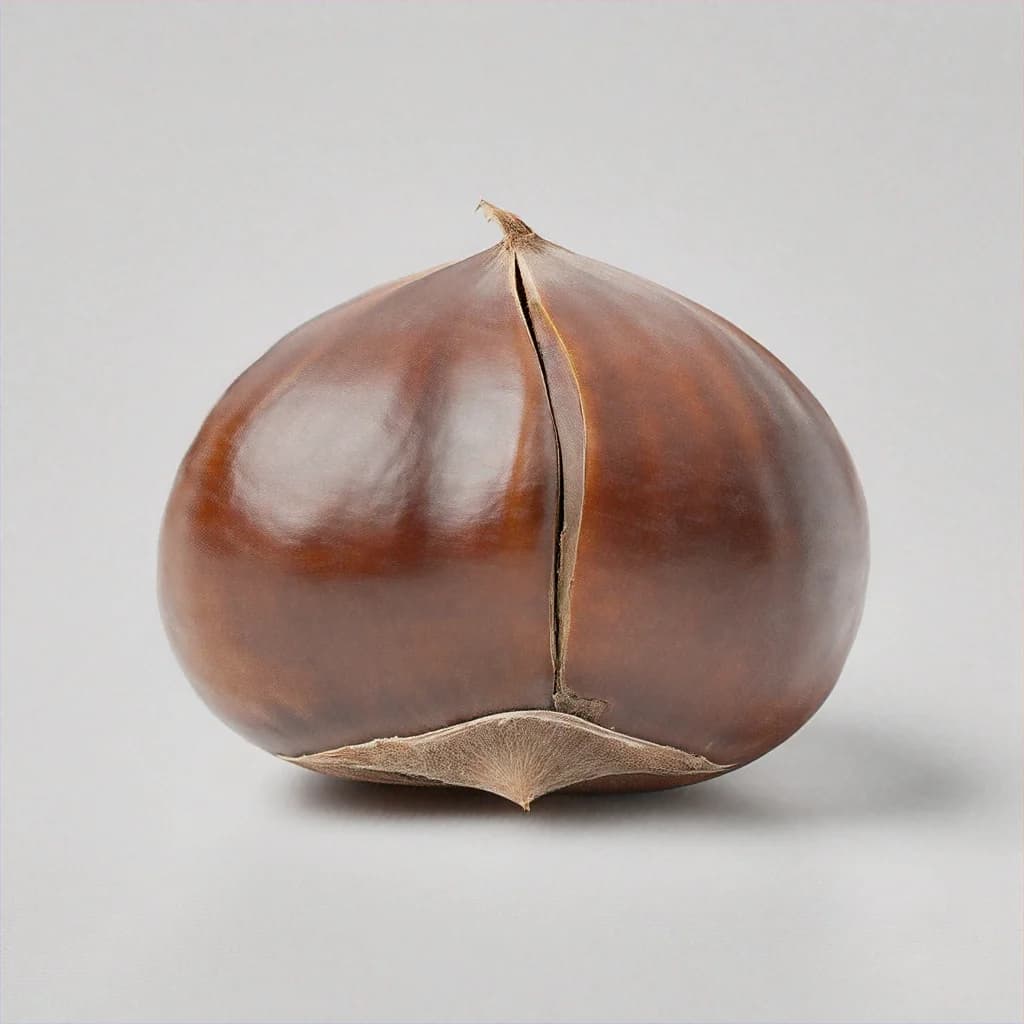
Inocarpus fagifer
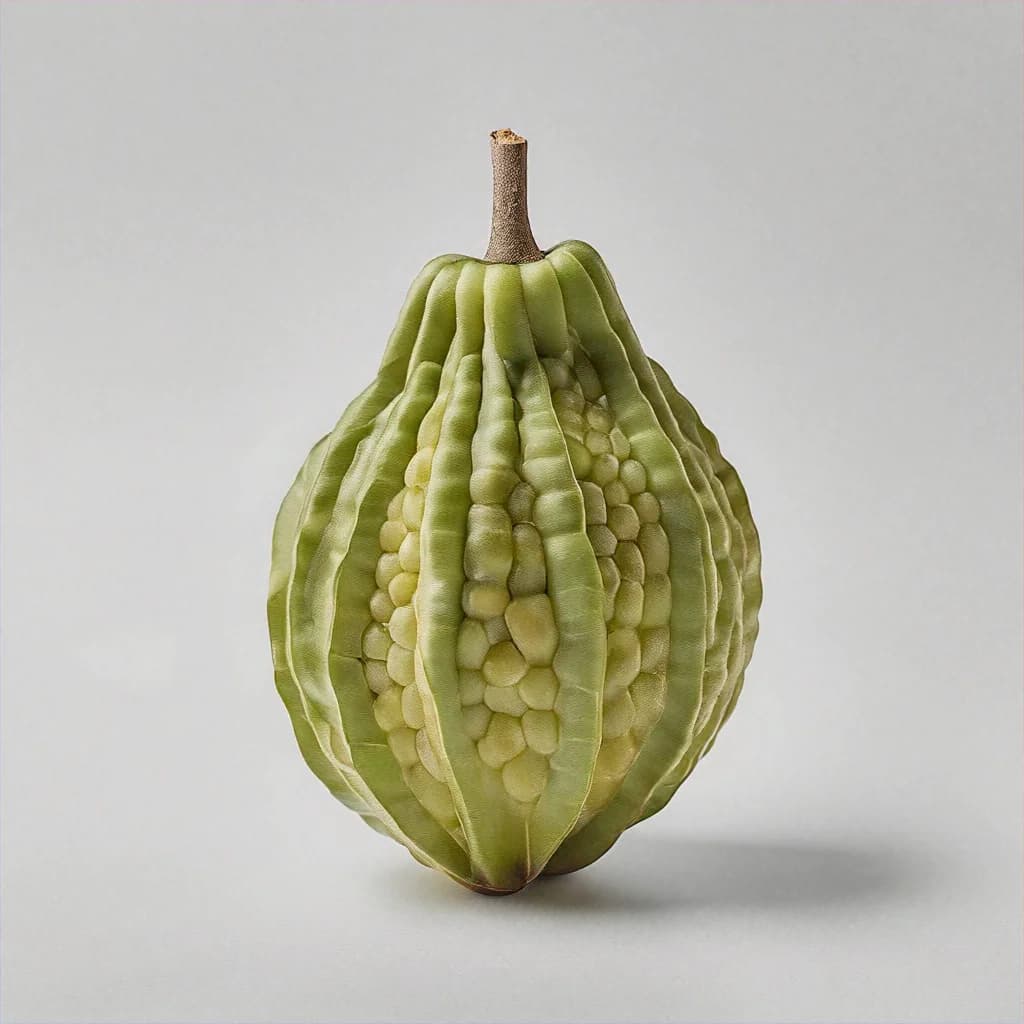
The Polynesian Chestnut, also known as Tahitian Chestnut or Malabar Chestnut, is a tropical fruit native to the South Pacific. It grows on a medium-sized evergreen tree and is deeply rooted in Polynesian culture and cuisine. The fruit itself is round to oval, with a tough, leathery rind that varies in color from green to brown as it ripens. Inside, the flesh is creamy white, starchy, and slightly sweet, with a texture reminiscent of a potato or chestnut. Rich in carbohydrates, fiber, and essential minerals, it is a staple food in many Pacific Island nations. Its versatility in both sweet and savory dishes makes it a beloved ingredient in traditional recipes.
Explore Polynesian Chestnut in stunning detail
Polynesian Chestnut - Main View
Per 100g
Per 100g
Nutrition breakdown for one serving
South Pacific Islands
The Polynesian Chestnut has been cultivated for centuries in the South Pacific, playing a crucial role in traditional diets and cultural practices. It was often used as a staple food during long voyages due to its durability and nutritional value.
Year-round in tropical regions
Each variety offers unique flavors, textures, and culinary applications
Keep your fruit fresh and delicious for longer
Look for firm, unblemished fruits with no cracks or soft spots.
Choose fruits that feel heavy for their size, indicating freshness.
Store in a cool, dry place for up to 2 weeks.
Refrigerate to extend shelf life up to 1 month.
Preserve freshness for months
Peel and slice before freezing for easier use.
Store in an airtight container to prevent freezer burn.
Label frozen items with the date to track freshness. Most fruits maintain quality for 2-3 months when properly frozen. For best results, use airtight containers or freezer bags to prevent freezer burn.
Discover delicious possibilities
No known allergies, but always introduce new foods gradually to monitor for reactions.
Generally low, as it is often grown organically in traditional settings.
Surprising trivia you'll love!
Polynesian Chestnuts were a staple food for early Pacific Island voyagers due to their long shelf life.
The tree's wood is also valued for construction and carving in Polynesian cultures.
It has a mildly sweet, starchy flavor similar to potatoes or chestnuts, with a creamy texture when cooked.
A ripe Polynesian Chestnut will have a firm texture and a brownish rind. Avoid fruits with soft spots or cracks.
Store in a cool, dry place for up to 2 weeks or refrigerate for up to 1 month.
Yes, they can be roasted in the oven or over an open flame for a delicious snack or side dish.
They are high in fiber and complex carbohydrates, which can help with satiety and weight management.
Yes, but in moderation, as they have a low glycemic index and can be a good source of energy.
Yes, they are a nutritious and safe food for children, but ensure they are fully cooked and soft to avoid choking hazards.
Sustainability insights
Polynesian Chestnuts are often grown sustainably in agroforestry systems, promoting biodiversity.
Low, as they are typically grown and consumed locally in the South Pacific.
Moderate, as the trees are drought-tolerant once established.
Prefer locally grown in the South Pacific for freshness and sustainability.
We aim to keep this Polynesian Chestnut profile accurate and easy to understand. Nutrition values and % Daily Value figures are based on established reference databases and standard daily value guidance.
Last updated: September 22, 2026
Medical disclaimer
This page is for general educational purposes and does not replace professional medical advice.
Found an issue? Contact us.