Loading Fruit Details...
Please wait while we fetch nutritional information and health benefits
Please wait while we fetch nutritional information and health benefits
Recommended Products
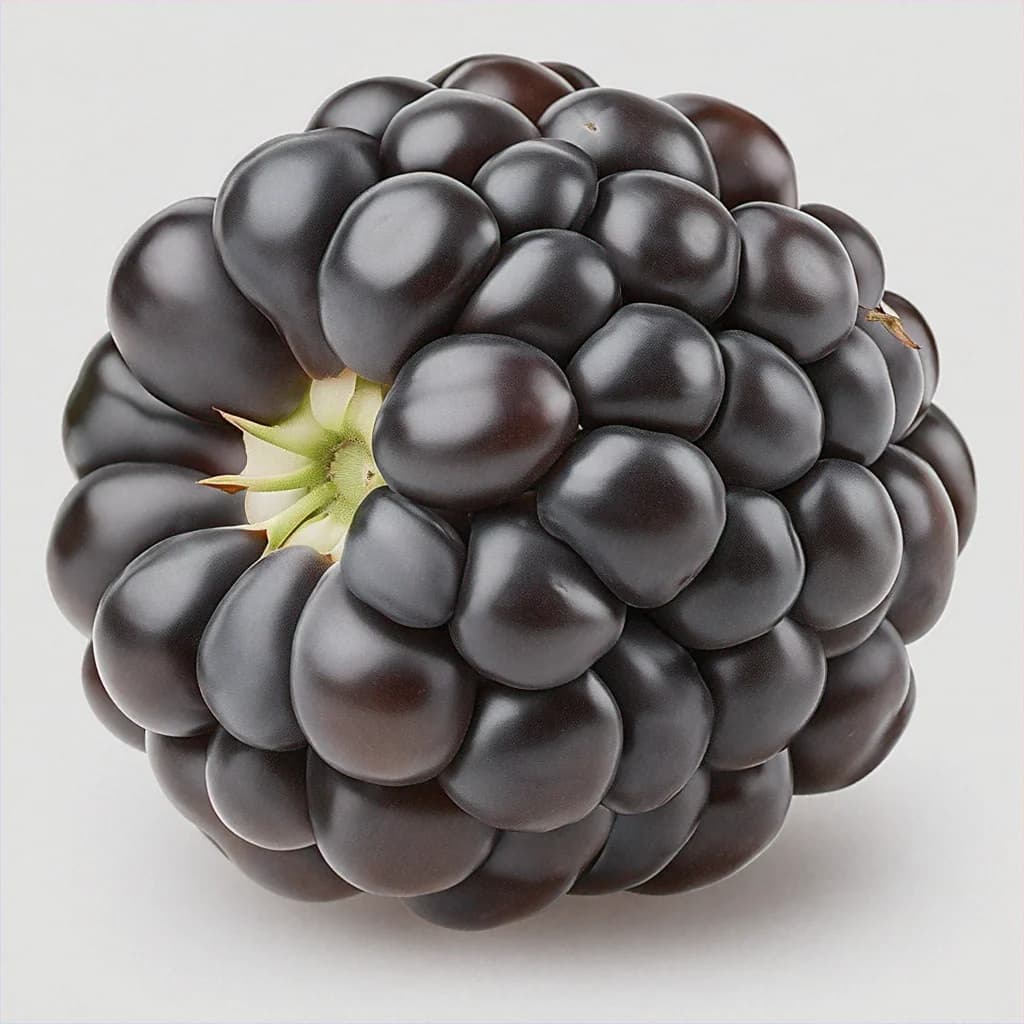
Adriana klaineana
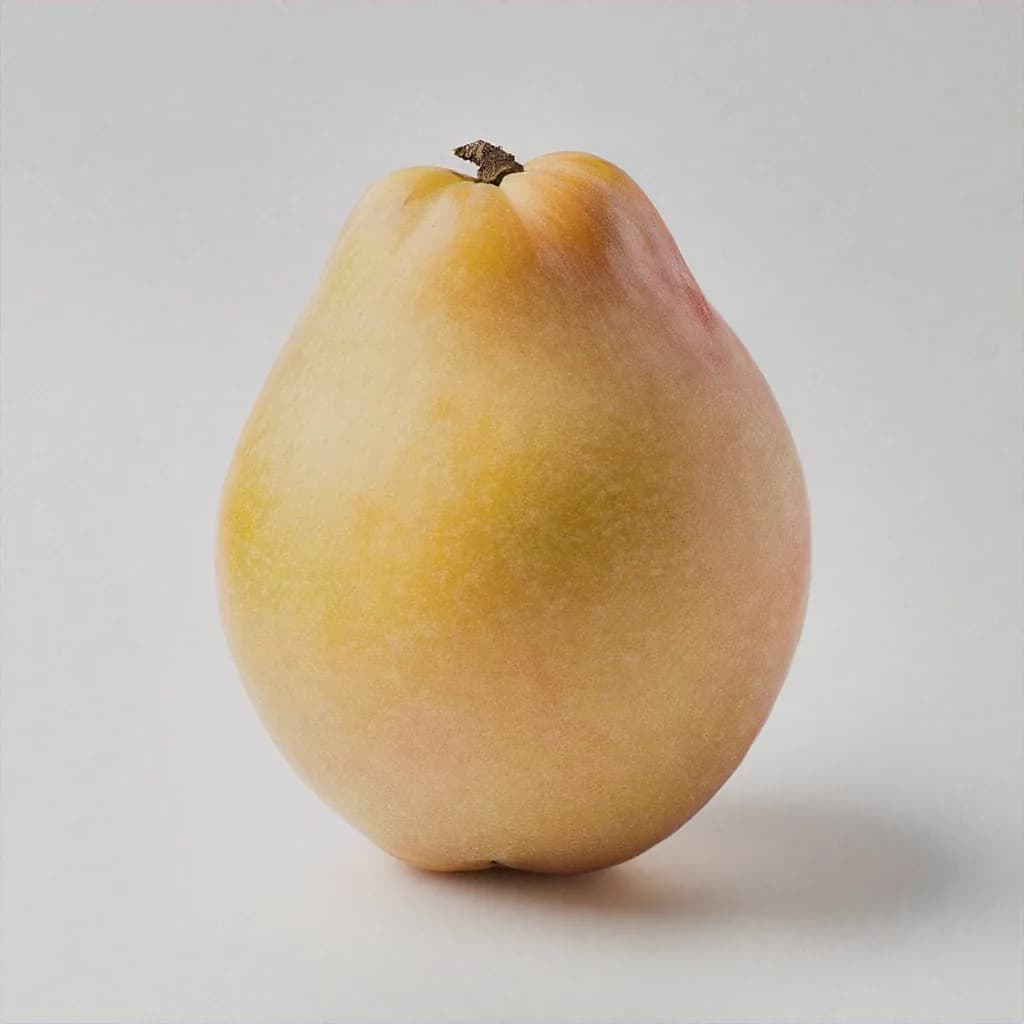
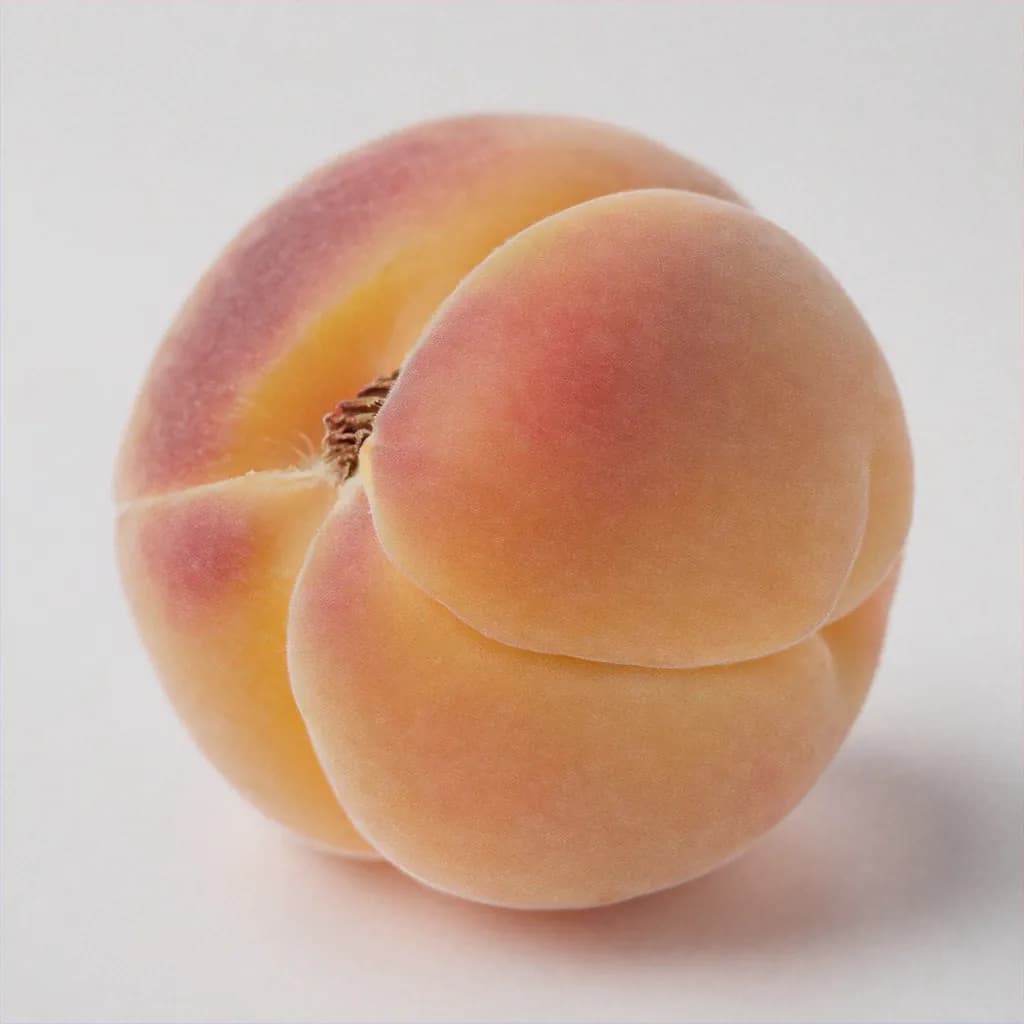
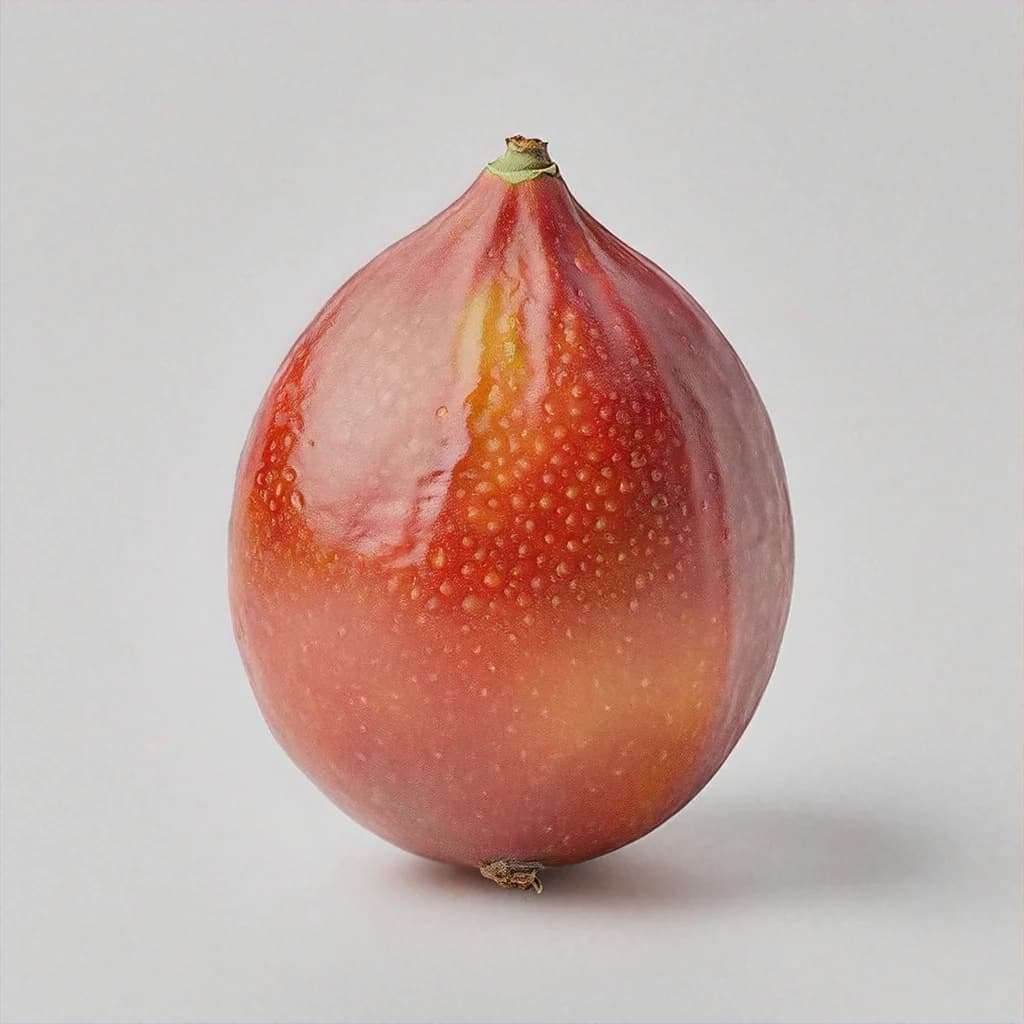
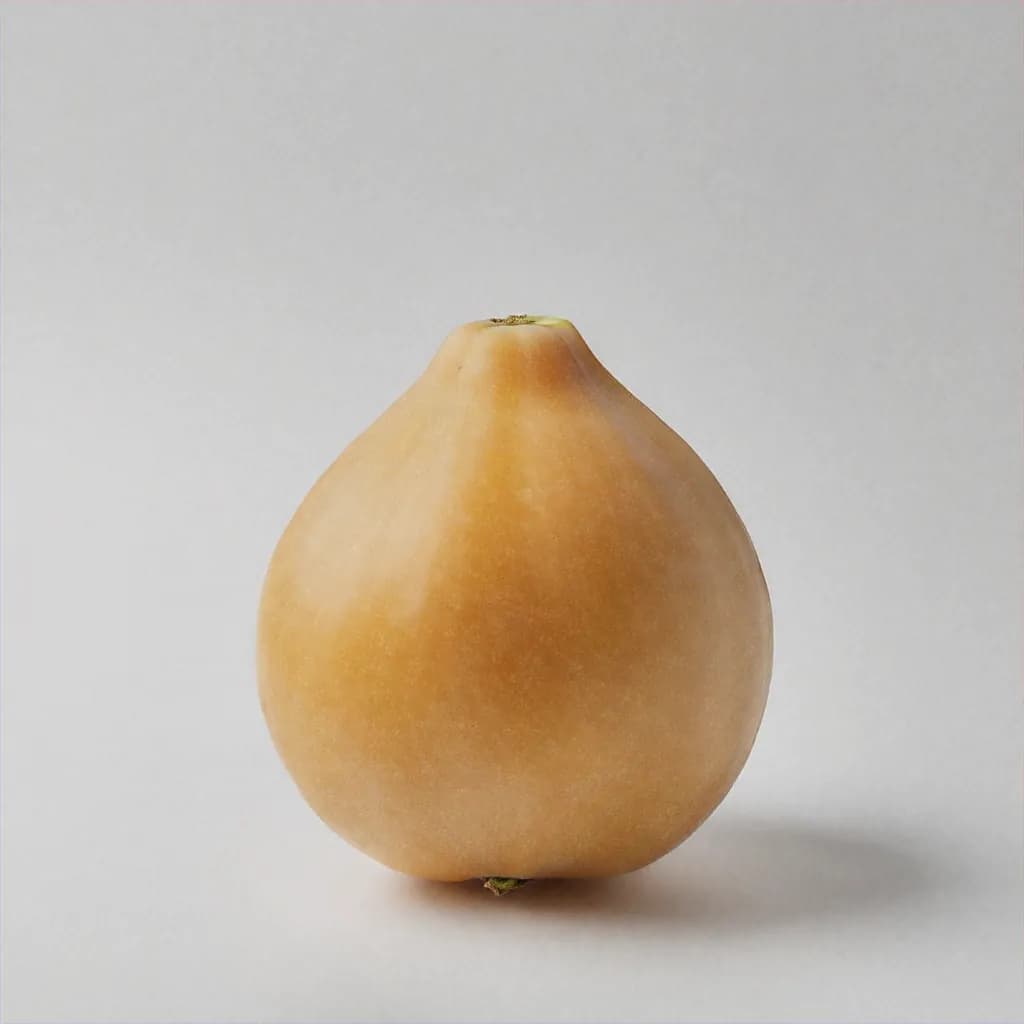
Bitter Bush, scientifically known as Adriana klaineana, is a unique and intriguing fruit native to the tropical regions of West Africa. This fruit has a distinct bittersweet flavor profile, often described as a blend of citrus and earthy undertones. Its thick, fibrous skin encases a juicy, pulpy flesh that is rich in vitamins, minerals, and antioxidants. Bitter Bush is not only valued for its culinary applications but also for its traditional medicinal uses, particularly in herbal remedies for digestive issues and inflammation. While it may not be as widely known as other tropical fruits, Bitter Bush is gaining attention in the global market for its potential health benefits and versatile culinary uses.
Explore Bitter Bush in stunning detail
Bitter Bush - Main View
Per 100g
Per 100g
Nutrition breakdown for one serving
West Africa
Bitter Bush has been used traditionally in West African cultures for centuries, both as a food source and in herbal medicine. Its cultivation has remained largely local, but recent interest in its nutritional and medicinal properties has sparked efforts to introduce it to global markets.
Year-round, with peak availability during the rainy season.
Each variety offers unique flavors, textures, and culinary applications
Keep your fruit fresh and delicious for longer
Look for firm, unblemished fruits with a vibrant yellow-green color.
Avoid fruits with soft spots or discoloration, as these may indicate overripeness or spoilage.
Store Bitter Bush in a cool, dry place away from direct sunlight.
Refrigerate ripe fruits to extend their shelf life.
Preserve freshness for months
Freeze the pulp in airtight containers for up to 3 months.
Freeze whole fruits by washing, drying, and storing in freezer-safe bags.
Label frozen items with the date to track freshness. Most fruits maintain quality for 2-3 months when properly frozen. For best results, use airtight containers or freezer bags to prevent freezer burn.
Discover delicious possibilities
There are no known allergies associated with Bitter Bush, but individuals with fruit allergies should exercise caution.
Bitter Bush is typically grown with minimal pesticide use, but it is advisable to wash the fruit thoroughly before consumption.
Surprising trivia you'll love!
Bitter Bush is often used in traditional West African ceremonies as a symbol of prosperity.
The fruit's bittersweet flavor is believed to represent the balance of life's joys and challenges.
Bitter Bush has a unique bittersweet flavor with citrus and earthy undertones. It is slightly tart and can be tempered with sweeteners in recipes.
Look for fruits with a vibrant yellow-green color and a firm texture. Avoid fruits with soft spots or discoloration.
Ripe Bitter Bush can be stored in the refrigerator for up to 10 days.
Yes, Bitter Bush pairs well with fish, poultry, and vegetable stir-fries, adding a unique tartness to savory dishes.
Bitter Bush has a moderate sugar content of 8.3 grams per 100 grams, making it a healthier option compared to other tropical fruits.
Yes, Bitter Bush is high in dietary fiber, which aids digestion and promotes gut health.
With a low glycemic index of 45, Bitter Bush is a good option for individuals monitoring their blood sugar levels.
Sustainability insights
Bitter Bush is a sustainable crop, as it requires minimal water and thrives in tropical climates with little need for pesticides.
Low, due to its local cultivation and minimal processing requirements.
Moderate, as it is a drought-resistant plant.
Bitter Bush is primarily grown and consumed locally in West Africa, but imported varieties are becoming more available in global markets.
We aim to keep this Bitter Bush profile accurate and easy to understand. Nutrition values and % Daily Value figures are based on established reference databases and standard daily value guidance.
Last updated: September 30, 2026
Medical disclaimer
This page is for general educational purposes and does not replace professional medical advice.
Found an issue? Contact us.