Loading Fruit Details...
Please wait while we fetch nutritional information and health benefits
Please wait while we fetch nutritional information and health benefits
Recommended Products
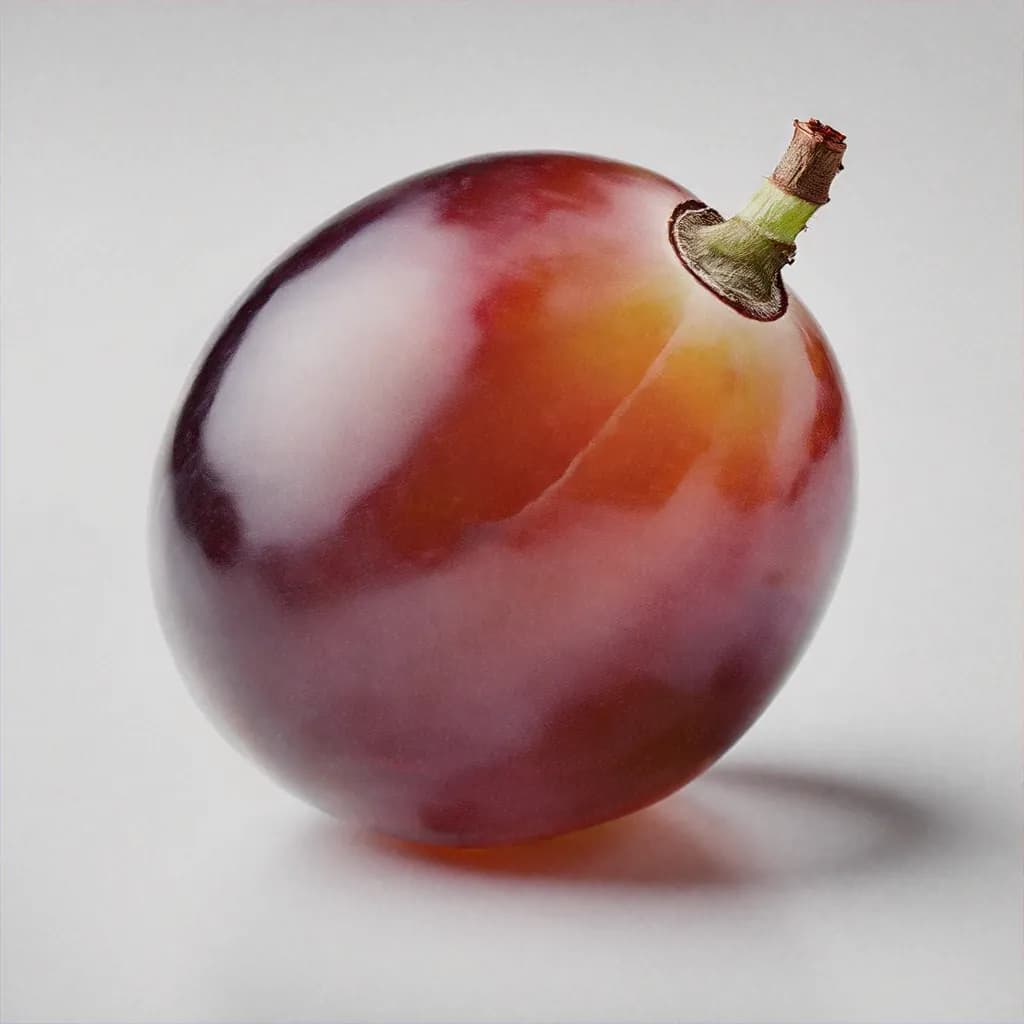
Vitis vinifera
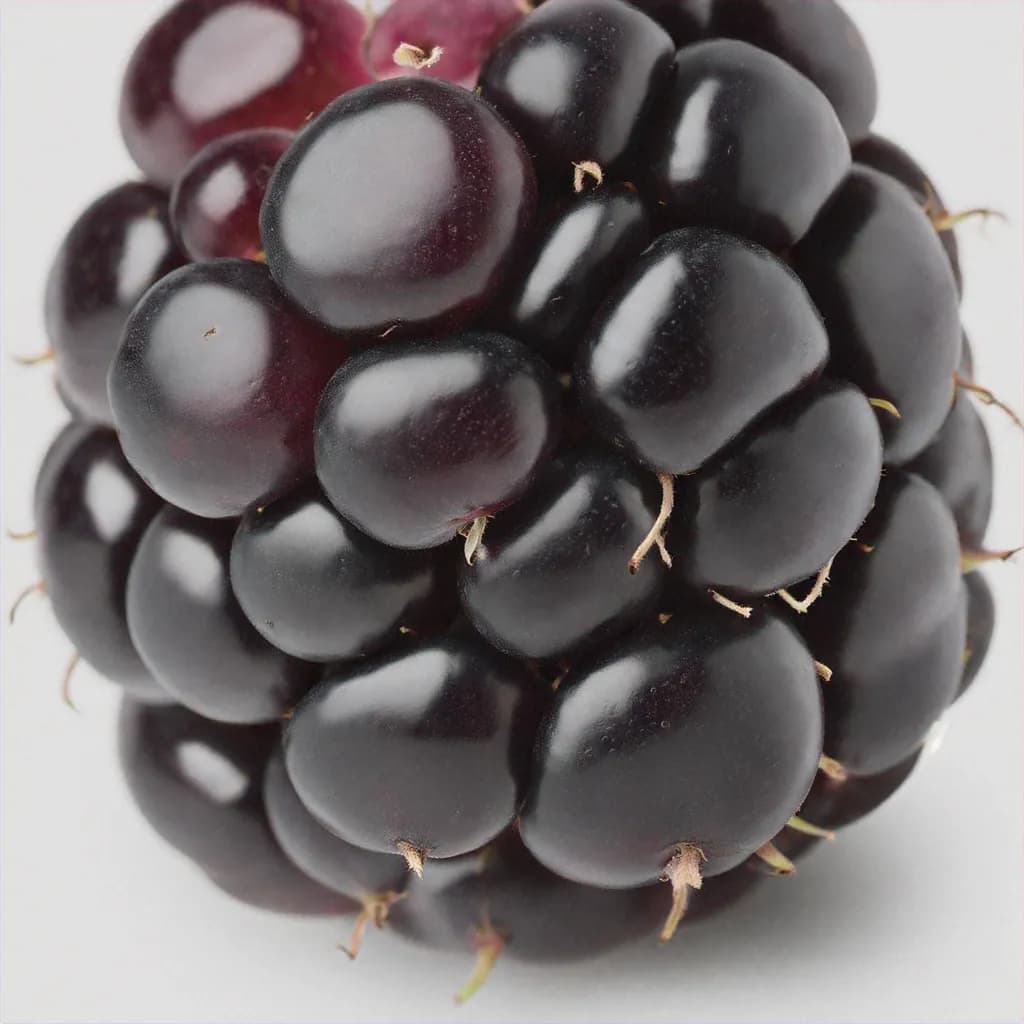
Grapes are small, sweet, juicy berries that grow in clusters on vines and come in various colors including green, red, purple, and black. Cultivated for thousands of years, grapes are enjoyed fresh as table grapes, dried as raisins, or fermented into wine and juice. Rich in powerful antioxidants like resveratrol, quercetin, and anthocyanins, grapes offer impressive cardiovascular and anti-aging benefits. With natural sugars for quick energy, vitamin C for immunity, and vitamin K for bone health, grapes are both delicious and nutritious. Available year-round from different global regions, grapes provide convenient, portable nutrition perfect for snacking, cooking, or entertaining.
Explore Grapes in stunning detail
Grapes - Main View
Per 100g
Per 100g
Nutrition breakdown for one serving
Middle East and Mediterranean region (modern-day Georgia, Armenia, Iran)
Grape cultivation dates back 6,000-8,000 years to the Caucasus region (modern Georgia and Armenia). Archaeological evidence shows wine production in Georgia around 6000 BCE. Ancient Egyptians documented grape growing and wine making in hieroglyphics and tomb paintings dating to 2400 BCE. Greeks and Romans spread viticulture throughout the Mediterranean, developing hundreds of varieties. The Bible references grapes and vineyards extensively. European colonizers introduced grapes to the Americas, South Africa, and Australia in the 16th-18th centuries. California's wine industry began with Spanish missionaries in the 1700s. Phylloxera devastation in the late 1800s nearly destroyed European vineyards until resistant American rootstock saved the industry. Modern table grape breeding focused on seedlessness, flavor, and shipping quality. Thompson Seedless, developed in California in 1876, became the world's most planted grape. Today, grapes are grown on every continent except Antarctica, with China leading production. The industry encompasses table grapes, wine grapes, raisins, and juice.
Year-round availability from different global regions
Each variety offers unique flavors, textures, and culinary applications
Keep your fruit fresh and delicious for longer
Select plump, firmly attached grapes without wrinkles or soft spots
Grapes should be firmly attached to green, flexible stems (not brown or brittle)
Look for uniform color appropriate to variety - deeper colors indicate ripeness
Check for powdery white bloom (natural coating) which indicates freshness
Avoid grapes with brown spots, mold, or shriveling
Clusters should feel heavy for their size indicating juiciness
Give clusters a gentle shake - grapes should stay firmly attached
Smell should be fresh and slightly sweet without fermentation odor
Green grapes should have yellowish hue when ripe, not pure green
Red/purple grapes should be deeply colored without green areas
Store unwashed grapes in original bag or perforated plastic bag in refrigerator
Keep in coldest part of refrigerator (30-32°F / -1-0°C) for best preservation
Do NOT wash until ready to eat - moisture promotes mold growth
Store grapes away from strong-smelling foods as they absorb odors
Keep grapes in perforated bags or containers for air circulation
Remove any damaged or moldy grapes immediately to prevent spread
Grapes are ethylene-sensitive - store away from ethylene-producing fruits
Once washed, dry thoroughly and consume within 1-2 days
For best flavor, remove from refrigerator 30 minutes before serving
Preserve freshness for months
Wash and dry grapes thoroughly before freezing
Remove grapes from stems and spread in single layer on baking sheet
Flash freeze for 2-3 hours until solid
Transfer frozen grapes to freezer-safe bags or containers, removing excess air
Frozen grapes maintain quality for 10-12 months
Frozen grapes make excellent ice cube replacements in beverages
Eat frozen grapes directly as refreshing snack (especially in summer)
Thawed grapes become soft - best used in smoothies, cooking, or wine making
Label with freezing date for freshness tracking
Label frozen items with the date to track freshness. Most fruits maintain quality for 2-3 months when properly frozen. For best results, use airtight containers or freezer bags to prevent freezer burn.
Discover delicious possibilities
Grape allergies are uncommon but possible. Allergic reactions range from mild oral allergy syndrome (mouth/throat itching) to more severe responses including hives, digestive upset, or rarely, anaphylaxis. People with birch pollen allergies may experience cross-reactivity with grapes. Some individuals react to specific grape proteins (lipid transfer proteins) that survive digestion and can cause systemic reactions. Red wine allergies may involve histamines, sulfites, or other compounds beyond grapes themselves. Grape allergies can develop at any age. Those with known fruit allergies should introduce grapes cautiously. Some people react to pesticides on grapes rather than grapes themselves - organic varieties may be tolerated. Raisin allergies and fresh grape allergies may differ. Consult allergists for proper testing and diagnosis.
Conventionally grown grapes consistently rank on the Environmental Working Group's 'Dirty Dozen' list of produce with highest pesticide residues. Grape cultivation uses various pesticides for fungal diseases, insects, and mold prevention due to clusters' vulnerability. Imported grapes may have different pesticide regulations than domestic. The thin skins and clustered growth make pesticide penetration easier. Washing thoroughly under running water for 30-60 seconds removes surface residues but not absorbed pesticides. Soaking in water with vinegar or baking soda may improve removal. Organic grapes avoid synthetic pesticides and are widely available fresh, frozen, and as raisins. For frequent grape consumers, especially children and pregnant women, organic grapes significantly reduce pesticide exposure. Domestic grapes during peak season may have lower residues than off-season imports.
Surprising trivia you'll love!
Over 72 million tons of grapes are grown annually worldwide, with about 71% used for wine production
A single grapevine can produce up to 40 clusters of grapes and live for over 100 years
The world's oldest known grapevine is over 400 years old in Maribor, Slovenia, still producing grapes
Ancient Egyptians placed grapes in tombs to nourish the deceased in the afterlife
It takes approximately 2.5 pounds of grapes to produce one bottle of wine
The 'bloom' (white powdery coating) on grapes is natural yeast and protects against moisture loss
Grapes are the world's largest fruit crop by acreage - vineyards cover 18 million acres globally
Cotton Candy grapes taste exactly like cotton candy due to natural breeding, not genetic modification
California produces 99% of commercially grown table grapes in the United States
Raisins are simply dried grapes - it takes about 4 pounds of fresh grapes to make 1 pound of raisins
Yes, red and purple grapes generally offer more health benefits than green grapes due to higher antioxidant content. The dark pigmentation comes from anthocyanins - powerful antioxidants with cardiovascular and anti-inflammatory benefits. Red/purple grape skins contain significantly more resveratrol, the famous anti-aging compound linked to longevity and heart health. Studies show red grape polyphenols provide superior protection against oxidative stress and inflammation. However, green grapes still offer excellent nutrition including vitamin K, copper, and hydration. Both colors provide natural sugars for energy, fiber, and various phytonutrients. Nutritional differences are moderate - the best choice is whichever you enjoy eating regularly. For maximum antioxidant benefits, choose deeply colored red or purple varieties and eat the skins. Variety in your diet is beneficial, so enjoy both colors.
Absolutely yes! Grape skins contain the highest concentrations of beneficial compounds including resveratrol, quercetin, anthocyanins (in red/purple grapes), and fiber. Most antioxidant power resides in the skin rather than the flesh. Resveratrol, famous for anti-aging and heart health benefits, is concentrated in skins (especially red/purple varieties). The skin provides dietary fiber lacking in the pulp alone. Eating whole grapes with skins maximizes nutritional benefits. Some people dislike the texture or tannins in skins - organic grapes minimize pesticide concerns. Conventionally grown grapes can have pesticide residues on skins, so wash thoroughly under running water for 30-60 seconds. Seeded grape varieties may have tougher skins than modern seedless types. For maximum health benefits, always eat grape skins unless digestive sensitivity prevents it.
Grapes contain natural sugars but in moderate amounts compared to their health benefits. One cup of grapes has approximately 23g natural sugars (glucose and fructose), which is higher than berries but lower than tropical fruits like mangoes. The glycemic index (53) is moderate, and glycemic load (9) is relatively low due to portion size. Grapes provide quick energy from readily available sugars - beneficial for athletes or active individuals. The natural sugars come packaged with fiber, water, antioxidants, and phytonutrients that slow absorption and provide health benefits. For diabetics or those monitoring sugar intake, portion control is important - stick to 1/2 to 1 cup servings. Grapes are healthier than processed sweets or added sugars. The resveratrol and polyphenols may actually improve insulin sensitivity. Frozen grapes make a naturally sweet, satisfying treat that takes longer to eat than other desserts.
Table grapes and wine grapes are distinct varieties bred for different purposes. Table grapes are bred for fresh eating - they're larger, sweeter, seedless, with thin skins and crisp, juicy flesh. Varieties like Thompson Seedless and Red Globe prioritize appearance, size, and shipping durability. Wine grapes are smaller, more intensely flavored, often seeded, with thicker skins and higher sugar-to-acid ratios. Wine varieties like Cabernet Sauvignon, Chardonnay, and Pinot Noir have concentrated flavors, tannins, and complex chemistry ideal for fermentation. Wine grapes contain higher concentrations of polyphenols, tannins, and acids. Table grapes would produce thin, bland wine. Wine grapes are less pleasant fresh due to intense flavor, seeds, and thick skins. Concord grapes bridge categories - used for juice and jelly but also eaten fresh.
Yes, grape seeds are safe and nutritious to eat! They contain powerful antioxidants called proanthocyanidins (also in grape seed extract supplements), vitamin E, and beneficial compounds. Chewing grape seeds releases these nutrients - they have slightly bitter, astringent taste. Potential benefits include cardiovascular health, improved circulation, and antioxidant protection. However, many people find seeds unpleasant and prefer seedless varieties. Swallowing whole seeds without chewing provides minimal benefit as they pass through undigested. Seeds are quite hard and can be unpleasant texturally. Children and elderly may find seeds challenging. The modern preference for seedless grapes is purely convenience - seeded grapes aren't harmful. If you enjoy seeded varieties (like Concord), eating seeds adds nutritional value. Alternatively, spit seeds out while eating. Grape seed extract supplements offer concentrated benefits without texture concerns.
Proper washing removes dirt, bacteria, and pesticide residues. Best method: Place grapes (still on stems) in a colander, rinse under cold running water for 30-60 seconds while gently rubbing with fingers, rotating the cluster to reach all berries. For thorough cleaning, fill a bowl with water and 1 tablespoon white vinegar or baking soda, soak grapes for 5-10 minutes, rinse thoroughly under running water to remove vinegar/baking soda taste. Gently pat dry with clean towel or let air dry in colander. Remove grapes from stems only after washing (stems help prevent moisture entering stem end). Wash immediately before eating, not before storage (moisture promotes mold). Some sources recommend commercial produce washes, but water is generally sufficient. The white powdery coating (bloom) is natural and safe but washing removes it. Organic grapes still need washing to remove dirt and potential contamination.
Grapes can support weight loss when consumed in moderation as part of a balanced diet. Benefits include high water content (80%) providing satiety with relatively few calories, natural sweetness satisfying sugar cravings without processed desserts, and portability making them convenient healthy snacks. One cup contains only 104 calories - reasonable for a filling snack. The fiber (1.4g per cup) aids digestion and promotes fullness. Polyphenols may support metabolic health. Frozen grapes take longer to eat than room temperature, increasing satisfaction. However, grapes are higher in sugar and calories than berries - portion control is essential. It's easy to overconsume due to small size and sweetness. A cup or less daily fits most weight loss plans. They're far better than candy, cookies, or processed snacks. Use grapes as dessert replacement, not unlimited snack. Pair with protein (cheese, nuts) for better satiety and blood sugar control.
NO - grapes and raisins are TOXIC to dogs and can cause acute kidney failure, even in small amounts. The toxic compound remains unidentified, and sensitivity varies between individual dogs - some dogs experience severe reactions to just a few grapes while others tolerate larger amounts (though this is dangerous to test). Symptoms include vomiting, diarrhea, lethargy, loss of appetite, abdominal pain, decreased urination, and kidney failure within 24-72 hours. There is no known safe dose - even organic or seedless grapes are dangerous. Raisins are concentrated and equally toxic. If a dog consumes grapes or raisins, seek immediate veterinary care - treatment involves inducing vomiting, activated charcoal, IV fluids, and kidney function monitoring. Prevention is critical - keep grapes away from dogs, educate family members, and choose dog-safe fruits like apples, bananas, or blueberries instead. Never give dogs grape juice, trail mix containing raisins, or baked goods with raisins.
Sustainability insights
Grape cultivation has significant environmental considerations. Vineyards are perennial crops lasting 25-100+ years, reducing replanting impacts. However, conventional grape farming is pesticide-intensive due to fungal diseases (powdery mildew, downy mildew) and pest pressures, raising chemical runoff and biodiversity concerns. Water usage is substantial, particularly in arid wine regions like California. Positive developments include increasing organic and biodynamic viticulture using sustainable pest management, cover crops to prevent erosion and improve soil health, and precision irrigation reducing water waste. Many wine regions pursue sustainable certifications. Vineyard biodiversity programs support beneficial insects, birds, and native plants. Carbon sequestration in vineyard soils offers climate benefits. Supporting organic, sustainably certified, or biodynamic grape producers promotes environmental responsibility.
Local grapes during peak season (summer-fall in respective hemispheres) have minimal carbon footprint with short transportation distances. California grapes for North American markets, Chilean grapes for off-season markets, and European production for European consumption involve moderate impacts. Air-freighted grapes from distant origins significantly increase emissions. Refrigerated storage and transport add energy use. Wine production involves fermentation, bottling, and glass manufacturing (heavy, energy-intensive). Raisin production requires energy for dehydration. Choosing seasonal domestic grapes minimizes environmental impact. During off-season, frozen domestic grapes may have lower overall footprint than fresh imports despite freezing energy. Wine's carbon footprint varies widely by production method, packaging (glass bottles vs. bag-in-box), and transportation. Local, organic grape products offer lowest carbon footprint.
Grape cultivation requires significant water, especially in arid regions like California, Chile, and Mediterranean areas. Vineyards need approximately 15-30 inches (380-760mm) water annually depending on climate, variety, and rootstock. Water footprint is approximately 600-900 liters per kilogram of fresh table grapes - higher than many fruits but lower than some tree nuts. Wine production adds water for cleaning, processing, and bottling. Water-efficient drip irrigation systems are standard in modern vineyards, dramatically reducing waste compared to flood irrigation. Deficit irrigation techniques stress vines slightly to improve grape quality while conserving water. Drought-tolerant rootstocks reduce water needs. Regions with adequate rainfall (parts of Europe) require minimal supplemental irrigation. Sustainable vineyards implement rainwater harvesting, soil moisture monitoring, and cover crops to improve water retention.
Buying local grapes during regional peak seasons maximizes sustainability and flavor. California produces grapes May-January (multiple varieties and regions provide extended season), Chile supplies February-May for Northern Hemisphere markets, and various global regions enable year-round availability. Purchasing from regional sources during peak harvest reduces transportation emissions significantly. Farmers markets offer freshest local grapes with minimal carbon footprint. During off-season, consider domestic frozen grapes over fresh imports - freezing uses energy but reduces spoilage and constant refrigerated transport. Organic grapes from local sources provide environmental and health benefits. Supporting sustainable vineyards and table grape farms preserves agricultural land and rural economies. Wine from local or regional producers minimizes transportation impacts. Check grape origin labels and choose closest sources when possible.
We aim to keep this Grapes profile accurate and easy to understand. Nutrition values and % Daily Value figures are based on established reference databases and standard daily value guidance.
Last updated: September 7, 2026
Medical disclaimer
This page is for general educational purposes and does not replace professional medical advice.
Found an issue? Contact us.