Loading Fruit Details...
Please wait while we fetch nutritional information and health benefits
Please wait while we fetch nutritional information and health benefits
Recommended Products
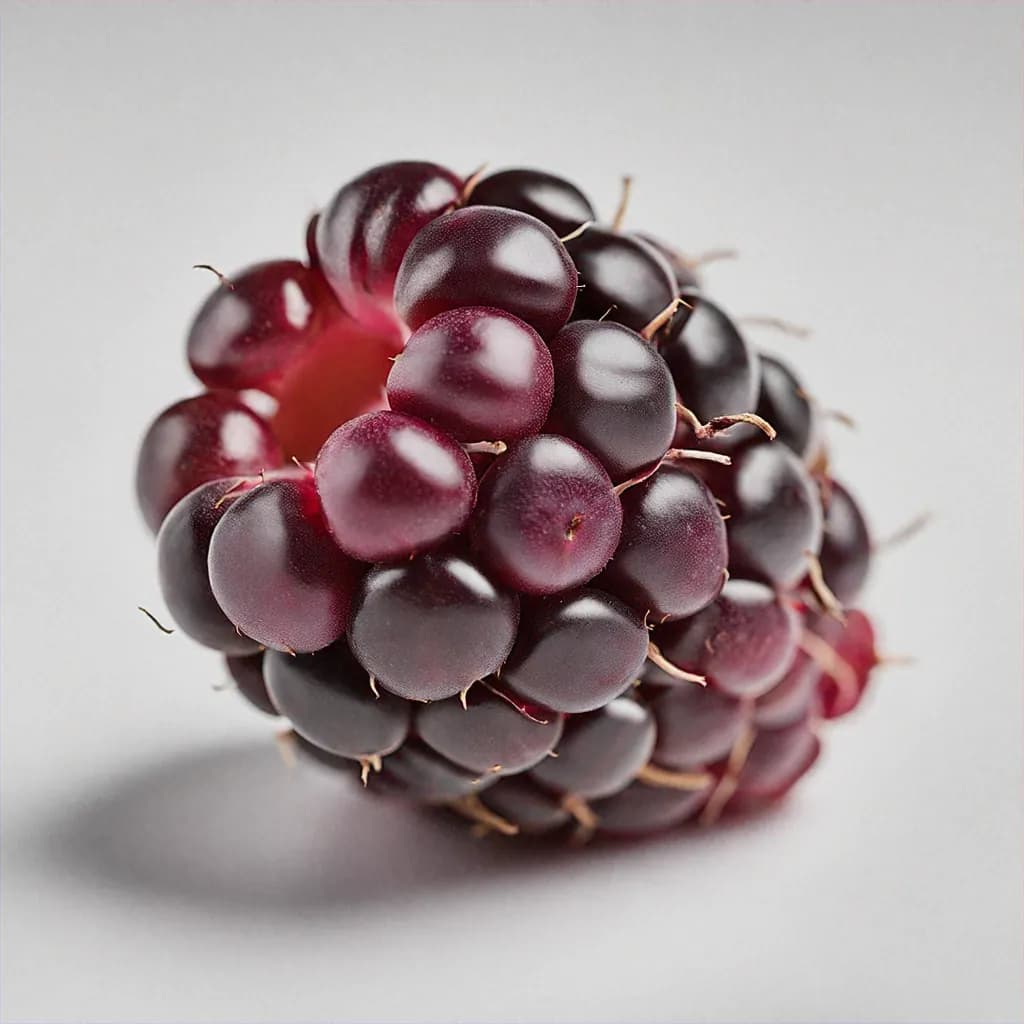
Rubus fruticosus × Rubus idaeus
Tayberry is a distinctive Scottish hybrid berry combining the best characteristics of blackberries and raspberries. This premium superfruit delivers excellent vitamin C (30% DV per 100g), exceptional antioxidants, and distinctive tart-sweet flavor. At 63 calories per 100g with powerful polyphenols and anthocyanins, tayberry is prized in contemporary cuisines, traditional Scottish preparations, and comprehensive wellness practices. Perfect for fresh eating, premium jams, sophisticated beverages, and antioxidant-rich culinary creations.
Explore Tayberry in stunning detail
Tayberry - Main View
Per 100g
Per 100g
Nutrition breakdown for one serving
Scotland
Tayberry was developed in Scotland in 1962 at the Scottish Crop Research Institute by Dr. Derek Jennings as a hybrid cross between blackberry and raspberry. Named after the River Tay in Scotland, tayberry represents modern berry breeding success combining superior flavor, appearance, and nutritional properties. The fruit has become increasingly popular in premium culinary applications, Scottish food traditions, and contemporary specialty agriculture, valued for its distinctive character and exceptional quality.
Peak season July-August
Each variety offers unique flavors, textures, and culinary applications
Keep your fruit fresh and delicious for longer
Select tayberries with deep purple to burgundy color indicating full ripeness and maturity
Choose berries that are plump and firm with no soft spots or bruising
Look for consistent color without any red or green patches indicating immaturity
Ripe tayberries should emit distinctive sweet, complex fragrance
Inspect berries for mold or deterioration signs
Fresh tayberries should feel dry to the touch without excess moisture
Store fresh tayberries in refrigerator in shallow container lined with paper towels
Keep in coolest section of refrigerator for up to 5 days maximum
Do not wash berries until ready to consume to prevent moisture damage
Store in single layer to prevent crushing and bruising
Frozen tayberries maintain nutritional integrity for 8-12 months
Preserve as jam for year-round availability and extended shelf life
Preserve freshness for months
Gently wash and thoroughly dry tayberries before freezing
Freeze whole berries on parchment-lined trays for 2-3 hours
Transfer frozen berries to freezer bags for convenient storage
Alternatively, blend into puree for frozen smoothie packs
Frozen tayberries maintain exceptional antioxidant potency for 8-12 months
Thaw in refrigerator before use in fresh applications
Label frozen items with the date to track freshness. Most fruits maintain quality for 2-3 months when properly frozen. For best results, use airtight containers or freezer bags to prevent freezer burn.
Discover delicious possibilities
Tayberry allergies are rare. Some individuals may have sensitivity to berries or Rubus family fruits.
Purchase tayberries from reputable Scottish and European producers specializing in berry cultivation. Most tayberry cultivation uses integrated pest management. Choose certified, organically grown sources when available from trusted suppliers.
Surprising trivia you'll love!
Tayberry was developed in Scotland in 1962 as a hybrid cross between blackberry and raspberry at the Scottish Crop Research Institute
The fruit is named after Scotland's River Tay, reflecting its Scottish heritage and cultural significance
Tayberry combines the blackberry's size and appearance with the raspberry's flavor complexity and aromatic qualities
The hybrid berries were created by Dr. Derek Jennings, representing significant modern berry breeding achievement
Tayberries produce smaller yields than conventional berries, making them a premium specialty fruit
The distinctive tart-sweet flavor makes tayberries highly valued by professional chefs and pastry specialists
Tayberry jam became increasingly popular in Scotland and Europe as specialty food applications developed
The berries are less commonly known than their parent fruits but are increasingly recognized as a premium superfruit
Scottish traditional cuisine increasingly incorporates tayberries in contemporary fine dining applications
Modern research validates tayberry's superior antioxidant properties and exceptional nutritional density
Tayberry (Rubus fruticosus × Rubus idaeus) is a distinctive hybrid berry developed in Scotland in 1962 by crossing blackberries and raspberries. Named after Scotland's River Tay, tayberry combines the best characteristics of both parent berries with exceptional vitamin C (30% DV per 100g), comprehensive polyphenols, and distinctive tart-sweet flavor.
Tayberry delivers excellent vitamin C (30% DV per 100g) for immune support, exceptional vitamin K (25% DV) for bone health, outstanding manganese (30% DV) for metabolism, copper (10% DV), vitamin E (8% DV), and comprehensive anthocyanins. At 63 calories per 100g with low glycemic index (35), tayberry provides exceptional nutritional benefits in every serving.
Tayberry combines blackberry and raspberry characteristics with distinctive tart-sweet flavor and complex taste profile. It offers deeper flavor intensity than raspberries, superior sweetness balance compared to blackberries, and refined complexity unique to the hybrid. The taste is described as distinctively sophisticated with elegant flavor development.
Yes, tayberry is excellent for immune support with excellent vitamin C (30% DV per 100g), comprehensive polyphenol content, anthocyanins, vitamin E (8% DV), and copper (10% DV). The exceptional antioxidant profile makes tayberry highly effective for robust immune wellness and cellular protection.
Tayberry has a very low glycemic index of 35 and glycemic load of 5 per 100g serving. Combined with good fiber content (7% DV), this makes tayberry excellent for blood sugar management, sustained energy, and comprehensive metabolic wellness.
Tayberry is called the Scottish berry because it was developed in Scotland in 1962 at the Scottish Crop Research Institute. It is named after the River Tay, reflecting its Scottish origin and heritage. The fruit represents modern Scottish agricultural innovation and continues to be deeply valued in Scottish food traditions.
Fresh tayberries are available at specialty produce markets, farmers markets, Scottish food retailers, and specialty berry suppliers, particularly during peak season (July-August). Year-round options include frozen tayberries, tayberry jam, tayberry cordial, and premium tayberry products from specialty retailers and Scottish online vendors.
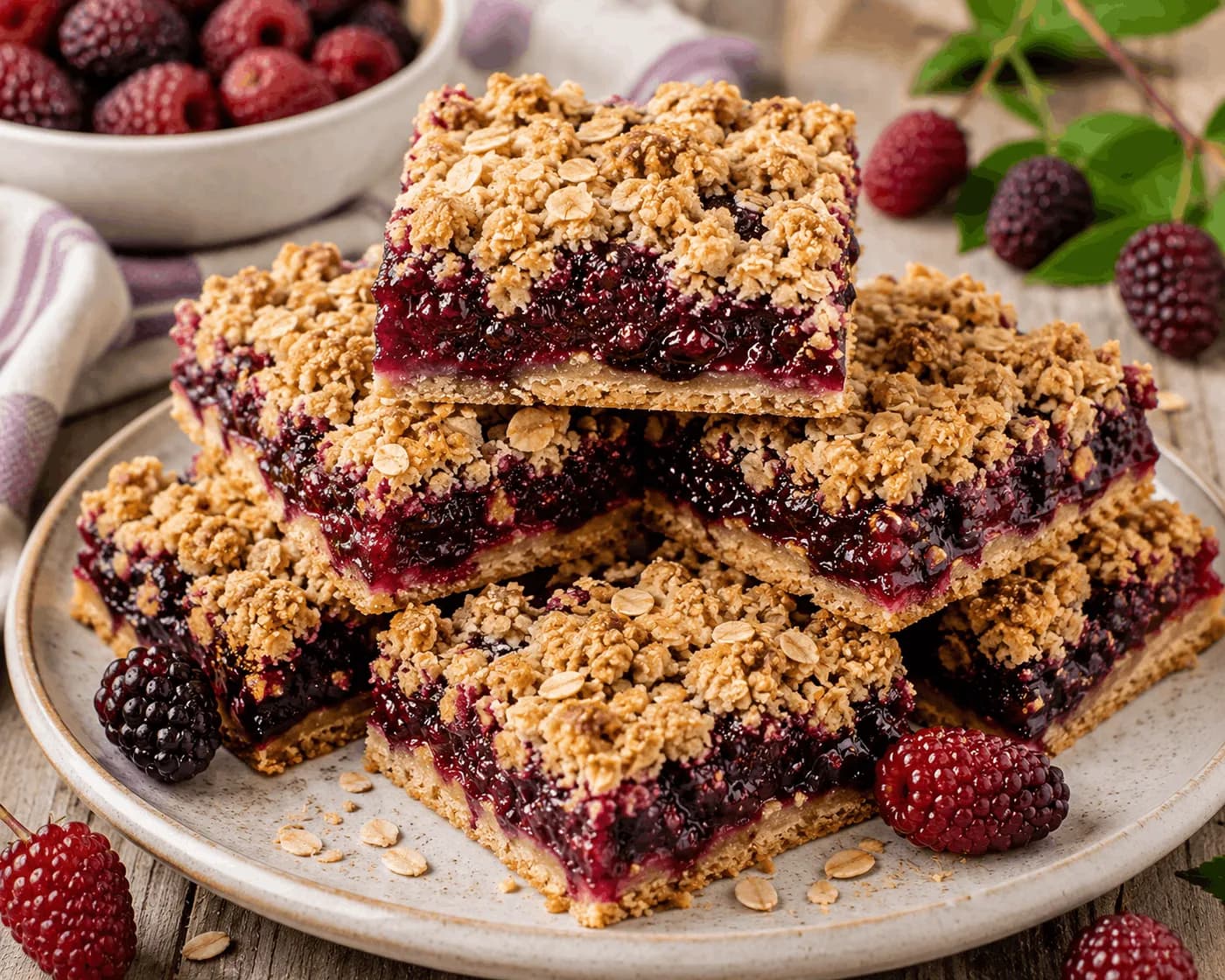
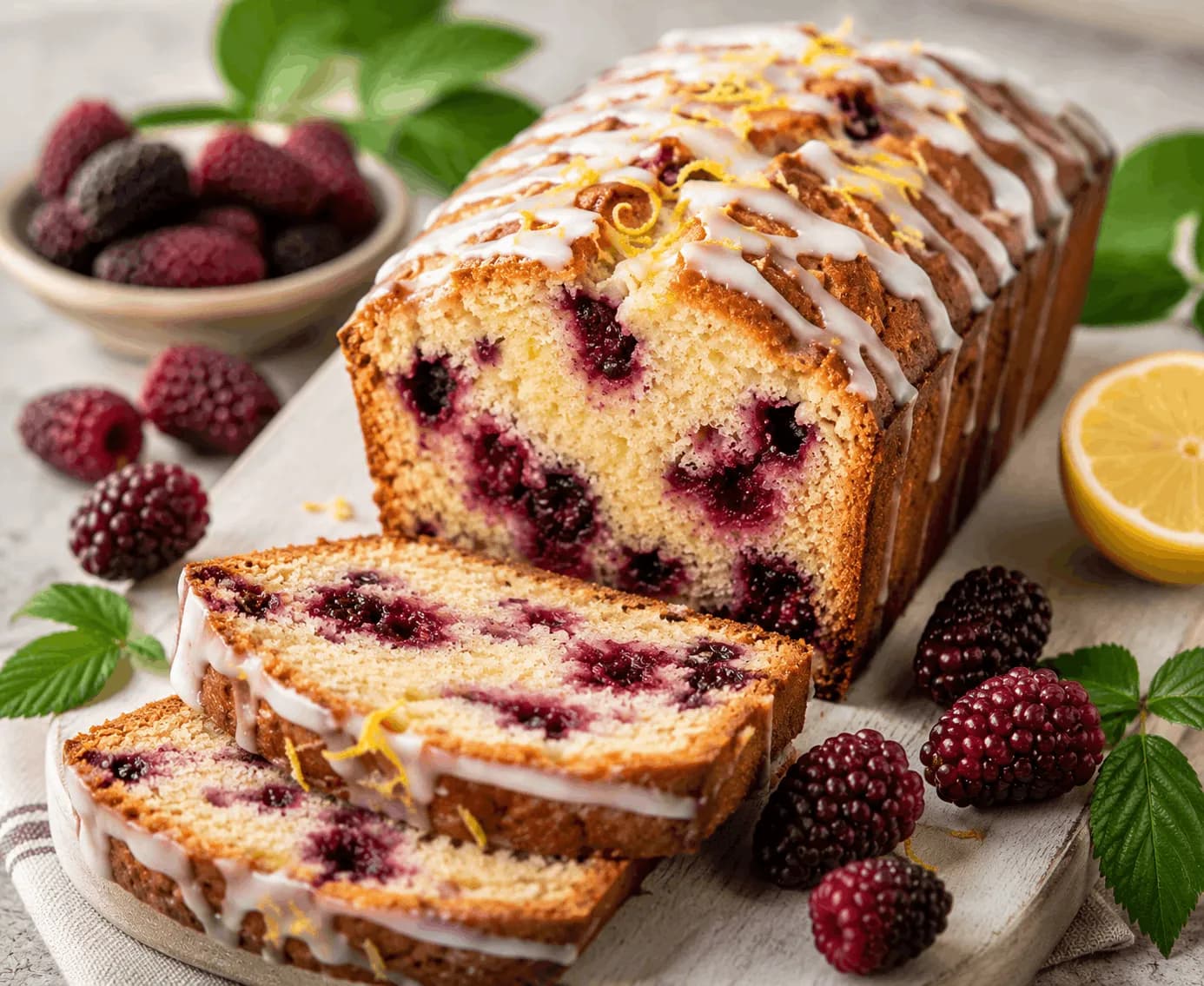
Eat fresh tayberries raw straight from the container or in fruit salads. Blend into smoothies for exceptional antioxidant beverages. Use in premium jam production for sophisticated preserves. Pair with cream and honey for elegant desserts. Create distinctive cordials and beverages highlighting the tart-sweet complexity.
Sustainability insights
Tayberry cultivation supports Scottish agricultural traditions and European specialty agriculture. Support sustainably grown tayberries from certified sources honoring traditional growing practices and regional food security.
Local Scottish and European tayberries have lower carbon footprint than imported options. Choose fresh local berries during peak season (July-August) or processed products to minimize transportation impact.
Tayberry cultivation in temperate Scotland utilizes natural rainfall patterns. Support rain-fed cultivation to minimize water impact in sustainable practices.
Purchase from local Scottish and European producers to support traditional berry agriculture, maintain cultural food practices, preserve agricultural knowledge, and minimize global carbon footprint.
We aim to keep this Tayberry profile accurate and easy to understand. Nutrition values and % Daily Value figures are based on established reference databases and standard daily value guidance.
Last updated: September 20, 2026
Medical disclaimer
This page is for general educational purposes and does not replace professional medical advice.
Found an issue? Contact us.