Loading Fruit Details...
Please wait while we fetch nutritional information and health benefits
Please wait while we fetch nutritional information and health benefits
Recommended Products
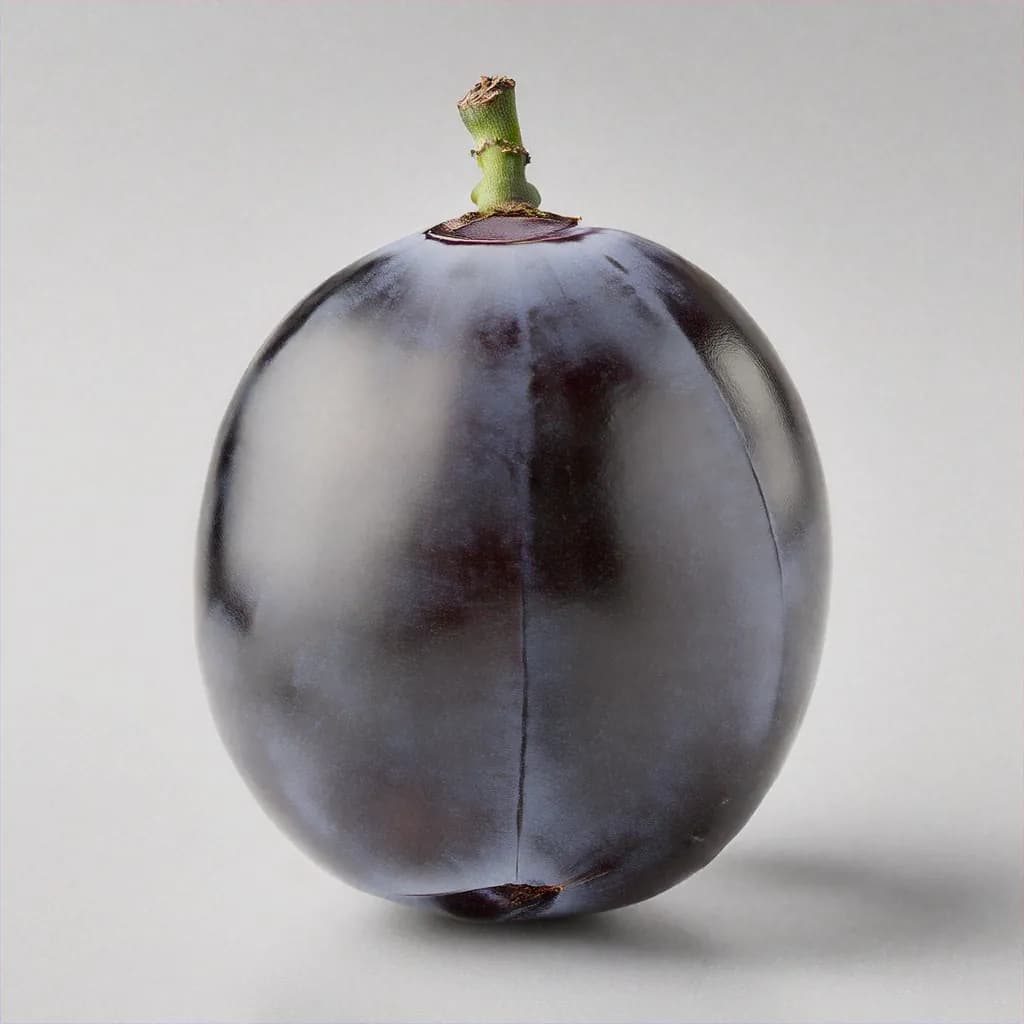
Vitis labrusca
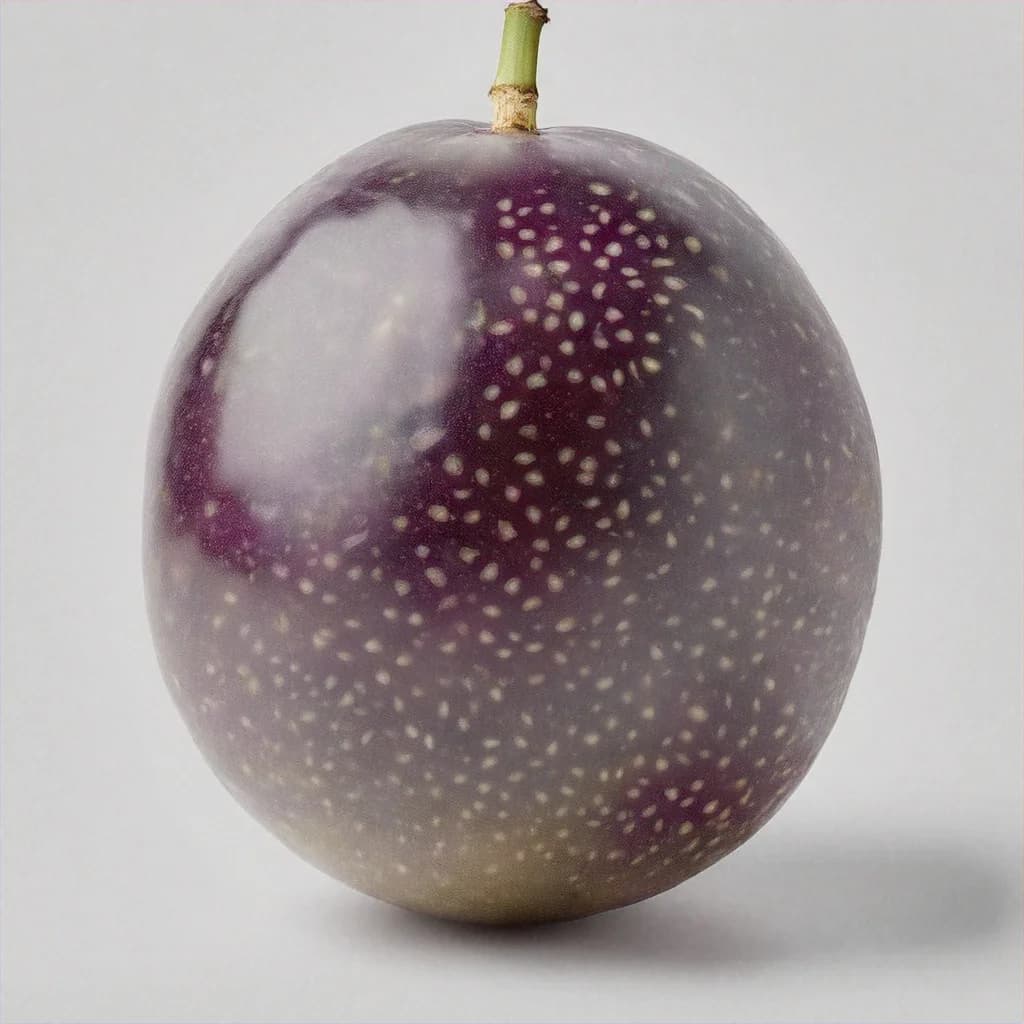
Concord grape is a deeply colored, antioxidant-rich grape variety best known for its bold flavor, natural sweetness, and exceptional polyphenol content. Native to North America, Concord grapes are especially prized for their high concentration of resveratrol, anthocyanins, and flavonoids that support heart health, brain function, and cellular protection. With moderate calories, good fiber, and natural fruit sugars, Concord grapes are widely used in juices, jams, and wellness-focused diets. Their intense purple skin and aromatic pulp make them one of the most nutritionally studied grapes in modern nutrition science and functional food research.
Explore Concord Grape in stunning detail
Concord Grape - Main View
Per 100g
Per 100g
Nutrition breakdown for one serving
North America (United States)
Concord grape was developed in 1849 in Concord, Massachusetts, by Ephraim Wales Bull. It quickly became one of the most widely grown native American grape varieties due to its hardiness, disease resistance, and intense flavor. Concord grapes played a major role in the development of the American grape juice industry and remain one of the most researched grapes for antioxidant and cardiovascular health benefits.
Late summer to early autumn
Each variety offers unique flavors, textures, and culinary applications
Keep your fruit fresh and delicious for longer
Choose grapes with deep, uniform purple color
Look for plump grapes firmly attached to stems
Avoid shriveled berries or sticky residue
Store unwashed grapes in refrigerator
Keep in ventilated container
Wash just before consumption
Preserve freshness for months
Freeze whole grapes after washing and drying
Use frozen grapes as snacks or smoothie ingredients
Frozen grapes retain antioxidants for up to 6 months
Label frozen items with the date to track freshness. Most fruits maintain quality for 2-3 months when properly frozen. For best results, use airtight containers or freezer bags to prevent freezer burn.
Discover delicious possibilities
Grape allergies are rare but possible.
Wash thoroughly or choose organic when available.
Surprising trivia you'll love!
Concord grapes were developed in Massachusetts in 1849
They have a unique slip-skin texture
Concord grape juice is one of the most studied fruit beverages
Their deep color comes from anthocyanins
Used extensively in brain and heart health research
Concord grapes are rich in resveratrol and anthocyanins, giving them exceptional heart and brain health benefits and a bold, aromatic flavor.
Yes, their polyphenols and resveratrol support healthy blood vessels, circulation, and cardiovascular function.
Concord grapes have a deep, sweet-tart flavor with a strong grape aroma often associated with grape juice.
Yes, Concord grapes have thicker skins, softer flesh, and a stronger flavor than common table grapes.
Yes, they are packed with antioxidants, vitamin C, vitamin K, and natural polyphenols.
Yes, Concord grapes are typically seeded, unlike many modern table grapes.
Yes, the skins are edible and contain most of the fruit’s antioxidants.
Concord grapes are usually harvested in late summer to early fall.
Yes, their polyphenols may help support memory and cognitive function.
They are widely used in grape juice, jelly, jams, wines, and desserts.
Yes, when properly prepared and seeded, they are nutritious and safe for kids.
Yes, their antioxidants and vitamin C help support immune defense.
They should be stored in the refrigerator and consumed within a few days for best freshness.
Yes, their deep purple color comes from high levels of anthocyanins.
Sustainability insights
Concord grapes are hardy and require fewer chemical inputs.
Lower when locally sourced.
Moderate irrigation needs.
Local grapes reduce transport emissions.
We aim to keep this Concord Grape profile accurate and easy to understand. Nutrition values and % Daily Value figures are based on established reference databases and standard daily value guidance.
Last updated: September 7, 2026
Medical disclaimer
This page is for general educational purposes and does not replace professional medical advice.
Found an issue? Contact us.