Loading Fruit Details...
Please wait while we fetch nutritional information and health benefits
Please wait while we fetch nutritional information and health benefits
Recommended Products
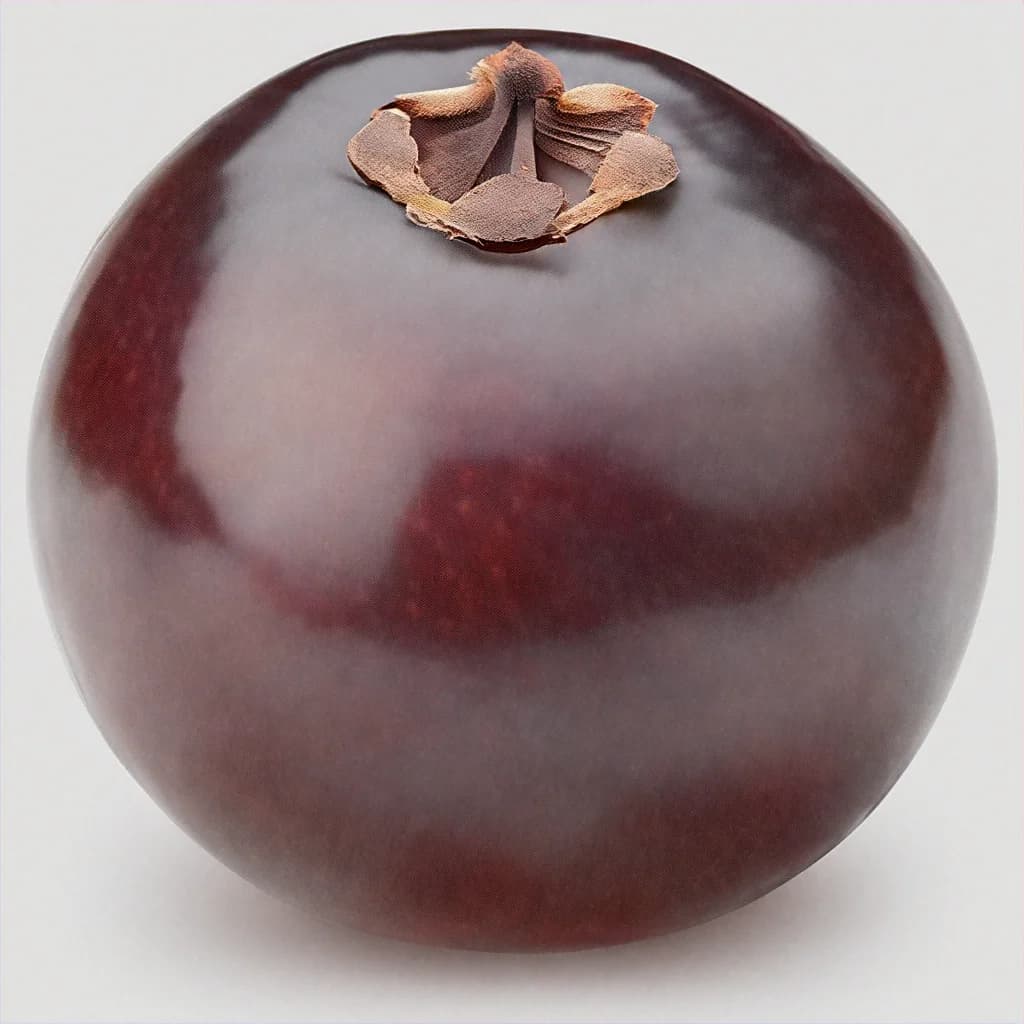
Vaccinium meridionale
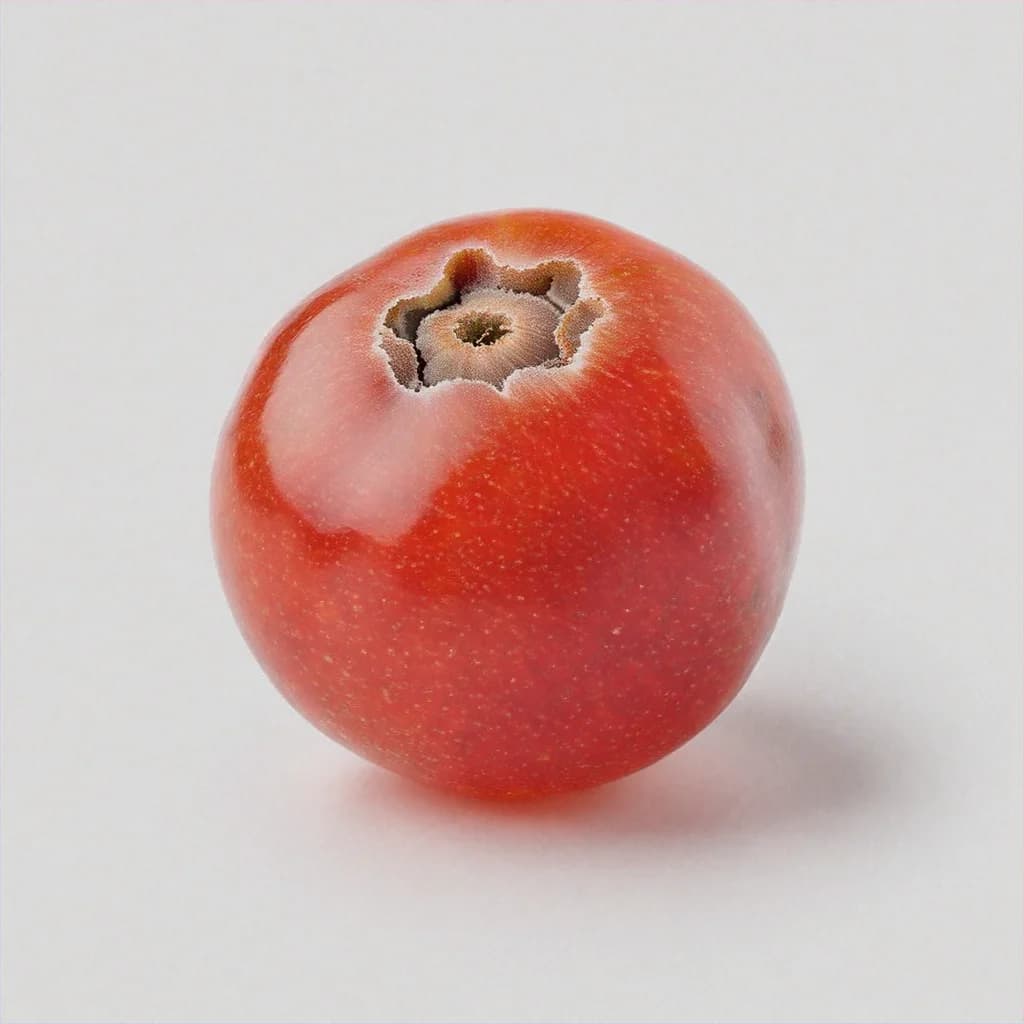
The Madagascar Berry, scientifically known as Vaccinium meridionale, is a lesser-known yet intriguing member of the Vaccinium genus, which also includes blueberries and cranberries. Native to the lush forests of Madagascar, this berry is prized for its unique tart-sweet flavor profile and vibrant reddish-purple hue. Rich in antioxidants, particularly anthocyanins, the Madagascar Berry offers a host of health benefits, including enhanced cardiovascular health and improved cognitive function. Its firm texture and slightly acidic taste make it a versatile ingredient in both sweet and savory dishes. Whether enjoyed fresh, dried, or incorporated into jams and baked goods, the Madagascar Berry is a hidden gem in the world of exotic fruits.
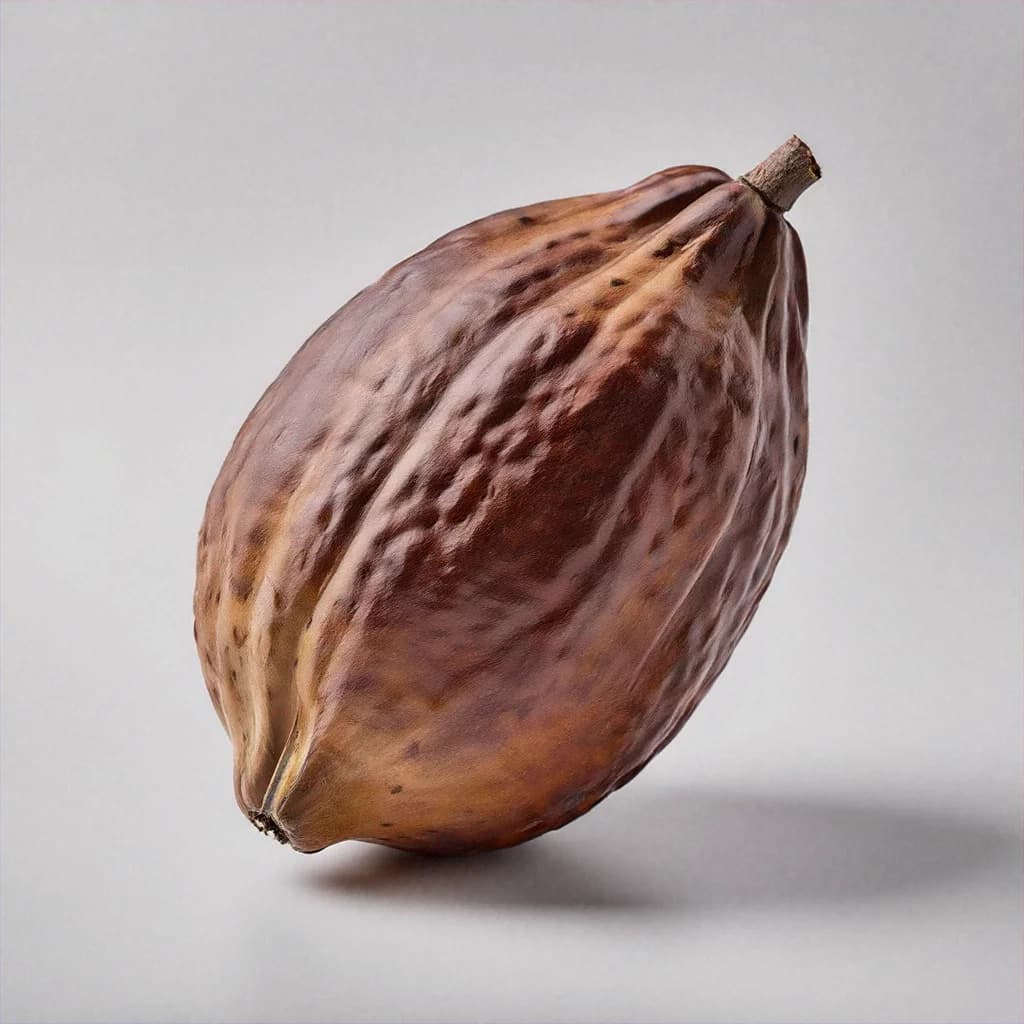
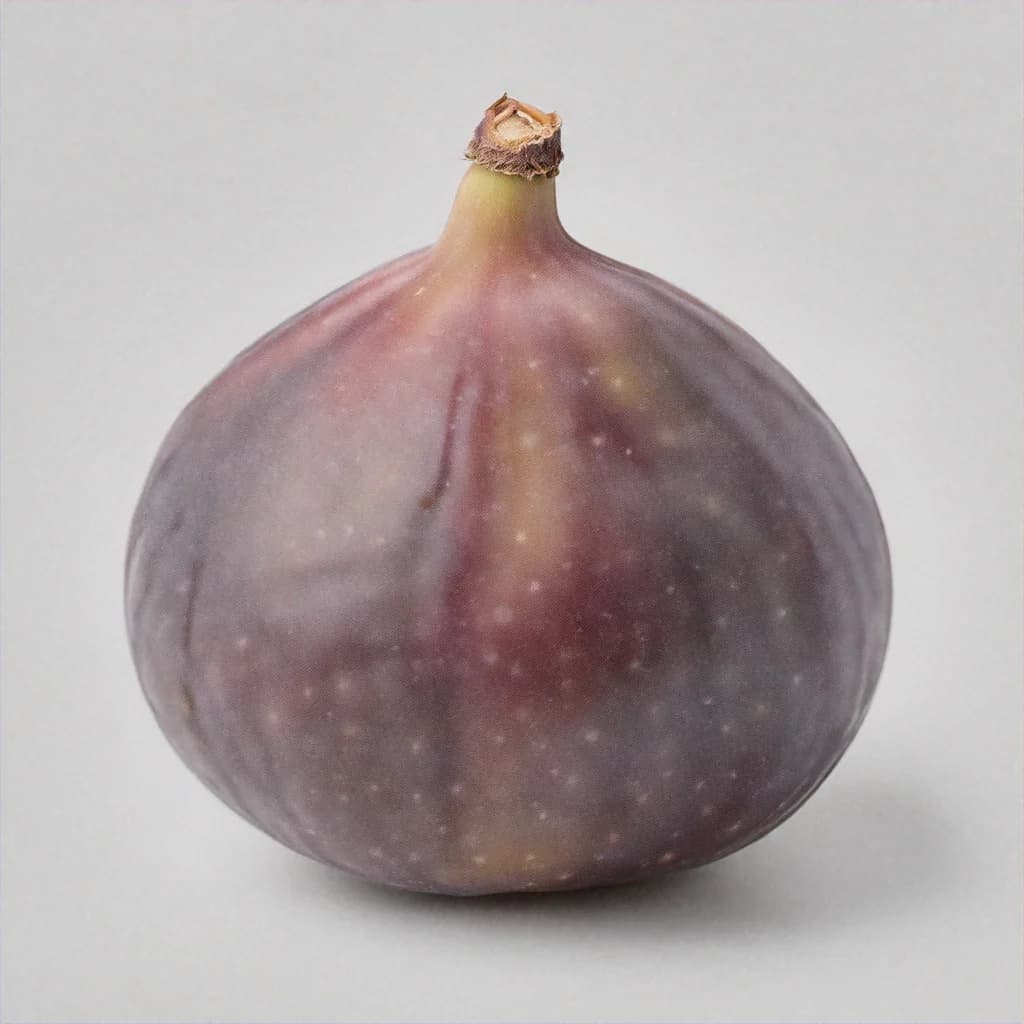
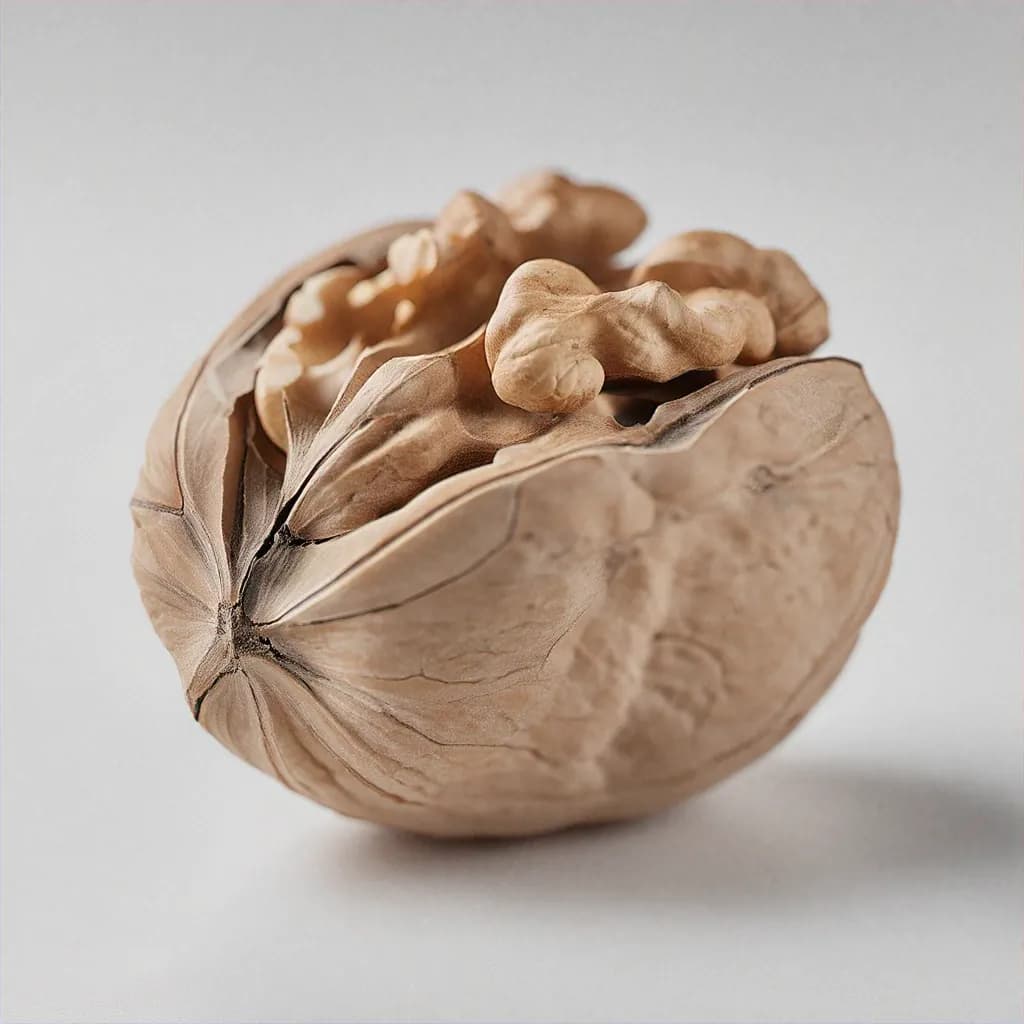
Explore Madagascar Berry in stunning detail
Madagascar Berry - Main View
Per 100g
Per 100g
Nutrition breakdown for one serving
Madagascar
The Madagascar Berry has been a staple in local diets for centuries, valued for its medicinal properties and unique flavor. Its cultivation remains largely traditional, with small-scale farmers harvesting the berries from wild plants.
Late spring to early summer
Each variety offers unique flavors, textures, and culinary applications
Keep your fruit fresh and delicious for longer
Look for firm, plump berries with a uniform reddish-purple color.
Avoid berries that are shriveled, moldy, or have a dull appearance.
Store fresh Madagascar Berries in a sealed container in the refrigerator.
For longer storage, freeze the berries in an airtight bag or container.
Preserve freshness for months
Wash and dry the berries thoroughly before freezing.
Spread them on a baking sheet, freeze, and then transfer to an airtight container.
Label frozen items with the date to track freshness. Most fruits maintain quality for 2-3 months when properly frozen. For best results, use airtight containers or freezer bags to prevent freezer burn.
Discover delicious possibilities
Allergic reactions to Madagascar Berries are rare but possible. Individuals with known allergies to berries should exercise caution.
Madagascar Berries are generally low in pesticide residues due to traditional, small-scale farming practices.
Surprising trivia you'll love!
The Madagascar Berry is a relative of the blueberry and cranberry.
It is traditionally harvested from wild plants in Madagascar.
The berry's vibrant color comes from anthocyanins, powerful antioxidants.
The Madagascar Berry has a tart flavor with a hint of sweetness, similar to a blend of blueberries and cranberries.
Look for firm, plump berries with a uniform reddish-purple color. Avoid shriveled or moldy berries.
Fresh berries can be stored in the refrigerator for up to 7 days or frozen for longer storage.
They can be used in jams, baked goods, smoothies, and fruit salads.
Yes, they are rich in anthocyanins and other antioxidants that help combat oxidative stress.
Yes, their high fiber content supports digestive health.
Yes, their low glycemic index makes them a suitable option for managing blood sugar levels.
Sustainability insights
Madagascar Berries are often harvested sustainably from wild plants, minimizing environmental impact.
Low, due to local harvesting and minimal processing.
Moderate, as the berries are naturally adapted to Madagascar's climate.
Local consumption in Madagascar is more sustainable than importing the berries.
We aim to keep this Madagascar Berry profile accurate and easy to understand. Nutrition values and % Daily Value figures are based on established reference databases and standard daily value guidance.
Last updated: October 6, 2026
Medical disclaimer
This page is for general educational purposes and does not replace professional medical advice.
Found an issue? Contact us.