Loading Fruit Details...
Please wait while we fetch nutritional information and health benefits
Please wait while we fetch nutritional information and health benefits
Recommended Products
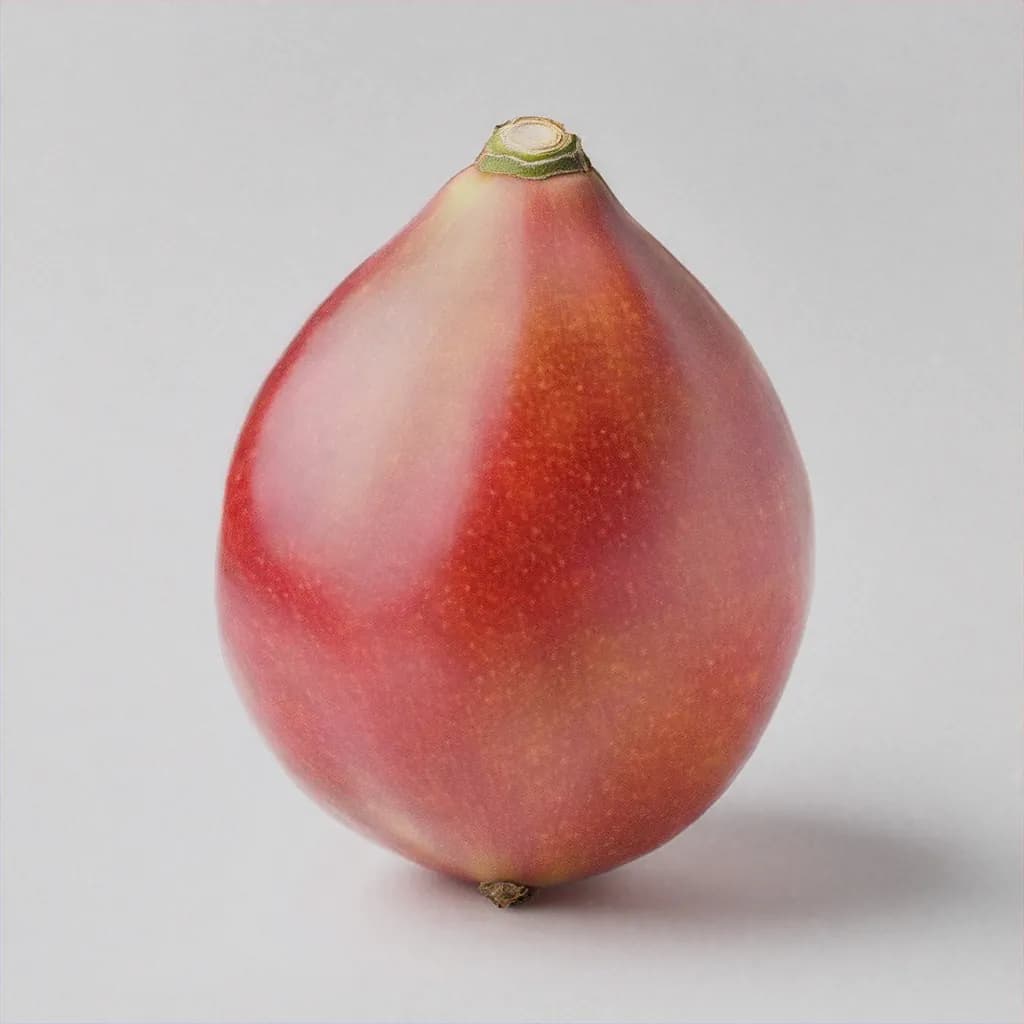
Carissa carandas
Karonda is an exceptional Indian superfruit with outstanding vitamin C content (45% DV per 100g), powerful antioxidants, and distinctive tart-sweet flavor. Also called Carissa berry or Indian plum, karonda delivers comprehensive nutritional benefits with exceptional versatility. At 49 calories per 100g with 85% water content and low glycemic profile, karonda is increasingly valued in Indian traditional medicine, contemporary wellness practices, and gourmet cuisine. Perfect for fresh eating, jams, beverages, and antioxidant-rich culinary creations.
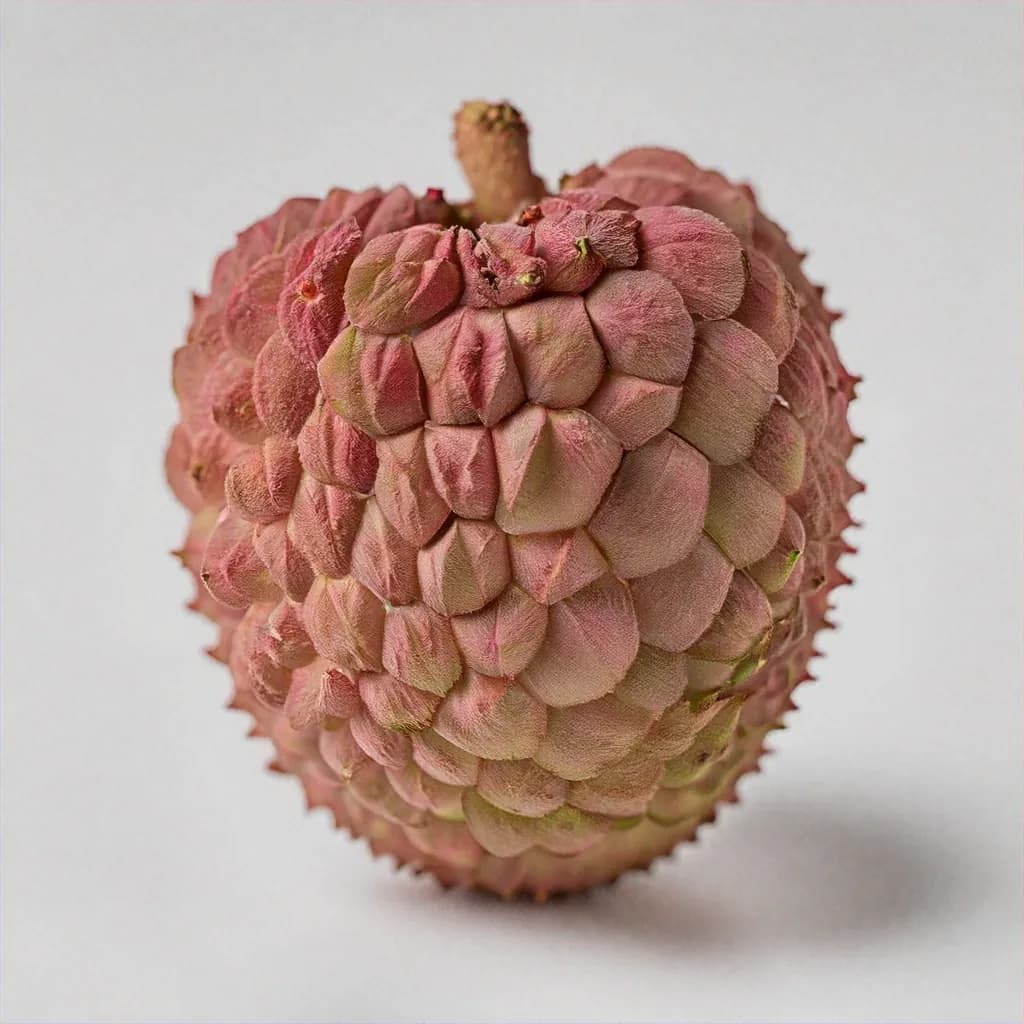
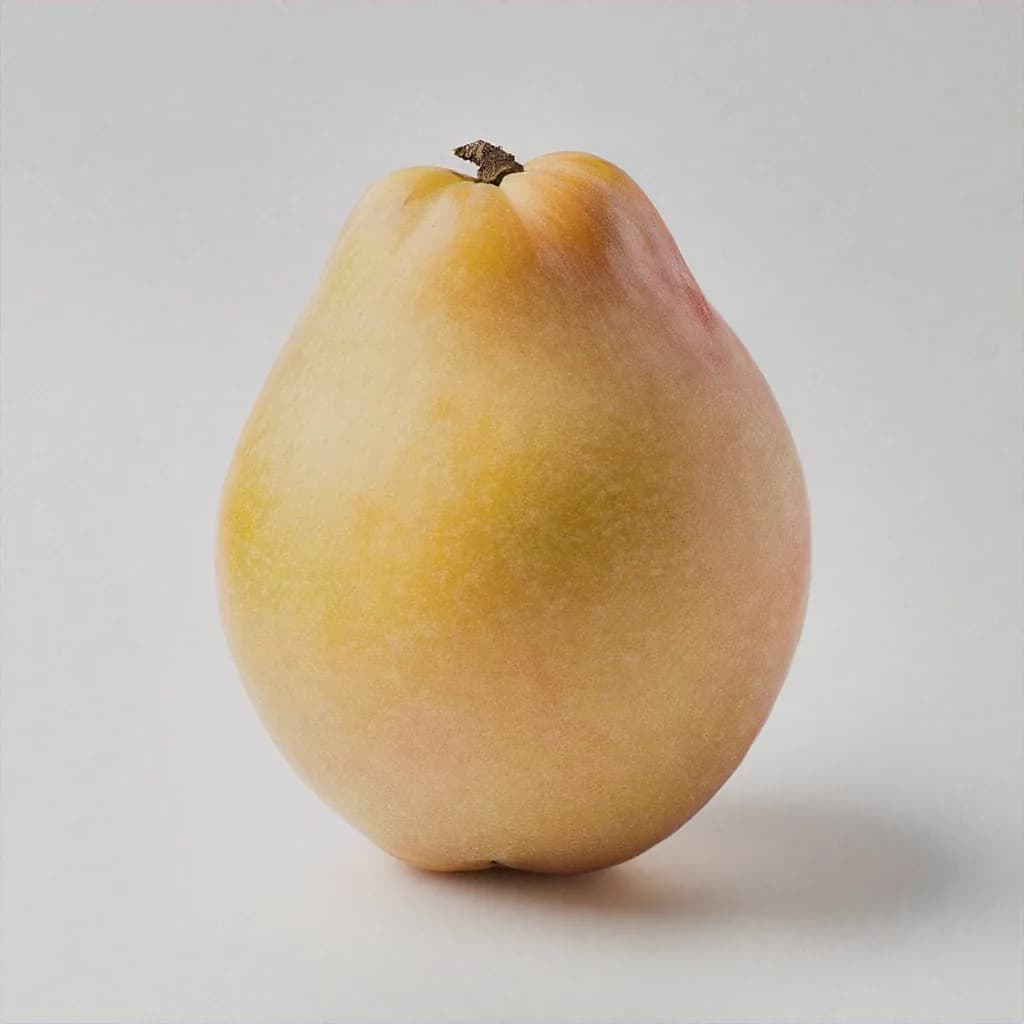
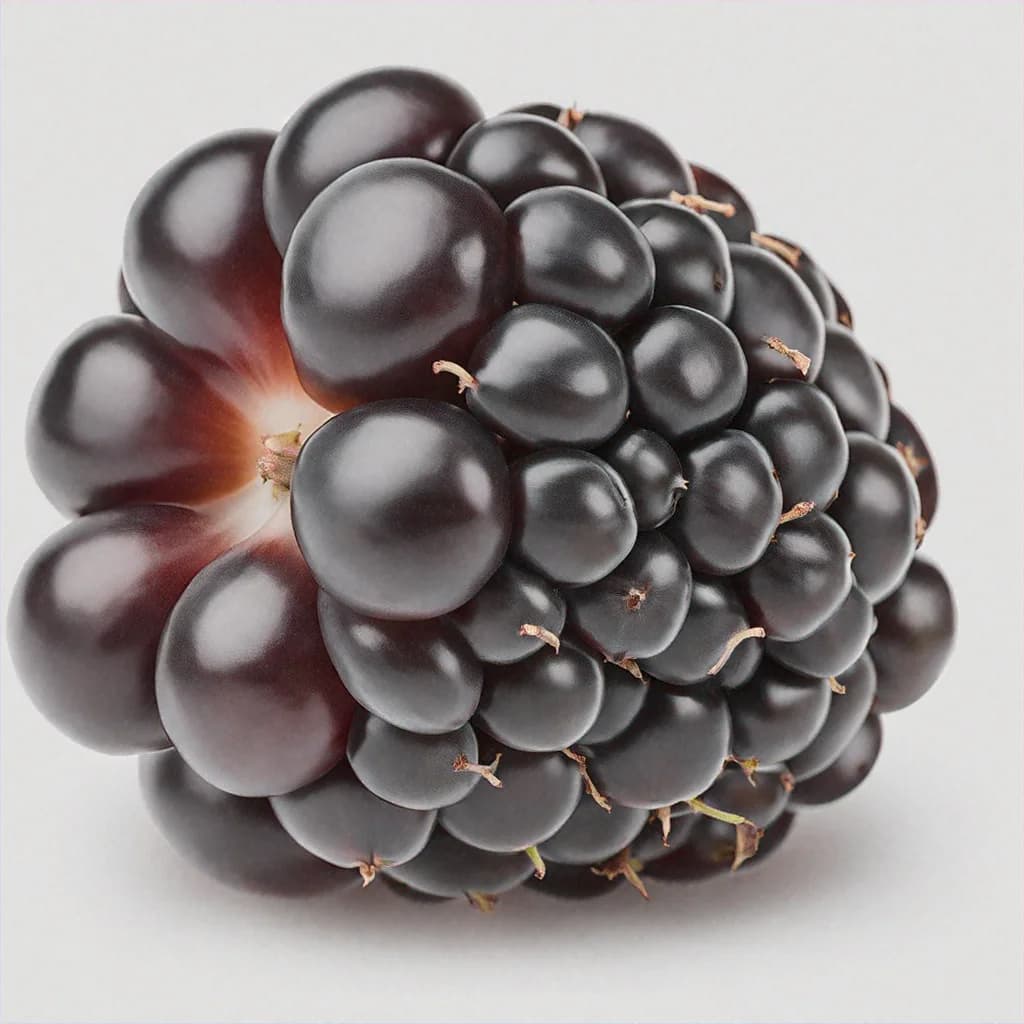
Explore Karonda in stunning detail
Karonda - Main View
Per 100g
Per 100g
Nutrition breakdown for one serving
India and South Asia
Karonda (Carissa carandas) originated in India and South Asia, where it has been cultivated and valued for thousands of years in traditional Ayurvedic medicine and cuisine. Known as Indian plum or Carissa berry, karonda represents the rich botanical heritage of the Indian subcontinent. The fruit has been central to traditional medicine practices, food preservation, and culinary traditions across India, Pakistan, and Sri Lanka for centuries and continues to be highly valued in contemporary wellness and nutritional applications.
Peak season May-July
Each variety offers unique flavors, textures, and culinary applications
Keep your fruit fresh and delicious for longer
Select karonda berries that are deep red to burgundy indicating full ripeness
Choose berries that are firm with smooth, unblemished skin
Look for consistent deep color without any green or pale patches
Ripe karonda should emit distinctive sweet, tart fragrance
Avoid berries with soft spots, bruises, or visible deterioration
Fresh berries should feel plump and intact without excess moisture
Store fresh karonda in refrigerator in shallow container lined with paper towels
Keep in coolest section of refrigerator for up to 5 days maximum
Do not wash berries until ready to consume to prevent moisture damage and spoilage
Store in single layer to prevent crushing and bruising of delicate berries
Frozen karonda maintains nutritional integrity and antioxidant potency for 10-12 months
Preserve as jam or syrup for year-round availability and extended shelf life
Preserve freshness for months
Gently wash and thoroughly dry karonda berries before freezing
Freeze whole berries on parchment-lined trays for 2-3 hours
Transfer frozen berries to freezer bags for convenient long-term storage
Alternatively, blend into puree and freeze in ice cube trays
Frozen karonda maintains exceptional antioxidant potency for 10-12 months
Use directly from freezer in juices and beverages or thaw for traditional preparations
Label frozen items with the date to track freshness. Most fruits maintain quality for 2-3 months when properly frozen. For best results, use airtight containers or freezer bags to prevent freezer burn.
Discover delicious possibilities
Karonda allergies are rare. Some individuals may have sensitivity to berries or plant families.
Purchase karonda from reputable South Asian producers specializing in traditional berry cultivation. Most karonda cultivation uses minimal pesticides due to traditional farming practices. Choose certified, organically grown sources when available from trusted suppliers.
Surprising trivia you'll love!
Karonda is called Indian plum despite being botanically distinct from plums, reflecting its cultural significance in Indian cuisine
The fruit has been valued in Ayurvedic medicine for thousands of years for immune and digestive support
Karonda's exceptional vitamin C content (45% DV) rivals tropical citrus fruits despite its small size
The berries are often eaten with salt and spices in traditional Indian snacking preparations
Karonda trees produce abundant white flowers before fruiting in spectacular springtime displays
Traditional Indian families preserve karonda as jam and syrup for year-round wellness applications
The fruit's tart flavor makes it highly valued for premium jam and preserve production
Karonda is increasingly recognized as a premium superfruit in contemporary wellness and nutrition
Modern research increasingly validates karonda's exceptional antioxidant and immune-supporting properties
The fruit's versatility in both fresh and preserved applications makes it valuable across cuisines and traditions
Karonda (Carissa carandas) is an exceptional Indian superfruit native to India and South Asia. Also known as Indian plum or Carissa berry, karonda delivers outstanding vitamin C (45% DV per 100g), excellent vitamin A (14% DV), comprehensive antioxidants, and distinctive tart-sweet flavor prized in traditional Ayurvedic medicine and cuisine.
Karonda delivers outstanding vitamin C (45% DV per 100g) for exceptional immune support, excellent vitamin A (14% DV) for vision health, exceptional fiber (11% DV) for digestive wellness, copper (9% DV), manganese (9% DV), and comprehensive polyphenols. At 49 calories per 100g with very low glycemic index (30), karonda provides exceptional nutritional benefits.
Yes, karonda is outstanding for immune support with exceptional vitamin C (45% DV per 100g), excellent vitamin A (14% DV), comprehensive polyphenol and flavonoid content, copper (9% DV), and traditional Ayurvedic immune-supporting properties. The exceptional antioxidant profile makes karonda highly effective for robust immune wellness and cellular protection.
Karonda has a distinctive tart-sweet flavor with complex berry notes and subtle undertones. The taste varies by variety: Indian karondas are distinctively tart with good sweetness, Pakistani varieties have balanced flavor with enhanced sweetness, and Sri Lankan varieties offer bold tart notes with concentrated complexity.
Karonda has a very low glycemic index of 30 and glycemic load of 3 per 100g serving. Combined with exceptional fiber content (11% DV), this makes karonda excellent for blood sugar management, stable energy, and comprehensive metabolic wellness.
Karonda is traditionally used in Ayurvedic medicine for immune support, digestive health, and comprehensive wellness. The fruit's exceptional vitamin C, antioxidants, and traditional properties support immune function, digestion, and vitality. Traditional preparations include fresh fruit, juices, syrups, and herbal combinations.
Fresh karonda berries are available at Indian markets, Asian grocers, specialty produce shops, and farmers markets, particularly during peak season (May-July). Year-round options include frozen karonda berries, karonda jam, karonda syrup, and products from specialty retailers and South Asian online vendors.
Eat fresh karonda berries raw as tart-sweet snacks. Blend into juices and smoothies for maximum antioxidant benefit. Make traditional jams, syrups, and pickles for preservation. Prepare traditional Ayurvedic remedies with honey and spices. The distinctive tart flavor pairs beautifully with honey, ginger, and warm spices.
Sustainability insights
Karonda cultivation supports South Asian agricultural traditions and tropical ecosystem preservation. Support sustainably harvested karonda from certified sources honoring traditional harvesting practices and biodiversity.
Imported fresh karonda has higher carbon footprint. Choose locally available frozen berries or preserved products to reduce transportation impact while supporting South Asian producers.
Karonda cultivation in tropical South Asia utilizes natural rainfall patterns. Support rain-fed cultivation to minimize water impact in sustainable practices.
Purchase from South Asian producers to support traditional harvesting communities, maintain cultural food practices, preserve traditional knowledge, and minimize global carbon footprint.
We aim to keep this Karonda profile accurate and easy to understand. Nutrition values and % Daily Value figures are based on established reference databases and standard daily value guidance.
Last updated: September 9, 2026
Medical disclaimer
This page is for general educational purposes and does not replace professional medical advice.
Found an issue? Contact us.