Loading Fruit Details...
Please wait while we fetch nutritional information and health benefits
Please wait while we fetch nutritional information and health benefits
Recommended Products
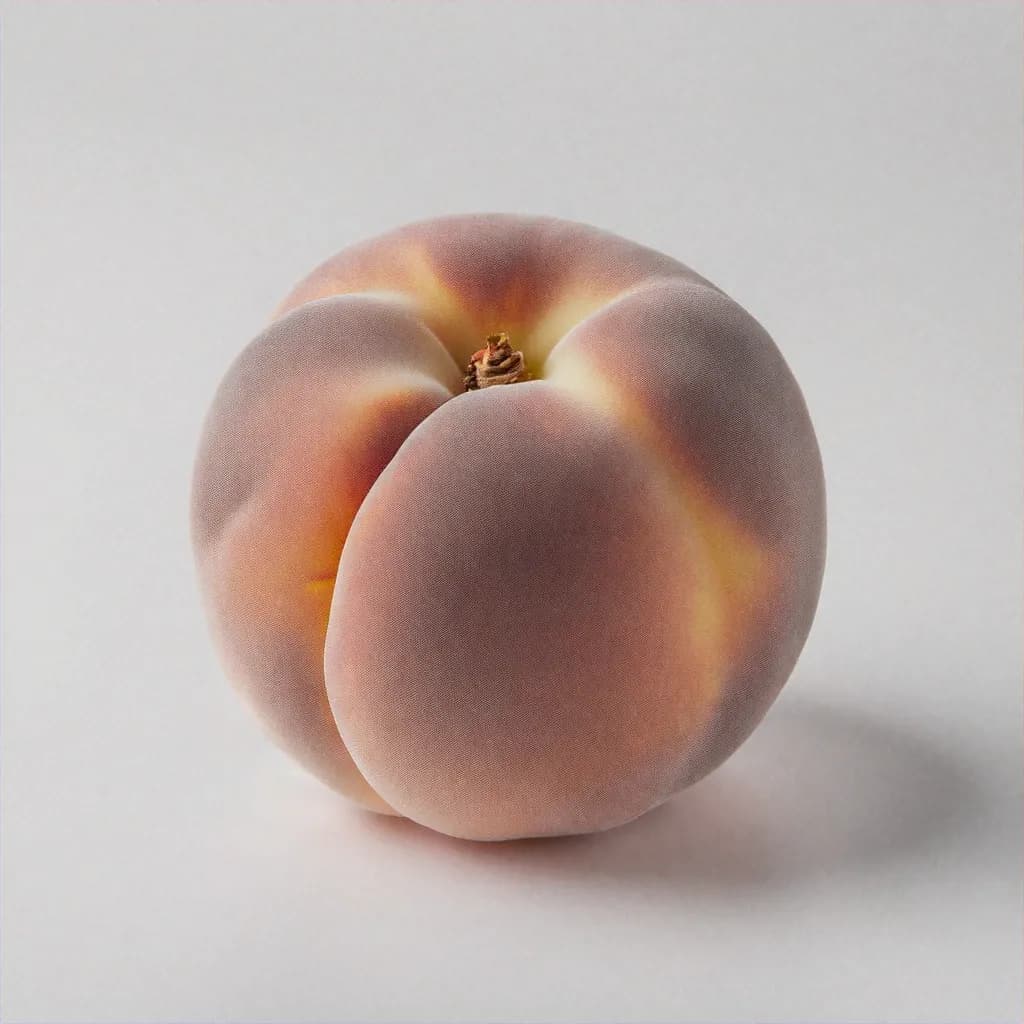
Prunus persica
Peaches are beloved stone fruits with fuzzy golden-orange skin, fragrant sweet flesh, and distinctive central pit - offering classic summer flavor and impressive nutritional profile. These Rosaceae family members (2-3 inches diameter) originate from China and thrive in temperate regions worldwide, becoming essential summer staple and beloved culinary ingredient. Peaches deliver exceptional nutritional density - significant vitamin C (11% DV) supporting immune function, exceptional vitamin A (6% DV) promoting eye health, valuable niacin (8% DV) supporting energy metabolism, and powerful antioxidants including phenolic compounds with disease-preventing potential. The distinctive soft fuzzy skin, juicy golden flesh, fragrant aroma, and perfect balance of sweetness and subtle tartness make peaches quintessential summer fruit deserving celebration and regular seasonal consumption. Traditional cultures recognize peaches as longevity-promoting fruit symbolizing long life and prosperity across East Asian cultures. Modern research increasingly validates traditional applications and identifies peach compounds supporting cardiovascular health, antioxidant protection, and disease prevention. The integration of peaches into cuisine from fresh consumption to desserts, preserves, and beverages reflects the fruit's universal appeal and exceptional characteristics.
Explore Peach in stunning detail
Peach - Main View
Per 100g
Per 100g
Nutrition breakdown for one serving
China (2000+ year history), Persia historical importance
Peaches originate from China where cultivation dates back over 2,000 years with references in ancient Chinese texts. Chinese emperors valued peaches as symbol of longevity and immortality. The scientific name 'persica' derives from historical belief peaches originated in Persia (actually China but transported through Persia). Peaches traveled ancient trade routes reaching Mediterranean through Persian and later Arab traders. Greeks and Romans cultivated peaches extensively establishing European cultivation. Renaissance Europe developed sophisticated peach cultivation. American colonists brought peaches establishing cultivation in North America. Modern cultivation spans multiple continents with China remaining dominant producer. Peaches transformed from exotic luxury to common summer fruit through centuries of cultivation and breeding.
Peak June-August in Northern Hemisphere; December-February in Southern Hemisphere
Each variety offers unique flavors, textures, and culinary applications
Keep your fruit fresh and delicious for longer
Select peaches that are fragrant with sweet aroma - aroma is reliable ripeness indicator
Gently squeeze to test firmness - ripe peach yields slightly to pressure (not mushy)
Choose peaches with golden-yellow color base (even if red blushed)
Avoid large bruises or cracks (minor blemishes acceptable)
Peaches should feel heavy for their size indicating good juice content
Pink or red blush indicates ripeness in many varieties
Avoid unripe hard peaches with green tint - won't ripen properly
Large, symmetrical peaches often have better texture than very small
Ripe peaches keep refrigerated 3-5 days in crisper drawer
Room temperature storage acceptable 2-3 days for ripe peaches
Underripe peaches ripen at room temperature in paper bag (3-5 days)
Do not wash before storage - moisture accelerates spoilage
Store separately to improve air circulation and prevent bruising
Cut peaches consume quickly or freeze - exposed flesh oxidizes rapidly
Frozen peach slices preserve quality excellently for 6-12 months
Slice peaches, freeze on baking sheet, then transfer to freezer bags
Peach juice or nectar keeps refrigerated 1-2 days
Canned or preserved peaches stable for extended shelf life
Preserve freshness for months
Blanch peaches briefly to remove skin, slice, and freeze on baking sheet
Transfer frozen slices to freezer bags with sugar if desired for quality
Freeze without sugar for unsweetened applications
Frozen peaches perfect for smoothies, baking, and processed applications
Thaw in refrigerator before using if desired
Frozen peaches become soft - ideal for cooking but not fresh consumption
Label frozen items with the date to track freshness. Most fruits maintain quality for 2-3 months when properly frozen. For best results, use airtight containers or freezer bags to prevent freezer burn.
Discover delicious possibilities
Peach allergies are relatively uncommon but documented particularly in individuals with birch pollen allergies through cross-reactivity mechanism. Allergic reactions typically present as oral allergy syndrome - itching, tingling, or swelling of mouth, lips, tongue, and throat. Heat processing (cooking, canning, baking) denatures allergenic proteins making processed peaches tolerable for some individuals. Severe reactions are rare. Consult allergist if concerned.
Conventionally grown peaches may contain pesticide residues. Proper washing: Rinse peaches gently under cool running water for 15-20 seconds. Pat dry with clean towel. This removes surface pesticides and contaminants. Organic peaches eliminate synthetic pesticide concerns. Peeling removes some surface residues but also removes fiber-rich skin.
Surprising trivia you'll love!
Peach scientific name 'persica' derives from historical geographic confusion - named after Persia though actually originating from China traded through Persian routes
Chinese culture recognizes peaches as immortality fruit - imperial courts maintained peach orchards reserving fruit for emperor and high nobility
Peach trees require 'chill hours' (cold winter temperatures) to produce fruit - preventing cultivation in purely tropical climates despite ideal growing conditions
Fuzzy peach skin serves protective function preventing insects and fungal issues - the fuzz is natural protective coating rather than pest evidence
Peach allergies sometimes occur in individuals with birch pollen allergies - heat processing reduces allergic protein concentration making cooked peaches tolerable
China produces approximately 60% of world's peaches - making peach cultivation deeply important to Chinese agriculture and food culture
Peaches were among first fruits domesticated by humans - archaeological evidence shows cultivation dating over 8,000 years in China
Peach pits contain small amounts of cyanogenic glycosides harmless in normal consumption - the compound breaks down during digestion without concern
Donut peaches (flat peaches) gained popularity through modern breeding - deliberately developed in Asia to create distinctive flattened shape
Renaissance Europe developed sophisticated peach cultivation techniques - monks maintained elaborate peach orchards preserving knowledge through medieval period
Determining peach ripeness is essential for optimal flavor - ripe peaches offer superior taste and texture compared to underripe fruit. FRAGRANCE: Most reliable ripeness indicator is distinctive sweet fragrant peach aroma - noticeable from distance when fully ripe. Underripe peaches have minimal fragrance. Strong aroma indicates ripeness and quality. SKIN COLOR: Golden-yellow base color indicates ripeness. Red blush varies by variety - not always reliable indicator. Some varieties remain green-tinged when ripe. Focus on golden-yellow base rather than blush. FIRMNESS: Gently squeeze peach between palms - ripe fruit yields slightly to gentle pressure. Underripe feels hard and unyielding. Overripe becomes mushy. The slight give indicates perfect readiness. Should not be rock-hard or mushy. SIZE AND WEIGHT: Ripe peaches feel relatively heavy for their size indicating good juice content. Size doesn't always correlate with ripeness - smaller can be ripe. Weight indicates juice content. STEM END: Check stem end for slight give when gently pressed - indicates ripeness. Hard stem end indicates underripeness. RIPENING AT HOME: Underripe peaches ripen at room temperature over 3-5 days in paper bag. Placing in bag with banana or apple accelerates ripening. Check daily for readiness. Once ripe, refrigerate to slow further aging. OPTIMAL RIPENESS: Perfect balance of fragrance, slight firmness, and golden-yellow color. This indicates maximum flavor and juice. STORAGE AFTER RIPENING: Once ripe, refrigerate to extend shelf life 3-5 days. Cold temperature preserves ripeness. BOTTOM LINE: Ripe peaches are characterized by intense fragrance, golden-yellow base color, and slight yielding to gentle pressure. Fragrance is most reliable indicator.
Clingstone and freestone peaches are distinct varieties with significant differences affecting consumption and processing. STRUCTURE: Clingstone: Pit firmly adheres to flesh requiring careful separation. Freestone: Pit separates easily from flesh with minimal effort. The fundamental structural difference affects every consumption method. FRESH EATING: Clingstone: Requires careful eating to separate pit from flesh - moderately inconvenient for casual consumption. Freestone: Pit separates easily making casual fresh eating convenient. Freestone clearly superior for fresh consumption. SEED REMOVAL: Clingstone: Pit extraction involves effort and can damage fruit flesh or leave fragments. Freestone: Pit lifts out cleanly leaving intact fruit. Freestone efficiency is obvious advantage. PROCESSING AND CANNING: Clingstone: Excellent for canning and preserves because flesh doesn't separate easily. The firmness maintains integrity through processing. Freestone: Acceptable but less ideal for processing. TASTE: Both varieties offer excellent flavor - taste difference is minimal. Clingstone sometimes perceived as slightly juicier due to intact flesh. TEXTURE: Clingstone: Firmer flesh from tighter pit adherence. Freestone: Slightly softer flesh from easier pit separation. Textural difference minimal. COMMERCIAL USE: Clingstone: Preferred for commercial processing, canning, and juice production. Freestone: Preferred for fresh market and premium pricing. CULINARY APPLICATION: Clingstone: Better for preserves, jams, canning applications. Freestone: Better for fresh eating, slicing, gourmet applications. PREPARATION: Clingstone: Requires more careful preparation and cutting technique. Freestone: Straightforward preparation and pit removal. SUBSTITUTION: Not perfect substitutes due to structural differences. Each optimal for specific applications - freestone for fresh, clingstone for processing. BOTTOM LINE: Freestone peaches separate easily from pit making fresh consumption convenient - ideal for fresh eating. Clingstone peaches require effort to separate making them better suited for processing, canning, and preserves where structural integrity is maintained.
Peaches contain significant phenolic compounds providing powerful antioxidant protection and disease-preventing benefits through multiple mechanisms. PHENOLIC CONTENT: Peaches contain particularly notable phenolic compound concentration providing distinctive antioxidant benefits. Phenolic compounds are primary antioxidant class. Research increasingly validates peach antioxidant significance. ANTIOXIDANT TYPES: Phenolic compounds - primary antioxidant providing broad cellular protection. Flavonoids - plant compounds with antioxidant and anti-inflammatory effects. Chlorogenic acid - polyphenol supporting disease prevention. Carotenoids - fat-soluble antioxidants supporting vision health. The diverse antioxidant profile provides comprehensive protection. CELLULAR PROTECTION: Antioxidants neutralize free radicals preventing cellular damage. Free radical reduction decreases oxidative stress. Protection supports cellular health and longevity. Disease prevention mechanisms prevent DNA damage. DISEASE PREVENTION: High antioxidant consumption associated with reduced cancer risk through multiple pathways. Cardiovascular disease prevention supported through antioxidant effects. Age-related disease reduction through cellular protection. Chronic disease prevention through inflammation reduction. ANTI-INFLAMMATORY EFFECTS: Phenolic compounds demonstrate anti-inflammatory activity. Chronic inflammation underlying many diseases reduced through antioxidant consumption. Anti-inflammatory benefits support overall health. CARDIOVASCULAR SUPPORT: Antioxidants protect cholesterol from oxidation (oxidized cholesterol damages arteries). Arterial inflammation reduction supported through polyphenols. Comprehensive cardiovascular benefit. SYNERGISTIC EFFECTS: Multiple antioxidants work synergistically providing greater benefit than individual compounds. Diverse antioxidant profile more effective than single compound. Whole fruit consumption provides synergistic benefits. BIOAVAILABILITY: Fiber content enhances polyphenol absorption and bioavailability. Fresh consumption optimizes antioxidant extraction. BOTTOM LINE: Peaches contain significant phenolic antioxidants providing cellular protection, disease prevention, anti-inflammatory effects, and cardiovascular support through multiple mechanisms.
Dogs can safely eat fresh peach flesh in moderation as occasional treat - peaches are non-toxic and generally safe though important precautions apply. SAFETY: Fresh peach flesh is non-toxic to dogs - no compounds are inherently poisonous. Pulp alone is safe in appropriate amounts. PIT SAFETY: Peach pits are hazardous - contain cyanogenic glycosides that break down into cyanide. Pits present choking hazard and toxicity concern. ALWAYS remove pit completely before offering peaches to dogs. Never allow dogs access to pits. SKIN SAFETY: Fuzzy skin is generally safe but can cause digestive upset. Some dogs prefer skin removed. The fuzziness may cause mild irritation in sensitive dogs. BENEFITS: Vitamins support immune function. Fiber supports digestive health in moderation. Water content provides hydration. CONCERNS: SUGAR CONTENT: Fresh peaches contain 13.17g sugar per 100g - significant for dogs. High sugar contributes to obesity, dental problems, and diabetes. FIBER CONTENT: While beneficial, high fiber can cause digestive upset. Excessive fiber causes diarrhea or gas. PORTION GUIDELINES: Small dogs (under 20 lbs): 1-2 small peach slices maximum. Medium dogs (20-50 lbs): 2-3 small slices maximum. Large dogs (over 50 lbs): 3-4 small slices maximum. Frequency: No more than 2-3 times weekly as occasional treat. PREPARATION: Remove pit completely and carefully. Wash skin to remove pesticides. Remove fuzzy skin if desired for sensitivity. Slice into small pieces. Offer directly or mix with regular food. Start with tiny amount to test tolerance. WHEN TO AVOID: Dogs with diabetes should avoid (sugar content). Overweight dogs should minimize (sugar and calories). Dogs with sensitive digestive systems should avoid. Puppies should avoid until mature. DIGESTIVE CONSIDERATIONS: Fresh peaches generally well-tolerated in small amounts. Individual tolerance varies. Monitor for adverse reactions. Diarrhea or upset stomach warrant discontinuation. BOTTOM LINE: Dogs can safely eat fresh peach flesh in moderation as occasional treat with proper precautions. ALWAYS remove pit completely. Limit portions and frequency. Better alternatives exist for dogs.
Peach fiber content (2.3g per 100g, 9% DV per serving) supports digestive health and overall wellness through both soluble and insoluble fiber mechanisms. FIBER QUANTITY: 2.3g per 100g provides moderate fiber - less than high-fiber fruits but respectable amount. A medium peach (150g) provides 3.4g fiber (9% DV). Regular peach consumption contributes meaningfully to daily fiber intake. FIBER TYPES: Insoluble fiber from skin and flesh supports digestive regularity and mechanical function. Soluble fiber supports blood sugar management and beneficial bacteria. The combination provides comprehensive digestive benefit. DIGESTIVE HEALTH: Fiber supports regular bowel movements and prevents constipation. Fiber feeds beneficial gut bacteria supporting microbiome health. Prebiotic properties support probiotic function. Regular consumption supports long-term digestive health. BLOOD SUGAR MANAGEMENT: Soluble fiber slows glucose absorption supporting stable blood sugar. Peaches' low glycemic index (42) reflects fiber's protective effect. Even with 13.17g sugar per 100g, fiber moderates blood sugar impact. CHOLESTEROL MANAGEMENT: Soluble fiber supports cholesterol metabolism and reduction. Regular peach consumption may support cardiovascular health. SATIETY AND WEIGHT MANAGEMENT: Fiber provides volume and satiety without excessive calories. Filling nature of fiber helps prevent overeating. Supports weight management through satiety mechanisms. COLON HEALTH: Adequate fiber supports colon health and regular cell turnover. Long-term fiber consumption associated with reduced colon cancer risk. Multiple protective mechanisms involved. SKIN PARTICIPATION: Much peach fiber is in skin - consuming whole fruit with skin maximizes fiber. Peeling removes significant fiber content. Skin consumption is important for optimal fiber benefit. SERVING SIZE: A medium peach (150g) provides 3.4g fiber. Two medium peaches provide substantial fiber contribution. DIGESTIVE ADJUSTMENT: Adequate water consumption supports fiber digestion. Gradual fiber increase allows adaptation. Sudden high fiber can cause temporary digestive adjustment. BOTTOM LINE: Peach fiber supports digestive regularity, blood sugar management, cholesterol health, and weight management. Consuming whole peaches with skin maximizes fiber benefits.
Peaches offer diverse preservation options allowing year-round enjoyment - canning, freezing, and jam-making each offer distinct advantages. CANNING WHOLE PEACHES: Wash and blanch peaches briefly (30-60 seconds) to easily remove skin. Remove pit and halve peach. Pack into sterilized jars. Prepare light syrup (water and sugar) or use peach juice. Pour hot syrup over peaches leaving 1/2-inch headspace. Remove air bubbles. Wipe jar rims clean. Process in water bath canner (25-30 minutes for quarts). Cool completely before storing. Shelf stable 1-2 years in cool dark location. FREEZING PEACHES: Wash and blanch to remove skin easily. Slice peaches and remove pit. Freeze on baking sheet (1-2 hours). Transfer frozen slices to freezer bags or containers. Label with date. Frozen peaches preserve well for 6-12 months. Use for smoothies, baking, and cooking. PEACH JAM MAKING: Select ripe slightly underripe peaches (provide better jam consistency). Wash, pit, and slice peaches. Combine with sugar and lemon juice (standard ratio approximately 1 pound peaches to 3/4 pound sugar plus 2 tablespoons lemon juice). Simmer until gel point reached (220 degrees F on candy thermometer). Skim foam during cooking. Pour into sterilized jars. Process in water bath (10 minutes for half-pints). Cool completely. Shelf stable 1-2 years. Yields approximately 4-5 jars from 4 pounds peaches. PEACH NECTAR: Blend or press ripe peaches with minimal water to create thick juice. Strain through fine sieve if desired. Can preserve through canning process (15 minutes water bath) or freeze for extended shelf life. DRYING PEACHES: Slice peaches thinly. Arrange on dehydrator trays. Dry at 135-140 degrees F for 12-18 hours until leathery. Store in airtight containers. Dried peaches preserve indefinitely when stored properly. USE FOR PRESERVATION: Slightly overripe peaches ideal for preservation (higher pectin and flavor). Clingstone varieties preferred for canning (maintain texture). Fresh consumption better for peak-ripe freestone varieties. EQUIPMENT: Water bath canner, sterilized jars, pectin (if needed), candy thermometer, kitchen tools. SAFETY CONSIDERATIONS: Follow tested recipes from reliable sources (USDA guidelines). Proper sterilization prevents contamination. Correct processing times essential for safety. When in doubt consult tested canning resources. BOTTOM LINE: Peaches preserve excellently through multiple methods - canning offers shelf-stable whole fruit, freezing provides convenient portions, and jam-making creates concentrated flavor. Each method allows year-round peach enjoyment.
Peaches have profound historical significance and cultural meaning spanning over 2,000 years with deep roots in East Asian culture and gradual integration into Western traditions. CHINESE ORIGINS: Peaches originate in China with cultivation dating over 2,000 years. Historical Chinese texts reference peaches extensively. Chinese culture recognized peaches as symbol of longevity, immortality, and prosperity. Ancient Chinese emperors cultivated and treasured peaches. Peaches feature prominently in classical Chinese poetry and art. IMPERIAL SIGNIFICANCE: Chinese imperial courts maintained elaborate peach orchards. Peaches reserved for imperial consumption signifying high status. Gifts of peaches conveyed deep respect and honor. The 'peaches of immortality' mythology reflects cultural reverence. MYTHOLOGY AND SYMBOLISM: Chinese tradition holds peaches grant long life and immortality. Peach blossoms symbolize femininity and beauty. Triple peaches symbolize luck, prosperity, and longevity. Cultural symbolism appears throughout art and literature. TRADE ROUTE EXPANSION: Peaches traveled ancient Silk Road trade routes from China. Persian intermediaries gave name origin confusion - 'persica' (Persia) despite Chinese origin. Arab and Mediterranean traders distributed peaches. Peaches reached Mediterranean through Persian intermediaries. EUROPEAN CULTIVATION: Greeks cultivated peaches establishing European tradition. Romans developed sophisticated peach cultivation. Renaissance Europe developed peach varieties and cultivation techniques. Medieval monasteries maintained peach orchards for religious communities. AMERICAN TRADITION: Colonists brought peaches establishing North American cultivation. Peaches became symbol of American agriculture and summer. State fruit of multiple US states recognizing agricultural importance. CULTURAL MEANING: Universal symbol of summer and warmth. Represents transience and fleeting beauty in some cultures. Associated with femininity and sensuality across traditions. Food of prosperity and longevity in Asian traditions. Symbol of abundance and harvest in Western traditions. LITERARY SIGNIFICANCE: Peaches appear extensively in literature and poetry across cultures. Shakespeare references peaches in works. Asian classical literature frequently features peaches. Metaphorical significance reflects cultural values and seasonal meaning. MODERN RECOGNITION: Peaches maintain cultural significance as beloved summer fruit. State fruits and important agricultural products across regions. Culinary significance in global cuisine. Symbol of nostalgia and summer memories. SUSTAINABILITY CONNECTION: Traditional peach cultivation represents horticultural heritage. Modern cultivation reflects centuries of selective breeding. Preserving diverse peach varieties preserves cultural heritage. Growing interest in heirloom varieties reflects cultural appreciation. BOTTOM LINE: Peaches represent 2,000+ year cultural heritage originating in China where they symbolized immortality and prosperity. European and American cultivation expanded peach significance globally making them universally beloved summer fruit with profound cultural meaning across civilizations.
Sustainability insights
Peach cultivation represents deciduous fruit agriculture with specific environmental considerations. Benefits include perennial trees producing for 15-25 years eliminating annual replanting, relatively modest water requirements compared to many fruits, cultivation integration into diverse agroforestry systems, and minimal processing for fresh consumption. Challenges include conventional agriculture pesticide use, pest management complexity, temperature requirements limiting geography, and tree-care inputs. Sustainable practices include organic peach production, integrated pest management reducing chemical inputs, water-efficient irrigation, regional production promoting local supply, and preserving heritage varieties.
Peach carbon footprint is low-moderate due to temperate cultivation, minimal processing, and regional distribution possibilities. Fresh whole peaches require no processing - carbon footprint primarily from cultivation and transportation. Regional cultivation enables local supply reducing transportation carbon significantly. Long-distance export generates moderate carbon. Per-serving carbon impact is low considering nutritional density and flavor. To minimize carbon footprint: Purchase fresh peaches during season when available locally, choose frozen or canned peaches for off-season with lower transportation carbon, support regional producers, and appreciate peaches' local availability.
Peach tree cultivation requires moderate water with water footprint approximately 500-800 liters per kilogram - reasonable for fruit production and lower than many tropical fruits. Mature trees develop extensive root systems allowing good drought tolerance once established. Temperate regions with adequate rainfall minimize supplemental irrigation. Modern sustainable practices include drip irrigation reducing waste, mulching decreasing evaporation, soil moisture monitoring, and efficient water management. Peaches represent moderate water-use cultivation with efficiency comparable to established orchards.
Supporting local peaches maximizes sustainability when available. Peaches are cultivated globally in temperate regions including China, United States, Mediterranean Europe, and many other locations. For residents in peach-growing regions, local fruit provides minimal transportation carbon and superior freshness. Regional farmers markets and direct-from-orchard options support local economies. Frozen or canned peaches provide off-season options with lower transportation carbon. BEST PRACTICES: Buy fresh local peaches during season when available, purchase frozen or canned peaches off-season with lower transportation carbon, support regional farmers and direct sources, and appreciate seasonal peach availability.
We aim to keep this Peach profile accurate and easy to understand. Nutrition values and % Daily Value figures are based on established reference databases and standard daily value guidance.
Last updated: September 10, 2026
Medical disclaimer
This page is for general educational purposes and does not replace professional medical advice.
Found an issue? Contact us.