Loading Fruit Details...
Please wait while we fetch nutritional information and health benefits
Please wait while we fetch nutritional information and health benefits
Recommended Products
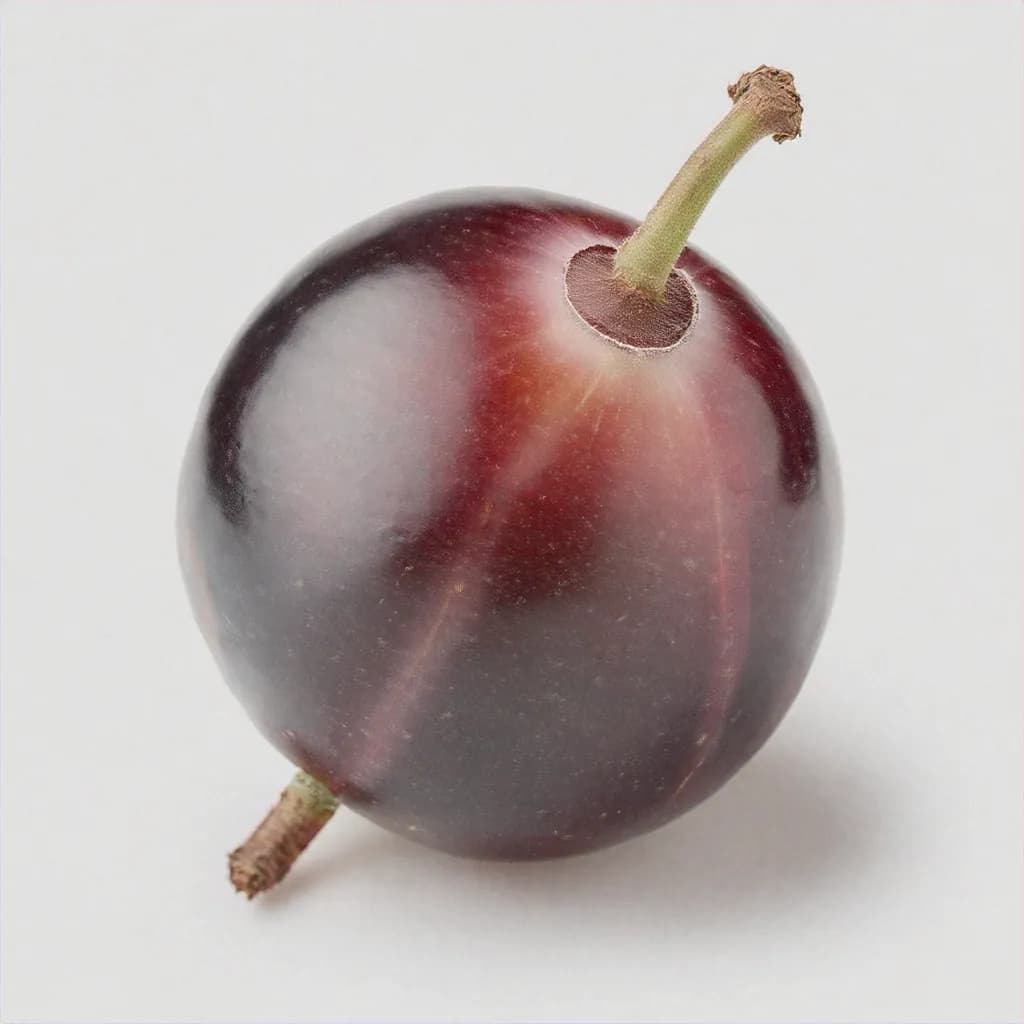
Vitis rotundifolia
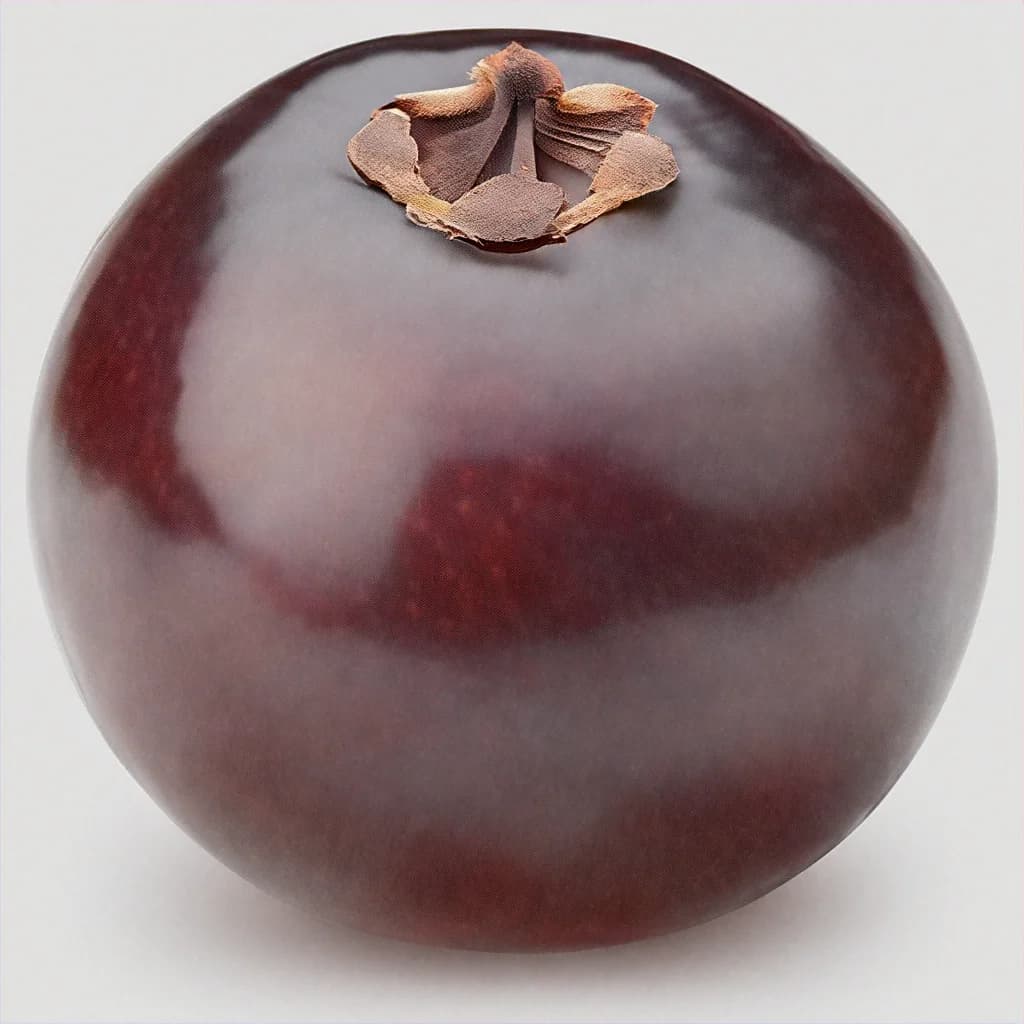
Muscadine is a unique, thick-skinned grape native to the southeastern United States, celebrated for its exceptionally high antioxidant content and robust nutritional profile. Unlike common grapes, muscadines contain dramatically higher levels of polyphenols, ellagic acid, resveratrol, and anthocyanins, making them one of the most powerful antioxidant-rich fruits. With moderate calories, good dietary fiber, and natural fruit sugars, muscadines support heart health, metabolic wellness, immune defense, and cellular protection. Their bold flavor, musky aroma, and dense skins make muscadines highly valued in functional nutrition, traditional Southern cuisine, and modern wellness research.
Explore Muscadine in stunning detail
Muscadine - Main View
Per 100g
Per 100g
Nutrition breakdown for one serving
Southeastern United States
Muscadine grapes are native to the southeastern United States and were cultivated by Native American tribes long before European arrival. Unlike European grape species, muscadines evolved resistance to many pests and diseases, making them uniquely hardy. Historically important in Southern agriculture, muscadines are now widely studied for their exceptionally high antioxidant and polyphenol content, distinguishing them from other grape varieties.
Late summer to early autumn
Each variety offers unique flavors, textures, and culinary applications
Keep your fruit fresh and delicious for longer
Choose plump grapes with firm skins
Look for deep, uniform color depending on variety
Avoid cracked or leaking grapes
Refrigerate unwashed muscadines
Store in breathable container
Wash just before use
Preserve freshness for months
Wash and dry thoroughly before freezing
Freeze whole or halved grapes
Frozen muscadines retain antioxidants for up to 6 months
Label frozen items with the date to track freshness. Most fruits maintain quality for 2-3 months when properly frozen. For best results, use airtight containers or freezer bags to prevent freezer burn.
Discover delicious possibilities
Muscadine allergies are rare but possible.
Typically lower pesticide need due to natural resistance; wash before eating.
Surprising trivia you'll love!
Muscadines are native to the United States
They contain more antioxidants than most other grapes
The skins hold most of the polyphenols
Highly resistant to pests and diseases
Used historically by Native American tribes
Muscadines have thicker skins and significantly higher antioxidant and polyphenol content compared to common grapes.
Yes, their resveratrol and ellagic acid content strongly supports cardiovascular and vascular health.
Muscadines have a bold, sweet-tart flavor with a distinctive musky aroma.
Yes, muscadines contain significantly higher levels of antioxidants, fiber, and polyphenols.
Yes, the skins are edible and contain most of the fruit’s antioxidants.
Yes, muscadines typically contain large seeds that are usually discarded.
Yes, their high fiber content supports digestion and gut health.
Muscadines are typically harvested from late summer to early fall.
They are used in fresh eating, juices, jams, wines, and desserts.
Yes, their antioxidants and vitamin C help support immune function.
Fresh muscadines should be refrigerated and consumed within a few days.
Yes, muscadines are relatively low in calories while being nutrient-dense.
Muscadines are native to the southeastern United States and thrive in warm, humid climates.
Yes, muscadines have been traditionally valued for their health-promoting properties.
Sustainability insights
Muscadines require fewer chemical inputs than other grape species.
Low when locally grown.
Moderate water requirement.
Local sourcing significantly reduces environmental impact.
We aim to keep this Muscadine profile accurate and easy to understand. Nutrition values and % Daily Value figures are based on established reference databases and standard daily value guidance.
Last updated: September 9, 2026
Medical disclaimer
This page is for general educational purposes and does not replace professional medical advice.
Found an issue? Contact us.