Loading Fruit Details...
Please wait while we fetch nutritional information and health benefits
Please wait while we fetch nutritional information and health benefits
Recommended Products
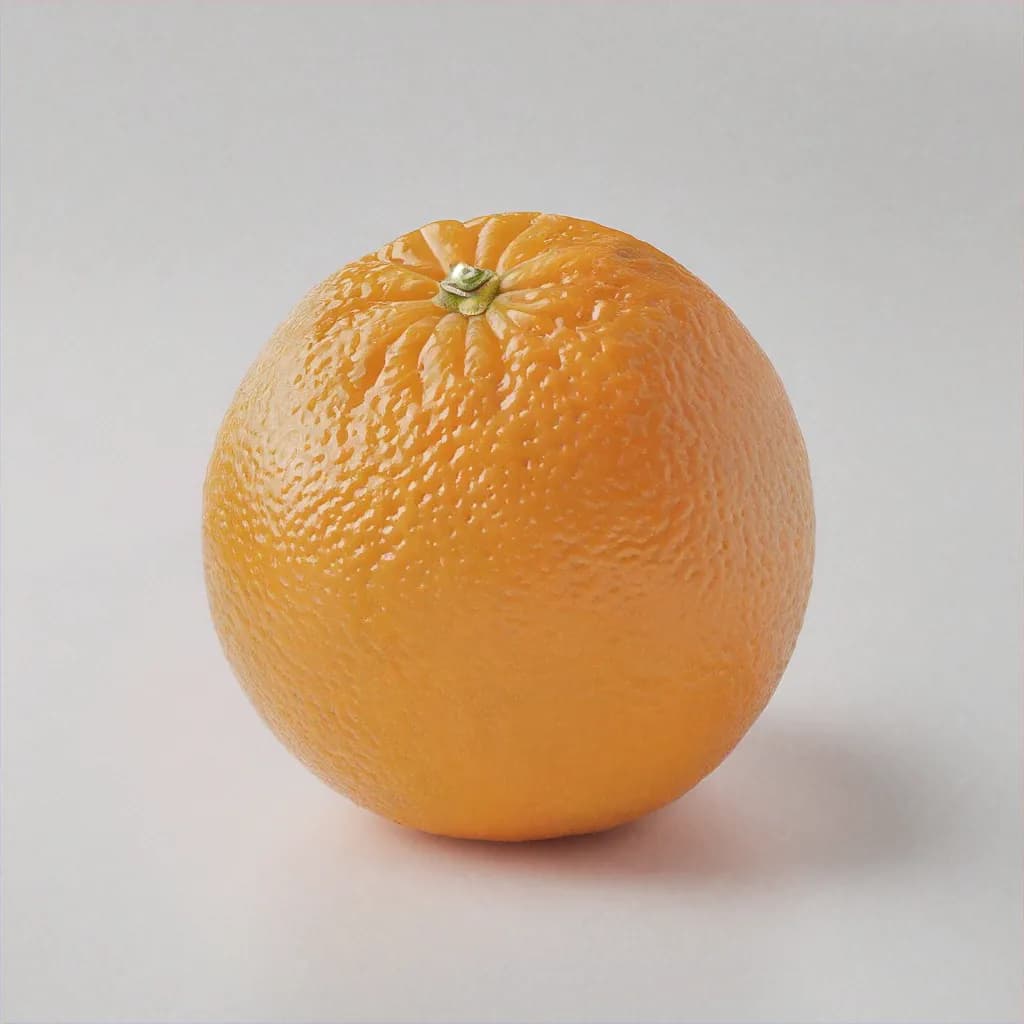
Citrus sinensis (Sweet Orange), Citrus aurantium (Bitter Orange)
The orange is perhaps the world's most beloved citrus fruit, celebrated globally for its vibrant color, refreshing sweetness, and exceptional nutritional profile. This round fruit with its distinctive dimpled orange skin contains juicy segments filled with tangy-sweet juice and beneficial nutrients. Sweet oranges range from bright orange to deep reddish hues, with flesh that varies from pale yellow to deep orange depending on variety. The taste balances sweetness and acidity perfectly, delivering a burst of fresh, zesty flavor with floral undertones. Beyond being synonymous with vitamin C and immune health, oranges offer impressive fiber, folate, potassium, and powerful antioxidants. Native to Southeast Asia but now grown in citrus belts worldwide, oranges have become a breakfast staple, snack favorite, and juice icon, representing health, vitality, and sunshine in cultures around the globe.
Explore Orange in stunning detail
Orange - Main View
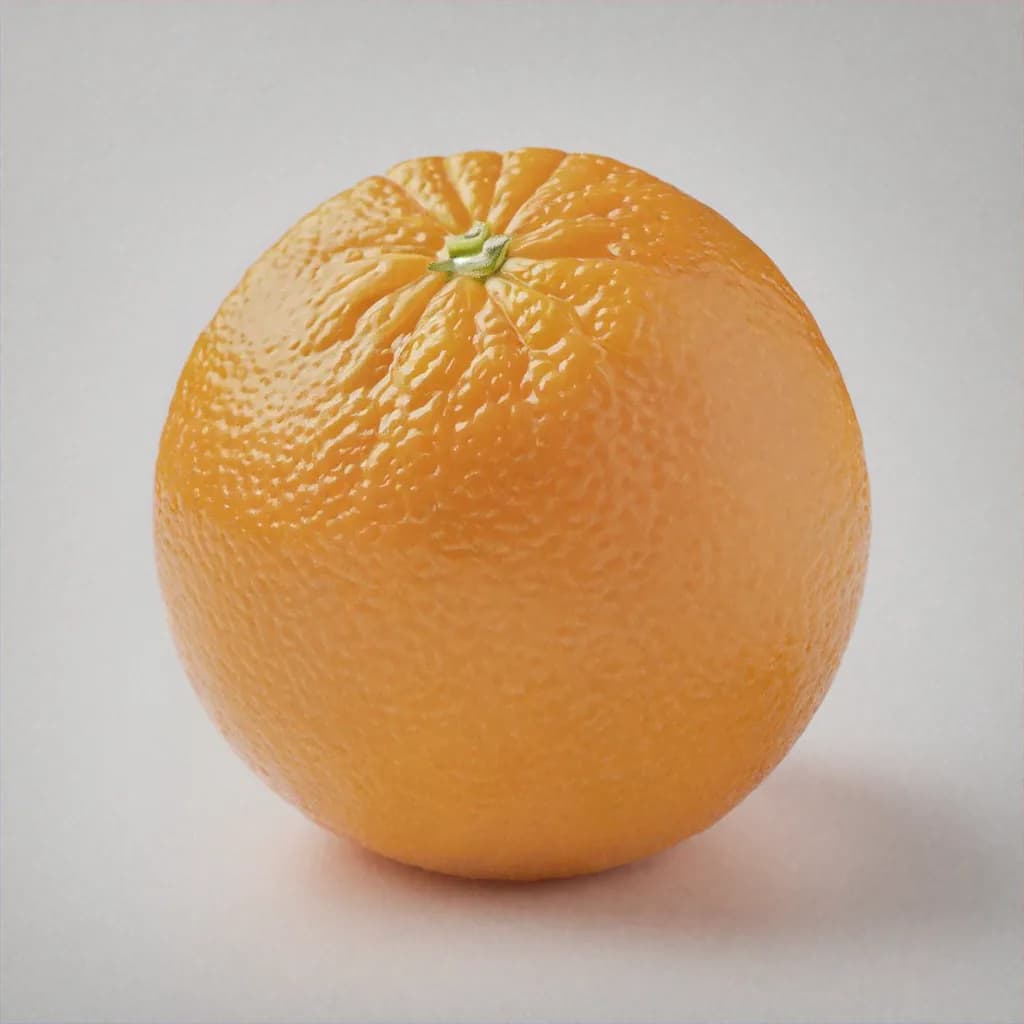
Orange - View 1
Per 100g
Per 100g
Nutrition breakdown for one serving
Southeast Asia (southern China, northeastern India, Myanmar)
Sweet oranges originated in Southeast Asia, likely from a natural hybrid between pomelo and mandarin thousands of years ago. Ancient Chinese texts mention oranges as early as 314 BC. Arab traders introduced oranges to the Middle East and North Africa around 700-900 AD. Spanish and Portuguese explorers spread oranges globally during the Age of Exploration in the 15th-16th centuries, establishing groves in the Americas. Christopher Columbus brought orange seeds to the Caribbean in 1493. Spanish missionaries planted the first orange groves in California and Florida in the 1700s. The development of naval oranges in Brazil (1820s) and their introduction to California revolutionized the industry. Florida became a major orange producer by the 1800s, and the 'Sunshine Tree' became synonymous with the state. Orange juice concentrate, developed in the 1940s, made orange juice a breakfast staple. Today, oranges are the most widely grown fruit crop globally, with 'orange' becoming a color name derived from the fruit (not vice versa - the color was named after the fruit in the 1500s).
Winter through spring in most regions
Each variety offers unique flavors, textures, and culinary applications
Keep your fruit fresh and delicious for longer
Select oranges that feel heavy for their size, indicating juiciness
Look for firm fruit with smooth, evenly colored skin
Slight greenish tinge is okay - color doesn't always indicate ripeness (especially Valencia)
Avoid soft spots, bruises, mold, or wrinkled skin
Surface blemishes and brown spots are cosmetic and don't affect quality
Fresh oranges should feel firm when gently squeezed
Fragrant oranges at stem end indicate good flavor
Thinner-skinned oranges are usually juicier
For eating fresh, choose navel or Cara Cara varieties
For juicing, choose Valencia or other juice varieties
Store oranges at room temperature for up to 1 week if eating soon
Refrigerate for longer storage - lasts 2-4 weeks in crisper drawer
Keep in a cool, dry place away from direct sunlight if storing at room temp
Store in mesh bag or bowl to allow air circulation
Don't store in sealed plastic bags at room temperature (promotes mold)
Keep away from moisture and humidity to prevent mold growth
Separate any moldy or damaged oranges immediately to prevent spread
Once cut or peeled, refrigerate in airtight container for 2-3 days
Orange juice stays fresh refrigerated for 2-3 days in sealed container
Bring refrigerated oranges to room temperature before juicing for maximum yield
Preserve freshness for months
Freeze orange juice in ice cube trays or freezer-safe containers
Can freeze orange segments - dry thoroughly, freeze on tray, then bag
Freeze orange zest in small portions for cooking and baking
Whole oranges can be frozen but texture becomes mushy when thawed
Frozen orange juice cubes last 3-4 months
Frozen segments work well in smoothies used directly from freezer
Thawed orange segments are best for cooking, not fresh eating
Label frozen items with date for quality tracking
Orange concentrate remains flavorful for up to 1 year frozen
Frozen orange peel/zest maintains flavor for 6 months
Label frozen items with the date to track freshness. Most fruits maintain quality for 2-3 months when properly frozen. For best results, use airtight containers or freezer bags to prevent freezer burn.
Discover delicious possibilities
Orange allergies are relatively uncommon but can occur, particularly in people with other citrus allergies. Allergic reactions may include oral allergy syndrome (itching or tingling in mouth, lips, tongue), hives, skin rash, digestive discomfort, or in rare cases, anaphylaxis. Cross-reactivity can occur with other citrus fruits (lemons, limes, grapefruits) and occasionally with birch pollen due to similar proteins. Orange peel contains higher allergen concentrations than flesh. Some people react to compounds in the peel (limonene, linalool) causing contact dermatitis. Symptoms typically appear within minutes to 2 hours after consumption or contact. If you suspect an orange allergy, consult an allergist for proper testing.
Conventionally grown oranges may contain pesticide residues, though the thick peel provides protection to the flesh. The Environmental Working Group typically ranks oranges in the lower-middle range for pesticide concerns. Most residues remain on the peel, which isn't eaten. However, if using orange zest or eating peel, choose organic or wash thoroughly. To reduce pesticide exposure: wash oranges under running water for 30 seconds, scrub with a vegetable brush, soak in baking soda solution (1 tsp per 2 cups water) for 2 minutes if using peel, or choose organic oranges. Post-harvest fungicides and waxes are commonly applied to oranges for appearance and shelf life.
Surprising trivia you'll love!
The color 'orange' was named after the fruit, not the other way around - before the 1500s, the color was called 'yellow-red'
Orange trees can live and produce fruit for over 100 years with proper care
Brazil produces more oranges than any other country - about 30% of global production
Oranges are actually berries in botanical classification
There are over 600 varieties of oranges grown worldwide
The white stringy part (pith) between peel and fruit is highly nutritious with fiber and flavonoids
Oranges don't ripen after picking - they must be tree-ripened for sweetness
Orange blossoms are the state flower of Florida, the 'Sunshine State'
The average orange contains about 10 segments
Orange trees are evergreen and can bloom and fruit simultaneously
One orange tree can produce 1,000+ oranges per year when mature
Seville oranges are too bitter to eat fresh but make the best marmalade
The distinctive smell of oranges comes from limonene in the peel oils
Oranges sink in water because they're denser than the liquid
China consumes most of its orange production domestically - very little is exported
A medium orange (131g) contains approximately 70mg of vitamin C, which is 78% of the recommended daily value. Per 100g, oranges provide 53.2mg of vitamin C (59% DV). While oranges are excellent vitamin C sources, they actually contain less than kiwis (92.7mg per 100g), guavas (228mg per 100g), and strawberries (59mg per 100g). However, oranges remain one of the most popular and accessible sources of this essential vitamin. One orange provides more than half your daily vitamin C needs, supporting immune function, collagen production, and antioxidant protection. Drinking a glass of fresh orange juice (about 240ml) provides approximately 120mg of vitamin C, exceeding daily requirements.
Eating whole oranges is nutritionally superior to drinking orange juice. Whole oranges provide all the fiber (3.1g per medium orange) which slows sugar absorption, promotes fullness, and supports digestive health. Juice removes most fiber, concentrating sugars and calories - one glass of juice requires 3-4 oranges but lacks their fiber. Whole fruit has lower glycemic impact, preventing blood sugar spikes. Eating oranges takes longer, promoting mindful eating and satiety. However, fresh-squeezed juice (not from concentrate) does retain most vitamins, minerals, and beneficial compounds. If choosing juice, drink it fresh-squeezed, limit to 4-6 oz portions, and pair with protein or fat to slow sugar absorption. For optimal health, eat whole oranges most of the time and enjoy juice occasionally.
It depends on how soon you'll eat them. Oranges can stay at room temperature for about 1 week in a cool, dry place away from sunlight - convenient if eating within days. However, refrigeration extends shelf life significantly to 2-4 weeks by slowing deterioration and maintaining freshness. The crisper drawer is ideal for refrigerated storage. Room temperature oranges are easier to juice and may be slightly sweeter. For best results: store at room temp if eating within a week, refrigerate for longer storage, and bring to room temperature before juicing for maximum juice yield. Never store cut oranges at room temp - always refrigerate cut fruit in airtight containers and use within 2-3 days.
Yes, dogs can safely eat oranges in moderation! Orange flesh provides vitamin C, fiber, and hydration that can benefit dogs. Remove all peel, seeds, and white pith before feeding - these can cause digestive upset. Give only small amounts: 1-2 segments for small dogs, 3-4 for larger dogs, as an occasional treat (not daily). The high sugar and citric acid content means too much can cause stomach upset, diarrhea, or obesity. Some dogs dislike the citrus smell and taste. Benefits are minimal since dogs produce their own vitamin C, unlike humans. Never feed orange peel, leaves, or large amounts of fruit. Monitor for any adverse reactions. Always consult your veterinarian before introducing new foods.
The fruit came first - the color was named after the fruit, not the other way around! The word 'orange' comes from Sanskrit 'naranga' → Persian 'narang' → Arabic 'naranj' → Spanish 'naranja' → Old French 'orenge' → English 'orange' (14th century). Before oranges were introduced to Europe, the color was called 'geoluhread' (yellow-red) in English. The color name 'orange' didn't appear until the 1500s, after the fruit became well-known in Europe. Interestingly, the initial 'n' was lost during transmission between languages - 'naranja' became 'an orange' instead of 'a norange.' The fruit's vibrant color was so distinctive it became the standard name for that specific hue.
Navel and Valencia are the two main orange types with distinct characteristics. Navel oranges: seedless, easy to peel, sweet with low acidity, distinctive 'navel' at blossom end (second fruit formation), best for fresh eating, thicker skin, drier pulp makes them less ideal for juicing, peak season November-June. Valencia oranges: few seeds, thinner skin (harder to peel), sweeter-tart balanced flavor, very juicy, best for juicing, may turn greenish when ripe (regreening - still perfectly ripe inside), peak season March-September, sometimes called 'summer oranges.' For eating fresh, choose navels for easy peeling and sweet taste. For juicing, choose Valencia for maximum juice yield and balanced flavor.
Yes, oranges can be part of a diabetic diet when consumed mindfully! Oranges have a low glycemic index (43) and moderate glycemic load (5), causing gradual rather than rapid blood sugar increases. The fiber (3.1g per medium orange) slows sugar absorption and helps regulate glucose levels. One medium orange contains about 12g of natural sugars - manageable for most diabetics. However, portion control is essential: stick to 1 medium orange per serving, pair with protein or healthy fats for better blood sugar control, and spread fruit intake throughout the day. Avoid orange juice, which lacks fiber and concentrates sugars. Whole oranges are much better choices. Monitor your individual blood sugar response and consult your healthcare provider or dietitian about incorporating oranges into your meal plan.
Several methods make orange peeling easy: (1) Roll method: Roll the orange firmly on a counter with palm pressure to loosen the peel, then peel with fingers. (2) Score and peel: Cut a shallow circle around the middle (equator), then peel each half. (3) Top-bottom method: Slice off both ends, cut a vertical slit down one side, and unroll the peel. (4) Spoon method: Cut orange in half, slide a spoon between flesh and peel, rotate to separate, then pop out flesh. (5) Boiling water: Pour boiling water over orange for 1 minute to loosen peel (works well but slightly cooks fruit). Navel oranges peel easiest due to loose skin. Valencia oranges have thin, tight skin that's harder to peel. Room temperature oranges peel more easily than cold ones.
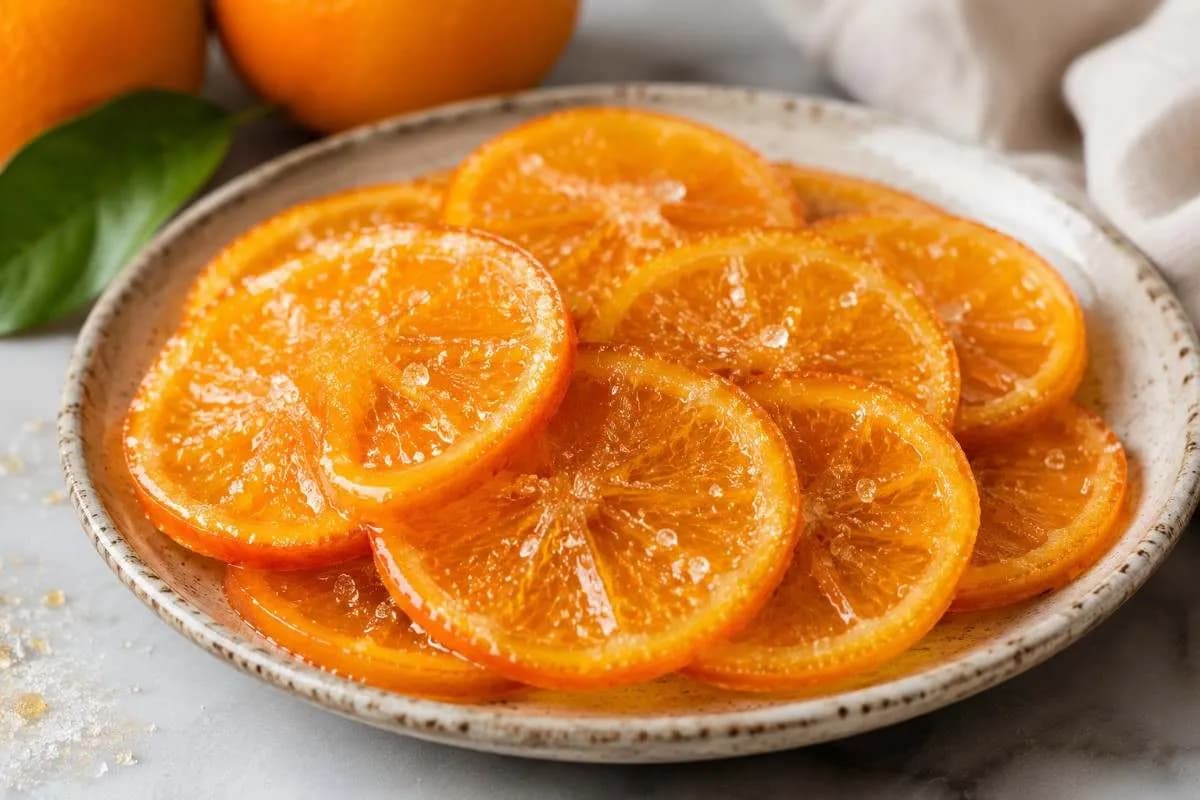
Yes, orange peels are edible and highly nutritious, but most people don't eat them raw due to bitter taste and tough texture. Orange peel contains concentrated fiber, vitamin C, calcium, and beneficial compounds like limonene and flavonoids that may have anti-cancer and anti-inflammatory properties. The white pith (between peel and flesh) is especially nutritious with hesperidin and fiber. Ways to consume peel: grate fresh zest into dishes (aromatic oils), candy the peel with sugar, dry and grind into powder for tea or seasoning, add strips to tea or marinades, make marmalade. Always wash oranges thoroughly or choose organic if eating peel to avoid pesticide residues. The bitter taste comes from compounds that are actually beneficial but off-putting to many palates.
Green skin doesn't mean an orange is unripe! In tropical regions with warm nights, oranges may stay partially green even when fully ripe - a process called 'regreening.' Valencia oranges commonly regreen in late season. Orange color develops when cool temperatures trigger chlorophyll breakdown, revealing orange pigments underneath. In consistently warm climates, chlorophyll persists despite ripeness. Some oranges are even artificially 'degreened' with ethylene gas to look more orange for consumer expectations. To test ripeness regardless of color: the orange should feel heavy, smell fragrant, and yield slightly to pressure. Taste is the true test - a green-skinned ripe orange tastes just as sweet as an orange-skinned one. Never judge ripeness by color alone in oranges.
Typically, 3-4 medium oranges yield approximately 1 cup (240ml) of fresh juice, though this varies by orange size, variety, and juiciness. A medium orange (131g) produces about 60-80ml of juice. Valencia oranges yield more juice than navels due to thinner membranes and higher juice content. For maximum juice extraction: roll oranges on counter before cutting, juice at room temperature (not cold), use a citrus reamer or electric juicer, and press firmly. One cup of orange juice contains approximately 120mg vitamin C (more than daily needs) but lacks the fiber of whole fruit. Remember that juice concentrates sugars and calories - one glass requires 3-4 oranges but is consumed much faster than eating them whole.
Blood oranges are a variety with distinctive deep red to burgundy flesh due to anthocyanin pigments - the same antioxidants that color berries and red wine. The red color develops in response to cold night temperatures during ripening, which is why blood oranges grow best in Mediterranean climates with cool nights. Popular varieties include Moro (darkest, most intense), Tarocco (sweetest), and Sanguinello. Blood oranges taste sweeter than regular oranges with unique raspberry-berry notes and less acidity. They contain all the benefits of regular oranges plus added anthocyanins with powerful antioxidant and anti-inflammatory properties. Peak season is December-May. The exterior may show red blush but can look like regular oranges - the red interior is the distinctive feature. They're excellent for fresh eating, salads, cocktails, and gourmet dishes.
Yes, you can eat oranges at night, though there are considerations. Oranges are a healthy evening snack: low in calories (62 per medium orange), provide vitamin C and fiber, and contain natural sugars for gentle energy. However, some concerns exist: the citric acid may trigger heartburn or acid reflux in sensitive individuals, especially when lying down shortly after eating. The natural sugars provide energy that might be unnecessary before bed. Some people find vitamin C stimulating rather than relaxing. The fiber may cause bloating if eaten in large amounts. For most people, one orange 1-2 hours before bed is fine and may even provide benefits: the natural sugars can help prevent early morning hunger, vitamin C supports overnight cellular repair, and the sweet taste satisfies evening cravings healthily. Avoid if you have GERD or acid reflux issues.
Yes, oranges gradually lose vitamin C over time due to exposure to oxygen, light, and heat. Whole oranges maintain vitamin C relatively well during storage - losing approximately 10-25% over several weeks in the refrigerator. Room temperature storage accelerates vitamin C loss. Once cut or juiced, vitamin C degrades more rapidly: fresh orange juice loses about 20-30% of vitamin C within 24 hours refrigerated, and 50%+ after a few days. Factors affecting vitamin C retention: temperature (cold is better), light exposure (dark is better), oxygen (airtight is better), and time. To maximize vitamin C: buy fresh oranges regularly, refrigerate if storing more than a week, consume whole fruits when possible, drink fresh-squeezed juice immediately or within hours, store juice in airtight containers in the fridge, and avoid heating orange juice.
Seedless oranges like navels are NOT genetically modified (GMO) - they're the result of natural mutations and traditional selective breeding. The original navel orange appeared as a spontaneous mutation on a Brazilian tree in the 1820s. This mutation prevented normal seed development while creating the distinctive 'navel' formation. Since these trees couldn't reproduce through seeds, they were propagated through grafting - taking cuttings from the original tree and grafting them onto rootstock. All navel oranges today are genetic clones of that original tree, perpetuated through grafting for nearly 200 years. This is traditional horticulture, not genetic engineering. Seedless fruits occur naturally through mutations, parthenocarpy (fruit development without fertilization), or chromosomal abnormalities. No commercially available oranges are genetically modified.
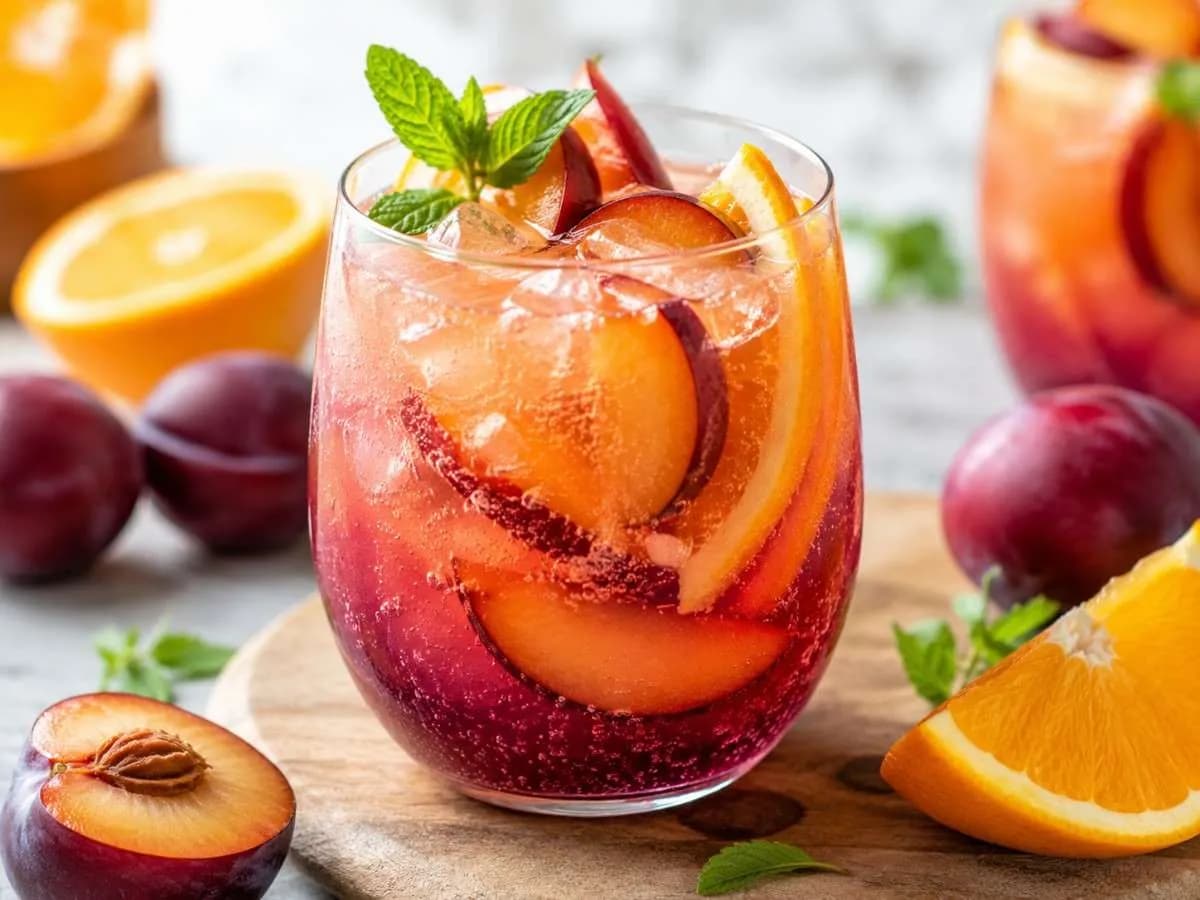




Sustainability insights
Orange cultivation has moderate environmental impact. Orange trees are perennial crops living 50-100+ years, providing long-term carbon sequestration without annual replanting. They support pollinators with fragrant blossoms providing nectar. However, commercial orange production uses significant water, synthetic fertilizers, and pesticides. Florida's orange industry has faced challenges from citrus greening disease, requiring increased pesticide use. Brazilian production has raised deforestation concerns. Organic orange farming eliminates synthetic chemicals. The juice industry generates substantial waste (peels, pulp) though some is used for animal feed or compost. Choose organic when possible and support sustainable citrus operations.
Orange carbon footprint varies significantly by source and transportation. Locally grown oranges (Florida, California, Texas, Arizona in the US) have low carbon footprint when sold regionally. Importing oranges from South America, South Africa, or Mediterranean countries increases footprint due to refrigerated shipping, though sea freight is more sustainable than air. Orange juice concentrate has moderate footprint due to processing energy but eliminates spoilage waste. The juice industry's carbon impact includes processing, packaging, and transportation. In-season local oranges have the lowest environmental impact. Off-season imports or out-of-region purchases increase carbon footprint substantially.
Orange trees require moderate to high water, particularly during fruit development. Average water footprint is approximately 560 liters per kilogram of oranges, which is moderate compared to some fruits but significant in drought-prone regions like California and Florida. Young trees need regular irrigation; mature trees are somewhat drought-tolerant but produce better with consistent water. Drip irrigation and mulching improve water efficiency in commercial orchards. Orange juice production adds water usage for processing. Climate change and water scarcity threaten orange production in some regions. Florida's abundant rainfall makes production there relatively water-efficient compared to California's irrigated groves.
In North America, buying local oranges from Florida (peak October-June), California (November-June), Texas, or Arizona is most sustainable, supporting domestic agriculture and minimizing transportation. Florida oranges typically have lower carbon footprint due to natural rainfall versus California's irrigation needs. During off-season (summer), imports from Southern Hemisphere (South Africa, Australia) or year-round producers (Brazil, Mexico) are necessary for fresh oranges. Choose domestic when available; if importing, Mexican oranges have lower transport impact than South American or African. Frozen orange juice concentrate can be more sustainable than fresh imports by reducing spoilage and transportation weight.
We aim to keep this Orange profile accurate and easy to understand. Nutrition values and % Daily Value figures are based on established reference databases and standard daily value guidance.
Last updated: September 8, 2026
Medical disclaimer
This page is for general educational purposes and does not replace professional medical advice.
Found an issue? Contact us.