Loading Fruit Details...
Please wait while we fetch nutritional information and health benefits
Please wait while we fetch nutritional information and health benefits
Recommended Products
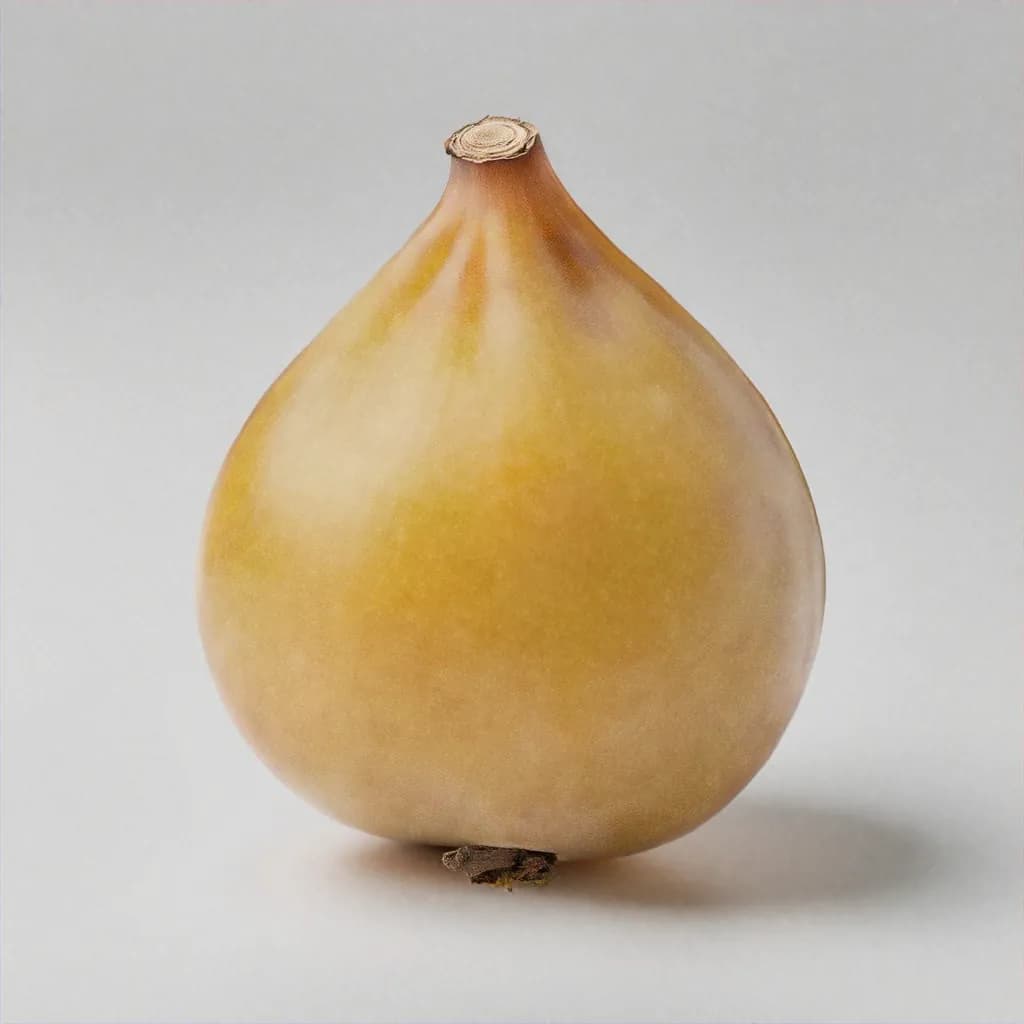
Pandanus amaryllifolius
Hala fruit is a distinctive tropical fruit from Southeast Asia and Pacific Islands with unique nutritional profile and aromatic properties. Rich in fiber (4.2g per 100g) and beneficial compounds, hala fruit supports digestive health, blood sugar balance, and traditional wellness practices. At 50 calories per 100g with excellent micronutrient content and adaptogenic properties, hala is revered in traditional Southeast Asian and Pacific Island cuisines. Perfect for traditional preparations, modern culinary applications, and comprehensive nutritional wellness.
Explore Hala Fruit in stunning detail
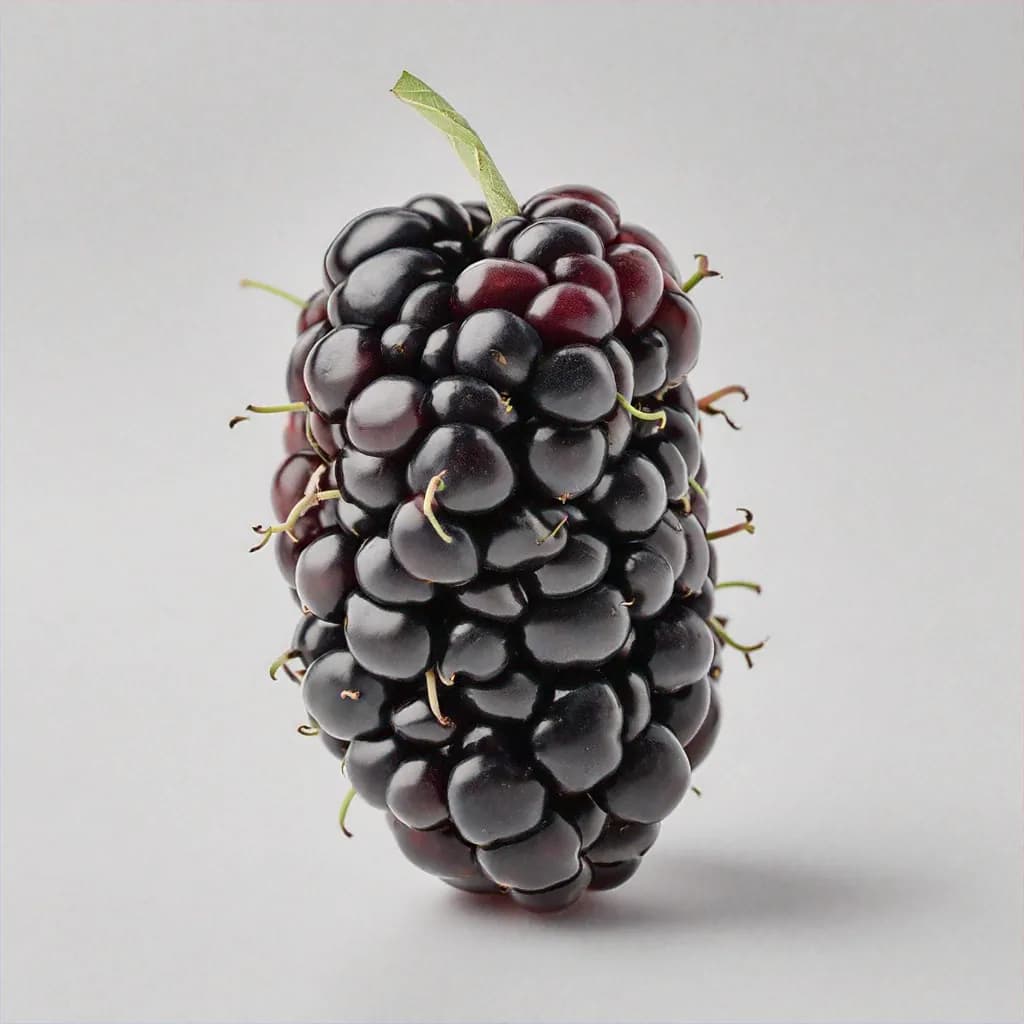
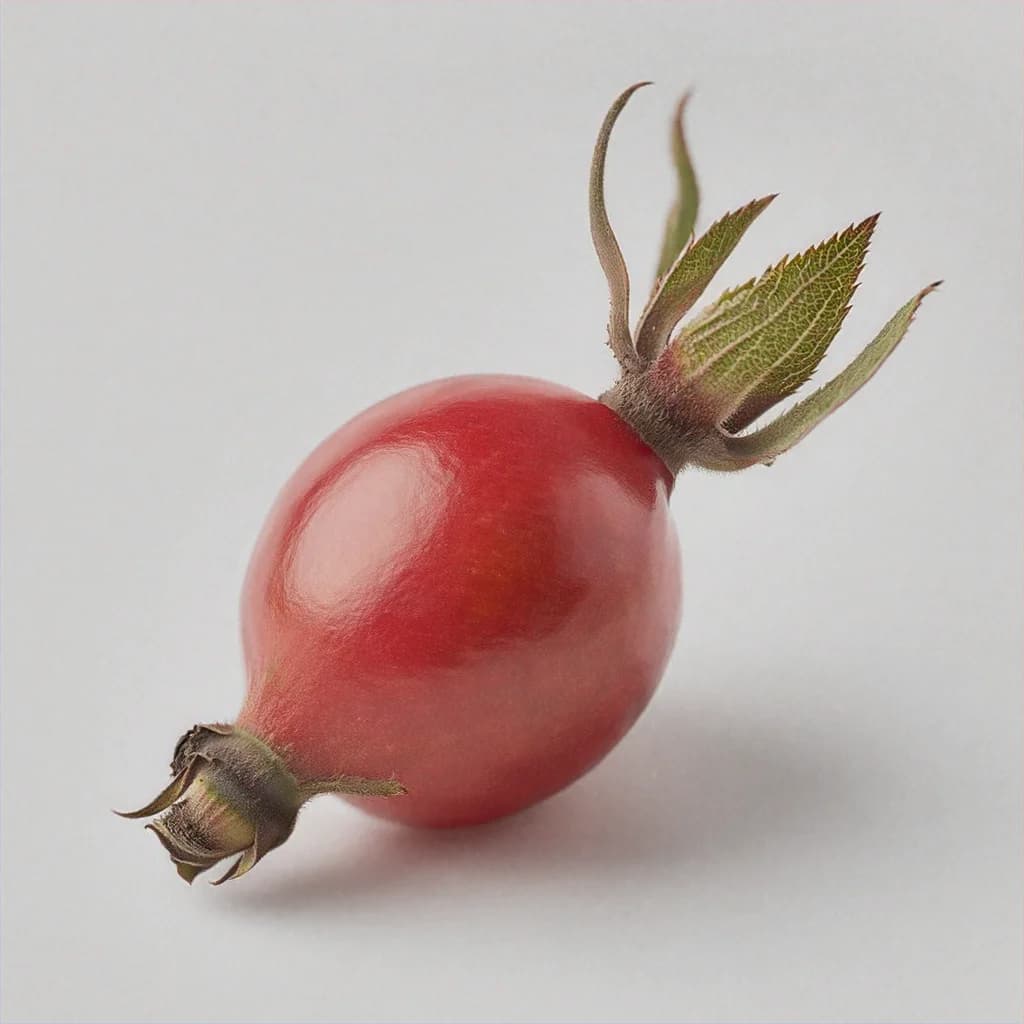
Hala Fruit - Main View
Per 100g
Per 100g
Nutrition breakdown for one serving
Southeast Asia and Pacific Islands
Hala fruit has been cultivated for centuries throughout Southeast Asia and Pacific Islands, deeply embedded in traditional cuisines, ceremonial practices, and folk medicine systems. Revered for its unique aromatic properties, nutritional density, and adaptogenic qualities, hala represents the ancient food wisdom of tropical island cultures and Southeast Asian traditions.
Peak season July-November
Each variety offers unique flavors, textures, and culinary applications
Keep your fruit fresh and delicious for longer
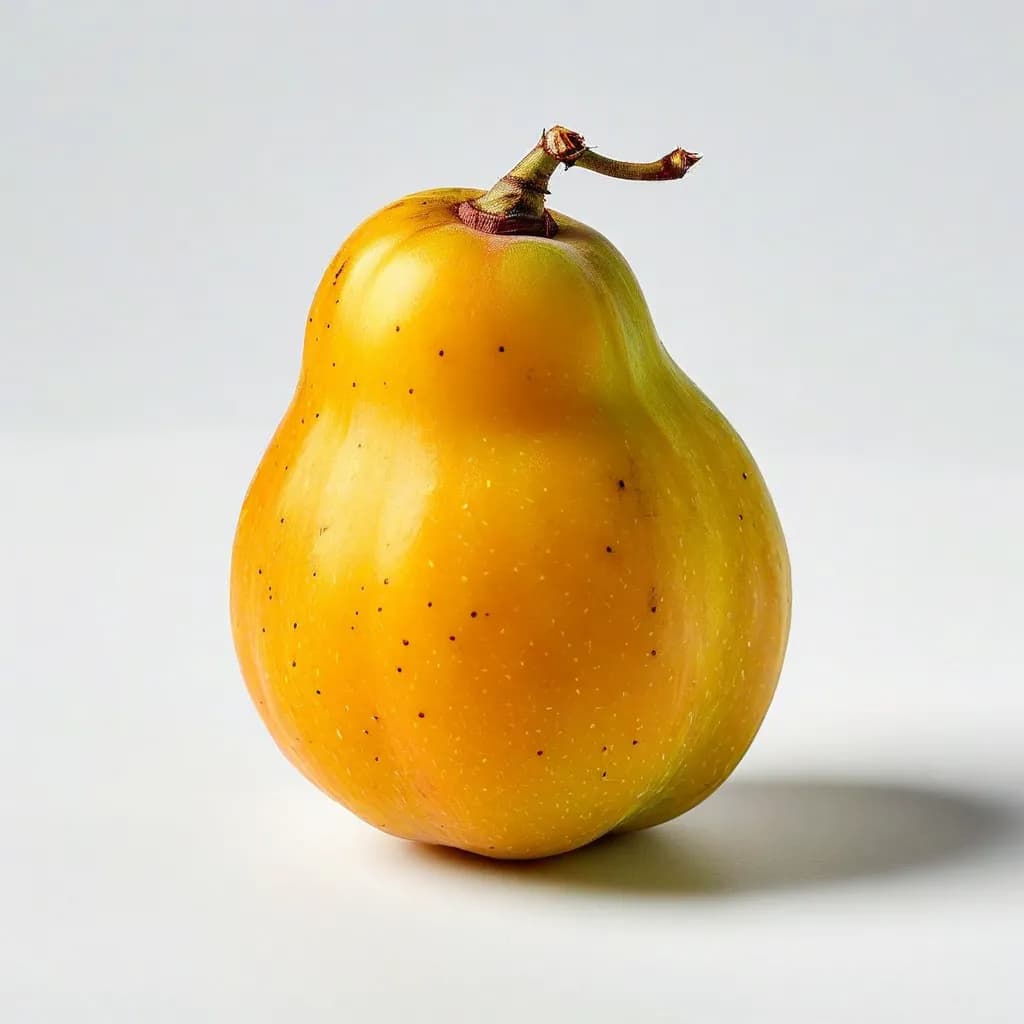
Select bright red or orange-red hala fruits that yield slightly to gentle pressure
Avoid dull, discolored, or overly soft fruits
Choose fruits with glossy, unblemished exterior indicating ripeness
Ripe hala fruits should emit distinctive pleasant aromatic fragrance
Look for fruits of consistent color with no brown areas or decay
Store fresh hala fruits at room temperature for 2-5 days until fully ripe
Refrigerate ripe fruits in produce drawer for up to 1 week
Freeze hala puree in ice cube trays for up to 6 months
Dried hala stores for 1+ years in airtight containers in cool, dry conditions
Traditional Southeast Asian preservation: hala paste stores refrigerated for 2-3 weeks
Freeze fruits on parchment-lined trays before transferring to freezer bags to prevent clumping
Preserve freshness for months
Wash and dry hala fruits thoroughly before freezing
Remove outer fibrous layer and extract inner segments
Blend hala flesh into smooth puree or freeze whole segments separately
Freeze on parchment-lined trays for 2-3 hours, then transfer to freezer bags
Frozen hala maintains nutritional integrity and aromatic properties for 6-8 months at 0°F (-18°C)
Thaw in refrigerator; use frozen hala directly in smoothies or traditional preparations
Label frozen items with the date to track freshness. Most fruits maintain quality for 2-3 months when properly frozen. For best results, use airtight containers or freezer bags to prevent freezer burn.
Discover delicious possibilities
Hala fruit allergies are rare. Some individuals may have sensitivity to tropical fruits or pandanus family plants.
Hala from certified traditional growers is typically pesticide-free due to traditional cultivation methods. Purchase from reputable Southeast Asian and Pacific Island sources specializing in traditional fruit cultivation.
Surprising trivia you'll love!
Hala fruit gets its distinctive spiral structure from the pandanus tree's unique branching pattern, making it visually distinctive among tropical fruits
The aromatic properties of hala fruit are so distinctive that it's used in traditional Southeast Asian perfumery and ceremonial practices
Hala fruit was traditionally used in Pacific Island ceremonies to mark important life events and celebrations, symbolizing prosperity and wellness
The fiber content and prebiotic properties of hala make it ideal for supporting modern wellness practices focused on gut health
Hala fruit's unique spiral structure means each fruit contains multiple segments, each with its own flavor nuances and nutritional profile
Traditional Southeast Asian wisdom recognized hala's digestive benefits centuries before modern science validated prebiotic fiber importance
Hala plants can live for 50+ years in tropical climates, supporting sustainable harvesting practices and food security
The distinctive aroma of hala is so recognizable in Southeast Asia that it's often called 'nature's perfume fruit'
Modern culinary chefs are rediscovering hala fruit for its unique flavor profile and nutritional density in contemporary fusion cuisine
Research increasingly suggests hala's combination of fiber, polyphenols, and minerals may support longevity and age-related health more effectively than many common fruits
Hala (Pandanus amaryllifolius) is a distinctive tropical fruit native to Southeast Asia and Pacific Islands, particularly Malaysia, Indonesia, Thailand, and island nations like Samoa and Fiji. Called 'screwpine fruit' for its spiral-fruited tree structure, hala has been cultivated for centuries in traditional cuisines and ceremonial practices.
Hala fruit delivers exceptional fiber (15% DV per 100g) for digestive health and prebiotic support, 22% DV vitamin C for immune function, 10% DV manganese for metabolism, and low glycemic index (35) for blood sugar balance. It's low in calories (50/100g) while providing polyphenols, flavonoids, and essential minerals for comprehensive nutritional support.
Yes, hala fruit is exceptional for digestive health. With 15% DV fiber per serving and significant prebiotic fiber content, hala nourishes beneficial gut bacteria, supports microbiome diversity, promotes regularity, and aids digestive comfort. It's a cornerstone of traditional Southeast Asian and Pacific Island digestive wellness practices.
Hala fruit has a distinctive sweet flavor profile with subtle aromatic complexity characteristic of the pandanus plant family. The taste varies by variety: Malaysian hala is sweeter with subtle aromatic notes, Indonesian hala has balanced sweet-tart character, and Pacific Island varieties are intensely sweet with pronounced aromatic properties.
Hala fruit has a low glycemic index of 35 and glycemic load of just 4 per 100g serving. Combined with exceptional fiber content, this makes hala ideal for blood sugar management, stable energy release, and sustained satiety, particularly beneficial for metabolic wellness and weight management.
Fresh hala is available at Southeast Asian markets, Pacific Island food retailers, and specialty tropical fruit shops, particularly July-November (peak season). Year-round options include frozen hala puree, dried hala, hala paste, and specialty products from Asian food retailers, health food stores, and online tropical fruit markets.
Hala fruit is deeply embedded in Southeast Asian and Pacific Island culinary traditions, ceremonial practices, and traditional medicine systems. It's traditionally used in special occasion preparations, healing practices, and wellness applications. Modern research increasingly validates traditional uses in digestive health, metabolic balance, and overall vitality.
Hala fruits require careful preparation: wash thoroughly, remove the outer fibrous layer, extract inner segments carefully, and consume fresh as aromatic snacks. Use in traditional sticky rice dishes, blend into smoothies, or prepare into traditional pastes. The distinctive aromatic properties enhance both sweet and savory applications in contemporary culinary settings.
Sustainability insights
Hala fruit cultivation supports Southeast Asian and Pacific Island agricultural traditions and biodiversity. Support organic and sustainably cultivated hala from certified growers honoring traditional farming practices and indigenous knowledge.
Locally harvested hala in tropical regions has minimal carbon footprint. Choose locally sourced hala from Southeast Asia and Pacific Islands over imported to reduce transportation impact while supporting regional farmers.
Hala cultivation requires moderate water suitable to tropical climates with natural rainfall patterns. Support rain-fed or sustainably irrigated cultivation over water-intensive alternatives.
Purchase from Southeast Asian and Pacific Island producers to support traditional livelihoods, maintain cultural food practices, preserve indigenous agricultural knowledge, and minimize global carbon footprint.
We aim to keep this Hala Fruit profile accurate and easy to understand. Nutrition values and % Daily Value figures are based on established reference databases and standard daily value guidance.
Last updated: September 8, 2026
Medical disclaimer
This page is for general educational purposes and does not replace professional medical advice.
Found an issue? Contact us.