Loading Fruit Details...
Please wait while we fetch nutritional information and health benefits
Please wait while we fetch nutritional information and health benefits
Recommended Products
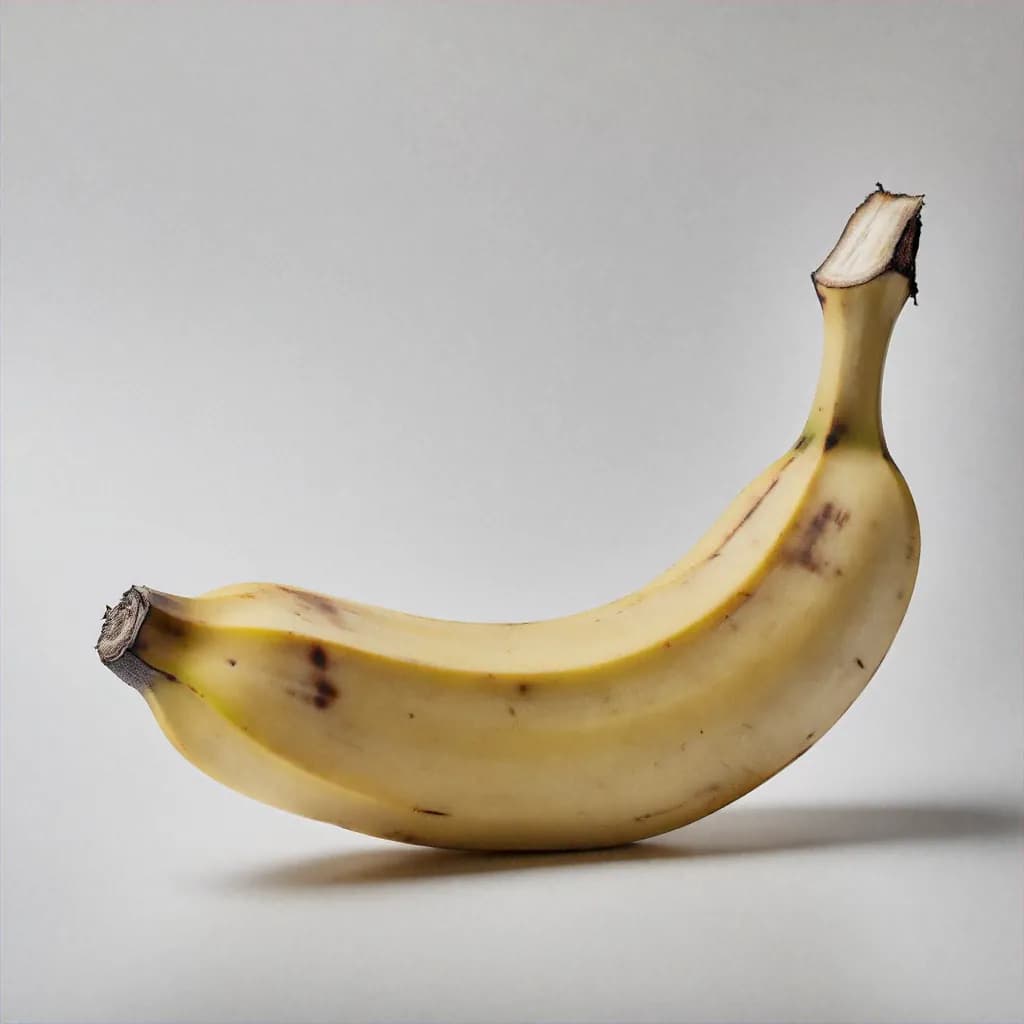
Musa acuminata × balbisiana (Burro group)
Burro banana, also known as the chunky banana or Orinoco banana, is a distinctive banana variety recognized for its short, thick shape and slightly squared edges. Unlike common Cavendish bananas, burro bananas have a firmer texture and a tangy, lemon-like flavor when ripe, becoming mildly sweet and creamy with a hint of acidity. Nutritionally, burro bananas are rich in potassium, vitamin B6, dietary fiber, and complex carbohydrates, making them ideal for sustained energy, digestive health, and heart wellness. Widely used in both raw and cooked applications, burro bananas are valued in tropical cuisines and contemporary wellness-focused diets.
Explore Burro Banana in stunning detail
Burro Banana - Main View
Per 100g
Per 100g
Nutrition breakdown for one serving
Southeast Asia
Burro bananas trace their origins to Southeast Asia and were later introduced to Central America and the Caribbean. The variety became popular in Mexico and Latin America for its sturdiness, versatility, and ability to be eaten both raw and cooked. Historically, burro bananas have been used as a staple energy source in tropical regions due to their nutrient density and reliable yield.
Available year-round
Each variety offers unique flavors, textures, and culinary applications
Keep your fruit fresh and delicious for longer
Choose firm bananas with yellow skin and minimal bruising
Green bananas are ideal for cooking applications
Avoid fruits with mold or leaking spots
Store at room temperature until ripe
Refrigerate ripe bananas to slow ripening
Peel may darken in the refrigerator while flesh remains usable
Preserve freshness for months
Peel before freezing
Slice for smoothies or cooking
Frozen bananas maintain quality for up to 3 months
Label frozen items with the date to track freshness. Most fruits maintain quality for 2-3 months when properly frozen. For best results, use airtight containers or freezer bags to prevent freezer burn.
Discover delicious possibilities
Banana allergies are rare but may occur in individuals with latex-fruit syndrome.
Wash outer peel thoroughly; discard peel before consumption.
Surprising trivia you'll love!
Burro bananas are also called chunky bananas
They have a slightly squared shape instead of a curve
Their flavor is tangier than common bananas
Popular in Latin American cooking
Excellent dual-purpose banana for raw and cooked use
Burro bananas are shorter, thicker, and have a tangy, lemon-like flavor compared to the sweeter Cavendish bananas.
Yes, burro bananas are versatile and can be eaten raw when ripe or cooked in savory and sweet dishes.
Burro bananas have a tangy, slightly lemony flavor with mild sweetness when ripe.
Yes, burro bananas provide potassium, fiber, vitamin C, and vitamin B6 for overall health.
Yes, their fiber content helps support digestion and gut health.
Burro bananas are grown mainly in Mexico, Central America, and other tropical regions.
They are mildly sweet when ripe and slightly starchy when unripe, making them suitable for savory dishes.
Burro bananas are ripe when their peel turns yellow with dark spots and the flesh softens.
Yes, they can be eaten raw once fully ripe, though many prefer them cooked.
Yes, burro bananas are less common than Cavendish bananas and are often considered a specialty variety.
They should be stored at room temperature until ripe, then refrigerated to extend freshness.
Yes, they provide natural carbohydrates that help boost energy levels.
No, like most edible bananas, burro bananas are seedless.
Yes, their tangy flavor works well in fried bananas, baked goods, and sweet dishes.
Sustainability insights
Burro banana cultivation often supports small-scale tropical farmers.
Lower when sourced locally.
Moderate irrigation requirements.
Local production reduces transportation emissions.
We aim to keep this Burro Banana profile accurate and easy to understand. Nutrition values and % Daily Value figures are based on established reference databases and standard daily value guidance.
Last updated: September 7, 2026
Medical disclaimer
This page is for general educational purposes and does not replace professional medical advice.
Found an issue? Contact us.