Loading Fruit Details...
Please wait while we fetch nutritional information and health benefits
Please wait while we fetch nutritional information and health benefits
Recommended Products
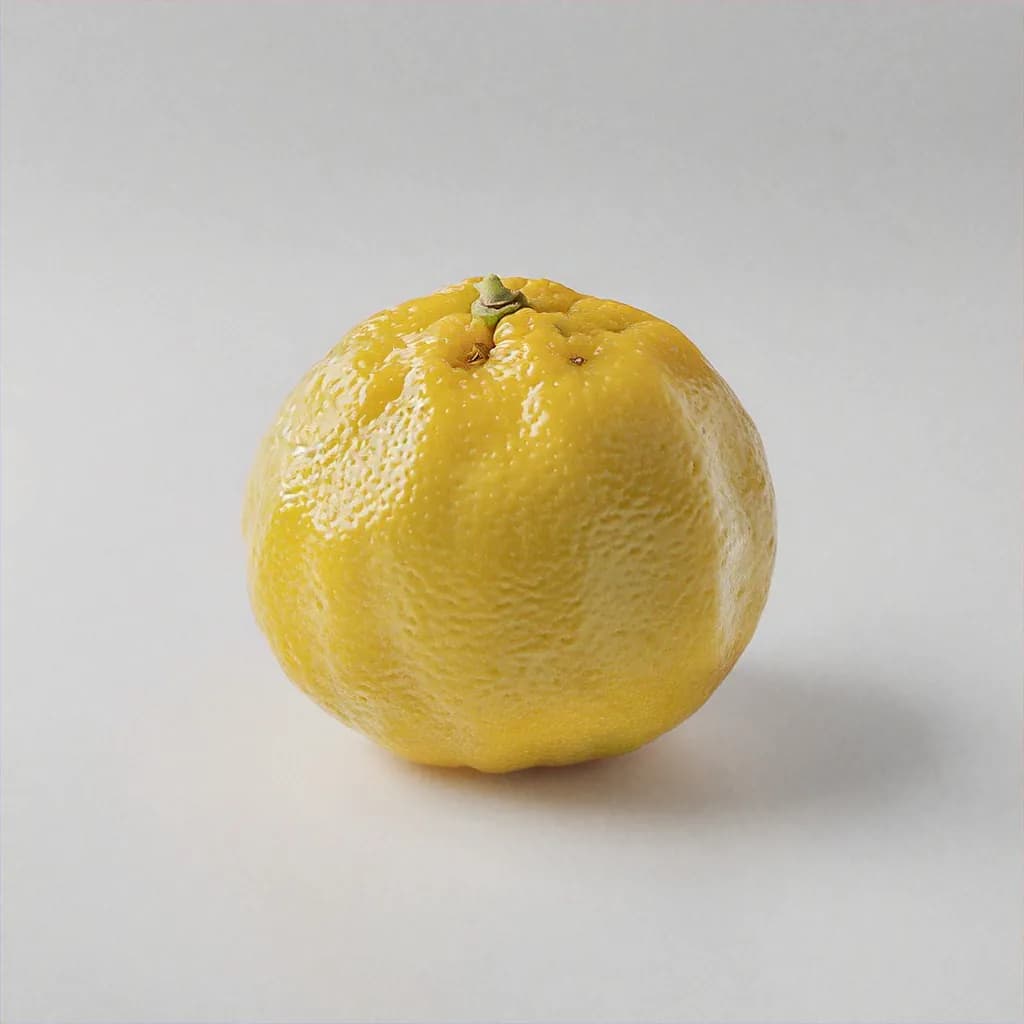
Citrus × junos
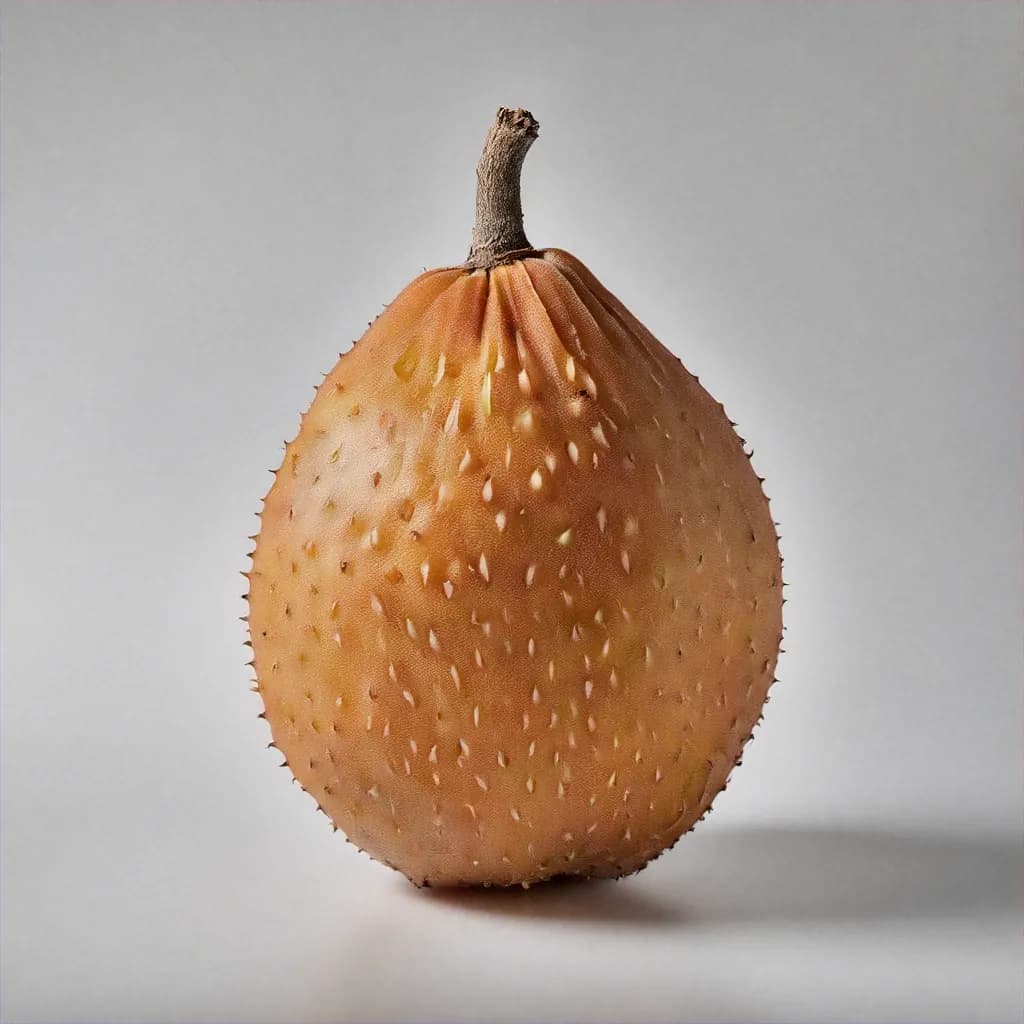
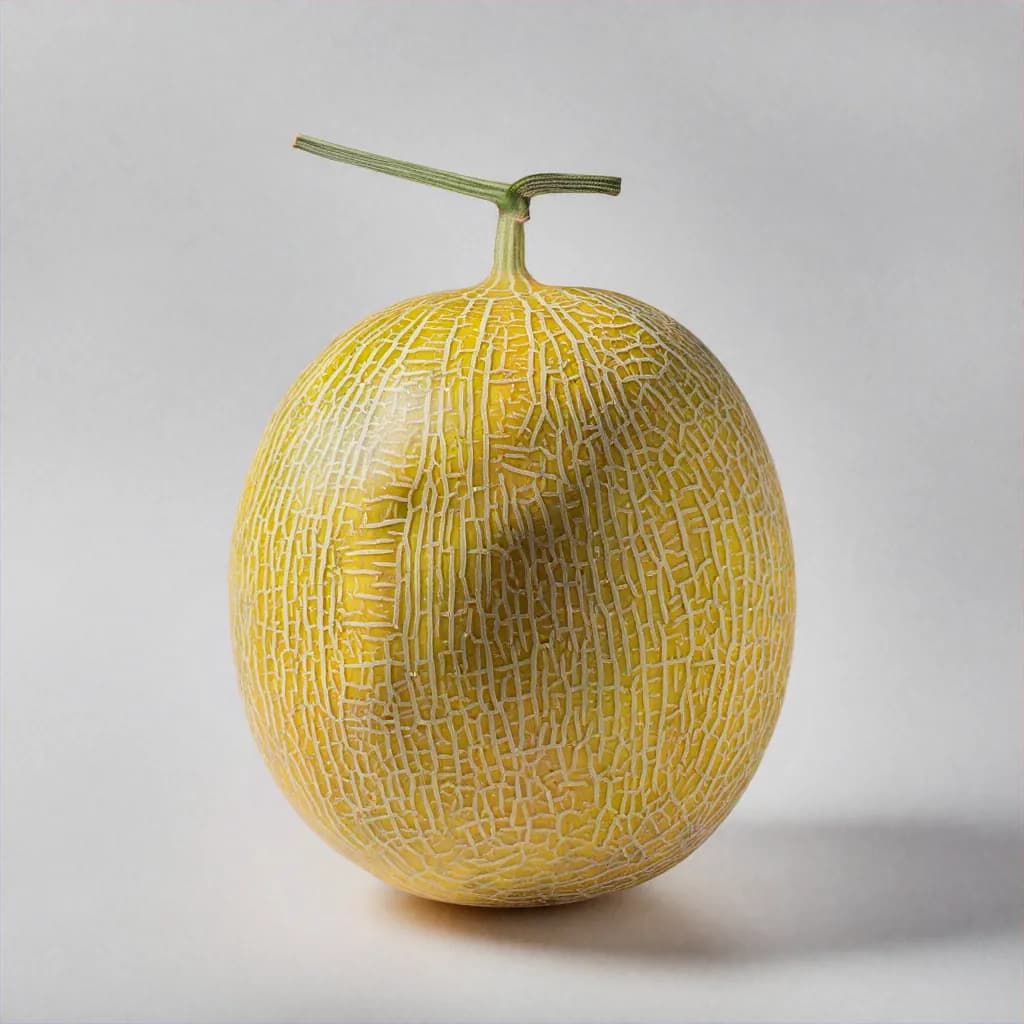
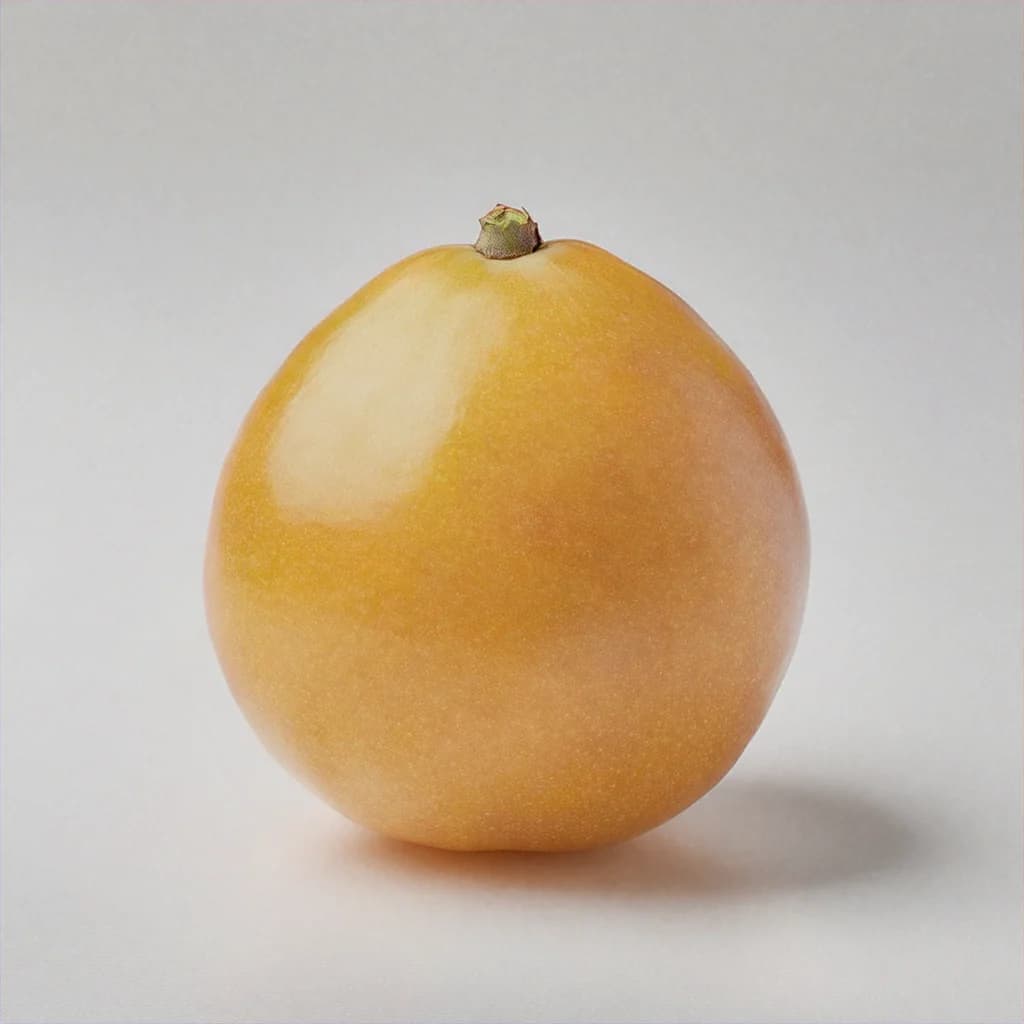
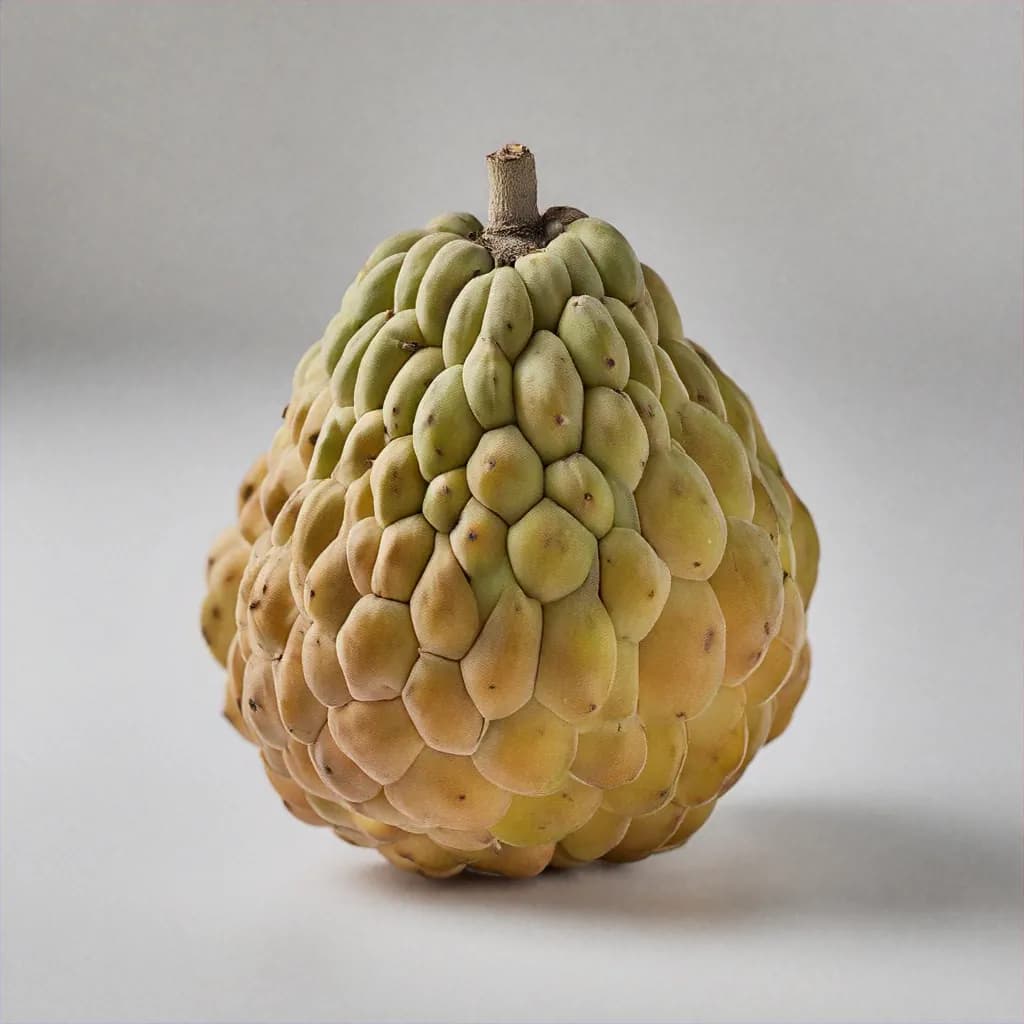
Yuzu is a prized Japanese citrus fruit with bumpy golden-yellow skin and intensely aromatic, complex flavor. Rich in vitamin C (72% DV), limonene, and unique flavor compounds, yuzu offers exceptional immune support and culinary excellence. With only 35 calories per 100g and distinctive fragrance, yuzu elevates both savory and sweet dishes with its floral, tart notes. Prized primarily for zest and juice, it's a cornerstone of Japanese and Korean cuisine. Perfect for those seeking premium, authentic Asian culinary experiences.
Explore Yuzu in stunning detail
Yuzu - Main View
Per 100g
Per 100g
Nutrition breakdown for one serving
East Asia, particularly Japan and Korea
Yuzu originated in East Asia and has been cultivated for over 1,500 years in Japan and Korea. It's deeply embedded in winter traditions and is essential in both Japanese and Korean cuisine and cultural celebrations.
Peak season November-December
Each variety offers unique flavors, textures, and culinary applications
Keep your fruit fresh and delicious for longer
Select firm yuzu with bright golden-yellow skin
Look for heavy fruit indicating juice content
Avoid soft spots, bruises, or discoloration
Store at room temperature for 1-2 weeks
Refrigerate in crisper drawer for up to 4 weeks
Freeze juice in ice cube trays for 1 year
Keep zest frozen in airtight containers for 1 year
Preserve freshness for months
Extract and freeze juice in ice cubes for 1 year
Zest and freeze separately for up to 2 years
Whole fruit can be frozen for up to 6 months
Label frozen items with the date to track freshness. Most fruits maintain quality for 2-3 months when properly frozen. For best results, use airtight containers or freezer bags to prevent freezer burn.
Discover delicious possibilities
Citrus allergies are rare but possible. Symptoms include itching or mouth irritation.
Yuzu may have pesticide residues. Wash thoroughly before zesting or juicing.
Surprising trivia you'll love!
Yuzu is one of Japan's most prized winter citrus fruits
Yuzu baths (yuzuyu) are a winter solstice tradition in Japan
Yuzu has exceptionally high vitamin C compared to other citrus
The bumpy skin holds concentrated aromatic oils
Yuzu trees can live for over 100 years and produce for decades
Yuzu is larger, sweeter, and has more floral notes than sudachi. Yuzu is prized for zest while sudachi is used for juice. Both are essential Japanese citrus fruits.
Yuzu is primarily valued for zest and juice rather than eating fresh. The flesh is edible but quite sour and is rarely consumed whole.
Yuzu kosho is a spicy paste made from yuzu zest, salt, and green or red chili peppers. It's a traditional Japanese condiment used in small amounts for seasoning.
Found in Japanese and Korean markets, specialty Asian stores, and online retailers. Fresh yuzu peaks November-December. Yuzu juice and zest are available year-round.
Sustainability insights
Yuzu cultivation supports traditional East Asian agriculture. Support fair-trade and local growers.
Imported yuzu from Japan or Korea has moderate transportation carbon footprint. Look for sustainable sourcing.
Yuzu trees require moderate water typical of citrus cultivation in temperate climates.
Supporting Japanese and Korean yuzu growers helps preserve traditional cultivation practices and supports local communities.
We aim to keep this Yuzu profile accurate and easy to understand. Nutrition values and % Daily Value figures are based on established reference databases and standard daily value guidance.
Last updated: September 20, 2026
Medical disclaimer
This page is for general educational purposes and does not replace professional medical advice.
Found an issue? Contact us.