Loading Fruit Details...
Please wait while we fetch nutritional information and health benefits
Please wait while we fetch nutritional information and health benefits
Recommended Products
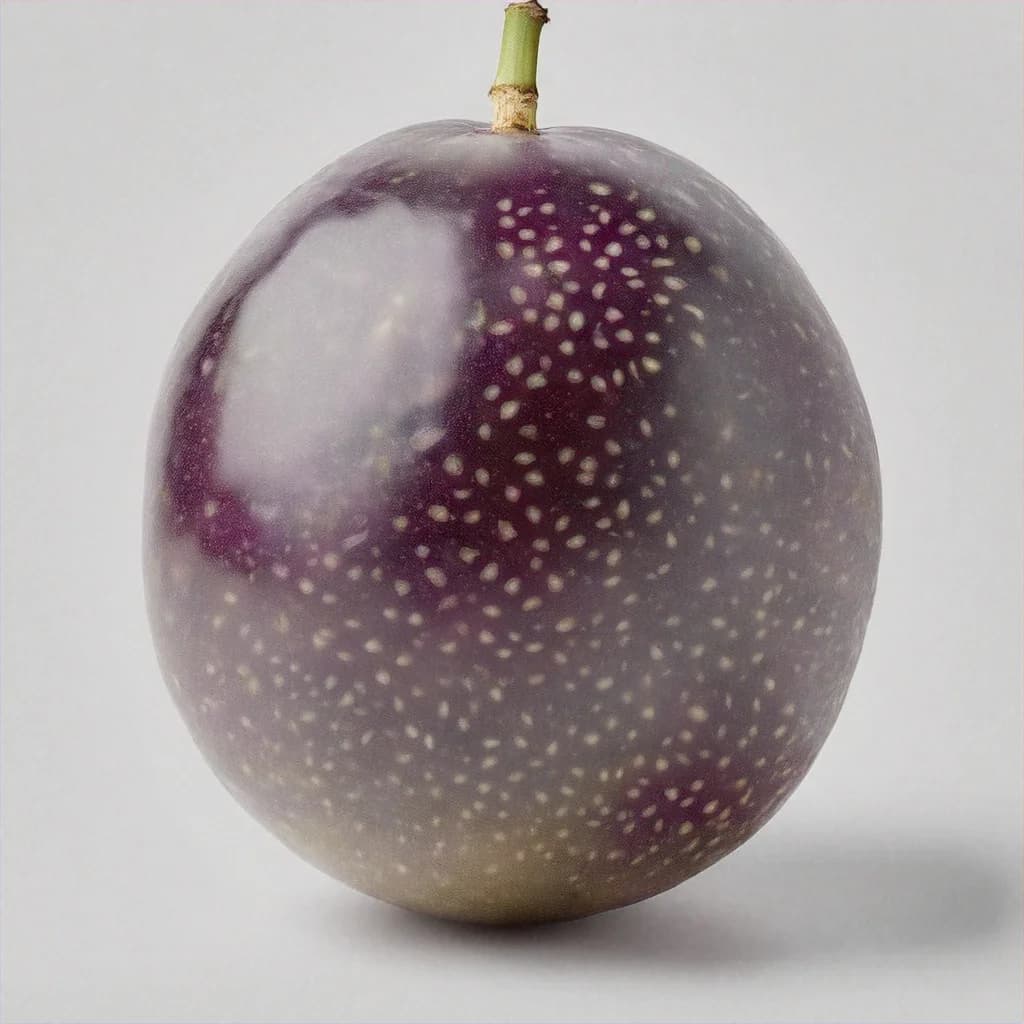
Passiflora herbertiana
The Native Passionfruit, scientifically known as Passiflora herbertiana, is a vibrant and tangy fruit native to the tropical regions of Australia. This small, round fruit boasts a hard, reddish-purple rind that encases a juicy, seed-filled pulp with a unique, tart flavor. The pulp is highly aromatic and refreshing, making it a favorite in culinary applications and beverages. Rich in vitamins, minerals, and antioxidants, the Native Passionfruit is not only a delight for the taste buds but also a nutritional powerhouse. Its vibrant color and distinctive taste make it a standout ingredient in both sweet and savory dishes.
Explore Native Passionfruit in stunning detail
Native Passionfruit - Main View
Per 100g
Per 100g
Nutrition breakdown for one serving
Australia
Native Passionfruit has been cultivated in Australia for centuries. It has been a staple in indigenous diets and is now enjoyed globally for its unique flavor and nutritional benefits.
Late summer to early autumn.
Each variety offers unique flavors, textures, and culinary applications
Keep your fruit fresh and delicious for longer
Look for fruits with a firm, reddish-purple rind.
Ensure the fruit is heavy for its size, indicating juiciness.
Store at room temperature for a few days.
Refrigerate to extend shelf life.
Preserve freshness for months
Freeze the pulp in ice cube trays for later use in smoothies or desserts.
Store frozen pulp in airtight containers.
Label frozen items with the date to track freshness. Most fruits maintain quality for 2-3 months when properly frozen. For best results, use airtight containers or freezer bags to prevent freezer burn.
Discover delicious possibilities
Individuals with latex allergies may experience reactions due to cross-reactivity with certain proteins in passionfruit.
Opt for organically grown Native Passionfruit to minimize pesticide exposure.
Surprising trivia you'll love!
Native Passionfruit is often referred to as the 'wild passionfruit' due to its natural growth in Australian forests.
The fruit's tart flavor makes it a popular ingredient in tropical beverages and desserts.
Native Passionfruit is a tropical fruit known for its tart flavor and vibrant reddish-purple rind. It is native to Australia and is rich in vitamins and antioxidants.
Look for fruits with a firm, reddish-purple rind and ensure they are heavy for their size, indicating juiciness.
Store at room temperature for a few days or refrigerate to extend shelf life up to 2 weeks.
Native Passionfruit can be used in desserts, salads, jams, and beverages. It pairs well with yogurt, ice cream, and tropical fruits.
Native Passionfruit is rich in Vitamin C, dietary fiber, potassium, and antioxidants, supporting immune health, digestion, and heart health.
While generally safe, individuals with latex allergies may experience reactions due to cross-reactivity. Always consult a healthcare provider if you have dietary restrictions or allergies.
Yes, you can freeze the pulp in ice cube trays or airtight containers for later use in smoothies or desserts.
Sustainability insights
Native Passionfruit is generally sustainable as it is often grown in its natural habitat without excessive use of pesticides.
Low, especially when sourced locally.
Moderate, as it requires regular watering during the growing season.
Locally sourced Native Passionfruit is preferable for lower environmental impact.
We aim to keep this Native Passionfruit profile accurate and easy to understand. Nutrition values and % Daily Value figures are based on established reference databases and standard daily value guidance.
Last updated: September 10, 2026
Medical disclaimer
This page is for general educational purposes and does not replace professional medical advice.
Found an issue? Contact us.